Night in a yurt hits different out here.
This 2-day private trip from Samarkand into the Red Desert country feels like a real break from city noise, and the big draw is sleeping under a clear sky so you can actually look for the Milky Way. I also like that the day isn’t just “sit and stare”—you get a nomad-style evening around the campfire, with dinner and folk songs (and dancing if you feel like joining in). One thing to consider: communication and timing can vary a bit depending on the driver, so come with flexibility.
The pace is built around drive time plus a few meaningful stops: ancient sites in the Nurota area, a relaxed lunch by Aydarkul Lake, then a full yurt camp night. The potential drawback is that “included” activities (especially camel riding) are worth confirming on the day, because some past groups reported surprise extras, even though camel riding is listed as part of the program.
In This Review
- Key things you’ll notice on this tour
- The real draw: desert quiet, then a sky you can’t fake
- Getting out of Samarkand: 4–5 hours of driving, with stops that matter
- Nurota complex: ruins, mosques, and a pond where you don’t fish
- Aydarkul Lake lunch and the swimming question (yes, but only if it fits)
- Yurt camp night: sunset, camel riding, and folk songs under real stars
- Day 2 dunes walk and then the long transfer toward Bukhara
- Sarmish petroglyphs and Navai caravanserai: the road as a museum
- Sarmish petroglyphs
- Navai: caravanserai plus underground water reserve
- Food and comfort: what’s included, what to bring, and what to expect
- Price and logistics: when $215 feels fair, and when it might not
- Who this tour fits best, and who should reconsider
- Practical advice before you go
- Should you book this yurt camp tour?
- FAQ
- How long is the Life As Nomads yurt camp tour?
- Where does the tour start and end?
- How far do you travel on the first day?
- What happens on day 1?
- What happens on day 2?
- Is camel riding included?
- What meals are included?
- Can I swim at Aydarkul Lake?
- What should I bring?
- What languages is the driver-guide supposed to speak?
Key things you’ll notice on this tour
- Milky Way star time in a clear desert sky, not city light pollution.
- Aydarkul Lake break with lunch by the shore, and swimming only if conditions and weather line up.
- Yurt camp evening program with campfire time, folk songs, and dancing after dinner.
- Camel riding at the camp (tips are welcome), best treated as a hands-on sunset moment.
- Roadside history stops including Nurota, Sarmish petroglyphs, and the Navai caravanserai.
- Private A/C vehicle pickup and transfers across roughly 250–270 km legs.
The real draw: desert quiet, then a sky you can’t fake
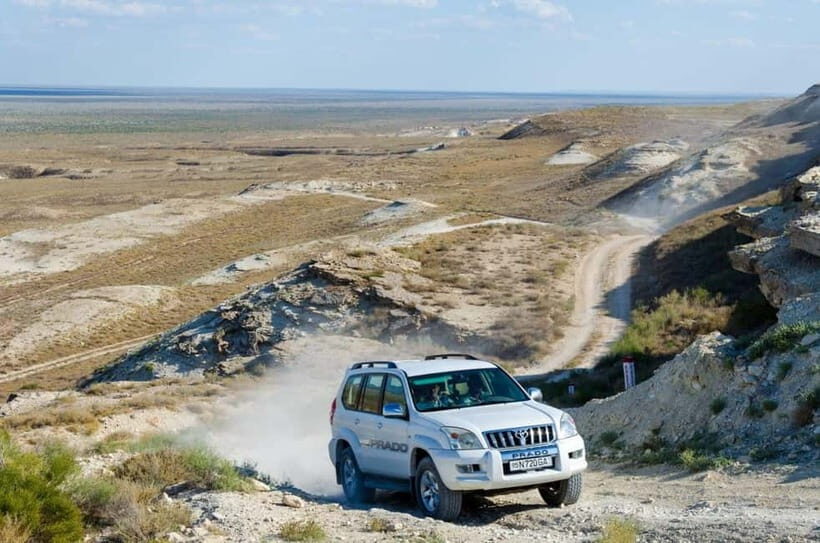
This tour is for people who want two days that feel “out there,” but still structured enough that you don’t have to plan anything. You leave Samarkand behind, drive into the Jizzakh region, and land in a yurt camp area where you’ll notice the shift right away: quieter air, wider horizons, and that slow desert pace.
The yurt night is the main ticket item. In the provided program, the camp evening includes dinner cooking while you’re offered camel riding, sunset viewing, and time around the campfire with local nomad songs. After that, the plan is to explore the Milky Way when the sky is clear. That’s not a vague promise—this is the kind of timing and setting where star watching actually works.
Getting out of Samarkand: 4–5 hours of driving, with stops that matter
You’ll start with pickup from your hotel, railway station, or airport in Samarkand. Plan to be ready in the lobby about 5 minutes before the scheduled time, because this is one of those trips where “on time” affects everything else.
The main first leg is roughly 250 km and takes 4–5 hours with stops along the way. The routing is Samarkand → Nurota → Yurt Camp. For most people, this drive time is part of the experience. You’ll get glimpses of the region changing as you head toward the desert, and the later you go, the more the landscape feels like it’s saving its best views for the last hour.
Practical note: lunch location is not always fixed. The program states that the camp base can switch lunch from the lake shore to the yurt camp depending on conditions. That flexibility can be helpful if weather turns, but you should keep your expectations loose.
Nurota complex: ruins, mosques, and a pond where you don’t fish
On day 1, you’ll stop at the Nurota complex. This is a nice “stretch your legs before the desert” moment rather than a museum-style stop.
Here’s what’s built into the visit:
- Ruins of an ancient citadel attributed to Alexander the Great’s era (the construction is prescribed to him).
- Two mosques dating to the 16th century.
- A central pond with numerous fish—catching them is forbidden.
Why it works: you get context for how old trade and power centers used to sit near water, long before modern roads. And the pond detail is useful because it’s a reminder that this area isn’t only for tourists—it has local rules and rhythms.
If you like history, take a moment to walk slowly and look beyond the main structures. If you don’t, that’s okay too. The stop isn’t so long that it kills the desert mood.
Aydarkul Lake lunch and the swimming question (yes, but only if it fits)
Next up is Aydarkul Lake. The program includes lunch by the lake shore and swimming if the weather allows. If conditions aren’t right, lunch may shift to the yurt camp instead.
One of the most practical bits of information is about getting clean after the water:
- The lake water is safe for swimming.
- There’s a fresh shower available at camp to wash off salt and mud.
- The salt level is listed at about 1.5–2%, which explains why you’ll want that shower rather than just rinsing with sand-stained water.
For your packing list, think “sun-ready” plus “mud-ready.” Sunglasses, sunscreen, and a hat are real necessities here, not optional extras. The lake time is also where you’ll start to feel how the tour balances comfort with authenticity: you’re still on a schedule, but you’re not indoors.
Yurt camp night: sunset, camel riding, and folk songs under real stars
This is where the tour becomes memorable.
The program’s sequence is clear:
- While dinner is being cooked, you can do camel riding.
- You watch the sunset.
- After dinner, you spend time by the campfire listening to folk songs of local nomads, with dancing included as part of the evening.
- Then, if the sky is clear, you go star watching and look for the Milky Way.
Two things I’d call “high value” here:
- The evening isn’t rushed. You’re given multiple ways to participate—ride, walk around, sit and listen, or just soak in the dark.
- The desert sky is the big payoff. In this kind of setting, night photography often beats day photography because it’s the light that tells the story.
A small, important consideration: camel riding is listed as included (with tips welcome), but some people reported being asked to pay extra. That doesn’t mean it will happen to you, but it does mean you should ask on arrival what exactly is covered before you climb on. It’s a simple question that prevents an awkward moment later.
Also, plan for limited modern comforts. The program says electric power is available at the camp to charge your devices, but some past experiences reported missing internet and power depending on conditions. My advice: assume you’ll have charging at best and no reliable connectivity.
Day 2 dunes walk and then the long transfer toward Bukhara
After the yurt night, you’ll have breakfast and free time for a walk on the dunes. This is short and simple, but it’s a good reset. I like having at least one “no-structure” window on the trip, because it gives you time to feel the place instead of just moving through it.
Then comes the bigger transition: departure from the yurt camp toward Bukhara, about 270 km. Driving time is roughly 4–5 hours, with an approximate arrival around 18:00. That timing matters because it shapes your day: you’re not going to arrive in Bukhara and immediately go sightseeing for hours. You’ll mostly be transferring to a hotel, airport, or railway station.
If you want one practical strategy: keep your evening plans in Bukhara light. Use the arrival time for checking in, getting dinner, and not trying to cram in additional monuments right away.
Sarmish petroglyphs and Navai caravanserai: the road as a museum
On the day 2 drive, you stop at two places.
Sarmish petroglyphs
You’ll visit petroglyphs along the route where animals are depicted. It’s not a long stop, but it has a distinct feel: you’re looking at art made for people who traveled by land, not by highways and timelines.
Navai: caravanserai plus underground water reserve
Next is Navai, featuring:
- An ancient 14th-century caravanserai.
- A nearby underground reservoir where rain and melting snow flows.
Why this is meaningful for you: caravanserais were the “fuel stations” of trade routes. They existed because water existed (or was managed). The underground reservoir detail is a reminder that survival in this region has always depended on collecting and storing water.
Then it’s on to Bukhara.
Food and comfort: what’s included, what to bring, and what to expect
Meals included are straightforward:
- 1 lunch
- 1 dinner
- 1 breakfast
Camel riding is included, and tips are welcome. Transportation is by private A/C vehicle. All fees and taxes are included.
A few things to keep in mind for comfort:
- Dress for sand and sun: comfortable shoes, sunglasses, sun hat, sunscreen.
- Long trousers are recommended, plus sport shoes or protective hiking boots.
- Warm jacket is needed in early spring and late autumn seasons. Even if the day is bright, night can feel cooler.
One more food note: local cuisine is usually beef or lamb based, often with rice, wheat, or sorgo dough and many vegetables. The program encourages you to tell the operator if you prefer vegetarian cuisine or have other preferences.
Price and logistics: when $215 feels fair, and when it might not
At $215 per person for 2 days in a private setting, the value depends on what you care about most.
You’re paying for:
- Private transportation with pickup and drop-off
- Meals (lunch, dinner, breakfast)
- Camel riding
- Entry fees for the included stops (entrance tickets to monuments are marked as not included, though the itinerary includes specific sites)
Here’s where the value can shine:
- If you genuinely want that yurt night with campfire songs and a dark-sky Milky Way moment, this itinerary hits the emotional high point.
- You’re not doing the planning labor. The stops are built into the route.
Where you should be cautious:
- Communication quality can swing depending on the driver’s English ability. The tour lists English and Russian, but language comfort has shown up as a real factor in people’s experiences.
- Timing can shift. Lunch location can change. A longer-than-expected drive or a shorter-than-ideal stop can happen if conditions require adjustments.
My practical take: if you want a calm desert night more than a perfectly timed guided lecture, you’ll likely feel the price is fair. If you need fluent commentary and strict schedule adherence, you should go into it with extra patience.
Who this tour fits best, and who should reconsider
This tour is ideal if you:
- Want a true night in a yurt camp rather than a quick photo stop
- Care about the night sky and the atmosphere around campfire folk music
- Like a mix of light history stops and outdoor time
- Prefer a private format where pickup and transfers are arranged for you
It may be less ideal if you:
- Want guaranteed high-quality English explanations the whole way
- Expect an activity-heavy day with lots of stops at every hour
- Get frustrated easily if plans shift due to weather (lake swimming) or logistics (lunch placement)
Practical advice before you go
Pack like you’re going to the desert, not like you’re going to a city cafe.
Bring:
- Comfortable shoes (closed-toe, sand-friendly)
- Sunglasses and sun hat
- Sunscreen
- Comfortable clothes, plus a warm layer if your season is early spring or late autumn
Plan for:
- No drinks and no food allowed in the vehicle
- A shower at camp to rinse salt and mud (especially after lake time)
- Charging your devices if power is available, but don’t build your whole day around internet access
And when you arrive at the camp area, ask one direct question about the camel ride: what’s included and whether any extra payment is expected.
Should you book this yurt camp tour?
Book it if your dream is simple: drive out of Samarkand, spend real time in nomad-style surroundings, and watch the desert sky go dark enough to see the Milky Way. The yurt camp evening structure—dinner, campfire songs, sunset, camel riding, then star time—is the core reason this works.
Skip or reconsider if you need perfect English guidance and strict scheduling, because past experiences show that communication and timing can be uneven. If you do book, go with flexible expectations, pack for sun and sand, and treat the desert night as the main event. That mindset makes the difference between a “meh” trip and a memorable one.
FAQ
How long is the Life As Nomads yurt camp tour?
It lasts 2 days.
Where does the tour start and end?
You’ll be picked up in Samarkand and finish with drop-off in Bukhara (hotel, airport, or railway station).
How far do you travel on the first day?
It’s about 250 km, and the drive takes roughly 4–5 hours with stops.
What happens on day 1?
You depart Samarkand, visit the Nurota complex, stop at Aydarkul Lake for lunch (and swimming if weather allows), then reach the yurt camp for camel riding, sunset, dinner with campfire folk songs, and an overnight stay in a yurt.
What happens on day 2?
After breakfast, you have free time for a walk on the dunes. Then you depart toward Bukhara with stops at Sarmish petroglyphs and the Navai caravanserai and underground reservoir.
Is camel riding included?
Camel riding is listed as included, and tips are welcome. It’s still smart to confirm on the day what is fully covered.
What meals are included?
The tour includes 1 lunch, 1 dinner, and 1 breakfast.
Can I swim at Aydarkul Lake?
The lake is described as safe for swimming, but swimming is only if weather allows. The camp also provides a fresh shower to wash off salt and mud.
What should I bring?
Bring comfortable shoes, sunglasses, a sun hat, sunscreen, and comfortable clothes. If you travel in early spring or late autumn, bring a warm jacket.
What languages is the driver-guide supposed to speak?
The driver is listed as speaking English and Russian.