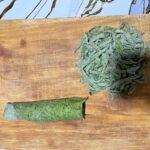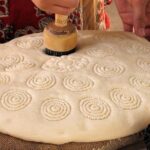
Khiva has a food you can spot from across the room. This Shivit oshi master class teaches you how to make the city’s signature bright-green dill noodles and pair them with a warm topping of meat and vegetables. I like the hands-on focus and the fact that you finish with a dish that feels very local to Khiva’s old city. One thing to keep in mind: if you have dietary needs (especially vegetarian), confirm details early, because the balance of noodle vs sauce work can vary by instructor and group.
The class runs about 60 minutes at Mirzaboshi (Tapas) Restaurant, and it’s taught in English or Russian by the team behind Asli Travel. You’ll get equipment, you’ll cook your own Shivit oshi, and you’ll have tea with it—simple, direct, and good value for the time. If you want a deep, multi-hour cooking journey, this is shorter than some classes, but it’s designed to be efficient and tasty.
In This Review
- Key Highlights You’ll Care About
- Shivit Oshi: The Khiva Dish That Looks Like It Belongs in a Photo
- Where the Class Happens at Mirzaboshi (Tapas) Restaurant
- The 60-Minute Flow: What You’ll Actually Do
- Shivit Osh Noodles: Dill, Color, and the First Big Payoff
- The Topping: Meat, Peppers, Tomatoes, Onions, Potatoes, and Carrots
- The Dairy Side: Yogurt or Sour Cream as the Balancer
- Tea + Equipment: The Small Details That Make It Feel Like a Meal
- Price and Value: Is $35 Worth One Hour?
- Who Should Book This Class (and Who Might Skip It)
- Getting the Most Out of Your Hour: What to Ask Before You Go
- Should You Book the Master Class on Shivit Osh in Khiva?
- FAQ
- How long is the Shivit Osh master class?
- Where is the class held?
- What dish do I learn to make?
- Is tea included?
- What is the price per person?
- What languages are the instructors?
- Is the class wheelchair accessible?
- What should I bring, and what if I’m vegetarian?
Key Highlights You’ll Care About
- Khiva’s signature Shivit oshi: bright green dill noodles paired with a hearty stew topping
- Hands-on master class: you’re not just watching from the sidelines
- Real local flavors: meat stew with peppers, tomatoes, onions, potatoes, and carrots
- Served the Khiva way: noodles topped and finished with a side of yogurt or sour cream
- Tea included: so the experience ends like a meal, not a demo
Shivit Oshi: The Khiva Dish That Looks Like It Belongs in a Photo
If you like food that’s both playful and serious, Shivit oshi delivers. The noodles are a striking green, infused with dill, and that color isn’t just for show—it comes with a fresh herbal note that makes the dish feel lighter than you might expect from a meat-topped bowl.
What I love about Shivit oshi is how it’s unmistakably Khiva. It’s traditionally served in Khiva and, in practical terms, you can find it on menus throughout the old city. Yet you won’t run into it elsewhere in Uzbekistan in the same way. That gives this class a clear purpose: you’re learning a local specialty that’s hard to replicate from memory back home.
The second reason it’s worth your time: the flavor structure. You get green dill noodles plus a warm topping of stewy vegetables and meat. It’s a balanced bowl—herby base, savory topping, and a cool dairy side that helps tie everything together.
You can also read our reviews of more tours and experiences in Khiva.

Where the Class Happens at Mirzaboshi (Tapas) Restaurant
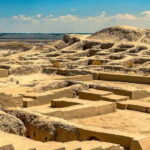
This master class takes place at Mirzaboshi (Tapas) Restaurant in Khiva. That matters more than it sounds. You’re not cooking in a remote studio where the kitchen feels detached from the real dining scene. You’re in a working restaurant environment, which usually means the tools are ready, the process is organized, and you’re likely to get a straightforward, food-first approach.
I also like that the activity is based in the Khorazm Region rather than a generic cooking stop. Khiva food isn’t “Uzbek cooking, general edition.” It has its own look and its own signature dishes, and this class is built around that specificity.
One small practical tip: come with comfortable clothes. Kitchens can be warm, and you’ll likely be close enough to the work area that you’ll feel the heat.
The 60-Minute Flow: What You’ll Actually Do
This is a one-hour class, so expect momentum. The goal isn’t to stretch cooking into a long evening. It’s to teach the core method and let you actively participate so you leave with real confidence, not just photos.
Here’s what your hour is built around: making Shivit oshi and understanding how the components fit together—green dill noodles plus the topping that sits over them.
In most cases, you’ll:
- Work with the dough/noodle process so you can genuinely say you made part of the dish
- Learn how the dill flavor works into the noodles, giving that signature color
- Help bring the dish together so you can serve it correctly (including the topping and the dairy side)
- Have tea as part of the session
Now, a key consideration. Some participants report that they did more of the noodle preparation than the stew or sauce work, and they spent more time watching during certain steps. That doesn’t mean you’ll have that exact experience every time. Still, if you care a lot about doing every component yourself, I’d ask ahead (or confirm on the day) how the kitchen divides tasks for your group.
Shivit Osh Noodles: Dill, Color, and the First Big Payoff
The headline ingredient here is dill in the noodles. The class isn’t just teaching you how to cook pasta-like noodles. It’s teaching a Khiva method where the dill and the noodle process create both the flavor and the bold green appearance.
I’d pay attention to the texture side of things—how the dough is handled, how the noodles are formed, and what cues the instructor gives you. Those cues are where most cooking classes either succeed or disappoint. When the instructor is good at guiding you, you don’t just follow steps; you learn what “right” feels like.
And that’s the first payoff of the class: you see (and taste) how the dill-infused noodles become the base of the whole bowl. Once that base is right, the topping becomes the satisfying, savory finish.
The Topping: Meat, Peppers, Tomatoes, Onions, Potatoes, and Carrots
The dish doesn’t stop at the noodles. Shivit oshi is topped with a stew-style mixture that brings comfort and depth. Expect a topping with meat, plus peppers, tomatoes, onions, potatoes, and carrots.
This part of the class is where you get the typical Khiva bowl shape and flavor rhythm: warm stew over cool dairy, with herbs anchoring everything. Even if your hands don’t spend equal time on every component, learning the ingredient mix is useful. It helps you understand what to look for if you ever try recreating the dish later.
Also, this topping is not a “thin broth” situation. Potatoes and carrots in particular suggest a thicker, more filling stew texture. So if you’re thinking of this class as a light snack, shift your expectations. It’s a proper meal.


The Dairy Side: Yogurt or Sour Cream as the Balancer
One of the smartest parts of Shivit oshi is how it’s served. You get the noodles topped with stew, and then a side of yogurt or sour cream.
This dairy element does real work. It cools down the warmth of the meat stew, softens acidity from tomatoes, and makes the dill taste feel brighter instead of muted. It also changes the mouthfeel. Instead of one temperature and one texture all in the bowl, you get contrast.
I like that the class includes the serving style, not just the cooking. Many cooking classes teach you ingredients but skip how locals assemble the final plate. Here, the dairy side is part of the dish’s identity.
Tea + Equipment: The Small Details That Make It Feel Like a Meal
Included in the experience:
- Use of equipment
- Shivit oshi recently prepared by you
- Tea
That equipment line matters because it signals you’ll be cooking with proper tools, not improvising. And “recently prepared by you” tells you the dish is made for you during the session, which is exactly how you want it when you’re paying for hands-on instruction.
Tea included is also a big deal in Central Asia style hospitality. It turns the session into something you can settle into. Even if you’re only there for an hour, you end with a warm drink and a bowl you helped make.
Price and Value: Is $35 Worth One Hour?
At about $35 per person for a roughly 60-minute master class, the value comes from what’s included and how focused the dish is.
You’re getting:
- A specific Khiva specialty (not a generic “Uzbek cooking” sampler)
- Hands-on participation built around noodles and assembly
- A meal you can eat right away (Shivit oshi)
- Tea, plus equipment support
If you compare that to paying for food in Khiva while also trying to learn something useful, this makes sense. You’re paying for instruction and for the ability to reproduce the core idea of the dish later—even if you can’t fully match Khiva’s local touch at home.
Where you should be cautious is if you’re expecting a perfect 50/50 split between noodle and stew work. The dish is made of multiple parts, and your participation might lean more toward one component depending on how the class runs. If you want to maximize your hands-on time, message them in advance about your preferences and dietary requirements.
Who Should Book This Class (and Who Might Skip It)
This is a strong fit if:
- You want a Khiva-only specialty that you can’t easily copy from other Uzbek menus
- You enjoy short, focused classes that end with eating your own food
- You like learning how flavor and color work together (dill-in-noodles is a great lesson)
It might be less ideal if:
- You need a very strict vegetarian setup and want full reassurance before you arrive
- You dislike classes where some steps may be handled more by the instructor to keep the timing on track
- You’re looking for a long, detailed cooking session with multiple dishes
A practical note: the instructor team is listed as English and Russian. If you have language preferences, plan your time accordingly so you don’t spend the hour translating your own questions.
Getting the Most Out of Your Hour: What to Ask Before You Go
Because the class is short, your questions matter. If you want maximum hands-on time, ask how tasks are divided in your group. If you have dietary needs, tell them early.
Here’s what I’d do:
- Ask how vegetarian requests are handled (especially since the dish is typically meat-topped)
- Confirm what you’ll be preparing yourself versus what the instructor will do
- Let them know if you’re bringing any other requirements beyond vegetarian
That way you’re not surprised when the stew step is cooking quickly and the instructor takes over a portion of it to keep things moving.
Should You Book the Master Class on Shivit Osh in Khiva?
Yes, if you want a true Khiva food experience that’s practical and ends with a plate you can feel good about eating. The green dill noodles and the topping-and-dairy balance make it memorable, and the format is efficient: one hour, one specialty, real instruction, tea included.
I’d book especially if you like focused activities during travel. In Khiva, time is valuable, and this class gives you something more personal than just eating out: you learn the method behind a dish that you’ll see again and again in the old city.
Skip or approach with extra confirmation if your diet is restrictive. If you’re vegetarian, make sure the team understands what you need before you show up, and confirm how the stew will be handled.
FAQ
How long is the Shivit Osh master class?
It lasts about 60 minutes.
Where is the class held?
The class is at Mirzaboshi (Tapas) Restaurant in Khiva.
What dish do I learn to make?
You learn Shivit oshi, the Khiva specialty with green dill noodles and a meat-vegetable topping, served with a side of yogurt or sour cream.
Is tea included?
Yes. Tea is included in the experience.
What is the price per person?
The price is $35 per person.
What languages are the instructors?
The instructor speaks English and Russian.
Is the class wheelchair accessible?
Yes, it’s wheelchair accessible.
What should I bring, and what if I’m vegetarian?
Bring comfortable clothes. If you are vegetarian or have other requirements, let them know early so they can make the master class more comfortable for you.
If you cancel, it offers free cancellation up to 24 hours in advance for a full refund.