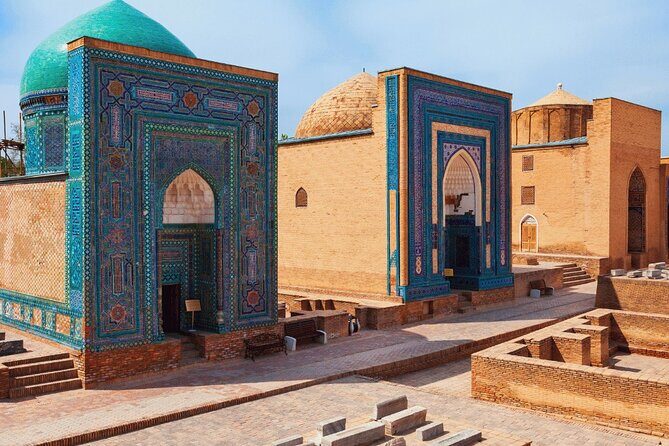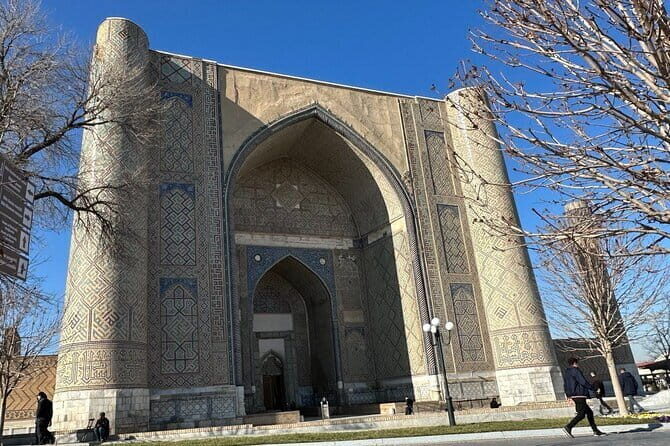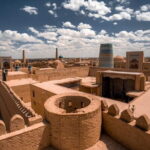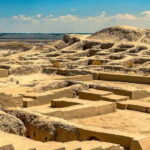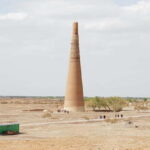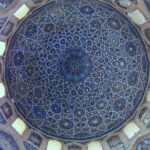
Khiva’s fortress walls reward slow wandering. In one day you can get the big-picture meaning of Itchan-Kala as a UNESCO site, then see how daily life, power, and faith were stacked inside the walls. I like that this is a private day with a certified guide, not a rushed group shuffle. You’ll get a guided pass through standout sites like madrasahs and palaces, plus time for a climb toward the minarets.
Two things I really like: first, the chance to understand the fortress through specific monuments, not just pretty buildings. You’ll see places such as Mukhammad Amin Khan Madrasah and Mukhammad Rahim Khan Madrasah, and it’s the kind of guided context that turns walls into a timeline. Second, you’re not stuck staring from ground level: the highlights include time connected to minaret climbing, which is where Khiva’s old city details suddenly make sense.
One thing to consider before you go: entrance fees and food/drinks are not included, so your day budget will be higher than the base price once you add tickets and lunch.
In This Review
- Quick reasons this Khiva private day tour works
- Khiva’s Itchan-Kala in a Single Day: What You’ll See
- Hotel Pickup to Fortress Time: How the Day Flows
- Madrasahs and Gates: Mukhammad Amin Khan and Mukhammad Rahim Khan
- Kalta-Minor and Kunya-Ark: Power, Design, and Political Centerpieces
- Juma Mosque and Tash-Khovli Palace: Faith and Royal Daily Life
- Pakhlavan Makhmud Mausoleum and Islam-Khoja Minaret Climb
- Eating Like a Local in Khiva: What to Budget
- Price Check: What $110 Covers (and What It Doesn’t)
- Guide Quality Matters: Multilingual, Professional, and Human
- Who This Tour Suits Best
- What to Bring for a Fortress Day
- Should You Book This Khiva Private Day Tour?
- FAQ
- Where does the Khiva Private Day Tour take place?
- How long is the tour?
- What’s included in the price?
- Are entrance fees included?
- Are food and drinks included?
- Is this a private tour?
- What languages are available for the live guide?
- Is it wheelchair accessible?
- Is free cancellation available?
Quick reasons this Khiva private day tour works
- UNESCO focus in one day: it’s built around Itchan-Kala’s most recognizable monuments.
- Certified guide time: you’re not just visiting; you’re understanding what you’re seeing.
- Minaret experience: you’ll get that “from up here” perspective on the fortress.
- Major named sites included: madrasahs, palaces, mosques, mausoleums, and more.
- Khiva food time: you’ll have a chance to explore local meals even though meals aren’t included.
Khiva’s Itchan-Kala in a Single Day: What You’ll See
Itchan-Kala is the part of Khiva that feels like it’s still in working memory. The walls, towers, and courtyards aren’t just scenery. They’re a way to read history in layers: education, politics, religion, and ordinary routines—all packed into one fortified area.
On this private day, your guide takes you through the key named structures tied to the fortress’s identity. You’ll spend time at the Mukhammad Amin Khan Madrasah, Mukhammad Rahim Khan Madrasah, Kalta-Minor, Kunya-Ark, the Juma Mosque, Tash-Khovli Palace, the Pakhlavan Makhmud Mausoleum, and the Minaret of Islam-Khoja, plus other related buildings inside the same complex.
If you’ve ever felt overwhelmed by UNESCO sites—too many buildings, too few links—this tour format helps. You get a guided framework so each stop answers a practical question: Who built it? Why here? What was it used for?
You can also read our reviews of more private tours in Khiva
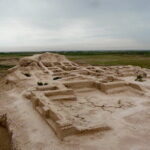
Hotel Pickup to Fortress Time: How the Day Flows
This tour includes hotel pickup and drop-off, which matters in Khiva. The old-city layout is compact, but you still want to avoid wasting energy figuring out logistics. A pickup also reduces the “where do I meet the guide?” stress that can eat into a short day.
Because the tour is valid 1 day and the starting times depend on availability, I suggest you check your time slot early and plan the rest of your day around it. This is the difference between feeling unhurried and feeling like you’re running to the next appointment.
Also note: it’s set up as a private group. That doesn’t just mean exclusivity. It usually means you can ask more questions, pause when something catches your eye, and keep your pacing reasonable inside the fortress walls.
Madrasahs and Gates: Mukhammad Amin Khan and Mukhammad Rahim Khan
Madrasahs in Itchan-Kala aren’t just architecture. They’re a statement about learning and prestige. When you visit the Mukhammad Amin Khan Madrasah and Mukhammad Rahim Khan Madrasah, you’re looking at how rulers put education at the center of city life.
Here’s why I think these stops are worth your attention: madrasahs are visually powerful, but they also help you understand the social structure of the city. A good guide makes the difference between seeing decorative facades and recognizing why they were built the way they were.
Practical tip: if you’re the kind of traveler who takes photos nonstop, madrasahs can tempt you into treating them like backdrops. Try slowing down for a few minutes and focus on details your guide points out—doorways, courtyard rhythm, and how the buildings relate to the movement inside the fortress.
Kalta-Minor and Kunya-Ark: Power, Design, and Political Centerpieces
Two of the biggest “wow” anchors in Itchan-Kala are Kalta-Minor and Kunya-Ark. Kalta-Minor is one of those structures that instantly communicates importance. Kunya-Ark, on the other hand, feels like the fortress’s political heartbeat—more than a monument, it reads like a command center.
When your guide connects these sites, the story becomes clearer. You start to see the planned layout: ceremonial spaces, authority symbols, and the way architecture reinforces hierarchy. It’s also where you’ll feel how Itchan-Kala worked as a controlled environment—less like an open neighborhood and more like a city designed to concentrate power.
If you like travel where buildings act like “clues,” you’ll enjoy this part. You’re basically learning to read the fortress the way locals did: not by memorizing facts, but by understanding function.
Juma Mosque and Tash-Khovli Palace: Faith and Royal Daily Life
The Juma Mosque brings the religious side into focus. A mosque isn’t only about worship; it’s also about community rhythm and the public face of devotion. With a guide, you can usually pick up what makes the Juma Mosque significant inside Itchan-Kala—how it relates to the surrounding structures and why it belongs at the center of city meaning.
Then you shift to Tash-Khovli Palace, which keeps things grounded in governance and elite life. Palace spaces often look beautiful, but the best payoff is learning what those spaces were designed to do—how they controlled access, directed movement, and communicated status.
This pairing (mosque plus palace) is smart for a one-day visit. It helps you avoid the common mistake of treating religion and royalty as separate chapters. Inside Itchan-Kala, they’re intertwined in the layout and the message.
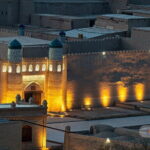
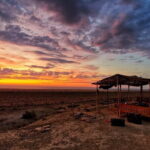
Pakhlavan Makhmud Mausoleum and Islam-Khoja Minaret Climb
Two stops in particular tend to be the highlight zone: Pakhlavan Makhmud Mausoleum and the Minaret of Islam-Khoja, including the tour’s minaret climbing experience.
I like mausoleum visits for a simple reason: they remind you that old cities aren’t only impressive because of rulers. They’re also remembered through people whose legacy became part of the city’s identity. A guide can help you see that emotional center—what the site meant and why it stayed important.
Then comes the minaret climb. Even if you’re not chasing heights for the sake of heights, getting up toward the minaret view changes the way you understand the fortress. From a higher vantage, streets and courtyards start behaving like a system, not a random collection of buildings.
Practical note: if you’re sensitive to stairs or uneven footing, mention it to your guide during the visit planning. The tour is wheelchair accessible, but the details of how movement works inside historic fortress areas can vary by route.
Eating Like a Local in Khiva: What to Budget
The experience includes time to explore local meals in Khiva, but it’s not an all-inclusive food tour. That’s important. Since food and drinks are not included, you should budget for lunch and any snacks you want during breaks.
This is also why having a guide matters for meals. In Khiva, it’s not only about finding a restaurant. It’s about timing and choosing something that fits what you want the day to feel like—quick bite versus longer sit-down.
My advice: plan to buy water and a simple lunch, then treat any extra dessert or tea as optional. You’ll have a smoother day, and you won’t feel forced to stretch your budget because you didn’t account for entrance tickets and meals.
Price Check: What $110 Covers (and What It Doesn’t)
The price is listed at $110 per group, shown as up to 1 traveler. On a normal day, that kind of pricing is only a good value if you truly want a private format with a guide who can work at your pace.
Here’s what you are getting:
- Hotel pickup and drop-off
- A professional certified guide
What you’re not getting:
- Entrance fees
- Food and drinks
So the real “value” question is whether you’ll use the guide time enough to justify the premium versus cheaper alternatives. If you want help reading the fortress—what each named site means, why it exists, and how it connects—this price starts making sense. If you mainly want photos with minimal explanation, you might feel the cost more.
Also, one small timing reality: because starting times depend on availability, make sure you understand what your booked time window actually means for the day. A short first window can make the outing feel like it ends sooner than you expected.
Guide Quality Matters: Multilingual, Professional, and Human
In my view, this is one of those tours where the guide can make or break the experience. The structure is good: major monuments, a UNESCO-focused route, and a minaret climb component. But your day becomes memorable when explanations are clear and the guide can tailor pace and language.
One guide name that stood out in the info you provided is Farida. Clients specifically praised Farida for being professional, engaging, and fluent in Italian. That’s a great sign if you want more than standard facts—you want someone who can translate the place into something you can actually follow.
Even if your guide isn’t Farida, the tour lists a wide range of available languages: Arabic, French, English, German, Italian, Japanese, Korean, Persian, Russian, Turkish, Traditional Chinese, and Spanish. If you care about comfort, choose the language first. You’ll understand more, and you’ll enjoy the fortress more.
Who This Tour Suits Best
I think this private day tour fits best if you:
- Have only one day in Khiva and want the main sights inside Itchan-Kala
- Prefer a guide who can explain what you’re seeing in your language
- Want a little “work” for your legs (walking around the fortress and tackling the minaret climb) in exchange for better understanding
- Travel as a solo traveler and value privacy more than sharing space
It may be less ideal if you’re trying to keep costs tight, because entrance fees and meals will add up. It’s also less ideal if you hate stairs or tight historic pathways, even though the tour is listed as wheelchair accessible. In that case, plan route flexibility with your guide.
What to Bring for a Fortress Day
You’re spending time inside a fortress area with lots of walking and plenty of stairs near the minaret. Bring comfortable shoes with good grip. Pack a light layer too—even in decent seasons, old-city structure and wind can make it feel colder than you expect.
Also bring a small amount of patience for “old place logistics.” Historic sites don’t operate like modern attractions. Paths can be uneven, and photo stops can happen in the middle of movement. A private guide helps you navigate that, but you’ll still want to keep a relaxed pace.
Should You Book This Khiva Private Day Tour?
If you want a focused one-day overview of Itchan-Kala, with a certified private guide and real time connected to the big monuments, I’d say this is a strong booking. The list of named sites is exactly what you hope for when you only have a day: madrasahs, royal spaces, mosques, mausoleums, and the Islam-Khoja minaret experience.
Book it if your priority is understanding, not just checking boxes. Skip it if your budget is strictly fixed around the base price, because entrance fees and meals are extra. And before you commit, confirm your planned starting time so the day length matches your expectations.
FAQ
Where does the Khiva Private Day Tour take place?
It takes place in the Khorazm Region of Uzbekistan, focused on Khiva and the Itchan-Kala Fortress area.
How long is the tour?
The tour duration is 1 day.
What’s included in the price?
Hotel pickup and drop-off are included, along with the service of a professional certified guide.
Are entrance fees included?
No. Entrance fees are not included.
Are food and drinks included?
No. Food and drinks are not included.
Is this a private tour?
Yes, it’s listed as a private group.
What languages are available for the live guide?
The guide language options include Arabic, French, English, German, Italian, Japanese, Korean, Persian, Russian, Turkish, Traditional Chinese, and Spanish.
Is it wheelchair accessible?
Yes, the tour is listed as wheelchair accessible.
Is free cancellation available?
Yes. You can cancel up to 24 hours in advance for a full refund.