REVIEW · KHIVA
Khiva Walking Tour
Book on GetYourGuide →Operated by Asli Travel · Bookable on GetYourGuide
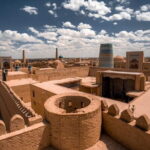
Khiva rewards slow feet. This walking tour threads the UNESCO-listed old city like an open-air storybook, with major sights grouped into one efficient route. I love how much ground you cover in just 4.5 hours, and I also like that you get a professional, multilingual guide who can explain what you’re seeing, not just point it out. The only real catch: entrance tickets for the monuments are not included, and that can mean paying more along the way.
You start at the main gate area on the western side, near Ata Darvaza, and the route is built around the city’s big names: minarets, medreses, the ancient citadel, and a palace complex tied to royal life. In a private setup (priced for a small group up to 2), you can ask questions and keep your pace. One consideration for hot-season visits: summer works best when you start earlier, since you’ll be on your feet for much of the tour.
In This Review
- Key things to know before you go
- Entering Khiva’s Old City From Ata Darvaza
- Muhammad Aminkhan Medrese: The Big Teacher in Town
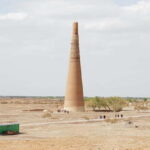
- Kalta Minor Minaret: Style and Symbol in One View
- Kunya Ark Citadel: Where Views Explain the Past
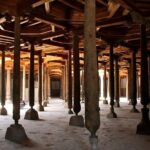
- Muhammad Rahimkhan II Medrese and Djuma Mosque’s Column Forest
- Tosh Hovli Palace: Harem Life, Receptions, and Hidden Connections
- Kutlug Murad Medrese: Surrealist Paintings in a Historic Setting
- Allakulikhan Medrese and East Gates: The City’s In-Between Corners
- Islamkhudja Complex: The Tallest Minaret and a Symbol You Can’t Miss
- Islamkhudja School: When Khiva Shifted Toward Modern Secular Learning
- Pahlavan Makhmud Complex: The Cherry on Top
- The Optional Local Bread Moment (When Luck Smiles)
- Price and Value: What $90 for a Small Group Really Buys
- Timing in Summer: Start Earlier and Save Your Energy
- What to Wear and Bring for a 4–5 Hour Walking Route
- Who This Tour Is Best For (and Who Might Want Something Different)
- Should You Book This Khiva Walking Tour?
- FAQ
- How long is the Khiva walking tour?
- Where do I meet the guide?
- What languages are available for the live guide?
- Is the entrance tickets to the monuments included?
- Are we allowed to go upstairs to the minarets?
- What should I wear and bring?
Key things to know before you go
- Ata Darvaza starting point: Easy to find at the western gate area on the ticket office side.
- Tall minaret focus: You’ll see the Islamkhodja minaret, the tallest in this region.
- Royal compounds, not just photos: Kunya Ark and Tosh Hovli bring the power of old Khiva into context.
- The carved-column wow factor: Djuma Mosque is famous for more than 120 carved columns.
- Art beyond the expected: Kutlug Murad medrese includes a surrealist paintings museum.
- Bread stop is optional luck: Clay-oven bread is not guaranteed, but it’s a fun local add-on when it happens.
Entering Khiva’s Old City From Ata Darvaza
You begin at the main gate area of Khiva’s old city, at the western gate known as Ata Darvaza, meeting at the ticket office. This matters because Khiva can feel like a maze until someone gives you the thread. A good guide helps you orient fast: where you are, why this gate mattered, and how the city’s layout shaped daily life.
This tour is designed for a concentrated visit—about 4–5 hours—so you’re not stuck doing long back-and-forth walks. It’s also a good choice if you want “major hits” without turning every stop into a separate half-day project. And since the guide is live and offered in English, Russian, French, and German, you can match your language comfort level to your learning style.
One small practical note: upstairs access to minarets is not included, so plan your expectations around viewing from ground level and courtyards.
You can also read our reviews of more walking tours in Khiva
Muhammad Aminkhan Medrese: The Big Teacher in Town
First up is Muhammad Aminkhan medrese, described as the largest in this territory. Medreses in Khiva aren’t just buildings—they’re institutions. Your guide’s job here is to connect architecture to purpose: study, schooling, prestige, and religious authority.
What I like about starting with the biggest medrese is that it sets the tone. After you see how impressive the major learning complexes are, the smaller ones around the city start to make more sense. You’ll likely notice patterns in layout and decoration, and you’ll understand why these places were built to last—and to project power.
A watch-out is the general Khiva reality: you’ll be walking between courtyards and entrances, and the pace is steady. Wear shoes you trust.
Kalta Minor Minaret: Style and Symbol in One View
Next is the Kalta Minor minaret. Even if you already know the name, what you’re really doing here is reading the city’s visual vocabulary: tall forms that declare importance, ornament that signals status, and a silhouette that defines Khiva’s skyline.
Because this tour includes seeing sights from street and courtyard level (and not the “upstairs to minarets” add-on), you’ll get the key visual impact without extra climbing. That’s a plus for many people—especially if you want to save energy for the next stops, like the citadel and palace compounds.
Kunya Ark Citadel: Where Views Explain the Past
Then you move into Kunya Ark, the ancient citadel. It’s more than a landmark; it’s a command center. Your tour includes the main areas connected to its life in different seasons—so you can picture how rulers and officials used these spaces.
In Kunya Ark, you’re set up to understand three things at once:
- Panoramic views over the old city (useful for grasping layout)
- The coinage yard, which grounds the story in economics and power
- The summer and winter Khan reception areas, which show how rule worked year-round
This stop is where the city stops being “architecture” and starts being “how people lived.” If you’ve ever wondered how rulers managed both ceremony and everyday governance, this is your answer.
Muhammad Rahimkhan II Medrese and Djuma Mosque’s Column Forest
After the citadel, you continue to Muhammad Rahimkhan II medrese. Like the earlier medrese, it’s part of the city’s education-and-authority theme. The medreses also help you track artistic and structural styles as you move through the route, instead of seeing each building as an isolated photo spot.
Then comes Djuma Mosque, known for its more than 120 carved columns. This is one of those sights where your brain wants to count details. Don’t rush it. Columns like these aren’t random decoration—they’re a statement about craft, faith, and community identity.
A realistic consideration: mosques and medreses can mean waiting at entrances and paying separate monument fees (since tickets are not included). This won’t ruin the tour, but it can slow you slightly. The payoff is that once you’re inside, the carved work becomes the story.
Tosh Hovli Palace: Harem Life, Receptions, and Hidden Connections
Tosh Hovli Palace is where the tour goes from public to personal power. This is the second Khan palace with a harem and both summer and winter receptions—so you’re not only seeing where decisions were made, you’re seeing how domestic life and governance overlapped.
The palace also includes standout extras:
- A secret corridor
- A Special Reception
- A gift carriage of Tsar Alexander III
Even without “big museum” explanations, items like the carriage help you understand Khiva’s connections beyond local walls. Your guide can connect these references to how external relationships and internal authority were displayed.
If you prefer narrative sites—places with secrets, routines, and human-scale details—this is one of the strongest stops on the route.
Kutlug Murad Medrese: Surrealist Paintings in a Historic Setting
You’ll visit Kutlug Murad medrese, described as a museum of surrealist paintings. That contrast is genuinely interesting: the city’s older religious and educational buildings sit beside a modern art theme. It changes your perspective and prevents the day from feeling like one long repetition of ornate stones.
For me, this is the kind of stop that makes a guided tour worth it. Without context, surrealist art inside a historic medrese could feel random. With a good guide, it becomes a thoughtful pause—proof that Khiva’s cultural identity doesn’t only live in the distant past.
Allakulikhan Medrese and East Gates: The City’s In-Between Corners
Next are Allakulikhan medrese and the East Gates, along with the Said Niyaz mosque and medrese. These “in-between” stops are valuable because they help you understand the flow of the city: where people entered, where they worshipped, and how education and religion were woven into daily movement.
If you love architectural variety, these are your “notice the details” moments. If you’re the type who gets tired by too many similar facades, this part works best when you let your guide point out differences in layout and decoration rather than trying to memorize every name.
Islamkhudja Complex: The Tallest Minaret and a Symbol You Can’t Miss
Then you hit the Islamkhudja complex, called a symbol of Khiva. This stop is built around three key elements:
- A medrese-applied art museum
- The Islamkhudja minaret, the tallest minaret in this region
- An overall visual and cultural statement tied to how Khiva defined itself
The tallest-minaret part matters because it anchors your mental map. You can use it later as your reference point—turning the skyline into a navigational tool, not just a pretty view.
Also, the art museum connection adds depth. Instead of only seeing religious buildings, you see how craftsmanship and design traditions were collected and displayed.
Islamkhudja School: When Khiva Shifted Toward Modern Secular Learning
After the complex, you visit the Islamkhudja school, described as the first modern and secular school. This is a pivot moment in the tour. It broadens the story beyond strictly religious institutions and helps you see a different side of Khiva’s development.
It’s also a great reminder that cities change. A place can be “traditional” in architecture and still evolve in education and ideas.
Pahlavan Makhmud Complex: The Cherry on Top
You finish with the Pahlavan Makhmud complex, described as the cherry on the cake. That wording is telling: it’s a closing stop meant to tie the day’s themes together—power, identity, and the people and institutions Khiva chose to honor.
By this point, you’ll have walked through medreses, mosques, palace spaces, and the citadel. The complex gives your mind a final place to land.
The Optional Local Bread Moment (When Luck Smiles)
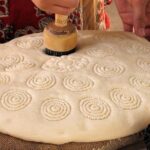
Along the way, there’s an opportunity to see how local bread is prepared in a clay oven. It’s not guaranteed, because it depends on luck. Still, it’s the kind of small moment that makes a tour feel lived-in rather than staged.
If it happens for your group, watch the process slowly. This is the easy, human side of travel—hands, heat, timing, and routine.
Price and Value: What $90 for a Small Group Really Buys
This tour costs $90 per group up to 2 for about 4.5 hours. That price is mostly paying for two things: your time in Khiva with a professional guide and the route planning that keeps you moving efficiently through the old city’s key monuments.
What’s not included is where most of the realistic budgeting comes in: entrance tickets for multiple objects. So the true cost depends on which monuments you’ll enter and what ticket fees are currently required.
The value is strongest if:
- You want a private group experience (better questions, less waiting around)
- You want a guide who can explain history and customs in your language
- You like seeing a full “high-impact route” without splitting your day
The trade-off: if you’re traveling solo and still want private guiding, this price is structured for small groups, so check whether you can join your preferred departure time with your party size.
Timing in Summer: Start Earlier and Save Your Energy
The starting time depends on what you choose when booking, and the tour specifically notes that summer is recommended to start earlier. You’ll understand why once you’re walking courtyards and heading between compounds. Even if Khiva is cooler than some desert cities at certain hours, you’re still on foot.
Practical tip: if you have flexibility, pick an earlier start time. It helps you enjoy the architecture without rushing or feeling overheated.
What to Wear and Bring for a 4–5 Hour Walking Route
Bring comfortable shoes and comfortable clothes. That’s not “tourist advice,” it’s survival advice for walking through old-city lanes and courtyard transitions.
You’ll also want to plan for sun and water, even though that’s not listed in the essentials. This route is not a quick museum loop.
Smoking indoors is not allowed, so keep that in mind as well.
Who This Tour Is Best For (and Who Might Want Something Different)
This tour shines for you if you:
- Want a focused day hitting the big monuments in Khiva’s old city
- Like guided context on customs, history, and what you’re seeing
- Travel with a small group and want private pacing
You might want a different format if:
- You don’t want to pay separate monument entrance fees for multiple stops
- You’re hoping for minaret climbs, since upstairs to minarets is not part of this plan
- You dislike walking for extended stretches in warm weather
Also, since it’s wheelchair accessible, it’s designed with mobility needs in mind—though you should still expect that any historic district can have uneven spots. The tour is set up to be accessible, but your comfort will still depend on your own needs.
Should You Book This Khiva Walking Tour?
If you want the fastest path to understanding Khiva’s major monuments, I’d book it. The structure is smart: citadel to mosques to palace life to art and education, all in one coherent loop. The tour is also priced for small groups, so it can be a good value when shared between two people—especially if you’ll actually use the guide’s language skills and explanations.
The main reason to hesitate is simple: entrance tickets aren’t included, and that changes the total spend. If you’re okay planning for multiple monument fees, you’ll likely feel you got your money’s worth in one well-built day.
FAQ
How long is the Khiva walking tour?
It runs about 4.5 hours (the description allows 4–5 hours depending on timing and the start you choose).
Where do I meet the guide?
You meet at the ticket office at the main gates of the city, on the western gate side (Ata Darvaza).
What languages are available for the live guide?
The guide is available in English, Russian, French, and German.
Is the entrance tickets to the monuments included?
No. Entrance tickets for the specified objects are not included, and you’ll pay multiple tickets along the way.
Are we allowed to go upstairs to the minarets?
Upstairs to minarets is not included.
What should I wear and bring?
Wear comfortable shoes and comfortable clothes, since it’s a walking route across multiple sites.