Tashkent is a city of layers. On this walk, I love how different eras sit side by side, and you really feel it with Chorsu Bazaar atmosphere plus Tashkent Metro stations that read like an underground museum. The guide ties it together with clear context for what you’re seeing, from modern civic spaces to older religious landmarks.
One thing to plan for: the schedule is listed at 5 hours, but if you’re into photos, shopping, and extra questions, it can run longer (around 6–7 hours).
In This Review
- Key points to know before you go
- Tashkent in One Walk: Modern Squares, Tsarist Echoes, and the Old Bazaar
- Getting Started at Hotel Uzbekistan (And Why Timing Matters)
- Amir Timur Square: The Heart of Modern Tashkent
- Broadway Alley Sayilgoh: A Tsarist Past Hidden in Plain Sight
- The Palace of Grand Duke Nicholas Constantinovich: Tsarist-Style Architecture Check
- Navoi Opera Theater and Independence Square: Neoclassicism Meets National Identity
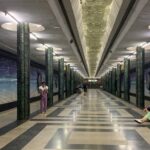
- Metro Tashkent: The Underground Museum Stops That Won’t Repeat Themselves
- Alisher Navoi Area and the Walk Into Everyday Tashkent
- Chorsu Bazaar: Old City Atmosphere and a Practical Food Market Stop
- Hazrati Imam Complex: Pilgrimage Space, Madrassas, and a Qur’an Manuscript Detail
- Which Parts Are Likely to Take the Most Time?
- Guides Can Make or Break the Day: Ali, Muhammad, Ibrohim, Nuriddin, Samandar
- Price and Value: What $90 Gets You (And What to Budget Extra)
- When This Tour Is the Best Fit
- Should You Book the Tashkent Walking City Tour?
- FAQ
- Where does the tour start?
- What’s the recommended way to get to the meeting point by metro?
- How long is the tour?
- Is the tour mostly walking?
- What language options are available for the guide?
- Are entrance tickets included?
- Is skipping the ticket line included?
- Do I need to bring anything?
- Is the tour wheelchair accessible?
- Can the start time be changed?
- Is there free cancellation?
Key points to know before you go
- Private group, small scale: priced for up to 2 people, so you’re not stuck in a crowd.
- Architectural mix in one route: modern squares, tsarist-style monuments, and old-city religious complexes.
- Chorsu Bazaar time is real: not just a quick look—there’s a food market stop and shopping opportunities.
- Metro time feels special: Tashkent Metro stations are known for never repeating their design.
- Guides can tailor the pace: many guides adjust timing if you need to end sooner or move more slowly.
- You’ll use practical on-the-ground help: guides help with directions and often assist when talking with locals.
Tashkent in One Walk: Modern Squares, Tsarist Echoes, and the Old Bazaar
Tashkent surprises people because it doesn’t fit neatly into one “Uzbek city” image. You get a blend of old traditions and an almost Europeanized modern layout, alongside monuments and architectural choices that reflect tsarist Russia’s era of influence.
That mix is the whole point of this tour. You’re not just sightseeing—you’re learning how Tashkent has re-used space over time, changing meanings while the city fabric keeps the memory.
Two standout moments for me are the way the walk anchors you in daily life at Chorsu Bazaar, and the way the Metro turns a transit system into a culture stop. If you like seeing how people actually move and shop, this tour fits.
You can also read our reviews of more walking tours in Tashkent

Getting Started at Hotel Uzbekistan (And Why Timing Matters)
Your meeting point is Hotel Uzbekistan, which is easy to reach and also a helpful landmark. If you’re coming by metro, take the red line and get off at Amir Timur station, then walk toward the hotel. If you prefer walking, the area is set up so that you can reach it from many directions.
Start time depends on what you book, and in summer it’s recommended to begin earlier. That matters because you’ll be on your feet for a good chunk of the day, plus you’ll want time for photos and pauses.
What I’d do: wear comfortable shoes, bring a scarf, and plan to hydrate like it’s a walk with intention, not just a casual stroll.
Amir Timur Square: The Heart of Modern Tashkent
This is where the story of modern Tashkent starts. Amir Timur Square is the civic center, and it connects education and finance (the early presence of the first University and the Bank of Central Asia is part of the square’s background).
You’ll also hear how the square has been reshaped by politics. There were monuments to figures associated with Stalinist and Marxist periods, and later the square’s focus shifted to Tamerlane. Even if you don’t love politics, this is a fast way to understand why Tashkent feels like layers, not a single timeline.
Expect a photo stop and guided tour here, with enough context that you won’t just see statues—you’ll understand what era each one belongs to.
Broadway Alley Sayilgoh: A Tsarist Past Hidden in Plain Sight
Next comes Sayilgoh, often compared to Tashkent’s Broadway-style promenade. The interesting part is not the walk itself—it’s the transformation behind it.
This area used to be swampy. Then Governor-General Von Kaufman pushed it into something closer to a designed urban square for tsarist soldiers and their families, and local residents were allowed in as well. That small detail explains why the space feels both official and lived-in.
It’s a great stop if you like urban history. A promenade can be just “a street,” but here it becomes proof that city planning was a political tool.
The Palace of Grand Duke Nicholas Constantinovich: Tsarist-Style Architecture Check
You’ll stop for photos and a guided look at the palace of Grand Duke Nicholas Constantinovich. This is one of those moments where architecture does the talking.
The tour frames it as part of the broader tsarist imprint visible in the city. Even if you can’t go inside (entrance tickets aren’t included), you’ll still get value from seeing the building from the right angles and hearing what makes it historically significant.
If you’re an architecture person, this is the kind of stop that sharpens your eye for later details—especially when you compare it to religious sites afterward.
You can also read our reviews of more city tours in Tashkent
Navoi Opera Theater and Independence Square: Neoclassicism Meets National Identity
Tashkent’s major performing arts landmark is Alisher Nava’i Opera Theater—described as the first opera and ballet theater in Central Asia. The guide also highlights how it blends folk art elements with neoclassicism, which is a nice reminder that “modern” in Tashkent isn’t all glass towers and straight lines.
From there, you’ll reach Independence Square (Mustaqilliq Maidoni). This is the main square of Uzbekistan, today tied to administrative offices like the Cabinet and the Senate.
Here’s the historical twist you’ll hear: the square once served as an administrative center for Russian tsarist and communist regimes. That shift—from imperial and Soviet governance to independence symbolism—sums up what you’re experiencing throughout the day.
Take your time here with photos. This is the part of the tour where Tashkent feels confident and official.
Metro Tashkent: The Underground Museum Stops That Won’t Repeat Themselves
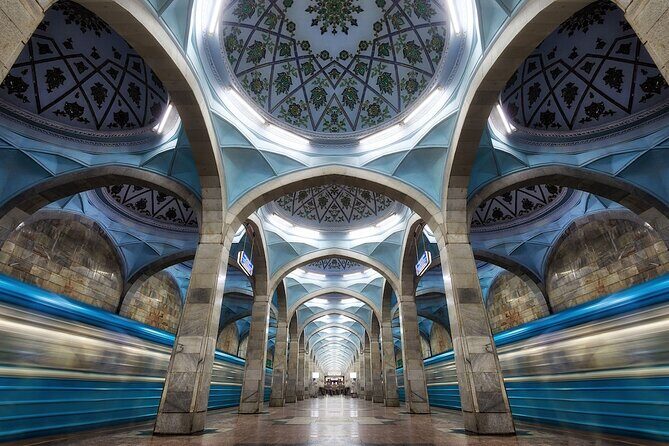
One of the biggest reasons to do this tour early in your trip is the Metro factor. The Tashkent Metro is often called an underground museum, and the guide explains why: no two stations repeat the decor. Each stop has its own shapes and design approach.
This is also one of the attractions that helps you understand the city’s creative priorities. A metro is usually about efficiency. In Tashkent, it becomes a gallery you ride through.
If you’re planning your days around sightseeing, this Metro time is a smart move. It’s weather-proof compared to outdoor walking, and it gives you a fresh “wow” moment between squares and bazaars.
Alisher Navoi Area and the Walk Into Everyday Tashkent
After the big civic stops, the route keeps moving with more city texture. You’ll spend time around the Alisher Navoi area with guided sightseeing and photo breaks.
This portion helps bridge the gap between grand architecture and daily life. You’re still getting context, but you’re also seeing how the city’s layout shapes your movement—where people pause, how streets connect, and what the city feels like beyond the main monuments.
If you’re someone who gets restless after too many formal squares, this is a good pacing reset.
Chorsu Bazaar: Old City Atmosphere and a Practical Food Market Stop
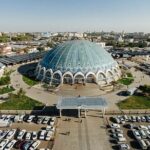
Then comes the star for many first-time visitors: Chorsu Bazaar. It’s called one of the oldest bazaars in Uzbekistan, and it’s framed as the heartbeat of the old city—where an eastern market atmosphere is still very present.
This stop isn’t just visual. You’ll have time for guided exploration and a food market visit, plus a chance to shop.
Practical advice that matters here:
- Bring some cash for what you might want to buy or taste.
- Pace yourself. Bazaars can be sensory overload fast, even with a guide helping.
- If you want souvenirs, remember that the guide can help with negotiation, but you should still treat prices with a careful eye.
I also like that this part of the tour teaches you how to read a bazaar. You’re not just buying things—you’re learning what people come for and how the market organizes itself.
Hazrati Imam Complex: Pilgrimage Space, Madrassas, and a Qur’an Manuscript Detail
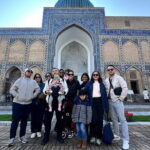
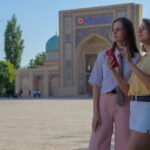
The final major highlight is the Hazrati Imam historical-architectural complex. This is described as the most important pilgrimage place in the city.
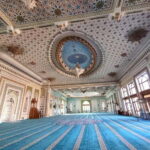
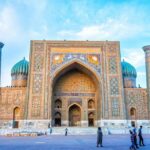
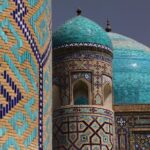
You’ll see madrassas Barakhan and Tillesheyh, plus mosques and a mausoleum associated with one of the early imams of Tashkent. If you’re visiting with respect and you dress for mosques, this is where the tour shifts from architecture and shopping to spirituality and devotion.
One very specific detail you’ll hear here is about Holy Koran manuscripts: this site is home to the only one in Central Asia and one of the four manuscripts of the Holy Koran dating to the 7th century. That’s the kind of fact that changes your perception once you’re standing there.
Expect photo stops and guided touring, plus free time for shopping. The combination is useful: you get context first, then you decide what you want to do with it.
If you’re sensitive to crowds, go slower during the free time and focus on questions you’d actually ask locals.
Which Parts Are Likely to Take the Most Time?
This tour is designed for about 5 hours, but you should be realistic. When you add frequent photo stops, Metro time, bazaar browsing, and shopping at Hazrati Imam, the day can stretch.
In my planning, I’d treat 5 hours as the minimum and assume you might land closer to 6–7 hours if you’re enjoying the conversations and not rushing.
Also, entrance tickets aren’t included, so if you choose to add specific paid entries at any stop, that can take time and cost.
Guides Can Make or Break the Day: Ali, Muhammad, Ibrohim, Nuriddin, Samandar
The most consistent praise across guides is simple: they make the city understandable. You’re not handed a list—you’re given stories tied to places.
I’ve seen standout feedback for several names:
- Ali (Germany) impressed with history, culture, and religion context.
- Muhammad (Thailand) stood out for empathy and clear explanations.
- Ibrohim (Ireland/others) earned praise for kindness, professionalism, and a real love for the work.
- Nuriddin (United States) helped with detailed explanations and a friendly pace.
- Samandar (Japan) was highlighted for fluent English and clear interpretation of differences between Tashkent and Samarkand; one review also mentioned a panoramic moment at the start.
- Sardar showed up in one case when there was confusion about guide language timing, reminding me to confirm your language needs at booking.
If you get a guide like these, you’ll likely appreciate the way they handle questions. One of the best signs is when they don’t rush your curiosity.
Price and Value: What $90 Gets You (And What to Budget Extra)
The price is $90 per group up to 2 for a 5-hour walking-based tour. That pricing structure matters because it’s private and small-scale, not a big bus situation. For two people, it can feel like good value—especially if you’re comparing it to paying for guide time separately.
What’s included:
- A professional live guide in English, Spanish, French, German, or Russian
- Private group setup
- Wheelchair accessibility (the tour notes it)
- A guide who can help with skipping the ticket line where applicable
What you should budget extra for:
- Entrance tickets (not included)
- Personal expenses
- Shopping and food at the bazaar (cash helps)
- Any optional transport you add on your own afterward, if needed
One more practical point: if you’re coming from a hotel outside the meeting area, walking might be easiest to adjust. The tour is designed around the Hotel Uzbekistan area, so that central start helps you keep logistics simple.
When This Tour Is the Best Fit
This tour is a great match if you:
- Want an efficient first-day orientation to Tashkent
- Like history that’s explained through buildings and squares, not just dates
- Enjoy markets and want time at a real bazaar, not a quick photo stop
- Prefer a private, question-friendly guide experience
It’s also a good choice if you’re curious about religious architecture and want specific context for Hazrati Imam, including the manuscript detail.
If you hate walking in heat, you’ll need to be strategic. Start earlier, bring a scarf, and ask your guide to pace you.
Should You Book the Tashkent Walking City Tour?
Yes—if you want the city’s big contrasts in a single day and you like learning while you walk. The mix of major squares, tsarist-era architectural touches, a Metro stop with real design personality, and Chorsu Bazaar time makes it more useful than a “see-and-snap” tour.
I’d especially recommend it for couples and small groups because the private format helps you move at a comfortable speed. Just plan for it to run a bit long if you’re the type to ask questions, browse the bazaar, and take your time with photos.
FAQ
Where does the tour start?
It starts at Hotel Uzbekistan in Tashkent.
What’s the recommended way to get to the meeting point by metro?
Take the red line to Amir Timur station, then walk toward Hotel Uzbekistan.
How long is the tour?
The tour is scheduled for 5 hours.
Is the tour mostly walking?
Yes, it’s described as a walking city tour with stops across central Tashkent.
What language options are available for the guide?
The guide is available in English, Spanish, French, German, and Russian.
Are entrance tickets included?
No. Entrance tickets are not included.
Is skipping the ticket line included?
Yes, the tour includes skipping the ticket line.
Do I need to bring anything?
Bring comfortable shoes and comfortable clothes, and a scarf is recommended.
Is the tour wheelchair accessible?
Yes, the tour is listed as wheelchair accessible.
Can the start time be changed?
Start time is as indicated when booking, but it can be changed by request of the traveler.
Is there free cancellation?
You can cancel up to 24 hours in advance for a full refund.