Solar secrets near Tashkent, in one day.
I love how the Sun Heliocomplex turns a scary Cold War artifact into something you can actually understand—especially with a guide like Sadoqat, who explains clearly and speaks excellent English. I also like the change of pace: after the complex, you get a light walk in the protected Sukok forest area along spring water and pine trees. One drawback to plan around: the Heliocomplex entry isn’t listed as included in all details, so you should confirm what you’ll pay on the day.
This trip runs on an around-08:00 departure schedule and covers Tashkent, the heliocomplex area, and the Sukok forest region before heading back. You travel in an air-conditioned vehicle with a professional escort guide, and it’s set up as a private group activity for your party.
In This Review
- Key highlights to look for
- A Cold War solar factory you can visit near Tashkent
- Getting there: the 40 km drive and how it shapes your day
- Entering the Sun Heliocomplex: what you’ll learn in about an hour
- A real tip before you go
- Sukok village stop: kebabs, local rhythm, and a reset for lunch
- Sukok Forest and the botanical area: the 5 km gentle walk
- What to bring (so the walk feels easy)
- Price and value: does $104 make sense for what you get?
- Who should book this tour (and who might not)
- Should you book the Institute of the Sun and Remnants of USSR?
- FAQ
- What time does the tour depart from Tashkent?
- Is pickup offered from within Tashkent?
- How long is the tour overall?
- What’s included in the tour price?
- Do I pay extra to enter the Heliocomplex?
- What kind of walk is planned in the forest?
- Is free cancellation available?
Key highlights to look for
- A rare Cold War solar site: one of only two similar constructions worldwide (France and Tashkent)
- Research-style explanations: you’ll meet a researcher during the visit and learn what the complex was for
- Gentle nature time: a light, about 5 km round trip walk by spring water
- Protected forest and pine: the area is government-protected and includes water sources
- Local food stop in Sukok: easy lunch timing near famous kebab spots (at your own expense)
- Smooth, punctual outing: guidance and transport are set up so the day moves fast but not rushed
A Cold War solar factory you can visit near Tashkent
The Heliocomplex called the Institute of the Sun feels like two things at once: a piece of Soviet-era ambition, and a real-world place where people still go to learn. During this tour, you’re not just looking at old structures—you get context for what it did and why it mattered during the Cold War.
This is also why the morning start works. When you arrive at the site with fresh energy, the explanations land better, and you’re not thinking about lunch yet. After that, the day shifts in a smart way: you leave the heavy, industrial mood and head into the Sukok area for forest air and a walk that’s not too demanding.
If you like travel that mixes science, politics, and scenery, this one has the right ingredients.
You can also read our reviews of more tours and experiences in Tashkent.

Getting there: the 40 km drive and how it shapes your day
Most of your time is a simple equation: travel + short stops + one real nature walk. The heliocomplex is about 40 km from Tashkent, roughly one hour away depending on roads and timing. That drive isn’t a problem, but it does mean you’ll want to be ready early.
The tour runs about 5 to 7 hours, so you shouldn’t expect a slow, lingering day. Instead, it’s designed like a well-run circuit: depart in the morning, spend about an hour at the heliocomplex, then move on to the Sukok village and forest areas, and return to the city.
A practical note: you’ll be in a vehicle with a guide and a set schedule, so bring the basics for a day outdoors—comfortable shoes for the walk and something for sun or light shade. The hike level is listed as light, but your feet still do the work.
Entering the Sun Heliocomplex: what you’ll learn in about an hour
The highlight here is the actual visit to the Sun Heliocomplex. You’ll depart Tashkent for the institute area and then spend about one hour at the complex with help from a researcher and your escort guide.
What I find genuinely interesting is that the site is framed as functional, not just symbolic. During the explanation, you learn what the complex was responsible for—how it produced materials for spacecraft-related work. That kind of detail is what turns a “Soviet relic” into a story you can hold in your head.
The scale also hits you. Even if you don’t know anything about solar power or Cold War engineering, the size and purpose of the structures give you a fast visual anchor. One of the best parts is language support: one guide experience in Japanese showed how helpful the human side can be, and another guide experience in English (Sadoqat) shows you’ll likely be able to follow the story without translation stress.
Photos and video aren’t included as a service, so if you care about getting good images, plan to use your own camera/phone rather than expecting pro gear.
A real tip before you go
This is one of those places where the explanation matters. If you have questions—about how it worked, why it was built, or what the site’s role became—ask early in the hour. You’ll get the most out of the time you have.
Sukok village stop: kebabs, local rhythm, and a reset for lunch
After the morning visit, you head toward Sukok. The tour includes time in the area with a lunch option in local restaurants that are known for kebabs.
This stop is valuable because it’s not just food as a checkbox. Sukok gives you a local pace change after the technical morning. Also, it breaks up the day so the forest walk doesn’t happen on an empty stomach.
One consideration: lunch is not included as part of the program cost you pay for the tour. So budget for your meal separately. Think of this as part of the value equation—you’re paying for transport and guiding, and you buy your own lunch like a local.
If you’re the type who wants variety, you’ll likely have choices in the restaurants nearby. If you’re the type who just wants something easy and filling before a walk, ordering kebab-based food is a safe move here.
Sukok Forest and the botanical area: the 5 km gentle walk
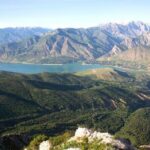
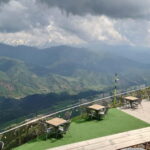
Then comes the part that feels like a reward. You move from village time into a protected nature area called the Sukok Forest, which is also described as the Russian forest in Uzbekistan. This place is government-protected, so you’re walking in a space that’s managed rather than random roadside scenery.
The planned nature time includes a walk through the forest and onward to spring water. The walk is described as about 5 km round trip with a light effort level. That’s not a mountain trek, but it’s long enough that your body will feel it by the end. Expect a steady, comfortable pace rather than something strenuous.
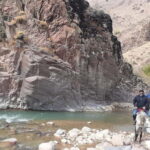
You’ll also see the kind of detail that makes botanical areas worth visiting—water sources and pine forest elements are mentioned as part of what you’ll encounter. After lunch, the route returns along the bank of the stream, so you get a guided sense of direction and a calmer feel on the way back.
One thing to plan for: a picnic in the forest is mentioned as part of the experience idea, but it’s not included. If you want to turn the day into a longer outdoor break, bring your own picnic supplies or plan for snacks you buy separately. Otherwise, enjoy the walk as the main outdoor event and keep lunch handled around Sukok.
What to bring (so the walk feels easy)
- Comfortable walking shoes you trust
- Water, especially if you run warm
- Sun protection (hat, sunglasses, light layer)
- Your camera/phone for stream and forest shots
Price and value: does $104 make sense for what you get?
At $104, the tour is priced like a budget-friendly half-day with real activities—not just transport to a site and back. Here’s how the value adds up based on what’s included:
You get:
- a professional escort guide
- an air-conditioned vehicle
- entrance to the botanical garden/protected area (listed as included)
- all fees and taxes
You do not get:
- Heliocomplex entrance (listed as not included in one part of the details)
- picnic/lunch costs
- professional photo/video services
So the value depends on one detail: how the Heliocomplex admission is handled for your specific booking. The tour summary suggests admission might be included, but the inclusion list says entrance to the heliocomplex isn’t included. That discrepancy is worth clarifying at booking time, because it changes the true total cost.
If the heliocomplex entry is covered for you, then $104 looks like strong value: you’re paying for guided access, vehicle time, and managed nature entry. If it’s extra, you’ll still be paying fairly for the guide + transport, but your total day cost rises.
Either way, you’re getting a structured combo day: one technical cultural stop plus one nature walk plus a local lunch stop.
Who should book this tour (and who might not)
This is a good fit if you:
- like unusual tech and Cold War era sites presented in plain language
- want a guided forest walk that doesn’t require hiking fitness training
- enjoy learning from guides who can explain and answer questions (Sadoqat’s English support is a standout example from the experience set)
- want an outing that mixes city, science, and outdoors without a full day of commuting
You might skip or reconsider if you:
- dislike any walking at all. The forest route is light, but it’s still about 5 km round trip.
- only want one single “major attraction.” This is truly a circuit: heliocomplex in the morning, then nature and lunch.
It also works well for visitors who want local perspective. One experience included a long conversation about life in Uzbekistan during the day, and that’s the kind of human detail that makes tours like this feel more like a day with guides than a checklist.
Should you book the Institute of the Sun and Remnants of USSR?
If you want something different from the usual Tashkent routine, I’d book it. The combination is smart: you learn about a rare Soviet-era solar project, then you get out into a protected pine-and-water nature area with an easy walk. The day feels designed for variety, not just ticking boxes.
Just do two things before you go. First, confirm whether Heliocomplex entrance is included for your specific booking. Second, set aside budget for lunch and any extras you want on the forest side, since those aren’t listed as included.
If you get those details straight, this becomes a great-value day: informative, active enough to feel like you went somewhere, and grounded in real places near Tashkent.
FAQ
What time does the tour depart from Tashkent?
The departure time is listed as 08:00 from Tashkent.
Is pickup offered from within Tashkent?
Pickup is offered, and the tour uses an air-conditioned vehicle.
How long is the tour overall?
The duration is listed as approximately 5 to 7 hours.
What’s included in the tour price?
Included items are a professional escort guide, air-conditioned vehicle, entrance to the botanical garden area, and all fees and taxes.
Do I pay extra to enter the Heliocomplex?
The details provided include a possible mismatch: the tour summary mentions admission ticket included, but the included list says entrance in Heliocomplex is not included. Confirm your exact inclusions at booking.
What kind of walk is planned in the forest?
You’ll walk through the forest to spring water on a route described as about 5 km round trip with a light level.
Is free cancellation available?
Yes. Free cancellation is offered up to 24 hours in advance for a full refund.