REVIEW · TASHKENT
Private Tashkent City Tour
Book on Viator →Operated by Samaria Travel · Bookable on Viator
Tashkent packs a lot into one day. This private tour connects major stops tied to the city’s modern story, starting at the Earthquake Memorial and ending with a ride on the Tashkent Metro. Along the way, you’ll get an English-speaking guide plus an air-conditioned car—so you spend more time seeing and less time figuring things out.
I especially like the practical flow: hotel pickup, included entrance tickets, and a sit-down lunch built around local comfort food. There’s one consideration before you commit: there’s no vegetarian option for Plov unless you tell the operator in advance so they can offer a different lunch.
In This Review
- Key highlights you’ll care about
- From Hotel Uzbekistan to the 1966 Earthquake Memorial
- Khazrati Imam Complex: mosques, madrassas, and priceless manuscripts
- Chorsu Bazaar: where the city trades and chats
- Uzbekistan State Museum of Applied Art: crafts you can actually see up close
- Tashkent Metro: the only Central Asian underground on the route
- Amir Temur Square: modern landmarks and clock-tower trivia
- Plov lunch at Plov Center: what’s included and what to watch
- Dress code and photo rules that save you time
- Price and logistics: is $110 worth it?
- Who this private Tashkent tour suits best
- Should you book this private Tashkent city tour?
- FAQ
- How long is the Private Tashkent City Tour?
- Where does the tour start and end?
- Is hotel pickup included?
- Do I need to buy tickets for the monuments?
- Is lunch included, and is there a vegetarian option?
- Do you ride the Tashkent Metro on this tour?
- What dress code should I follow for religious sites?
- Are there charges for taking photos or videos?
- Is free cancellation available?
Key highlights you’ll care about
- Hotel pickup and an English-speaking guide make the day feel effortless and easy to follow.
- 1966 Earthquake Memorial lands the tour in Tashkent’s real turning point right at the start.
- Khazrati Imam Complex combines active worship spaces, classic architecture, and rare manuscript treasures.
- Chorsu Bazaar is more than a photo stop; it’s the city’s long-running commercial heart.
- The Tashkent Metro is a unique Central Asian underground system, and it’s built into the itinerary.
- Plov lunch is included, but you’ll want to flag vegetarian needs early.
From Hotel Uzbekistan to the 1966 Earthquake Memorial
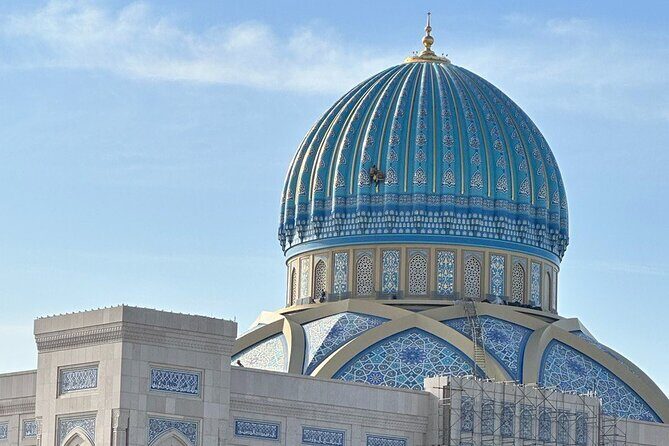
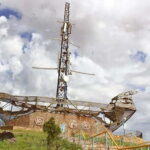
Most Tashkent city tours try to “hit the highlights.” This one starts with something more grounded: the Monument of Courage Earthquake Memorial, devoted to the April 26, 1966 earthquake. It’s set at (or very near) the approximate epicenter area—so the stop isn’t just symbolic. It helps you understand why Tashkent has the character it does: resilient, careful, and proud of rebuilding.
Plan for about 30 minutes here, with an admission ticket included. You’ll want to bring a little patience for the first leg of the day. The tour runs about 6 to 7 hours, and the schedule is designed so you don’t rush the big pieces. If you like context, this opening stop pays off later when you see how the city balances modern landmarks with memory.
The best part of this first section: the day’s theme clicks quickly. After the memorial, the tour shifts from tragedy and recovery into faith, commerce, and everyday life—so you aren’t stuck in museum mode all day.
You can also read our reviews of more city tours in Tashkent
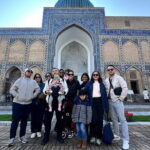
Khazrati Imam Complex: mosques, madrassas, and priceless manuscripts
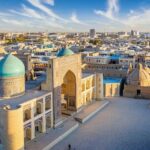
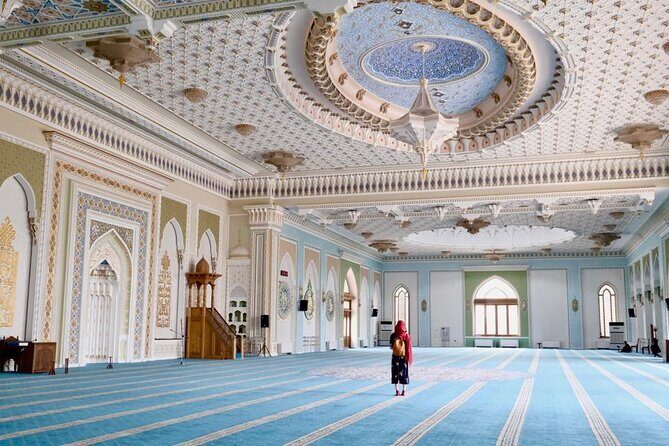
Stop 2 is the Ensemble Hazrati Imam (Khazrati Imom Complex), often described as the spiritual heart of Tashkent. The complex is a mix of areas from different centuries, and it’s still active. You’ll see multiple layers of religious and educational life—together in one walk.
You’re allotted about 2 hours, and entrance tickets are included. Here’s what makes this stop special (and not just another pretty building walk):
- The functioning Friday mosque, Khazrati Imom Mosque (from 2007) is still part of daily religious rhythm.
- Barak-Khan Madrassa (XVI–XVIII centuries) today serves as a shopping area, which means you’ll see the living, practical side of heritage.
- Tellya Sheikh Mosque (XIX century) adds another architectural chapter.
- The Muyi Moborak Library is where things get seriously interesting. It holds rare Oriental manuscripts, including the world-famous Caliph Osman-Koran from the VII century, plus the mausoleum of Abu Bakr Mohammed Kaffal Shashi.
That last name matters locally. Kaffal Shashi is noted as a key early Koran preacher in Central Asia and also a well-known scientist. Even if you don’t catch every detail, you’ll feel the seriousness of this place—because it’s not built like a staged “heritage park.” It functions as a religious and cultural center.
One consideration: religious sites mean dress expectations. You should be ready to cover shoulders and knees, and women should cover hair with a scarf or shawl when entering holy spaces. This is worth preparing for. It can save time and keep you from scrambling at the entrance.
Chorsu Bazaar: where the city trades and chats
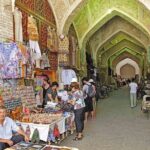
After the architectural and religious sites, you shift to a place that feels like the opposite end of the spectrum: Chorsu Bazaar. It’s described as the commercial heart of Tashkent for hundreds of years, and the name means four roads in Uzbek—hinting at its role as a meeting point for movement and trade.
You’ll spend about 1 hour here, with admission ticket included. This is a good stop if you like watching how locals actually live. Bazars are often more about senses than souvenirs: the sound of bargaining, the variety of goods, and the “this is how people shop” energy. You don’t need to buy anything to enjoy it. Just wander with your guide and ask questions.
A practical tip: since you’re already on a full day schedule, you’ll want to keep your bazaar time focused. If you go hunting for everything, you’ll run out of energy before lunch and your afternoon stops. Use Chorsu as a palate cleanser and a chance to see the city’s daily pulse.
Uzbekistan State Museum of Applied Art: crafts you can actually see up close
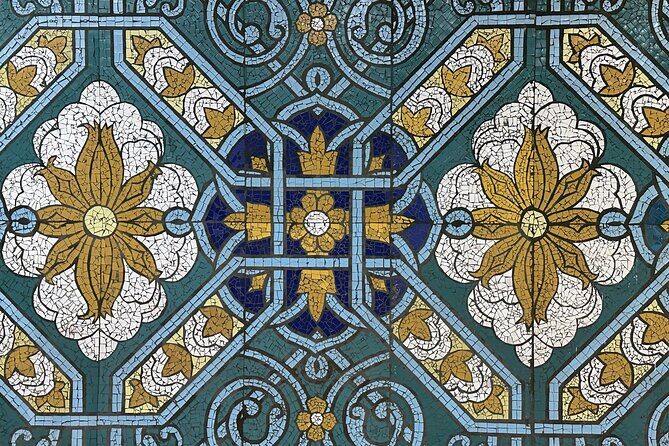
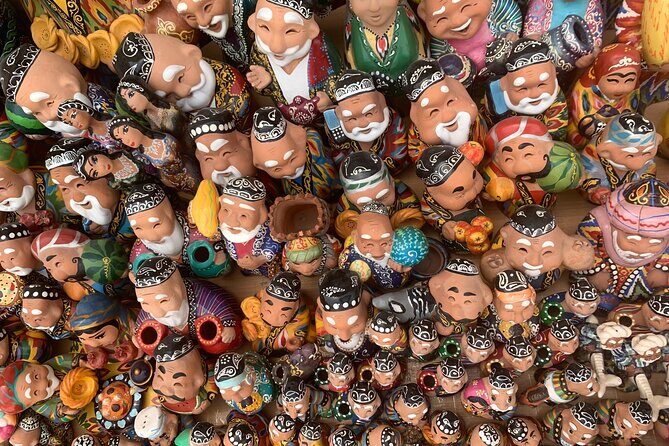
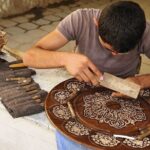
Stop 4 is the Uzbekistan State Museum of Applied Art. It’s not built around one famous sculpture you have to find in a dark room. Instead, the museum is about skill—how everyday and ceremonial objects are made.
The museum was founded in 1997 and holds more than 7,000 works ranging from the first half of the XIX century to today. You get about 1 hour, and tickets are included.
What you’ll like here (if you’re the kind of person who enjoys details): applied arts are where a country’s taste, materials, and technique show clearly. You’re not just looking at something finished—you can often sense the work behind it: texture, pattern, and how objects were designed for use or display.
A possible drawback: if you only want big-ticket monuments and exterior photos, this stop may feel slower. But if you like craftsmanship, it’s one of the best places in Tashkent to slow down and look carefully.
Tashkent Metro: the only Central Asian underground on the route
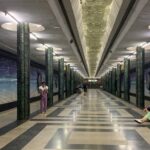
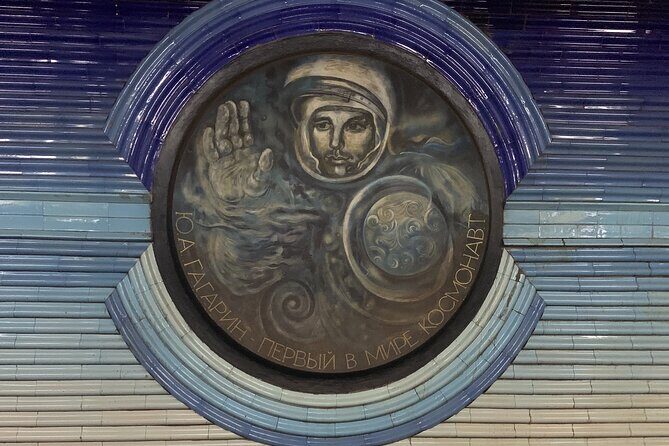
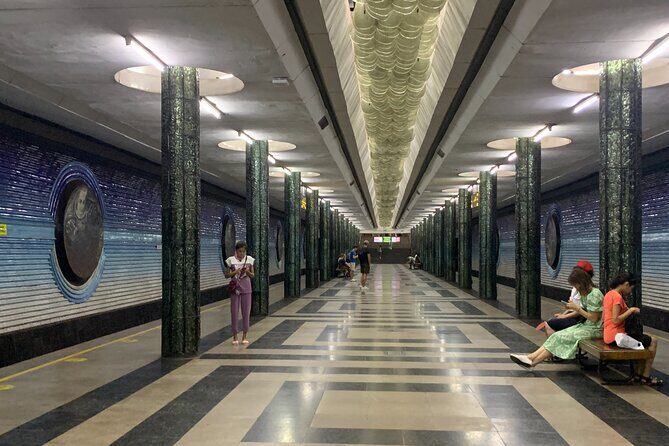
One reason this tour feels different from a basic sightseeing circuit is Stop 5: Tashkent Metro. You get about 40 minutes, including the ride, and admission tickets are included.
The metro is noted as the only Central Asian underground, built in 1977. That detail alone makes it worth experiencing, but the real value is how it changes your perspective on the city. You see how people move, not just how monuments stand.
When you ride metro systems abroad, you learn more than you think: what signage feels like, how stations are organized, and how public life keeps going while tourists do their thing. This stop also naturally breaks up the day—after hours of walking and standing, it gives you a more relaxed rhythm.
You can also read our reviews of more private tours in Tashkent

Amir Temur Square: modern landmarks and clock-tower trivia
The final major sightseeing stop is Amir Temur Square, the center of modern Tashkent. You’ll have about 50 minutes here, with admission tickets included.
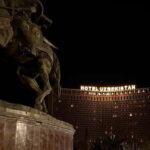
This square is designed as a snapshot of the city’s political and cultural identity. In the middle, you’ll find a statue of Amir Timur (known in Europe as Tamerlane) riding horseback. Around it sit key landmarks, including:
- The hotel Uzbekistan (built in 1974)
- University of Law, said to be the former Women’s Gymnasium
- The Museum of Amir Timur
- The Tashkent Clock Towers
The clock-tower story is the kind of detail you’ll remember. The first tower was constructed in 1947 to house the clock mechanism from Eastern Prussia, described as a war trophy, brought back to Tashkent by watchmaker Ayzenshteyn. It’s the sort of information that makes a familiar-looking landmark feel complicated in a good way.
If you want a quick win for photos, this stop delivers. If you want a quiet ending, you’ll still find it: there’s greenery, flowers, and fountains, so you’re not stuck under stone walls the whole time.
Plov lunch at Plov Center: what’s included and what to watch
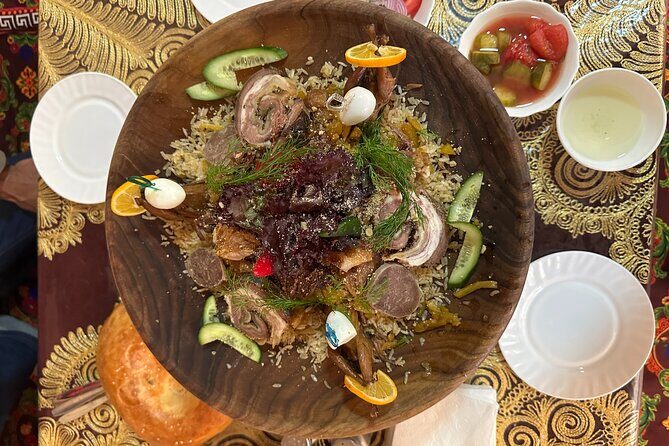
Lunch is one of the easiest parts to enjoy, and it’s also where you’ll want to plan for dietary needs. Your tour includes lunch-national dish called Plov at Plov Center.
You should know this upfront: there is no vegetarian option of Plov on this tour. If you’re vegetarian, tell the operator in advance so they can offer a different meal for lunch. If you don’t, you may be stuck making do.
Why Plov makes sense on this itinerary: it’s local comfort food that fits well after a morning of history and architecture. You won’t leave hungry or bored, and you’ll get the most expected dish in Uzbekistan without having to coordinate a restaurant search in a foreign city.
One more practical note: the tour is designed so lunch doesn’t balloon into a long detour. That’s part of the value—time stays controlled, and you keep momentum.
Dress code and photo rules that save you time
Because you’ll visit religious sites—especially the Khazrati Imam complex—your clothing matters. The recommendation is simple and strict:
- Cover shoulders and knees for men and women
- Avoid tight, revealing, or transparent clothing
- Women should cover hair with a headscarf or shawl when entering holy places
This is the difference between a smooth visit and a stressful one. If you show up prepared, you’ll spend more time looking and less time waiting.
Photo rules are another place to be ready. You may face photo and video charges of $5 for photography cameras. Phone camera use is described as free. So if you’re deciding between your phone and a heavier camera setup, plan with that in mind. Bring what you’ll actually use.
Price and logistics: is $110 worth it?
At $110 per person, this tour sits in the mid-range for a private day in a major city. The question is what you’re buying for that price. Here’s the balance sheet:
You get:
- Hotel pickup and return to the meeting point
- An air-conditioned vehicle
- An English-speaking tour guide
- Entrance tickets to monuments
- Lunch (Plov)
You also avoid the hassle of arranging tickets and timing across multiple sites. In Tashkent, that matters. A private tour keeps the day efficient: you’re not zigzagging between places, and you’re not guessing what to prioritize at each stop.
Two things to consider on value:
- The tour is 6 to 7 hours. That’s a meaningful commitment, so it works best if you want a structured day rather than total free time.
- It’s a private tour, which means you benefit from your own pace and questions. That’s ideal if you travel as a couple or small group.
If you’re going with a group, there may be group discounts, but the key idea is this: the cost isn’t just transportation. It’s guided context plus included tickets and lunch.
Who this private Tashkent tour suits best
This is a strong fit for you if you want:
- A guided sweep through top sites without planning
- A mix of memorial, religious architecture, a bazaar, museum time, and modern city life
- Included tickets and lunch so you don’t spend the day budgeting snacks and admissions
It’s also especially good if you like “how the city works” as much as “what the city looks like.” The Chorsu Bazaar stop and the Metro ride help you see daily routines, not only monuments.
You might choose something else if:
- You’re hoping for lots of free time to wander on your own between stops
- You need vegetarian Plov without advance coordination (this one requires you to notify in advance)
Should you book this private Tashkent city tour?
I’d book it if your goal is to get oriented fast and see the main landmarks in one organized day. The itinerary is tightly built: a meaningful start at the Earthquake Memorial, a major religious complex with real cultural depth, a hands-on market experience, a craft-focused museum hour, a genuinely unique metro ride, and then a classic city-center finale at Amir Temur Square.
The biggest “don’t book blindly” warning is food. If you’re vegetarian, tell them ahead of time so lunch can be handled properly. If you’re fine with the standard plan, this tour’s included tickets, pickup, and lunch make the price feel reasonable.
FAQ
How long is the Private Tashkent City Tour?
The tour lasts about 6 to 7 hours.
Where does the tour start and end?
It starts at Hotel Uzbekistan on Mirzamakhmud Musakhanov Street 45, Tashkent, and ends back at the meeting point.
Is hotel pickup included?
Yes, pickup from your hotel is offered.
Do I need to buy tickets for the monuments?
No. Tickets for entry are provided, and admission tickets are included for the stops.
Is lunch included, and is there a vegetarian option?
Lunch is included, and it features Plov. There is no vegetarian option of Plov unless you let them know in advance so they can offer a different lunch.
Do you ride the Tashkent Metro on this tour?
Yes. The itinerary includes a Metro ride, and metro admission is included.
What dress code should I follow for religious sites?
You should cover shoulders and knees. Women should cover hair with a headscarf or shawl when entering holy places, and clothing should not be tight, revealing, or transparent.
Are there charges for taking photos or videos?
Photo and video charges are listed as $5 for photography cameras. Phone camera use is free.
Is free cancellation available?
Yes. You can cancel up to 24 hours in advance for a full refund.