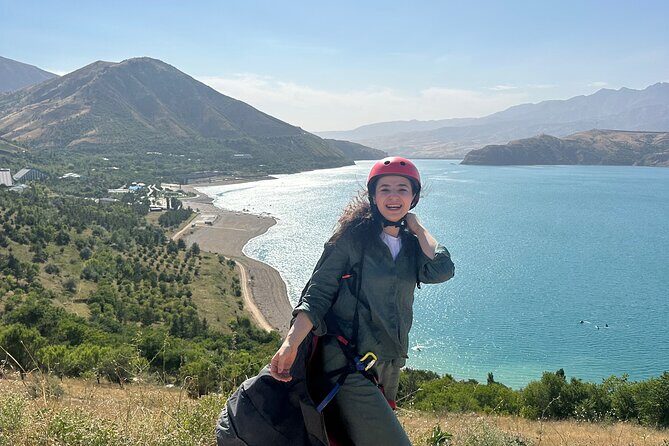
Seven Lakes in one long day. This Samarkand-to-Tajikistan trip is all about crossing the border, riding into the Fann Mountains, and seeing seven lakes at different altitudes with colors that shift from deep blues to bright greens and yellows. I especially like the hike between lakes, because you get views a car window never will.
You also get more than scenery: the day stops at sites like the Sarazm Archaeological Site and the Rudaki Historical Museum, plus a local village visit where you can catch everyday life in motion. The only catch is the timing: it’s a long day, with a bumpy road section to the higher lakes, and it can run longer than you expect.
In This Review
- Key highlights worth your attention
- What this day trip really feels like: border day plus mountain payoff
- Price and value: what you’re paying for at about $140 per person
- The road to Haftkul: Fann Mountains views and the “bumpy but worth it” section
- Stop-by-stop: how the seven lakes day is structured
- 1) Set out early from Samarkand (pickup + long day setup)
- 2) Fann Mountains photo stop and guided time
- 3) Alauddin Lake: your first big reveal
- 4) Nezhigon Lake: another altitude, another mood
- 5) Gushor Lake: more chances for pauses and pictures
- 6) Nofin Lake: the day gets better if you keep moving
- 7) Marguzor (final lake): the best views usually last
- Culture stops that break up the nature focus: Rudaki and Sarazm
- Rudaki Historical Museum: a Panjikent-area pause
- Sarazm Archaeological Site: where the day turns historical
- Border crossing and guide support: how the smooth parts happen
- What’s included on food and rest (and what to plan around)
- Who this tour is best for (and who should think twice)
- Quick gear checklist for Haftkul
- Should you book the Tajikistan Seven Lakes day tour from Samarkand?
- FAQ
- What is the duration of the Tajikistan Seven Lakes day tour from Samarkand?
- How much does the tour cost per person?
- Does the tour include transportation from Samarkand to the Seven Lakes and back?
- What languages are available for the guide?
- Which lakes and stops are included during the day?
- Is there time to hike between the lakes?
- Is a picnic included at the lakes?
- Are entry tickets, lunch, and dinner included?
- What do I need to check before booking regarding travel documents?
Key highlights worth your attention
- Haftkul’s color changes: seven lakes, different altitudes, different shades as you move along
- Fann Mountains photo stops: quick breaks that keep the day feeling full, not rushed
- A real village pause: you’re not only looking at nature, you’re meeting people
- Sarazm ruins + Rudaki museum: history stops that make the day more than a view drive
- Guides who handle the details: names like Murod often come up for clear explanations and smooth border support
What this day trip really feels like: border day plus mountain payoff
This is the kind of trip that turns a “one-day excursion” into a whole storyline. You start in Samarkand, head out early, and you spend the day bouncing between border formalities, mountain roads, and short stops that build toward the main event: Haftkul, the Seven Lakes in Tajikistan.
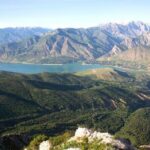
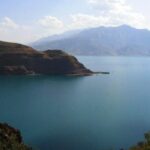
The payoff is the way the lakes look like they belong to different worlds. Each one sits at a different altitude, and the water color shifts as the day goes on—deep blue to greens and bright yellows. The effect is strongest when you hop out, walk the short distances between viewpoints, and let the light do its thing.
It’s also not just a drive. The route includes a hike opportunity between the lakes, plus a local village visit and culture/history stops. You’ll still spend a lot of hours on the road, but the day is designed so you don’t feel stuck waiting for the “real part” to start.
You can also read our reviews of more tours and experiences in Tashkent.
Price and value: what you’re paying for at about $140 per person
At around $140 per person, you’re mostly paying for the hard parts you don’t want to DIY: cross-border transport, a guide who can keep the schedule moving, and a vehicle that’s set up for long travel (including air-conditioned comfort).
Here’s what the price includes that actually matters on a day like this:
- Transport to and from the Seven Lakes
- An English/Russian-speaking guide and driver (with additional language options available)
- A hiking opportunity between lakes
- A local picnic on the lake if weather allows
- 0.5 L water
- Stops that cover the history and culture pieces: Panjikent-area sights including the Rudaki museum and Sarazm Archaeological Site
What’s not included, so you should plan for it:
- Entry tickets
- Lunch and dinner
- Insurance
- Personal expenses
So the value equation is simple. If you want this route without handling a border-day puzzle, without renting vehicles, and without coordinating a driver who knows the mountain timing, this price can feel fair. If you’re a total independent planner and you already have a car and the paperwork sorted, you might compare alternatives—but expect more hassle.
The road to Haftkul: Fann Mountains views and the “bumpy but worth it” section
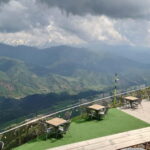
Once you’re moving, the day has that classic mountain-trip rhythm: drive, stop for photos, drive again. The itinerary gives you a Fann Mountains segment (about 30 minutes) with a break and sightseeing/photo time. It’s a useful way to break up the long transit and reset your eyes before the lakes start pulling focus.
One practical note from the way the day is described: you should expect a bumpy road on the way up toward the higher lakes. The vehicle setup matters, and the transport quality gets strong marks, so you’re not doing this in a rattly nightmare. Still, if you’re sensitive to uneven roads, this is the part that can test your patience.
My advice: pack for comfort like you’re doing a long road trip, not a city walk. Comfortable shoes help for the short hikes. Light layers help because mountain weather can shift fast.
Stop-by-stop: how the seven lakes day is structured
The best way to understand the day is to think in three phases: pre-lakes scenery, lake-by-lake walking, then history culture back near Panjikent.
1) Set out early from Samarkand (pickup + long day setup)
You get pickup from your location in Samarkand (for example, your hotel or apartment), and you also return there at the end of the day. This removes a lot of stress. You don’t have to navigate where to meet, which matters on a border day.
The trip runs about 10 hours total. In real life, long mountain days can run longer, so keep a cushion for your evening plans.
2) Fann Mountains photo stop and guided time
Before you hit the lakes, you get a short window for scenery and photos. Think of this as the “get your bearings fast” stop. It also gives the guide a chance to explain what you’re about to see—important because the Seven Lakes are the sort of place where names and visual differences help you understand what you’re looking at.
If you love photos, bring your patience. Short stops are built into the schedule, so you want to be ready when the good viewpoints appear.
3) Alauddin Lake: your first big reveal
Alauddin Lake is your early anchor point. You get about 1 hour here, with a mix of guided time and sightseeing breaks. This is where the colors start feeling real, not just like a brochure promise.
Use this first lake to set your pace. Walk slowly enough to enjoy the view, but don’t spend all your energy here because you have multiple lakes after it.
4) Nezhigon Lake: another altitude, another mood
Nezhigon Lake is next, with about 1 hour of time. The point of moving lake to lake is the difference in altitude, which changes the look of the water and the surrounding slopes.
This is a good moment to take a few photos, then focus on the hike experience between lakes. The walking time is part of what makes Haftkul feel like a place, not a checklist.
5) Gushor Lake: more chances for pauses and pictures
Gushor Lake again gives you around 1 hour, including breaks and guided/sightseeing time. By now, you’ll start noticing how the mountain valleys open and close around you as you move.
If you get tired, break it up into small goals: one viewpoint, one short stroll, one photo, then a rest. This tour is paced for enjoyment, but it’s still a full day.
6) Nofin Lake: the day gets better if you keep moving
Nofin Lake is another about 1 hour stop. This is where a calm mindset pays off. You’re seeing a pattern repeat with different results: different water tone, different angles, different light.
If you brought water and snacks (even though water is included), this is the kind of stop where a little personal supply helps you feel unhurried.
7) Marguzor (final lake): the best views usually last
Marguzor is the final lake stop, again with about 1 hour. This is where the trip aims to reward you: bigger, more dramatic views of the surrounding peaks and a quiet mountain feel once you’re higher up and farther from the road.
Some people also look for a swim here if conditions allow. The tour data doesn’t guarantee swimming, so treat it like an optional idea: if you do go near the water, follow your guide’s safety advice and use your judgment.
Culture stops that break up the nature focus: Rudaki and Sarazm
A day that’s only lakes can start to feel repetitive. The itinerary adds history so the afternoon isn’t just a long stretch of scenery.
Rudaki Historical Museum: a Panjikent-area pause
You’ll visit the Rudaki Historical Museum with about 1 hour of guided time and sightseeing. If you like museums, it helps you connect the day to the region around Panjikent rather than leaving it as scenery only.
Even if museums aren’t your thing, this stop is useful. It gives you a break from altitude and sun, and it resets the rhythm of the day.
Sarazm Archaeological Site: where the day turns historical
Then comes Sarazm Archaeological Site, also with about 1 hour for guided visit/sightseeing. The value here is perspective. After spending the day thinking about water color and mountain trails, you get a sense that people have been tied to this region for a very long time.
This is also a good spot to ask your guide questions about what you’ve been seeing—because they can connect natural geography with how communities lived and traveled.
Border crossing and guide support: how the smooth parts happen
Crossing borders can feel stressful if you’re doing it with no plan. This tour is built to handle that day structure, and the guide’s role can make a huge difference.
In the experience notes tied to this tour, guides like Murod are mentioned for being friendly, explaining lake stories and local culture, and helping with border-day protocol and what you might need. Other names that come up include Shukhrat (for pickup coordination) and Dodo (for professionalism and organization). Whether you get Murod or someone else, the key idea is the same: you want a guide who can translate the day into steps.
Practical tip: keep your travel documents easily accessible. That alone reduces stress when the line moves fast.
What’s included on food and rest (and what to plan around)
You get local picnic on the lake if weather allows. When that happens, it’s a nice way to eat with the mountains in front of you instead of grabbing a meal just to keep going.
But lunch and dinner are not included. That means you should expect to either:
- buy food when opportunities appear, or
- manage with snacks between stops
Some days include stopping at places where you can try Tajik food, but it’s not part of a guaranteed included meal package. Bring a little snack backup so you don’t feel stuck if the timing doesn’t match your appetite.
Also, note the small but helpful inclusion of 0.5 L water. With a long day and altitude, I’d still consider bringing a bit more water if you like to be self-sufficient.
Who this tour is best for (and who should think twice)
This is a strong fit if you want:
- a one-day taste of Tajikistan beyond the big city highlights
- Seven Lakes on a guided schedule that handles roads and timing
- the combo of nature + village + history
- multilingual guidance, with English/Russian commonly supported and other languages depending on the guide
Think twice if:
- you get carsick easily or hate uneven roads
- you want a slow, low-stress day with lots of free time
- you’re looking for a trip with meals fully handled end-to-end
There’s also a listed limitation: it’s not suitable for people over 350 lbs (159 kg), so check that before booking.
Quick gear checklist for Haftkul
You don’t need a mountaineering kit, but you do need smart basics:
- comfortable shoes for short hikes and uneven ground
- a light layer for changing mountain conditions
- sun protection (hats and sunscreen help)
- a camera/phone ready for quick photo stops
- a small snack backup since lunch isn’t included
- an extra layer or jacket if the air turns cool at higher points
If you’re bringing swimwear, treat it as optional and only if your guide says it’s safe and appropriate.
Should you book the Tajikistan Seven Lakes day tour from Samarkand?
My take: book it if you want a structured day that gets you into Tajikistan’s mountains with minimal planning pain. The lakes are the star, and the route’s value comes from how it mixes Haftkul’s seven-color experience with real stops like Sarazm ruins and the Rudaki museum, plus a village visit.
Skip it if you’re chasing a relaxed schedule or you can’t handle a long day with rougher mountain roads. Also skip if you’re not prepared for a border-day process and prefer everything to be simple and local.
If you do book, pick comfort over style, arrive with patience for the drive, and use the hike opportunity. That’s where the Seven Lakes stop feeling like a photo and start feeling like a place.
FAQ
What is the duration of the Tajikistan Seven Lakes day tour from Samarkand?
The tour lasts about 10 hours for one day.
How much does the tour cost per person?
The price is listed as $140 per person.
Does the tour include transportation from Samarkand to the Seven Lakes and back?
Yes. Transportation is included from Samarkand to the Seven Lakes and back, with air-conditioned vehicle support.
What languages are available for the guide?
The guide languages listed include English, Uzbek, Korean, Russian, and Japanese.
Which lakes and stops are included during the day?
The itinerary includes several lakes: Alauddin Lake, Nezhigon Lake, Gushor Lake, Nofin Lake, and Marguzor, plus stops such as the Fann Mountains segment, Rudaki Historical Museum, and Sarazm Archaeological Site.
Is there time to hike between the lakes?
Yes. There is an included opportunity for hiking between the lakes.
Is a picnic included at the lakes?
A local picnic on the lake is included, but it depends on the weather.
Are entry tickets, lunch, and dinner included?
Entry tickets and lunch/dinner are not included, and you’ll need to cover them personally if you choose to purchase meals.
What do I need to check before booking regarding travel documents?
You should check your visa requirements before booking.