REVIEW · SAMARKAND
Penjikent Day Trip From Samarkand
Book on Viator →Operated by Silk Road Travellers · Bookable on Viator
Few places teach Silk Road time travel this fast.
This private day trip to Penjikent (Panjakent) in the Zarafshan Valley turns border-hopping into a smooth sightseeing day, not a stressful chore. I like the private guide format because you get clear storytelling tied to what you see, and I also like the UNESCO stop at Ancient Sarazm for its Bronze Age details. The main trade-off is the early start and a full day in the car, including about an hour for the Uzbekistan–Tajik border crossing.
You’ll depart from Registan Square in Samarkand at 7:00 am, travel by air-conditioned vehicle, and be back the same day after exploring Panjakent and returning across the border. You’re not just “passing through” Tajikistan here. You’re getting a focused set of ancient-site stops packed into roughly 7 to 8 hours, with your pace controlled by your guide.
In This Review
- Key points to know before you go
- Why Penjikent (Panjakent) Belongs on Your Silk Road Route
- Border Day: Timing, Comfort, and How the Car Time Works
- Ancient Sarazm: The UNESCO Stop That Explains Itself
- Panjakent’s Rudaki Museum: Literature That Changed Identity
- Beyond Museums: Ruins of Ancient Panjakent and Market Time
- Price and Value: Is $160 Worth It?
- Who This Private Tour Fits Best
- Should You Book the Penjikent Day Trip?
- FAQ
- What time does the Penjikent day trip start in Samarkand?
- How long is the trip?
- Is this tour private, and does it include pickup?
- What main places will you visit?
- What’s included in the price?
- Are admission tickets included?
- What’s the cancellation policy?
Key points to know before you go
- Private group pacing: you won’t be rushed through stops; you can linger when something clicks.
- UNESCO Ancient Sarazm: a Bronze Age settlement with an excavation story you’ll actually remember.
- Rudaki Museum stop: tied to Tajik–Persian literary roots and a famous national celebration.
- Air-conditioned comfort + bottled water: practical touches that matter on a long day.
- Admission tickets not included: plan for museum/site entry fees on the ground.
Why Penjikent (Panjakent) Belongs on Your Silk Road Route
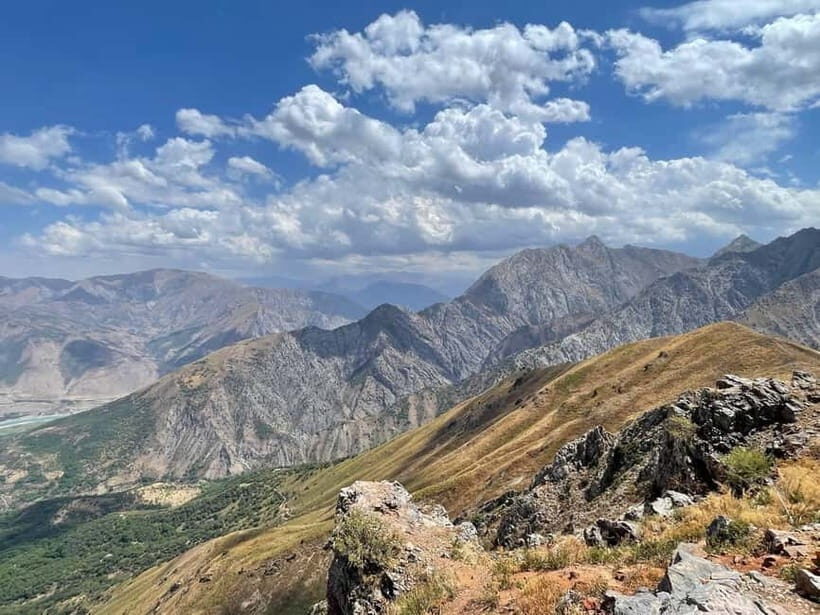
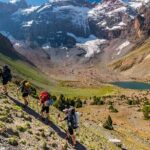
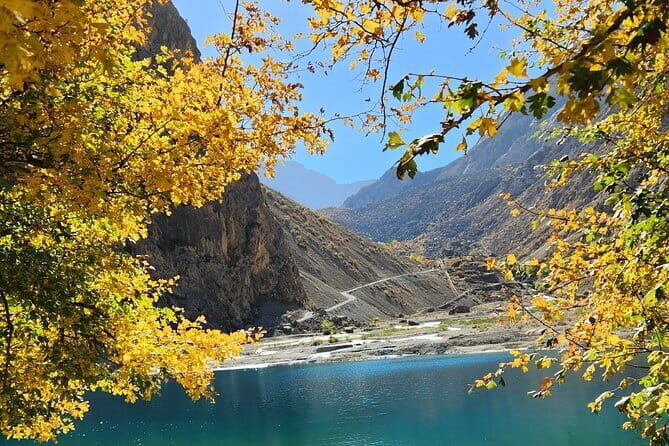
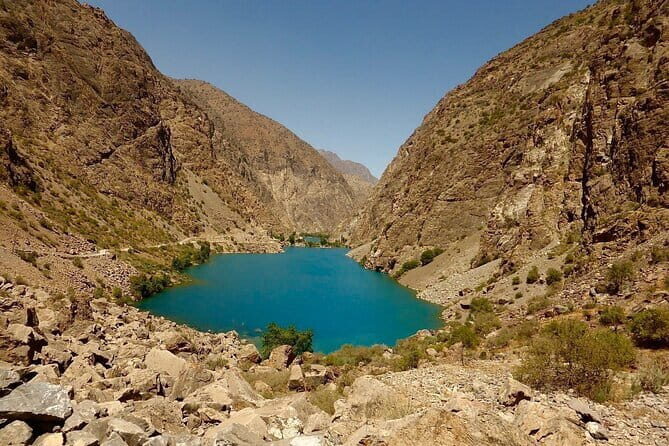
Penjikent, also known as Panjakent, sits in Tajikistan’s Sughd province on the Zeravshan River. The modern town has around 33,000 people, but the draw is what comes with it: old Sogdian-era city life, now visible through ruins on the outskirts. If you like your Central Asian history hands-on, this kind of day trip works because you go from Samarkand to the Zarafshan Valley and meet the past where it physically remains.
What makes this route feel worthwhile is the mix of sites. You’re not doing one museum and calling it a day. You’ll visit Ancient Sarazm (UNESCO) and also explore Panjakent’s historical setting, plus stop into local culture at the Rudaki-focused museum and a market time built into the day.
This is also a good fit if you’re short on time. A day trip won’t replace a multi-day stay in Tajikistan, but it can give you enough context to understand why people keep returning to the Zarafshan Valley.
A few more Samarkand tours and experiences worth a look
Border Day: Timing, Comfort, and How the Car Time Works
The trip is built around a morning departure and border crossing: you leave the Uzbekistan–Tajikistan border area about 1 hour into the journey after departing. After you cross both sides, you meet your driver and guide and head into the Panjakent area. The big practical benefit here is that someone is coordinating the “logistics layer” for you, so you can focus on the sights.
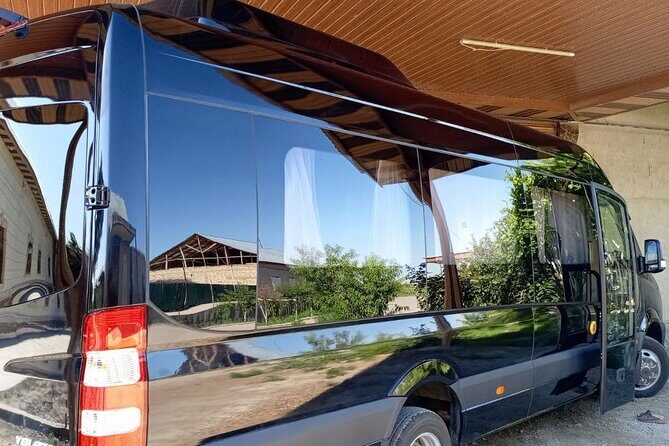
The tour runs about 7 to 8 hours, so you’ll want to treat it like a solid day out, not a quick half-day escape. Start early, expect some time in the car, and remember you’re crossing borders as part of the experience. The good news is the vehicle is air-conditioned and includes bottled water, which helps a lot on a long day that starts at 7:00 am.
Pickup and drop-off keep you from wasting time. The tour starts at Registan Square and ends back at the meeting point in Samarkand. That’s a real value for people who don’t want to figure out transit timing on their own.
Ancient Sarazm: The UNESCO Stop That Explains Itself
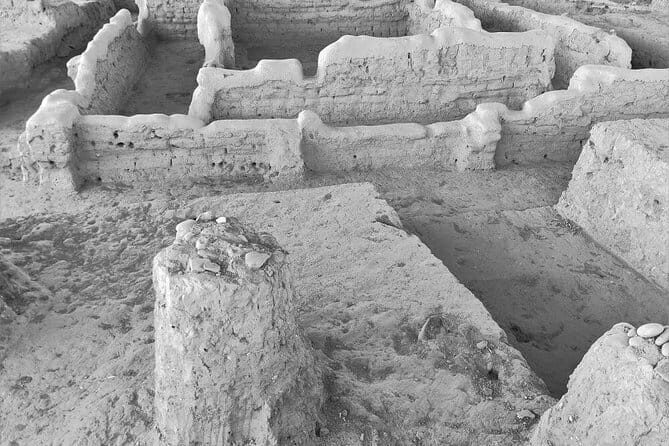
Ancient Sarazm is the highlight for many first-timers because it answers a big question: how early did settled life in this region get? The site was excavated in the 1970s after a local found an axe and kept it, then later recognized similar items at a museum. That led archaeologists to the settlement, and Sarazm emerged as one of the first well-developed Bronze Age settlements in Central Asia.
The UNESCO angle matters because it’s not just an “old place” you look at from a distance. Sarazm has a long timeline, and your guide can connect what you’re seeing to why it mattered. In 2010, it was listed as UNESCO World Heritage, and the tour framing often ties in with the broader importance of Tajikistan’s heritage calendar.
A detail worth knowing: the Sarazm Important Bird Area lies downstream of the city on a tugay-vegetated floodplain of the river. You may or may not notice this directly depending on how the day runs on the ground, but it gives you a sense that this region isn’t only about stones and ruins. Water, vegetation, and long-term human settlement are linked here.
Plan for this stop to feel like the intellectual anchor of the day. If you want “I get it now” history, this is the place where the explanation tends to click.
Panjakent’s Rudaki Museum: Literature That Changed Identity
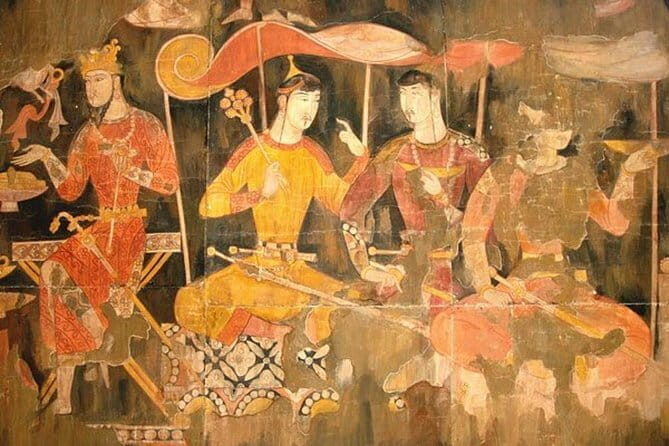
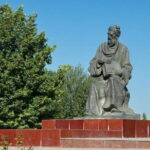
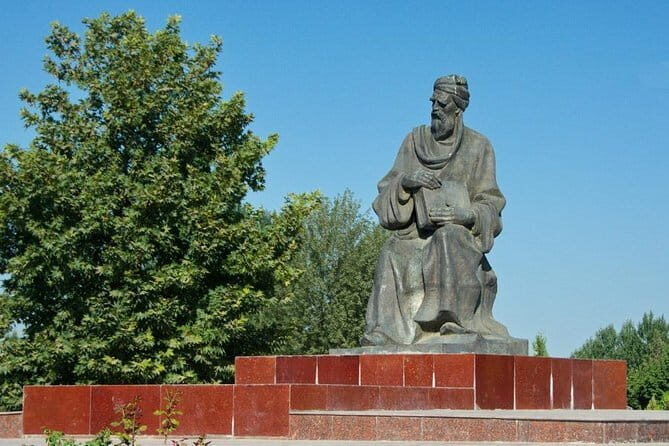
Rudaki is a name you’ll hear more than once if you keep exploring Tajik and Persian cultural history. This museum stop focuses on Rudaki, described as the founder of Tajik–Persian classic literature in the 9th and 10th centuries. The tour context also notes that he was born in Panjrud village and buried there, tying the story to real places rather than only books and dates.
One reason this stop lands well is that it connects poetry to state identity. It’s explained that Rudaki became the most popular poet of the Somonids State in the 9th–10th centuries. Then the modern connection comes in: in 2008, the Government of Tajikistan officially celebrated the 1150 anniversary of Rudaki, and many institutions and street names reflect his legacy.
The practical side: the museum time is about 40 minutes, and admission tickets are not included in the tour price. So you’ll want to treat it as a purposeful orientation stop. You get enough time to absorb the main themes without turning the day into a slow museum slog.
If your guide is strong, this museum can also turn into a storytelling bridge between the present and the deep past. One guide name you might hear in this context is Shirin, noted for making those hours in Tajikistan entertaining and educational.
Beyond Museums: Ruins of Ancient Panjakent and Market Time
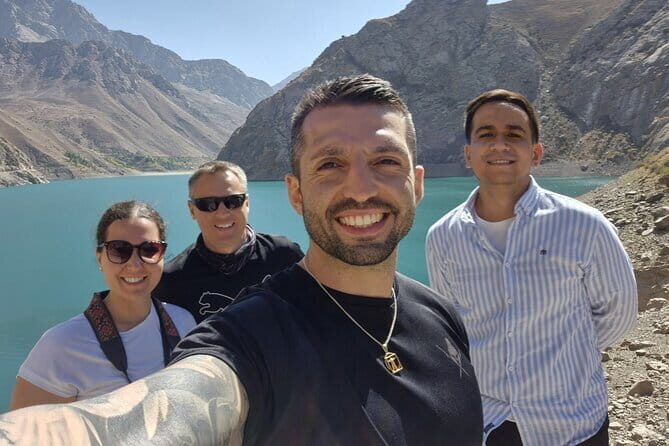
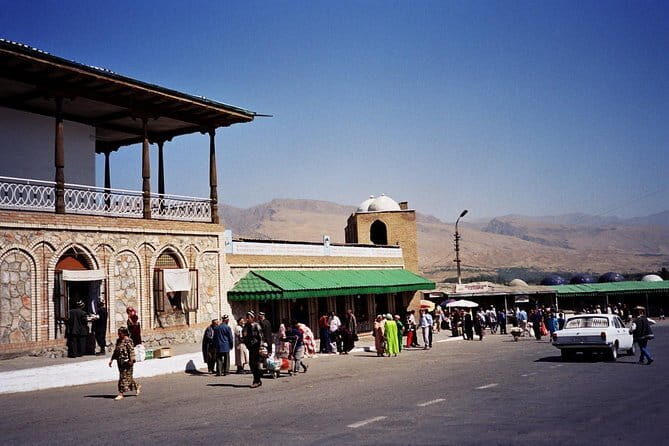
This day trip is set up to do more than just one “big ticket” archaeological stop. The overall plan includes visiting the ruins of Ancient Panjakent and also adding local market time, which is exactly the kind of texture that makes a border day feel more real.
Here’s how to think about those extra moments. Ruins are your history proof, and a market stop is your present-day context. Even if you don’t spend long there, you get to see how people live now in the same valley where earlier settlements shaped trade routes and daily survival.
The Panjakent setting helps explain the context. The ruins of the old town sit on the outskirts of modern Panjakent, which means you’re moving through a place where the past is literally nearby. That makes the guide’s job easier too, because they can connect what you’re seeing to the broader Zarafshan Valley story: the Great Silk Road world, Sogdiana roots, and how settlements developed alongside river life.
Time wise, this part of the day is what fills the middle. After crossing into Tajikistan and driving to Panjakent, you’ll combine the museum with the ancient-site exploration, then head back before the day ends.
Price and Value: Is $160 Worth It?
At $160 per person for a private group, this isn’t a budget bargain, but it can be good value for the structure you’re getting. The price includes an air-conditioned vehicle, bottled water, pickup and drop-off in Samarkand, and a professional certified guide. It also includes the private touring factor, which is the real money-saver on days like this. Instead of you coordinating separate transport, timing, and storytelling, one provider does the hard part.
What’s not included is important: lunch, dinner, and all fees and taxes. That means you should expect some extra spending on the ground, especially for museum and site entries (the Rudaki museum and Sarazm stop explicitly note admission tickets not included). The day can also include market time, but the tour data doesn’t say that purchases are covered, so budget for snacks or small buys if you want them.
Booking also helps you plan. The tour is commonly booked about 37 days in advance, so if you have specific dates, don’t wait until the last week.
For me, the value math looks best if you want a guided day with border logistics already handled. If you enjoy independent travel with lots of flexibility, you might prefer DIY routes. If you’d rather reduce friction and get meaning from each stop, this price becomes easier to justify.
Who This Private Tour Fits Best
This trip fits best if you like structured history days but still want breathing room. The private tour format means only your group participates, and the pace can be set around what you care about most. If you’re the type who enjoys hearing what something meant before taking pictures, you’ll get more from the guide’s explanations.
It also works well for first-time visitors to the Zarafshan Valley. Sarazm gives you the Bronze Age foundation, Rudaki adds a cultural anchor tied to Tajik identity, and Panjakent ruins plus market time round it out into a fuller picture. It’s a strong option for people building a Central Asia itinerary around major cities (like Samarkand) and wanting at least one day trip that stretches the story beyond the city walls.
On the “comfort” side, you’ve got an air-conditioned car and a clear start and end point. Service animals are allowed, and it notes that most travelers can participate. Still, keep in mind the day is long and includes border crossing time, so it’s not ideal if you want minimal early mornings.
Should You Book the Penjikent Day Trip?
If your goal is to see UNESCO-class archaeology plus a culturally meaningful museum stop in one day, I’d call this a smart booking. The combination of Ancient Sarazm and the Rudaki focus gives you both ancient settlement context and a human story connected to literature and identity.
You should think twice if you’re hoping for a short, low-effort day. This is a morning-start, full-sightseeing format with border time and extra costs for admission tickets and meals. But if you can handle that, it’s exactly the kind of private guided outing that turns a nearby country visit into something coherent.
FAQ
What time does the Penjikent day trip start in Samarkand?
The start time is 7:00 am at Registan Square in Samarkand.
How long is the trip?
It runs about 7 to 8 hours.
Is this tour private, and does it include pickup?
Yes. This is a private tour/activity where only your group participates, and it includes pickup offered and drop-off back in Samarkand.
What main places will you visit?
You’ll visit Ancient Sarazm (UNESCO) and the Republican Museum of History and Local Lore of Rudaki. The tour also includes exploring Panjakent’s ruins and a local market time.
What’s included in the price?
Included are an air-conditioned vehicle, bottled water, and a professional certified guide.
Are admission tickets included?
No. Admission tickets are not included, including for the museum and the Sarazm site.
What’s the cancellation policy?
You get free cancellation. You can cancel up to 24 hours in advance for a full refund. If you cancel less than 24 hours before the start time, you won’t receive a refund.