REVIEW · SAMARKAND
Samarkand: Historical Monuments Guided Walking Tour
Book on GetYourGuide →Operated by Travel to Central Asia · Bookable on GetYourGuide
Registan Square changes how you see time. This Samarkand historical monuments walking tour strings together the big names of the Silk Road era with an English-speaking guide, starting at Gur-i Amir and finishing with late-light views at Shah-i-Zinda after a market break.
What I like most is the way you get meaning, not just marble and tiles—your guide’s stories help you read the buildings as symbols of the Timurid age. I also love the practical, photo-aware guidance many groups get, with guides such as Gulli, Sarvinoz, and Shahrizoda known for helping you find good angles and timing.
One consideration: you’ll pay more than the $20 ticket once you add entrance fees, and you should expect a fair amount of walking across several religious sites.
In This Review
- Key highlights you’ll care about
- Registan Square: the stones that tell the story first
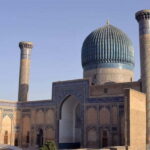
- Gur-e-Amir Mausoleum: Amir Timur’s legacy in blue tiles
- Bibi-Khanym Mosque: ambition you can measure with your eyes
- Shah-i-Zinda: mosaics, alleyways, and the late-day feel
- Siyob Bazaar: a smart break for snacks and shopping
- The English guide makes or breaks the day
- Price and entrance fees: do the math before you go
- Walking pace, rules, and what to pack
- Should you book this Samarkand walking tour?
- FAQ
- Where does the tour start?
- Is hotel pickup included?
- What’s included in the price?
- Are meals provided?
- How long is the tour?
- What are the entrance fees for the sites?
- Can I pay with a card or cash for entrance fees?
- Is flash photography allowed inside the monuments?
- What should I bring?
- Is this tour suitable for wheelchair users?
- What’s the age recommendation?
Key highlights you’ll care about
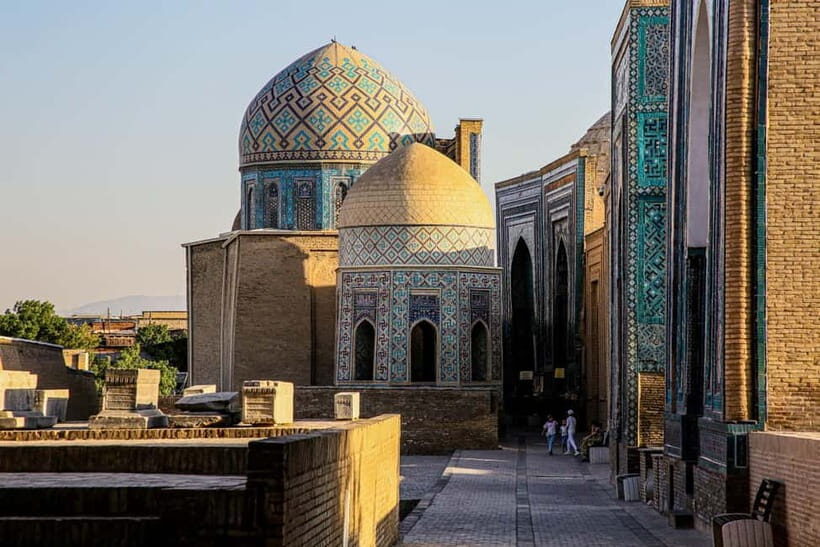
- Registan Square’s three madrasas (Ulugh Beg, Sher-Dor, Tillya-Kori) up close, with restored facades and major domes
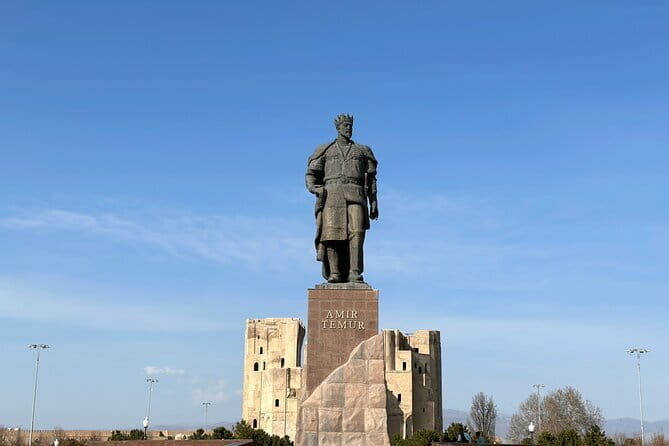
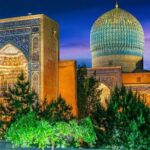
- Gur-e-Amir and the blue-tiled dome tied to Amir Timur (Tamerlane)
- Bibi-Khanym Mosque as a statement of scale and ambition during Timur’s reign
- Shah-i-Zinda’s alleyway mausoleums with turquoise tiles and mosaics, timed near sunset
- Siyob Bazaar stop for photos, shopping, and a chance to snack on local treats
Registan Square: the stones that tell the story first
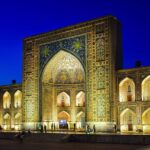
If you only do one monument in Samarkand, make it Registan Square. This is the visual center of the city’s historic core, and the tour starts by getting you oriented here. You’ll spend about two hours walking and getting the lay of the land before moving on.
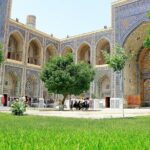
The key is that you’re not just looking at a huge open space. You’re seeing a set of structures built to impress. The guide points out the three grand madrasas—Ulugh Beg, Sher-Dor, and Tillya-Kori—and helps you notice the details that make them feel so monumental: intricate tilework, massive domes, and facades that have been restored to show off their original designs.
Registan is also the place where you learn what to look for across the rest of the day. After you’ve read the scale and symbolism here, the next stops click faster: the same design logic shows up again and again in Samarkand.
Practical tip: wear shoes you can walk in for hours. Registan isn’t a one-stop photoshoot. It’s a real walking circuit around a complex of buildings, and you’ll want your footing comfortable.
Dress note: this is a religious/heritage area, so keep clothing modest. Think normal coverage, not thin or short outfits, and save the flash-photo behavior for somewhere else—flash isn’t allowed inside the monuments.
You can also read our reviews of more walking tours in Samarkand
Gur-e-Amir Mausoleum: Amir Timur’s legacy in blue tiles
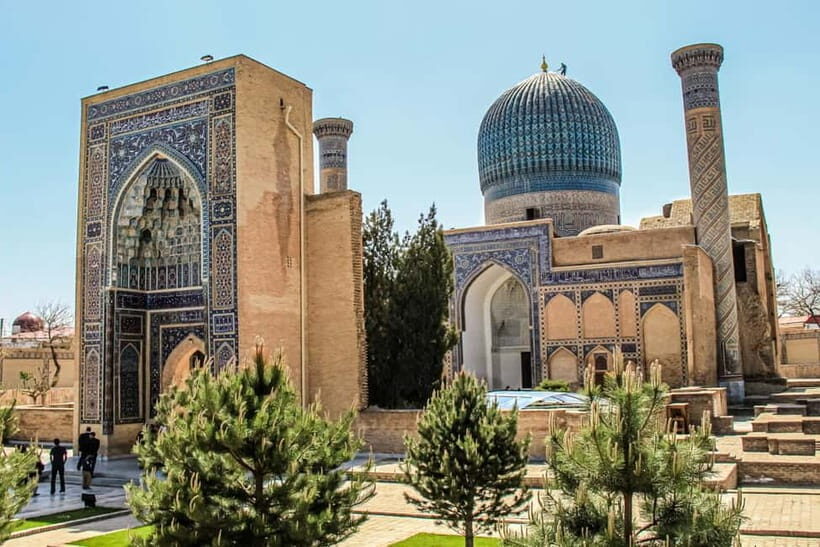
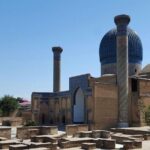
After Registan, or in the order of the tour depending on the day’s flow, you’ll hit Gur-i Amir, the resting place connected to Amir Timur (Tamerlane). The tour’s meeting point is at the entrance of the Gur-i Amir complex, and you’ll get a guided visit here that lasts about 100 minutes with time to walk through the main spaces.
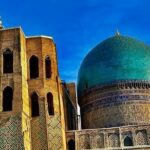
The standout feature is the famous blue-tiled dome, but the dome is just the headline. The guide uses Timur’s legacy to give you context for the ornate interior and why this site matters in the wider Timurid story. You’ll also learn what to notice when you’re standing still for a few minutes—small visual clues in the design that you’d miss if you were just reading a sign.
Entrance fees apply here, so treat this as a paid highlight rather than a quick stop. The posted entrance fee is 75,000 UZS (about $6 USD). Since entrance fees are not included in the $20 tour price, plan to bring cash or use a card where accepted.
Photography is generally allowed, but no flash inside monuments. If you’re used to indoor flash from other countries, make a mental switch before you arrive—your phone camera’s regular mode is fine.
Bibi-Khanym Mosque: ambition you can measure with your eyes
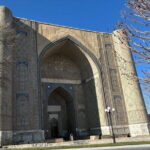
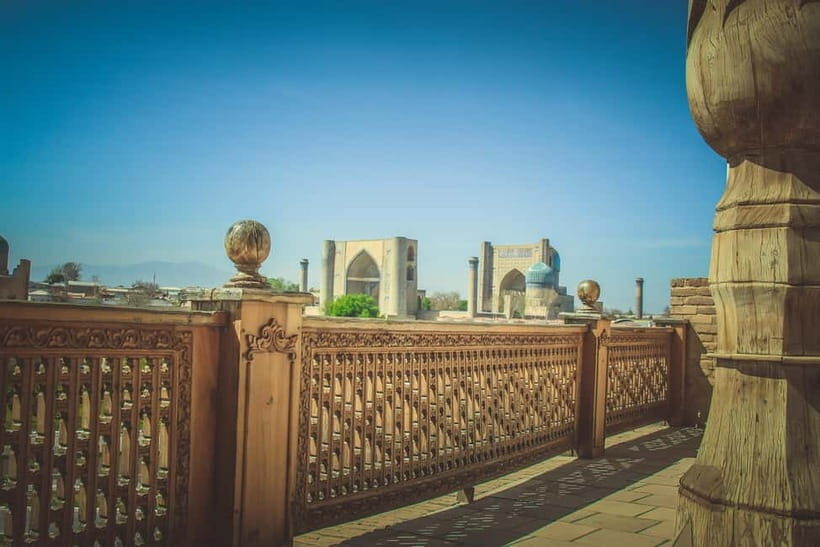
Next up is Bibi-Khanym Mosque, a site often described through its sheer scale and the stories tied to its construction. The tour visit here is shorter—about 30 minutes—but it’s timed so you get the most impact without rushing your photos or your questions.
This mosque is presented as a symbol of architectural ambition during Timur’s reign. The guide helps you connect the size of the structure to the political and cultural message behind it. You’ll hear legends about its construction, and you’ll also get an explanation for the artistry you can see up close: the way the design creates drama and clarity, even when you’re standing outside or moving through courtyards.
Because this is a religious site, dress rules matter. The tour info is clear: wear normal, not very short or very thin clothing. You’ll also want to stay respectful with behavior and keep in mind that smoking inside isn’t allowed.
Entrance fee here is listed as 50,000 UZS (about $3.5 USD). Again, entrance fees are on top of the $20 guide cost, so you’ll want to budget for them across the whole circuit.
Shah-i-Zinda: mosaics, alleyways, and the late-day feel
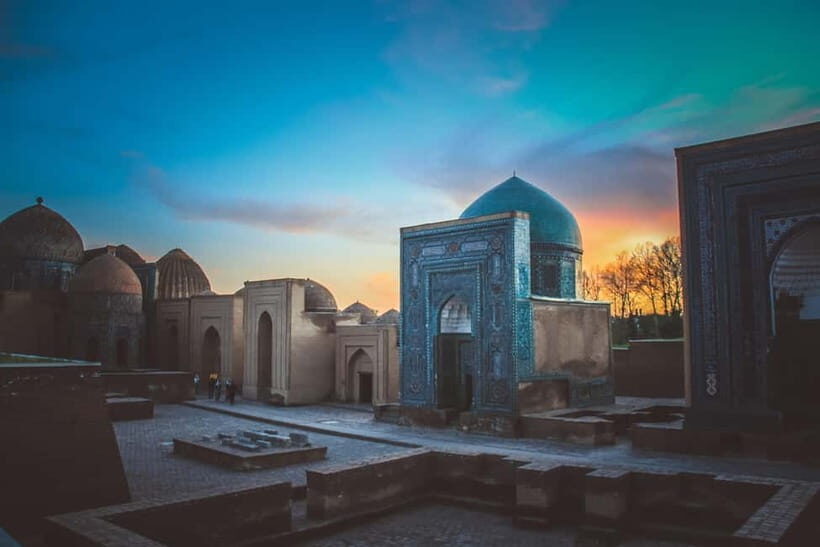
If you like your monuments with atmosphere, don’t skip Shah-i-Zinda. This is the necropolis area with multiple mausoleums, and the tour frames it as sacred ground with major spiritual significance.
You’ll spend about one hour here, and the day’s flow is set up so you can experience it with a sunset timing feel. The guide points out why Shah-i-Zinda hits differently than a single grand building. It’s the narrow alleyways, the stop-and-stare corners, and the way the craftsmanship shows up across different mausoleum spaces.
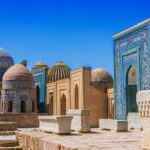
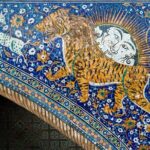
What to look for: vibrant turquoise tiles and intricate mosaics. The guide explains that the design isn’t all from one era. As you walk through the sequence of tombs, you start seeing how craftsmanship from different periods can show through. That makes the place feel like a timeline you can walk through.
Practical note: you’ll be walking at this stage, so keep your shoes supportive. You’ll also want to be ready for crowds that come with late light. Go slow, let your guide pick the spots, and don’t fight the angle—let the tilework do the work.
Entrance fee is 50,000 UZS (about $3.5 USD). Flash isn’t allowed inside monuments, and general monument rules apply—so treat it like an indoor museum even if you’re outside most of the time.
Siyob Bazaar: a smart break for snacks and shopping
Between the big monuments, you get a stop at Siyob Bozor (Siyob Bazaar). This is a break time plus photos plus shopping kind of stop, with about 30 minutes allotted.
This market stop helps in two ways. First, it gives you a mental reset from blue tiles and solemn courtyards. Second, it puts you in contact with everyday Samarkand life—where buying and tasting local treats is part of the experience, not an afterthought.
Siyob Bazaar is described as Samarkand’s largest and oldest market, and the tour info specifically suggests local goodies like dried fruits and nuts. Even if you don’t go deep into shopping, you’ll come away with a better sense of the city beyond monuments.
Budget tip: since entrance fees aren’t included, and you may also want snacks, bring enough cash. The tour says you can use a card or cash in every destination, so you’re not locked into one payment method.
You can also read our reviews of more guided tours in Samarkand
The English guide makes or breaks the day
A guided walk around historic sites is nice. A guided walk where someone actually teaches you how to look is better. This is where the reviews really line up: many different guides have done the work—Gulli, Gulsanam, Sarvinoz, Shahrizoda, Sevinch, and Sevara show up again and again—and the consistent theme is simple: they explain what you’re seeing, and they keep the pace comfortable.
I pay attention to three things when I judge a city guide: clarity, pacing, and questions. Here, the guides’ English gets praised as clear enough that you can ask follow-ups and not feel like you’re slowing the group down. Pacing matters too. Several people described having the tour adapted to their wishes and abilities, with enough time at stops for photos and for just standing there taking it in.
There’s also a practical advantage: many guides are good at spotting the best photo points. That sounds small, until you realize how often monument photos come out flat unless someone tells you where the light and angle land.
One more detail worth knowing: when the group is small, the tour can feel more personal. Some bookings have ended up with very small groups, even one-on-one situations, which makes it easier to ask questions about daily life in Uzbekistan—not just architecture.
Price and entrance fees: do the math before you go
The headline price is $20 per person for a 5-hour walking tour with a professional guide. That base fee is for the guide. It does not include site entrance fees or meals.
Here’s the entrance-fee reality, using the posted amounts:
- Gur-i Amir: 75,000 UZS (about $6)
- Registan Square: 100,000 UZS (about $8.5)
- Bibi-Khanym Mosque: 50,000 UZS (about $3.5)
- Shah-i-Zinda: 50,000 UZS (about $3.5)
Add those up and you’re looking at roughly $21.5 USD in entrance fees total, on top of the $20 tour price. So the all-in experience is closer to $41.5 before any snacks you choose at the bazaar.
Is it still good value? Usually, yes—because the guide is the product that saves you time and helps you interpret what you’re paying to enter. If you’re the type who reads architecture quickly and wants the bigger picture, the guide cost makes sense.
If you’re on a strict budget, treat entrance fees as a must-pay line item. If you skip the guide and self-walk, you may still see the sights, but you’ll miss the why behind the how.
Walking pace, rules, and what to pack
This tour is built as a walking circuit across major monument zones. The tour info emphasizes comfortable shoes, and reviews back up that you should plan for real walking time rather than short hops.
You should also bring:
- Hat and sunscreen (the tour info flags sun protection)
- Clothing that fits the setting: modest, not thin or very short
- A phone for regular photography (but read the flash rule below)
Rules to know:
- Drones are not allowed
- Flash photography is not permitted inside monuments
- Smoking is not allowed inside of monuments
- Alcohol and drugs are not allowed
Meals aren’t included, and there’s no lunch stop built in. That means you’re basically doing monument time plus a bazaar break for snacks. If you’re sensitive to meal timing, bring your own plan for eating outside the tour block.
Accessibility note is worth double-checking. The activity is labeled wheelchair accessible, but it also states it is not suitable for wheelchair users or those with mobility impairments. If you need mobility support, contact the operator before booking so you’re not stuck with an unpleasant surprise.
Should you book this Samarkand walking tour?
Book it if:
- You want the top monuments of Samarkand tied together with stories and design context.
- You like a tight route that covers Registan Square, Gur-e-Amir, Bibi-Khanym, and Shah-i-Zinda in one day.
- You enjoy walking and you’re okay with monument rules like no flash.
- You’d rather trust an English-speaking guide to point out what matters than play monument guessing games.
Skip or rethink it if:
- You can’t handle walking for about 5 hours.
- You’re traveling with a child under 6 (it’s not recommended).
- The entrance fees would strain your budget, since they add about $21.5 USD on top of the $20 tour price.
If you go in prepared—with shoes, sun protection, and a bit of cash for tickets—you’ll leave with more than photos. You’ll leave with a clearer sense of how Samarkand’s Timurid and Silk Road-era design language still shapes what you see today.
FAQ
Where does the tour start?
Meet your guide at the entrance of the Gur-i Amir complex.
Is hotel pickup included?
No. The tour does not include hotel pickup and drop-off.
What’s included in the price?
A professional guide is included. Entrance fees and meals are not included.
Are meals provided?
No meals are included, and lunch is not included.
How long is the tour?
The duration is 5 hours.
What are the entrance fees for the sites?
Entrance fees listed are:
- Gur-i Amir: 75,000 UZS (6 USD)
- Registan Square: 100,000 UZS (8.5 USD)
- Bibi-Khanym Mosque: 50,000 UZS (3.5 USD)
- Shah-i-Zinda: 50,000 UZS (3.5 USD)
Can I pay with a card or cash for entrance fees?
The tour info says you can use your card or cash in every destination.
Is flash photography allowed inside the monuments?
No. Flash photography is not permitted inside monuments.
What should I bring?
Wear comfortable shoes. The tour also recommends bringing a hat and sunscreen.
Is this tour suitable for wheelchair users?
The activity is listed as wheelchair accessible, but it also says it is not suitable for wheelchair users or those with mobility impairments. It’s smart to confirm with the provider before booking.
What’s the age recommendation?
Children under 6 years are not recommended to participate.