REVIEW · SAMARKAND
Samarkand: Cooking class with local family
Book on GetYourGuide →Operated by Navruz · Bookable on GetYourGuide
Cooking with Samarkand locals beats any tour buffet. This 5-hour local bazaar to home-cooking day is a real window into daily life, and it pairs street sights with Navruz’s family kitchen. I like the hands-on way you learn (not just watch), and I like that the teaching includes food plus customs and everyday talk. One thing to consider: it’s not a relaxed, casual outing—there are clear rules on clothing and no alcohol-related extras.
What makes this feel efficient is the structure: you start with market time, then cook traditional dishes from scratch, then head to craft stops like paper-making, pottery, oil meal, and even hand-made rug production. Add in the private-group setup and an English-speaking guide (plus Korean, Russian, Uzbek, Tajik), and you get a day that’s personal without feeling slow or chaotic.
In This Review
- Key highlights worth clocking
- Bazaar First: Your Market Notes Start the Meal
- Cooking at Home: Plov, Shashlik, and Samsa in a Family Kitchen
- The Family Connection: Traditions, Costumes, and Even Chess
- Konigil Paper Factory and the Workshop Stops That Make Skills Tangible
- Hand-Made Rug Production: Seeing Patience at Work
- Price and Value for a 5-Hour Private Group
- What to Wear and How to Be a Good Home Guest
- Language Help: English Plus Several Other Options
- Who This Day Suits Best
- Should You Book Navruz’s Samarkand Cooking Day?
- FAQ
- Where does this experience take place?
- How long is the cooking class and tour?
- What does the $65 price include?
- Is this tour private?
- What languages are available for the live guide?
- What dishes will I cook?
- Do you visit any places besides the home cooking?
- Are there any dress or behavior rules?
- What’s the cancellation policy?
Key highlights worth clocking
- Bazar walk with real conversations instead of standing around for photos
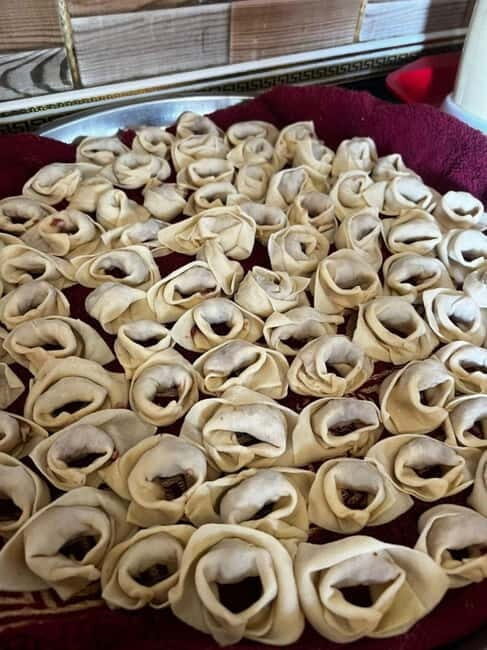
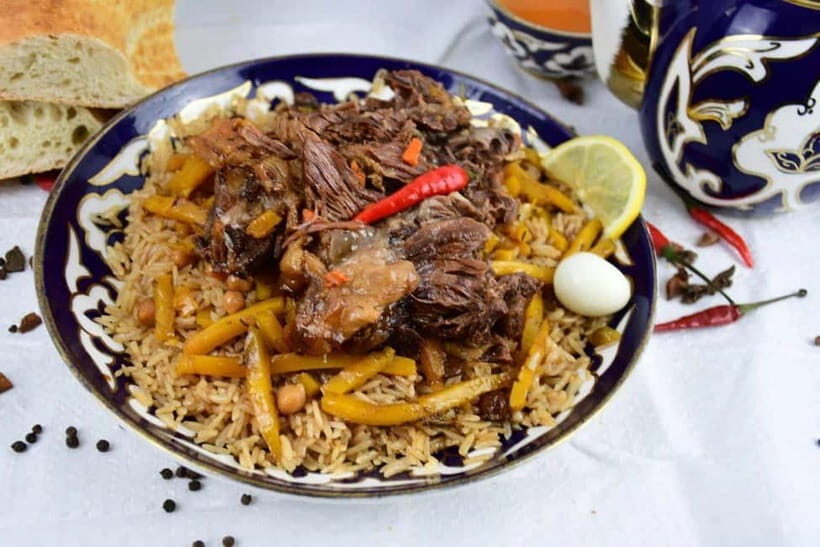
- Plov, shashlik, and samsa from scratch in a family home
- Navruz and Guli add context on traditions, costumes, and how daily routines work
- Konigil paper-making stop tied to old local craft traditions
- Pottery, oil meal, and hand-made rugs show how skills pass through generations
Bazaar First: Your Market Notes Start the Meal
The day kicks off at a local bazaar—the kind of place where you can learn a lot just by watching how people bargain, choose ingredients, and move through stalls. I like a market start because it changes your cooking. When you see the items up close, you understand what matters: shape, freshness, smell, and the simple logic of how people shop for a family meal.
You’ll also get the background talk that turns the market from scenery into context. This is where your guide helps connect food to culture. Instead of treating ingredients as “stuff to use,” you start thinking like a home cook: which ingredient is the backbone, which ones are support flavors, and what you choose based on the meal you’re making.
One practical point: bazaar time can move quickly. Wear comfortable shoes and plan to spend most of it upright—this isn’t a slow museum stroll. Also, if you’re the type who loves to ask questions, bring your curiosity. Market stops usually reward it.
You can also read our reviews of more cooking classes in Samarkand
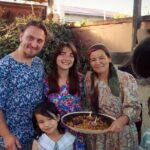
Cooking at Home: Plov, Shashlik, and Samsa in a Family Kitchen
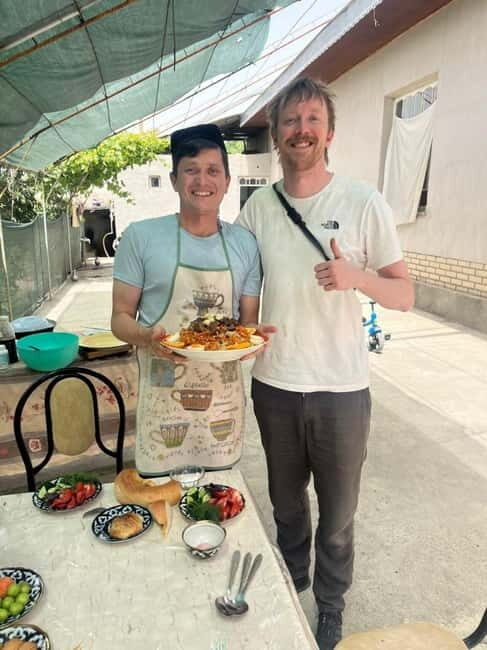
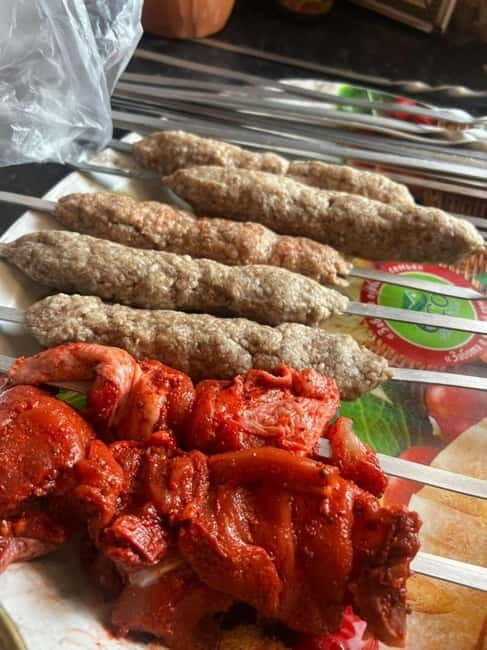
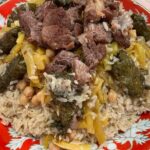
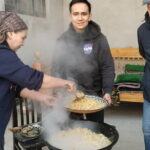
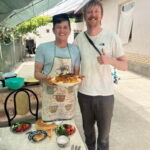
The main event is cooking with a local family in their home. You’re not stuck at a studio counter with a demo-only setup. You’ll work through dishes like plov (rice pilaf), shashlik (grilled meat), and samsa (savory pastries), learning how the steps connect—prep, seasoning, timing, and how texture tells you when you’re on track.
This is also where the experience earns its “local” label. Meeting the family in their space changes how you learn. The kitchen isn’t designed for tourists, so you pick up the real rhythm of cooking: helping where you’re needed, asking small questions, and adjusting because someone who lives with the process is guiding you.
A couple of details matter here. First, you’ll cook “from scratch,” which usually means you’re doing more than reheating prepped ingredients. Second, the teaching doesn’t end at technique. The guide helps with the story—how dishes fit traditions and what they might signal during everyday life or special moments.
From the guide side, Navruz leads the cultural side, and Guli is part of that warmth and instruction. The result is that you get explanations in plain language, plus enough hands-on coaching to keep you from feeling lost in a real kitchen.
The Family Connection: Traditions, Costumes, and Even Chess
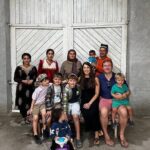
After you’ve worked up a cooking rhythm, the family interaction becomes the best kind of extra. This isn’t just polite hosting. You’re sharing the table—talking, listening, and getting small glimpses into how people live.
In the best moments, the conversation turns to traditions and costumes. That’s a major value-add because food is only half the story. The other half is identity: what people consider important, how they pass down habits, and what gets talked about at home when guests arrive.
One small but memorable detail from the experience: you might even end up playing chess, depending on how the day flows. It sounds simple, but it’s exactly the kind of detail that turns a class into a human encounter.
Keep in mind the “home” part means the day runs on family comfort, not restaurant timing. If you want a perfectly scripted, clockwork schedule, this might feel a little less rigid. If you’re happy to go with the flow, you’ll likely feel more connected to what you’re doing.
Konigil Paper Factory and the Workshop Stops That Make Skills Tangible
After cooking and lunch, the day doesn’t end with food. You’ll visit Konigil paper-making, plus more hands-on craft workshops related to oil meal and pottery.
Why I love this sequence: it keeps your brain in “making mode.” Cooking teaches you how ingredients become meals. Craft stops teach you how materials become objects people use. It’s the same theme, just a different medium. You start to see how daily life depends on skills—skills that don’t show up on most photo routes.
At Konigil paper-making, you’ll learn about a tradition that goes far back. One highlight from the experience is the sense of continuity—paper making tied to older local practice, not just a modern tourist demonstration.
Then the workshops broaden what you notice. Oil meal and pottery relate to household needs and practical production. Even if you’re not trying to become a potter (good news, you won’t need that), watching the process gives you a better appreciation for why these crafts matter in daily life.
This part of the day is also where you get good “I’ll remember this later” memories. Food fades fast. Skills and materials stick longer, especially when you see them in motion and understand what’s being made.
Hand-Made Rug Production: Seeing Patience at Work
You’ll also spend time at a rug-making place where the rugs are made by hand. This stop works for two kinds of travelers: the craft lovers and the “I just want to understand what I’m looking at” crowd.
Rugs are a great subject because they’re both functional and cultural. Watching hand-making helps you understand why people pay attention to detail: knot work, pattern planning, and the slow build that creates something durable enough for everyday use.
It also pairs well with the rest of the day. After cooking, you’ve learned about texture and process. After workshops, you’ve learned about materials and transformation. The rug stop ties it all together with a craft that’s easy to appreciate even if you’re not an expert.
If you like bringing something home, this is where you’ll see how quality is tied to time and hands-on work. Even if you don’t buy, the knowledge makes later shopping more meaningful.
A few more Samarkand tours and experiences worth a look
Price and Value for a 5-Hour Private Group
The price is $65 per person for about 5 hours, with an air-conditioned vehicle, lunch, and bottled water included. On paper, that might sound like a “cooking class” price. In practice, you’re getting more than food instruction.
You’re paying for:
- A private-group format (less waiting, more personal attention)
- Home cooking instruction, not a staged studio
- Lunch included
- Added craft stops after the meal
For value, I’d frame it like this: if you were to do cooking instruction plus a market visit plus craft excursions as separate bookings, the total would usually climb. Here, everything stays in one connected day, so you avoid transport wrangling and schedule stress.
The private setup also matters. In a small setting, the guide can explain at your pace. And in a family kitchen, that kind of pacing makes a big difference.
What to Wear and How to Be a Good Home Guest
There are clear rules for this experience, and it’s worth planning around them. Short skirts and tight clothing are not allowed. Alcohol and drugs are prohibited, and alcoholic drinks—including red wine—are not allowed. Nudity is also not permitted.
So what does that mean practically? Dress modestly and comfortably for a mix of walking (market time) and sitting/working (home kitchen time and workshops). Choose clothes that you can move in, and skip anything fragile, too tight, or too short. If you’re unsure, aim for simple, respectful basics.
Also remember: this is a family home. You’ll get the most out of the day if you treat it like a visit, not a performance. Ask before snapping photos, keep your pace calm, and follow the guide’s lead on what’s okay.
Language Help: English Plus Several Other Options
The guide lineup includes English, Korean, Russian, Uzbek, and Tajik. That matters because it affects how much you can actually understand in the kitchen and during the craft explanations.
If you’re traveling with mixed language needs, the multilingual offering is a real advantage. Even simple translation can turn confusing moments—like steps in dough-making or seasoning—into real learning.
Who This Day Suits Best
This is a strong match if you want:
- A food experience that’s hands-on, not just a tasting tour
- A day with local conversation and cultural context through a family setting
- Craft stops after lunch so the day feels varied but connected
It’s also a good fit for people who like smaller days instead of sprinting between sights. You’re getting depth rather than a checklist.
If you dislike home visits, rules about clothing, or you want a strictly timed, restaurant-style experience, you might prefer something more formal.
Should You Book Navruz’s Samarkand Cooking Day?
Book it if you want your Samarkand day to feel human and practical—market-to-kitchen learning, then craft stops that explain how locals make what they use. The big win is the family component: Navruz, plus Guli and the wider household, bring stories and context alongside the cooking steps.
Skip it if you need a purely casual outing with no conduct rules, or if you’re expecting a big sightseeing bus day. This is a focused experience, and it works best when you’re ready to follow the flow of a real household schedule.
If you’re trying to choose between “see the city” and “learn how people live,” this one leans toward the second. And in Samarkand, that’s a very satisfying way to spend your time.
FAQ
Where does this experience take place?
It takes place in the Samarqand Region of Uzbekistan.
How long is the cooking class and tour?
The duration is 5 hours.
What does the $65 price include?
Air-conditioned vehicle transport, lunch, and bottled water are included.
Is this tour private?
Yes. It’s listed as a private group.
What languages are available for the live guide?
The guide language options include English, Korean, Russian, Uzbek, and Tajik.
What dishes will I cook?
You’ll cook traditional Uzbek dishes including plov, shashlik, and samsa.
Do you visit any places besides the home cooking?
Yes. The day includes stops such as the Konigil paper factory, an oil meal and pottery workshop, and a hand-made rug making place.
Are there any dress or behavior rules?
Short skirts, tight clothing, alcohol, and drugs are not allowed. Red wine and alcoholic drinks in the vehicle are also not allowed. Nudity is not permitted.
What’s the cancellation policy?
You can cancel up to 24 hours in advance for a full refund.