REVIEW · SAMARKAND
Samarkand: Village Tour with Plov Cooking Class & Home Visit
Book on GetYourGuide →Operated by Travel to Central Asia · Bookable on GetYourGuide
A village meal can be a whole lesson. In Samarqand Region, this 8-hour tour pairs a plov cooking class with a real home visit, so you’re not just watching from the sidelines. When guides like Asrorbek pick you up in Samarkand, the day starts with friendly, practical explanations about rural life and what you’re going to see next.
I love the way the day builds from buying ingredients to cooking together, including bread (non) and fresh salads. You also get helpful hosting from people like Oysara in the kitchen and Javokhir as your guide, with conversation that stays natural and curious, not stiff. One consideration: the experience involves walking around a village and rural areas, and it isn’t suitable for wheelchair users, despite the note about wheelchair access.
In This Review
- Key highlights
- Getting out of Samarkand and into everyday village life
- The bazar stop: where your plov ingredients take shape
- The village walk and the guided orientation
- Your home visit: how hospitality becomes the main attraction
- Plov cooking class: the step-by-step version you can actually follow
- The meal: shared food, shared stories
- Optional folk music at the end of the day
- Price and value: what $59 buys you in real experience
- Group size and English guidance: comfort for solo visitors
- What to bring (and what will actually help)
- Who should book this village plov experience
- Should you book this tour in Samarkand?
- FAQ
- How long is the Samarkand village tour?
- What does the $59 per person price include?
- Is hotel pickup included?
- What if the group is larger than 5 people?
- Is the tour guided in English?
- What will I cook or eat during the day?
- Is live folk music part of the experience?
- What should I bring with me?
- Is smoking or alcohol allowed?
- Is the tour suitable for wheelchair users?
- What’s the cancellation policy?
Key highlights
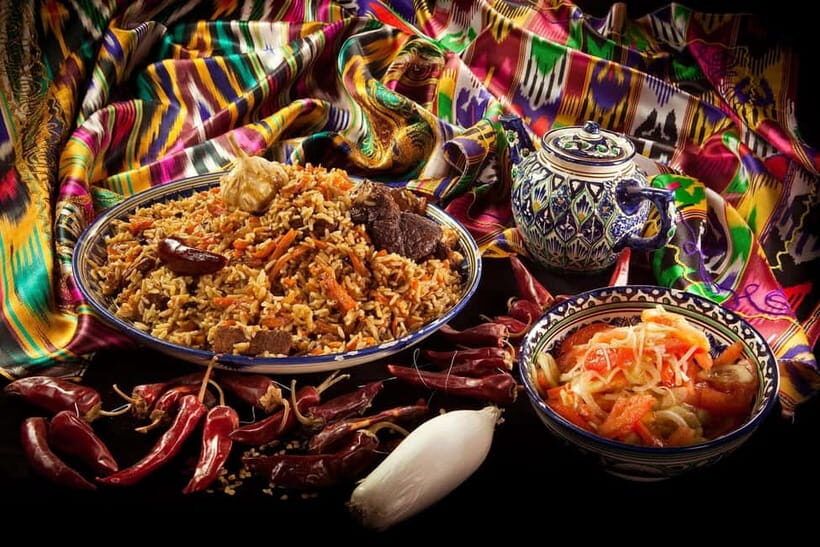
- Hands-on plov cooking with guidance and a focus on techniques passed down in the family
- Home visit hospitality, where you share food in a communal, relaxed setting
- Bazar shopping to pick ingredients before the cooking starts
- Non (bread) and salads alongside the main plov dish
- Live-fire cooking setup in a traditional way, often over open flame
- Optional folk music performance with traditional Uzbek instruments to close the day
Getting out of Samarkand and into everyday village life
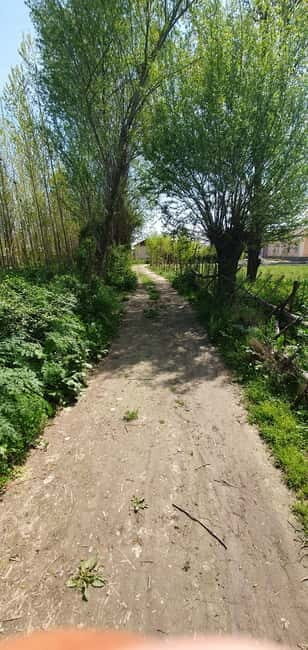
The tour starts with pickup in Samarkand, and you ride out toward the Samarqand Region village area. Expect a simple flow: your guide keeps things organized, and you get a bit of context as the city fades.
Along the way, there’s time for a short photo stop and a quick sightseeing pause, plus a guided explanation of what you’re seeing. It’s not a long, frantic transfer—more like a gentle warm-up so you arrive ready to participate.
You can also read our reviews of more cooking classes in Samarkand
The bazar stop: where your plov ingredients take shape
A big reason this tour feels worth it is the way it starts at the bazar rather than jumping straight to cooking. You’ll shop for the ingredients for plov, and you’ll see how locals think about what goes into the meal.
This part matters because it turns cooking into a story, not a task. When you later measure, chop, and learn the steps, you already know what you bought and why it belongs in this dish.
Some guides are known for being both informative and funny (Bekjon comes up in feedback), which helps if you don’t yet know the Uzbek rural rhythm. You can ask questions freely—how people eat, what’s grown, what seasons change in daily life.
The village walk and the guided orientation
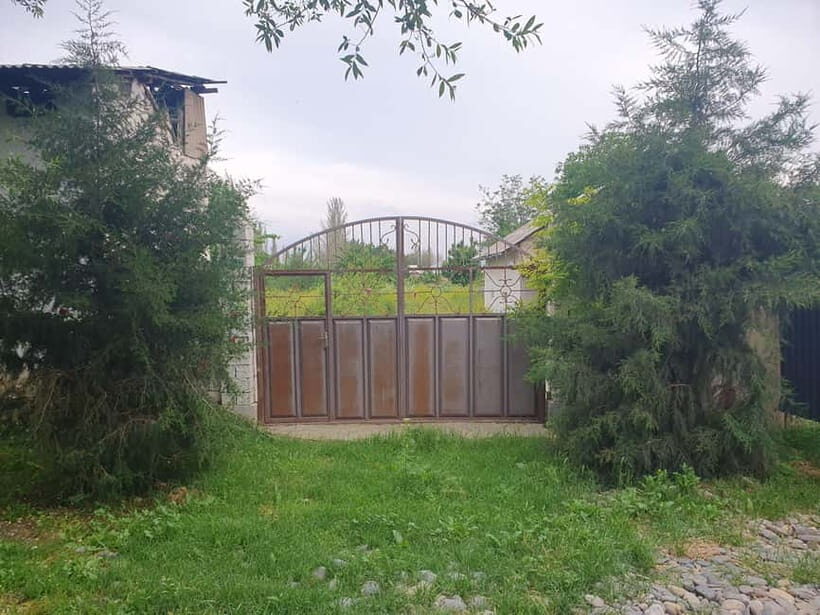
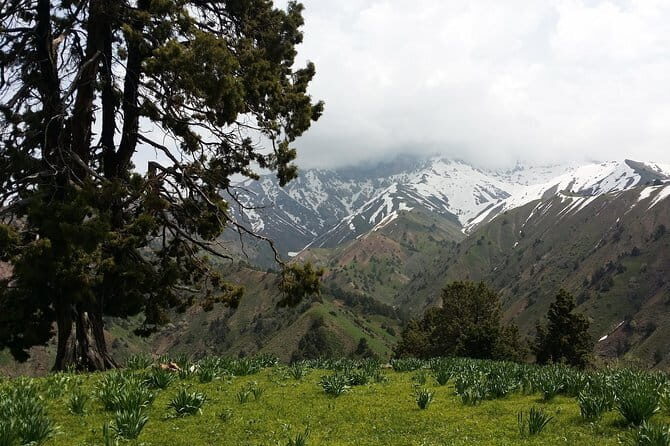
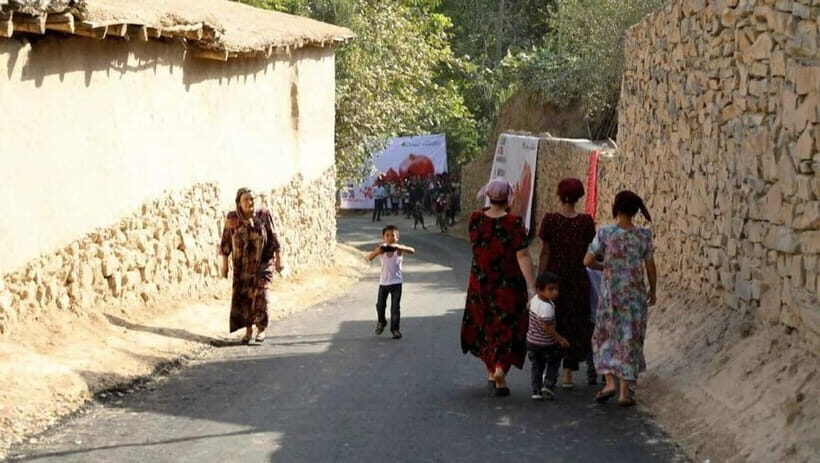
Once you arrive, the day shifts from shopping mode to village mode. You’ll have a guided tour that focuses on practical things: how houses are built, what daily routines look like, and how the community lives alongside nature and livestock.
There’s also room to slow down. In feedback, people describe it as a calmer day rather than an action-packed sprint, which is a real win if you’ve already spent time rushing between monuments in Uzbekistan.
You may also be shown traditional crafts, and you might have some time for optional extras like games or a garden/farmland walk depending on how the day unfolds.
Your home visit: how hospitality becomes the main attraction
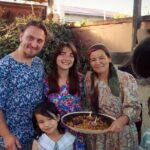
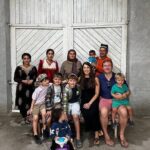
This is the heart of the experience: you’re welcomed into a local family’s home and treated like a real visitor, not a passing customer. You’ll sit down for snacks first, then later share the full meal together.
What makes this work well is the conversation. Guides such as Jahovir are described as keeping topics flowing and comparing Uzbek ways with other cultures in a respectful, easy way. That matters, because it turns a “tour” into an actual human exchange.
The family setting also changes your sense of time. You’re not just tasting plov—you’re watching how a household shares food, chats, and moves through the day. The communal meals feel warm, and the atmosphere tends to be relaxed, with lots of laughter and questions.
Plov cooking class: the step-by-step version you can actually follow
Yes, you’ll learn to cook plov. But what’s really valuable is how you learn it: with guidance from your hosts and a focus on technique, not just recipes.
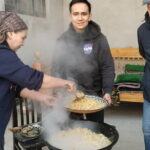
You’ll cook alongside the family, and you may learn from a “master chef” setup—more traditional than a classroom demo. Open-fire cooking is part of the experience, and several accounts mention cooking in an authentic way over live flame, even in a barn-like area.
The tour also covers the basics that make Uzbek home cooking taste right:
- understanding the sequence of steps
- how ingredients come together
- how to handle the rice dish so it turns out hearty and flavorful
You’ll also prepare other staples, including non (bread) and salads. Bread isn’t a side quest here. It’s part of the meal culture, and the hands-on approach helps you understand how much work goes into even “everyday” food.
One key point: you’re not just tasting what’s already made—you’re participating. Even if you’re not a confident cook, the structure gives you enough support to feel included.
A few more Samarkand tours and experiences worth a look
The meal: shared food, shared stories
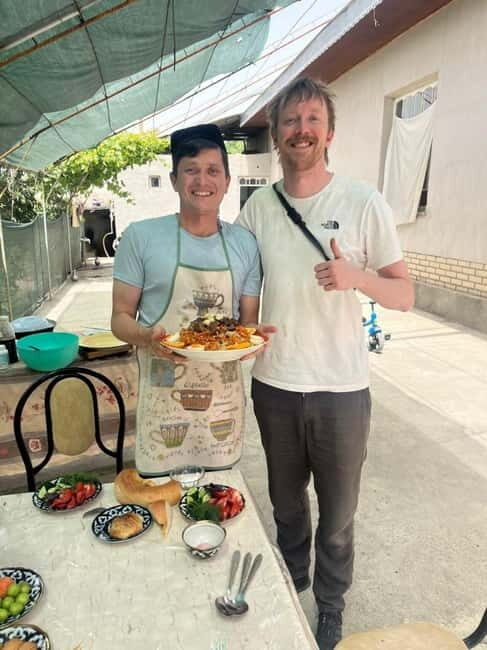
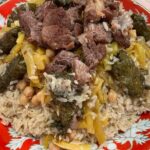
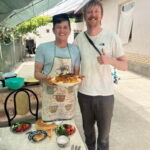
After cooking, you’ll eat the dishes you made in a communal setting. This is where plov stops being a lesson and turns into comfort food you genuinely remember.
Portions are described as generous, and people consistently say the plov tastes excellent. The salads and fresh bread round it out so the meal feels complete, not one-note.
Most important, you’ll share time with your hosts while you eat. That’s where the cultural conversation happens naturally—family routines, traditions, and day-to-day village life. If you’re someone who enjoys talking more than photographing, this meal block is the part you’ll likely look forward to most.
Optional folk music at the end of the day
To close, there’s an optional live performance of folk music by local musicians. Expect traditional Uzbek instruments, and it gives a nice sensory wrap-up after the food and conversation.
It’s a small add-on, but it helps you take the day home with more than just photos. You’ll feel how arts and hospitality connect in everyday community life.
Price and value: what $59 buys you in real experience
At $59 per person for about 8 hours, the value here is mostly in what’s included—not just the cooking. You’re getting:
- transport from your hotel area in Samarkand to the village
- a guided village tour
- a home visit with a family
- hands-on plov cooking (plus non and salads)
- a shared traditional meal
- optional music performance
That’s a lot for one day, especially if you compare it to stand-alone cooking classes. Here, cooking is the entry point to village life, and the home visit is the real payoff.
Also, the pacing tends to be slower and more relaxed than typical “checklist” tours. That matters. When a day feels rushed, cooking time and conversation time both shrink. With this format, you actually get to sit, eat, and talk.
Group size and English guidance: comfort for solo visitors
The tour guide works in English, which makes a big difference for a home visit where conversation carries most of the meaning. In feedback, guides like Asrorbek, Astro, Bekjon, and Javokhir are described as friendly and responsive, with good explanations that keep the day understandable.
Small groups pop up too, and that’s not just a “nice-to-have.” When it’s only you and one other person, you get more time with the family and fewer awkward pauses while everyone waits their turn.
If you’re traveling solo, this kind of guided structure helps you feel more at ease. You still meet a family, but you’re not left to navigate the whole experience alone.
What to bring (and what will actually help)
This day is outdoors, sunny, and walking-friendly when you’re steady on your feet. Bring:
- comfortable walking shoes (you’ll want grip)
- a sun hat and sunscreen
- a camera if you like documenting meals and village life
Water is provided, and you can bring your own too. Good hydration helps because village days in the sun add up fast.
Who should book this village plov experience
This tour is a great fit if you want more than monuments. You’re booking for food culture, family hospitality, and hands-on cooking—especially plov—with guided context.
It also suits couples, families, and solo travelers who enjoy learning through conversation and participation. If you like practical cultural experiences—market shopping, bread making, cooking over fire—this is your lane.
If you hate walking, dislike homes or kitchens as settings, or need full wheelchair accessibility, you should think carefully. The information notes it isn’t suitable for wheelchair users or people with mobility impairments, even though there’s also a wheelchair-accessible note. In real life, that usually means lots of surfaces and steps vary, so ask directly before booking if mobility is a concern.
Should you book this tour in Samarkand?
If you’re craving a genuine village day built around plov cooking and a real family meal, I’d book it. At $59, you’re paying for far more than a recipe—you’re paying for the market-to-table arc, English guidance, and hours of hospitality.
Skip it only if you know you can’t handle a day with walking around a village and farm areas, or if you need strict accessibility accommodations. Otherwise, this is the kind of experience that tends to stick with you long after the photos fade: the smell of bread, the work of cooking rice, and the easy conversation at a shared table.
FAQ
How long is the Samarkand village tour?
It runs for 8 hours.
What does the $59 per person price include?
It includes a guided village tour, a home visit with a local family, a plov cooking class, a traditional meal shared with the family, optional music performance, and transportation to the village.
Is hotel pickup included?
Yes, pickup is included from your hotel in Samarkand.
What if the group is larger than 5 people?
If the group has more than 5 people, you may be asked to visit a meeting point instead of direct pickup, and your guide will meet you there.
Is the tour guided in English?
Yes, the live tour guide speaks English.
What will I cook or eat during the day?
You’ll learn to make plov, and you’ll also work with other staples such as non (bread) and salads. You’ll then share the meal together.
Is live folk music part of the experience?
There is an optional live performance of folk music by local musicians.
What should I bring with me?
Bring comfortable shoes, a sun hat, a camera, and sunscreen.
Is smoking or alcohol allowed?
Smoking indoors is not allowed, and alcohol and drugs are not allowed.
Is the tour suitable for wheelchair users?
The information says wheelchair accessible, but it also states it is not suitable for wheelchair users or people with mobility impairments. It’s best to ask directly if you have mobility needs before booking.
What’s the cancellation policy?
Free cancellation is available up to 24 hours in advance for a full refund.