REVIEW · SAMARKAND
Bird Watching Tours in Samarkand
Book on GetYourGuide →Operated by Trip Orient LLC · Bookable on GetYourGuide
Birds come first on this Samarkand outing. You start in the Zeravshan tugai woods and spend the day chasing species along real river habitat, not just viewpoints.
What I like most is the habitat mix in one day. You get river-forest birding at Zeravshan, then you shift to Aqdarya (Ishtixan) wetlands where waterbirds can show up, and you also get time for walking at Aman-Kutan.
The main thing to keep in mind: bird numbers and variety swing with weather and season. If conditions are quieter, you may still see plenty of common birds, but the standout species from the day’s bird list may be harder.
In This Review
- Key points to know before you go
- Samarkand to Zeravshan: tugai woods where birding gets real
- Aman-Kutan: the hiking stretch that changes what you’ll spot
- Aqdarya (Ishtixan) water reserve: where herons and shorebirds fit in
- Pace and timing: how the hours actually feel
- Gear and birding strategy: what helps you see more
- Price and value for a private group up to 2
- Who should book this Samarkand bird watching day
- Final verdict: should you book this birding day from Samarkand?
- FAQ
- Where does this bird watching tour start and end?
- Where do you go during the day?
- How long is the tour?
- What’s included in the price?
- What should I bring?
- Is the tour private and offered in English?
Key points to know before you go
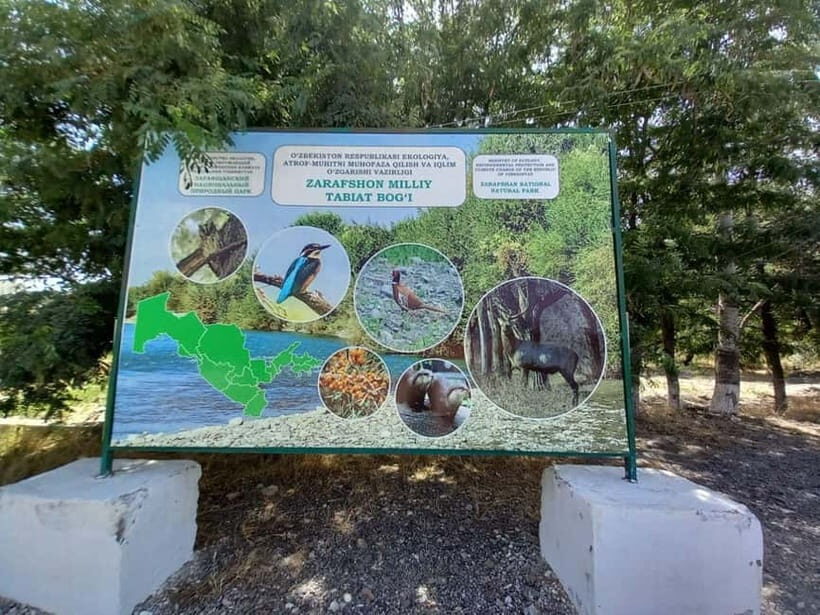
- Zeravshan tugai woods along the river are the core birding stop, with chances at small forest and woodland birds
- Aqdarya (Ishtixan) adds wetland habitat for herons, shorebirds, and other water-associated species
- About 5–6 hours of tour time in the schedule, with longer stretches of walking and bird watching planned
- Private group for up to 2, plus hotel pickup and drop-off from Samarkand
- Spotting gear included: binoculars and a telescope, plus an English-speaking guide
- Lunch is included, and you also get a picnic-style break during the day’s walking
Samarkand to Zeravshan: tugai woods where birding gets real

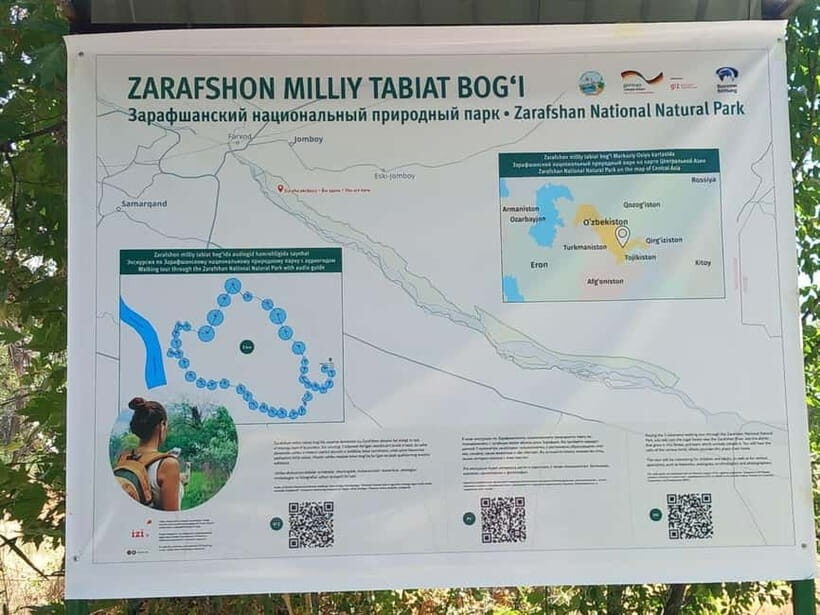
This is a bird-focused day trip from Samarkand into the Zeravshan Natural Reserve, a drive of about 15 km from the city. The payoff is that you’re not just stopping at one pretty spot. You’re moving through habitat that supports birds year-round, especially along the Zeravshan river where tugai woods grow.
After breakfast, the route takes you into the western part of the Zeravshan river basin. Then the guided portion starts with a mix of photo stops and walking, and you’ll be scanning constantly. The tugai woods matter because they create edge habitat—trees and shrubs near water—where lots of different birds feed and pause between flights.
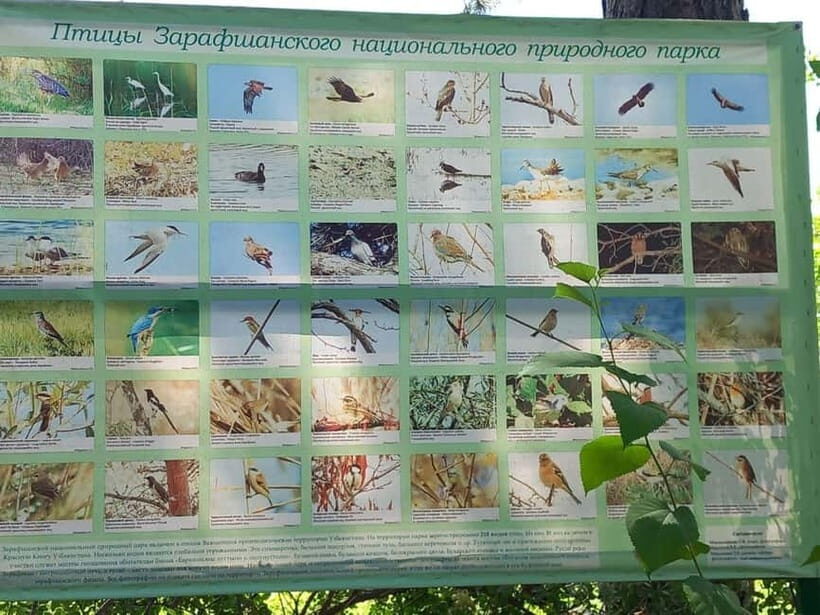
The bird list for Zeravshan is long, and it includes woodland and river-adjacent species you don’t always get on dry, open-country trips. In the tugai woods, you may see birds such as Turkestan Tit, Night Heron, White-winged Woodpecker, and Shikra. The reserve is also a place where you might pick up other colorful or active birds like Rose-coloured Starling, Masked Wagtail, Rock Thrush, and Great Rock Nuthatch.
On a good morning, things can feel fast. I remember a day where the sightings clicked into place quickly, including multiple standout species in a short window while our guide was calling out where to look and when to wait. That waiting part is underrated—birds often show up after you’ve watched the same branch line or water edge for a few quiet minutes.
You can also read our reviews of more tours and experiences in Samarkand.


Aman-Kutan: the hiking stretch that changes what you’ll spot
Between the two main reserves, you’ll spend time at Aman-Kutan. The plan includes lunch, a picnic break, and hiking for about 3.5 hours. This stop works like a habitat switch: you’re no longer purely anchored to river woods. You’re walking through terrain where you’re likely to meet different flight paths, perches, and ground activity.
Because the itinerary is built around bird searching, the hiking isn’t just exercise for exercise’s sake. You’ll typically slow down at likely spots, stop when you hear calls, and use breaks to regroup. If you’re comfortable walking for long stretches, this is where you can rack up the most “in-between” bird moments—quick fly-bys, birds that pop into view and vanish, and the small changes in behavior that tell you where the action is.
You should also expect that Aman-Kutan is a place where you’ll see more small and desert-edge birds, not only the dramatic “everyone’s excited” species. The tour’s guidance notes that the areas around Samarkand can be home to birds like House sparrow, Laughing dove, and Eurasian magpie. Even if the rare headline birds stay out of sight, these common locals still make the day worthwhile because they’re often active and easier to track once you know what to scan for.
One practical note: since this is a walking-heavy day, wear shoes that handle uneven ground. You don’t want to spend your energy worrying about footing when your best bird sightings might happen right at eye level.
Aqdarya (Ishtixan) water reserve: where herons and shorebirds fit in
After Zeravshan, you transfer to Aqdarya reserve (Ishtixan), about 60 km from Samarkand. This is the wetland counterweight to the earlier tugai-woods birding. Lunch happens here, which also helps—your midday rest doesn’t remove you from the birds for long.
Aqdarya is described as a water reserve with populus (white poplar) groves, salt cedar and tamarisk, plus bushes along the water. This mix matters because it creates both open water edges and sheltered perches. Wetlands like this can host birds in different “layers”: water surface users, shoreline foragers, birds that hunt from reeds or bushes, and birds that pause before moving on.
The species list for this stop leans into water-associated birds. You might see White Scoter, Gray Heron, and Sandpiper. There’s also a chance for birds that connect to the wider food web, like Common Hoopoe and Black Vulture. If warblers and swallows are active that day, you may spot names like Orphean Warbler, White-throated Robin, and Red-rumped Swallow.
What I like about splitting the day this way is that it gives you a better shot at variety. If the river-forest habitat produces one set of species early, the wetland habitat can add a totally different set later—often with different bird behavior and different viewing angles.
And if the day is slow for rarities, wetlands still deliver through persistence. You might not get constant action, but you can often find birds methodically by scanning waterlines and listening for sudden changes in movement. A telescope helps here when birds stay at a distance and you don’t want to keep losing them against the horizon.
Pace and timing: how the hours actually feel
The tour is a 1-day experience with hotel pickup in Samarkand and return to the city by the end of the day. The schedule includes multiple parts: the Zeravshan stop with a guided walk and photo time, the Aman-Kutan hiking stretch, then the Aqdarya transfer and lunch with more birding.
The published plan aims for long birding time, and the experience is described as offering about 7 hours of bird watching. At the same time, the “know before you go” guidance mentions the tour continues about 5–6 hours. So think of this as a day where the birding time is the real event, but the overall transport and breaks keep it from feeling like a full 8–10 hour march.
In other words: you’ll be active, but you won’t be out there all day without breaks. Lunch is included, and you’ll have a picnic-style stop during the hike. Still, this is not a sit-and-stare tour. If you want easy, short stops, pick a more compact option. This one is built for people who enjoy walking and scanning.
Also, the day is structured around specific nature zones, not a rotating grab bag of random pull-offs. That’s a big deal. Birds don’t care about your schedule, but they do respond to habitat. The itinerary tries to match habitat with the bird list they’re targeting.
Gear and birding strategy: what helps you see more
The tour includes binoculars and a telescope, plus an English-speaking guide. You’ll also have entry tickets and donations covered, which removes a layer of admin and lets you focus on spotting birds and staying in the field.
They also tell you to bring binoculars. Since binoculars are included, I read this as a gentle nudge: bring your own if you’re particular about comfort or you want a familiar setup. If your eyes like your own eyepiece more than rental-style gear, you’ll spot longer and with less frustration.
The guide approach is the heart of the experience. On a strong day, you’ll feel the benefit of someone who can point out likely perches, tell you where to stand, and notice movement before you do. For example, the guide Elior (mentioned in one booking) was described as extremely kind, and the day produced several lifer-level sightings quickly, including White-winged Woodpecker, Eurasian Hobby, and Red-tailed Shrike.
Still, balance this with reality: birding is not always a guaranteed parade of headline species. Even with a good guide, some days bring mostly small birds and common residents. And if your priority is ultra-specific ornithology—instant call IDs and guaranteed specialty birds—be aware that a guide can be strong in guiding and driving while still not matching the expectations you’d have from a dedicated full-time birder.
Your best strategy: bring patience. When you hear something but can’t see it, pause, keep your eyes level with shrubs or tree edges, and give the habitat a minute to reveal what’s moving. With the telescope, focus on water edges and open lines where birds can pause.



Price and value for a private group up to 2
The price is $170 per group, designed for up to 2 people. That means the cost doesn’t scale by headcount, and you’re paying more for a controlled, private day than for a crowded group.
Where this can feel like good value is in the bundle: you get hotel pickup and drop-off, an English live guide, entry tickets (plus donation), binoculars and a telescope, and lunch. A day that includes both transport and access to nature areas usually costs more once you start paying each piece separately.
If you’re two people, you’re often spreading that fixed group cost across both of you. If you’re traveling solo, the tour may still be worth it if your main goal is a focused birding day without other people slowing the scanning rhythm.
One more “value” point: birding days aren’t about ticking off a museum list. They’re about access to habitat and time in the field. This itinerary is built around two different reserves plus a hiking zone, which reduces the risk of a day that feels like it’s all travel and no sightings.
Who should book this Samarkand bird watching day
This tour makes the most sense for you if you like birding at a steady pace and you enjoy walking and scanning rather than just taking quick photos. You’ll also enjoy it if you want a guide to handle the route, the access points, and the habitat transitions between reserves.
You might especially like this day if you’re interested in Central Asian birds tied to river and wetland systems. The plan highlights species you might see in tugai woods and water reserves—places where birds behave differently than in open deserts.
It’s not listed as suitable for pregnant women and babies under 1 year. If that applies to your group, choose a less walking-heavy option. Also, there are rules about behavior: no smoking, no alcohol and drugs, and don’t touch animals or plants.
If your goal is strict “guaranteed rarity chasing,” treat this as a best-chance birding day, not a checklist promise. Birdwatching depends on what birds feel like doing that day, plus local weather.
Final verdict: should you book this birding day from Samarkand?
I’d book this if you want a well-structured birding route with time in two habitats—Zeravshan tugai woods and Aqdarya (Ishtixan) wetlands—plus a hiking stretch that adds variety. The included spotting gear and lunch make it easier to stay focused on birds instead of logistics.
I’d hesitate only if your expectations are very strict. The day’s specialty species list is ambitious, and conditions—especially late dry-season moods—can reduce the number of birds you see. Also, make sure the guide you get can meet your level of birding focus; some days you may find the guidance is more general nature plus spotting than deep ornithology.
If you book, go in with the right mindset: patient scanning, comfortable walking shoes, and curiosity about both common birds and the headline names. When the day lines up, this is the kind of outing where a few unexpected lifers can make the whole trip feel worth it.
FAQ
Where does this bird watching tour start and end?
It starts with pickup from your location in Samarkand and returns you back to Samarkand at the end of the day.
Where do you go during the day?
The route goes from Samarkand to Zeravshan Natural Reserve, then to Aman-Kutan, and then to Aqdarya reserve (Ishtixan) before returning to Samarkand.
How long is the tour?
It’s listed as a 1 day experience. The guidance also notes the tour continues about 5–6 hours.
What’s included in the price?
Included are an experienced guide, hotel pickup and drop-off, all entry tickets and donations, binoculars and a telescope, and lunch.
What should I bring?
You should bring binoculars.
Is the tour private and offered in English?
Yes. It’s a private group and the live tour guide speaks English.