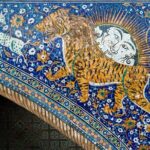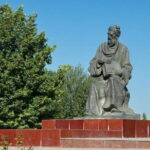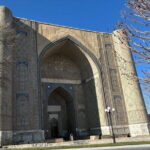
Tashkent hides art in plain sight. This 4-hour walk stitches together big landmarks, a legendary mosque complex, and Soviet-era metro stations designed like underground halls, so you get a feel for the city fast. I especially like the Hazrati Imam Complex for its mix of architecture and sacred atmosphere, and I like how the tour keeps moving so you’re not stuck in one spot all day.
One possible downside: it’s a true walking experience, and it’s not suitable for people with mobility impairments or wheelchair users. Bring water, wear comfortable shoes, and expect some time outdoors in the sun.
In This Review
- Key Highlights You’ll Actually Feel
- Why This 4-Hour Walk Is a Smart First Tashkent Move
- Hazrati Imam Complex: Where Tashkent Turns Sacred and Scenic
- Barakhan Madrasah and the Tillya Sheikh Mosque: Details Worth Slowing Down For
- The Muyi Muborak Library Museum: Ancient Qurans Close Up
- Kaffal Shashi Mausoleum: A Short Stop With Real Purpose
- Chorsu Bazaar: The Smell-and-See Stop You’ll Want to Return To
- Kosmonavtlar Metro Station and the Metro as an Underground Art Gallery
- Independence Square and the Grand City Center Mood
- Amir Temur Square: The Final Big Moment for Photos and Perspective
- Price, Tickets, and What You’re Really Paying For
- Guides Matter: What You’ll Likely Get From the Human Side
- Who This Tour Fits Best (and Who Might Prefer a Different Plan)
- Practical Tips So You Enjoy It, Not Just Survive It
- Should You Book This Tashkent Highlights Walking Tour?
- FAQ
- How long is the Tashkent Historical City Highlights Guided Walking Tour?
- How much does the tour cost?
- Where does the tour start?
- What languages are available for the live guide?
- Are entrance tickets included?
- Is flash photography allowed?
- What should I bring with me?
- Is the tour suitable for people with mobility impairments or wheelchair users?
- Is there free cancellation?
- Is a private group available?
Key Highlights You’ll Actually Feel
- Hazrati Imam Complex start with photo stops and guided time at major religious sites
- Muyi Muborak Library Museum featuring some of the world’s oldest Qurans and priceless manuscripts
- Chorsu Bazaar time for real local everyday life, snacks, and simple shopping
- Tashkent Metro as a gallery with marble, mosaics, and chandeliers (you’ll ride plus look around)
- Independence Square and Amir Temur Square for the political and historical heart of the city
Why This 4-Hour Walk Is a Smart First Tashkent Move
If you’ve only got half a day in Tashkent, this style of tour makes sense. You’re not trying to “see everything in Uzbekistan” in four hours. You’re getting a guided path through the city’s core stories—religion, daily markets, Soviet design, and modern national pride—without wasting time figuring out where to go next.
The price is also refreshingly straightforward at $19 per person for a licensed guide and taxes. That low cost is part of why these tours work so well for first-timers: you pay for direction and interpretation, not for a pile of add-ons. Just know that entrance tickets aren’t included, so you’ll want a little extra cash or a card ready for any indoor sites that charge.
You can also read our reviews of more walking tours in Samarkand
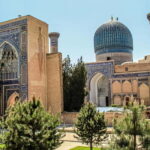
Hazrati Imam Complex: Where Tashkent Turns Sacred and Scenic
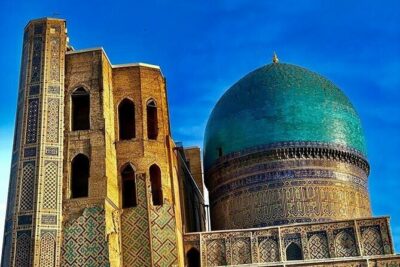
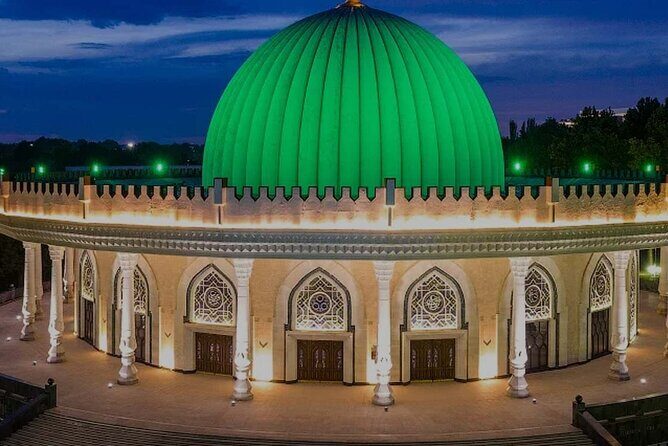
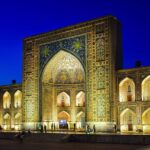
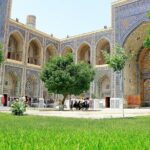
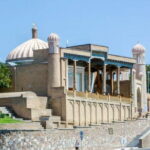
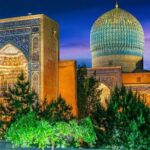
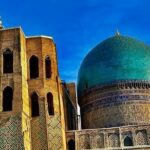
The tour begins at the Hazrati Imam Complex, a major Islamic center that sets the tone immediately. Expect a photo stop and guided sightseeing at the Barakhan Madrasah and the Tillya Sheikh Mosque. This isn’t just “pretty buildings” time. The guide’s job here is to connect what you’re seeing—tiles, courtyards, and religious architecture—to the meaning behind the place.
Two things make this opening stop valuable for you:
- You start with context, not random sights. Once you understand the site, later symbols like Independence Square and Amir Temur Square feel less like decoration and more like part of the same national narrative.
- You get a strong visual anchor early, so the rest of the walk doesn’t feel like a checklist.
Practical note: photography is allowed, but you won’t use flash. Plan for natural light shots.
Barakhan Madrasah and the Tillya Sheikh Mosque: Details Worth Slowing Down For
You’ll likely spend about twenty minutes at each of these stops, which is short enough to keep the day moving but long enough for a guide to point out specific elements. If you love architecture, this is the moment to pay attention—look for the way the complex transitions between space meant for prayer, learning, and community.
If you’re visiting in hot weather, this is also the time to take advantage of any shaded areas. The tour is only four hours total, but walking and sun can still catch you fast.
The Muyi Muborak Library Museum: Ancient Qurans Close Up
One of the standout parts of this tour is the Muyi Muborak Library Museum. This is where the tour stops being just sightseeing and becomes a rare chance to see world-famous religious manuscripts—described as among the oldest Qurans in the world, plus priceless manuscript materials.
Why it matters for you: Tashkent is not only about grand squares and Soviet marble. It also has deep roots in scholarship and sacred text. Having a guide here helps you connect those artifacts to the broader history of Central Asia, instead of just looking at glass and moving on.
Expect guided time and photo stops. Since entrance tickets aren’t included, you should be mentally ready for any museum entry fees (if applicable). Also keep your phone and camera settings ready without flash—you’ll get better results and you’ll follow the rules.
Kaffal Shashi Mausoleum: A Short Stop With Real Purpose
The itinerary includes the Kaffal Shashi Mausoleum with a guided stop and photo time. Mausoleums in this region tend to be more than monuments. They’re tied to respected figures, memory, and the way communities honor spiritual and scholarly influence.
This stop is useful because it keeps the theme consistent: religion and learning aren’t separate “topics.” They show up in the city’s fabric again and again.
If you’re someone who worries about time, don’t rush this one. The mausoleum part of the tour is short, but it’s often where a guide can give you the most emotional and personal context—like who the person was and why the community remembers them.
You can also read our reviews of more guided tours in Samarkand
Chorsu Bazaar: The Smell-and-See Stop You’ll Want to Return To
Then the tour shifts into everyday life with Chorsu Bazaar. This is your chance to slow down a touch and experience the city through the senses: spices, fresh produce, and classic Uzbek food. It’s also where shopping becomes realistic, not just souvenir browsing.
What you can do here:
- Take a guided look at how stalls are arranged and what people actually buy
- Try to notice patterns—what’s seasonal, what’s common, what’s treated like daily essentials
- Browse for small gifts or snacks, if you have time and an appetite
Shopping tip from the tour vibe: bring a small budget and decide early what you want. Bazaar shopping can turn into decision fatigue if you let it. I’d rather you pick one category—spices, sweets, or a small non-food gift—and stop there.
One more practical angle: bazaars can be crowded and warm, so keep water nearby and wear shoes that can handle uneven spots.
Kosmonavtlar Metro Station and the Metro as an Underground Art Gallery
Next comes the Tashkent Metro Stations segment, where the tour really turns unusual in a good way. These stations are famous for being decorated like palaces in marble, mosaics, and chandeliers—so you’re not just using transport. You’re entering an underground gallery.
A common theme from guide-led tours like this: you’ll ride the metro, then you’ll stop at notable stations for sightseeing and photos. One key reason this works for you is practical. Metro time is efficient. It also breaks up the walking so you’re not burning all your energy on streets.
If you love Soviet-era design, this is where you’ll notice the difference between “old city” and “20th-century ambition.” It’s the same city, but the style shifts. And that contrast is part of Tashkent’s personality.
Photo rule matters here too: no flash photography. The light inside some stations can be tricky, but your camera will handle it if you keep ISO steady and don’t over-rely on flash.
Independence Square and the Grand City Center Mood
Above ground again, you’ll hit Independence Square (Mustakillik Square). This is a symbolic stop—more about what the space represents than only what it looks like. It helps explain how modern Uzbekistan presents sovereignty in physical form.
You’ll also have time at other central areas, including a stretch called Sailgokh Street, plus the boulevard with leafy paths and cafés described in the tour highlights. This is your chance to reset—take a breath, look around like a local, and get a feel for day-to-day city rhythms.
If you’re planning photos, this is where a wide shot helps. The squares are easier to frame when you can step back and include the surrounding buildings and open space.
Amir Temur Square: The Final Big Moment for Photos and Perspective
The last major landmark is Amir Temur Square, a guided photo stop and sightseeing walk. The statue of Uzbekistan’s great ruler is the visual center, and for many first-timers this is the easiest way to understand how history is displayed publicly in Tashkent.
Why ending here works: earlier stops focused on sacred spaces and manuscripts. Then you move into civic identity. By the time you’re at Amir Temur Square, you’ve built a mental map of how different eras and values show up in the city’s public face.
A helpful tip from the tour’s overall flow: keep your camera accessible and your battery charged. The square is a classic “one perfect background” location—especially if you’re staying anywhere central.
Price, Tickets, and What You’re Really Paying For
At $19 per person for a licensed guide and taxes, this is good value for a few reasons:
- You’re paying for interpretation, not just movement between landmarks.
- You’re getting multiple “high effort” stops in one half-day block: religious complex, manuscript museum, a major bazaar, and metro stations.
- The route includes both walking and a metro ride, which helps you cover more ground without feeling like you’re sprinting.
The only real cost caveat is that entrance tickets are not included. The tour data doesn’t list which exact sites charge, so the safe approach is to assume you may pay something for indoor spaces. Plan a bit of extra spending power so you don’t hit the “wait, we need to pay?” moment.
Guides Matter: What You’ll Likely Get From the Human Side
One of the strongest signals from the tour experience is the guide quality. Names that pop up in successful tours include Makhzuna, Bunyad, and Makhsuma (spelling varies), with consistent praise for being friendly, punctual, and patient. Several guests also note fluent English and a strong ability to answer questions not only about Tashkent, but also about history and connections across the region.
This matters because Tashkent’s highlights can feel like “just buildings” if nobody explains them. A good guide turns statues, madrasahs, and bazaars into places with stories you can carry with you.
Who This Tour Fits Best (and Who Might Prefer a Different Plan)
This is a great match if you want:
- A short, organized intro to Tashkent’s main landmarks
- A mix of architecture, local market life, and Soviet-era design
- A walking plan that still includes metro time so you’re not overloaded
It’s not the best match if you:
- Need wheelchair-friendly routes or have mobility limitations
- Don’t do well with outdoor walking in sun (bring hat, sunscreen, and water)
If you travel solo or as a small group, you may also like the flexibility and question time that comes with a smaller headcount. One guest specifically called out a small group size (around 3–5) as ideal.
Practical Tips So You Enjoy It, Not Just Survive It
Here’s how to make the four hours feel easy:
- Wear comfortable shoes. Walking time adds up fast.
- Bring a hat, sunscreen, and water. The day includes outdoor streets and bazaars.
- Use a camera, but remember no flash photography.
- Keep expectations clear: it’s a guided route with stops, not free roaming all day.
If you’re the type who likes to shop, come with a plan. Chorsu Bazaar is the place to spend time, but you don’t want to lose the tour rhythm chasing every stall. If you want one item category, you’ll feel way happier at the end.
Should You Book This Tashkent Highlights Walking Tour?
I’d book it if you want a smart first look at Tashkent that mixes meaning with variety. For the money, you’re getting a dense hit of landmarks: Hazrati Imam religious architecture, the Muyi Muborak manuscript stop, a major bazaar experience, and metro stations that are basically designed for photography and awe.
Skip it—or choose a different style—if you need a fully accessible route or if you hate walking. Also, factor in that entrance tickets aren’t included, so you’ll want a little extra budget ready for museum/indoor entries.
If your goal is to get your bearings fast and understand what you’re seeing, this tour is a solid bet.
FAQ
How long is the Tashkent Historical City Highlights Guided Walking Tour?
The tour duration is 4 hours.
How much does the tour cost?
The price is $19 per person.
Where does the tour start?
The meeting point may vary depending on the option booked.
What languages are available for the live guide?
The live tour guide offers English and Uzbek.
Are entrance tickets included?
No. Entrance tickets are not included.
Is flash photography allowed?
Flash photography is not allowed.
What should I bring with me?
Bring comfortable shoes, a hat, a camera, sunscreen, and water.
Is the tour suitable for people with mobility impairments or wheelchair users?
No. It is not suitable for people with mobility impairments or wheelchair users.
Is there free cancellation?
Yes. You can cancel up to 24 hours in advance for a full refund.
Is a private group available?
Yes. Private group availability is offered.