REVIEW · SAMARKAND
Samarkand City Tour
Book on GetYourGuide →Operated by GOTOUZBEKISTAN · Bookable on GetYourGuide
Samarkand hits hard even when you’re short on time. This one-day city plan strings together the big-name Silk Road icons with professional guiding and comfortable transfers, so you spend the day seeing, not guessing. I especially like how the pacing feels flexible in real life, and how guides such as Shoxruh and Umida can adjust the tempo when someone needs it.
Two other things I like: you get a proper lunch break with local food, and you’re guided through the sites that usually need context to make sense. One thing to consider is that you’re doing a lot of landmark time in one day—so if you prefer slow museum wandering, you’ll want to pace your own shopping and photo stops.
In This Review
- Key Moments You Shouldn’t Miss
- Why This One-Day Samarkand Plan Works
- Hotel Pickup, SUV Comfort, and Getting From Stop to Stop
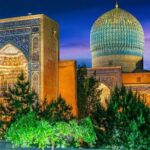
- Amir Temur Mausoleum: The Day Starts With Power and Proportion
- Registan Square: Where Samarkand Becomes a Real Place
- Gur-i-Amir Mausoleum Complex: The Story Behind the Tiles
- Lunch Break and the Samarkandi Plov Moment
- Shah-i-Zinda: A Short Walk With Big Payoff
- Observatory of Ulugbek: Science Meets Architecture
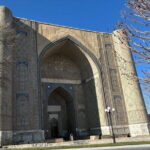
- Bibi-Khanym Mosque: When Scale Does the Talking
- Siab Bazaar: Shopping That Feels Like Part of the Day
- Aral Sea From the Air: A Different Kind of Perspective
- Price and Value: What $139 Actually Covers
- Who Should Book This Tour (and Who Might Skip)
- Tips to Make Your Day Easier
- Should You Book the Samarkand City Tour?
- FAQ
- How long is the Samarkand City Tour?
- What’s included in the price?
- What languages are available for the guide?
- Is this tour private or in a group?
- What are the main sights you’ll visit?
- Are there any restrictions during the tour?
Key Moments You Shouldn’t Miss
- Registan Square at street level: the view doesn’t feel real until you’re there
- Shah-i-Zinda: a short walk that makes the history feel personal
- Bibi-Khanym Mosque: scale first, details second, either way you’ll notice
- Ulugbek Observatory: a great stop for anyone who likes science and astronomy stories
- Siab Bazaar: a practical place to pick up scarves and small souvenirs
- Aral Sea flight view: a rare add-on that gives you a different kind of perspective
Why This One-Day Samarkand Plan Works
Samarkand is the kind of place where the big sights matter, but the order matters too. This tour is built around the city’s headline monuments, with just enough time at each stop to understand what you’re looking at and still move on. You’re not stuck in one museum room for hours. Instead, you’re constantly shifting between architecture, viewpoints, and local life.
What makes this format feel good is that you’re not “touring” so much as building a mental map of Samarkand. By the end of the day, Registan Square isn’t just a famous photo. It becomes a reference point for everything else you saw afterward.
Still, it is a full day. Even with short car rides, you’ll be walking on uneven ground at a few monuments and you’ll likely want a light breakfast and comfortable shoes.
You can also read our reviews of more city tours in Samarkand
Hotel Pickup, SUV Comfort, and Getting From Stop to Stop
One of the most practical wins here is how easy the logistics feel. The day runs with transportation included, and the vehicle is described as clean and spacious, with punctual pickups. In a tour like this, those small things matter. When the car is comfortable and the schedule doesn’t wobble, you arrive at the monuments with energy left.
Also, the stops are close enough that you’re not losing the day to the road. That’s why this works well for first-timers: you can focus on the sights and let the guide handle the timing. On top of that, guides have shown real flexibility. One example from the experience: a guide paced the tour thoughtfully when a group member had a minor foot injury.
If you’re the type who hates dead time, this style will suit you.
Amir Temur Mausoleum: The Day Starts With Power and Proportion
You begin at the Amir Temur Mausoleum area, with a mix of photo time, sightseeing, and a guided visit. This early stop is smart because it sets the tone for the rest of the day. Before you get into the layered beauty of later monuments, you’re first reminded that Samarkand’s grandeur is tied to rule, legacy, and city planning.
A 40-minute stop also keeps expectations realistic. You won’t exhaust every detail, but you’ll get the key visual cues: how the architecture signals importance, and how the city’s monuments relate to the themes you’ll see again and again—power, faith, and artistic ambition.
Practical tip: if you’re taking photos, arrive with your angles in mind. The first monument is where you’ll quickly learn where to stand for the cleanest views.
Registan Square: Where Samarkand Becomes a Real Place
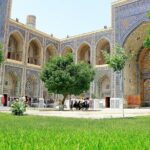
Then comes the main event: Registan Square. This is the stop that turns famous into unforgettable. With about an hour here, you get enough time for the guided story without feeling rushed through it like a check-off list.
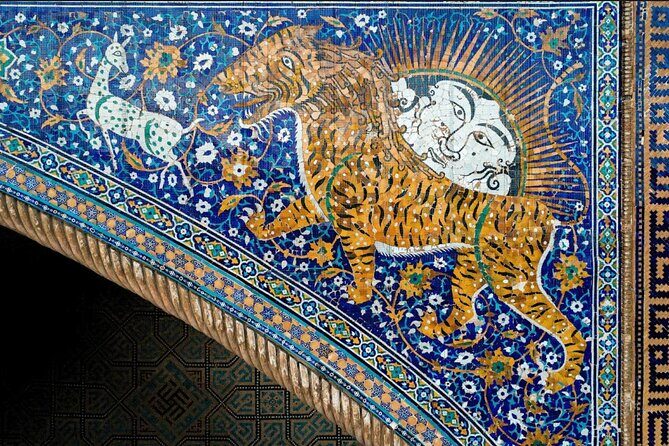
What you’ll notice right away is how the square is designed to pull your attention. The buildings form a kind of visual frame, and your view keeps shifting as you walk around. With a guide on hand, you’re not just seeing tiles—you’re learning what each part is for and why this space mattered.
There’s also a practical bonus: you can decide how to spend your time inside that hour. If you want more photo time, you can cluster your shots before the explanations get too detailed. If you prefer understanding first, let the guide lead the walkthrough and save photos for afterward.
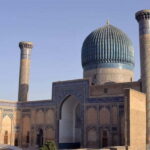
Gur-i-Amir Mausoleum Complex: The Story Behind the Tiles
The day also includes time at the Gur-i-Amir complex, which is closely tied to the Timurid legacy. One of the guides taking over in the second half is described as giving detailed, passionate explanations here, and that’s exactly what this kind of monument needs.
Mausoleums like this are where Samarkand’s “famous architecture” becomes “specific architecture.” Under guidance, the details start to mean something—patterns, design choices, and the way the space feels intended to slow you down.
This is a good moment to switch from fast sightseeing mode to “look and listen” mode. If you rush, you’ll miss the things that make it memorable once you’re back in your hotel room.
Lunch Break and the Samarkandi Plov Moment
You get a full break for lunch. The tour includes lunch, which is a real value in a day packed with sights. On one experience, the guide arranged Samarkandi plov, described as delicious and authentically local. That’s the kind of lunch that changes your opinion of the day, because it’s not just a meal—it’s part of the place.
In practical terms, lunch time is your buffer. Even if you’re feeling great, use it to reset: drink water, take a short rest, and plan your energy for the next two or three walking-heavy sites.
If you have dietary needs, you might find it helpful to mention them to the tour operator before you go. The tour data doesn’t spell out options, so planning ahead is your safest move.
Shah-i-Zinda: A Short Walk With Big Payoff
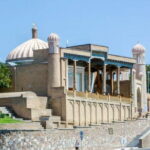
Next is Shah-i-Zinda, another stop that’s strong because it’s guided and structured. You’ll get photo time, a guided visit, and a walk-through experience. Even within a 40-minute window, this is the kind of place where you feel a progression: you keep turning corners and the architecture keeps re-framing the story.
This is a great choice for anyone who likes moments that feel “close up.” You’re not just staring from a distance. You’re moving through the space and taking in the design as you go.
Possible drawback: you’ll likely spend part of the time looking down at your footing while you take it in. If you’re wearing anything slippery or worn out, this is the moment to wish you didn’t.
Observatory of Ulugbek: Science Meets Architecture
After Shah-i-Zinda, the tour shifts gears toward curiosity with the Observatory of Ulugbek. This stop is guided and includes time for photos and sightseeing in a 40-minute slot.
What I like about including this is that it prevents your day from becoming only religious and decorative architecture. Ulugbek’s story brings a different kind of pride—astronomy, study, and an educated approach to the world. In other words, the city isn’t only about monuments. It’s also about ideas.
If you enjoy history-through-objects, this is a good one. If you want to learn quickly, ask the guide one question about what makes an observatory different from other buildings you’ve seen.
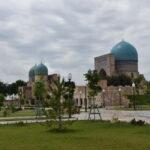
Bibi-Khanym Mosque: When Scale Does the Talking
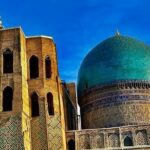
The Bibi-Khanym Mosque stop gives you another photo stop plus a guided visit and sightseeing time. With around 40 minutes, you’ll have enough time to see the main features without feeling trapped in one spot.
This is also one of those monuments where your first reaction is often about scale. Then, as you listen, you start noticing the finer design choices. That two-step effect is why guided time matters here: the explanation helps your eyes read the building.
One practical note: plan for bright light and lots of reflective surfaces. Sunglasses can help, and so can keeping your phone camera settings handy if you’re going to shoot interiors.
Siab Bazaar: Shopping That Feels Like Part of the Day
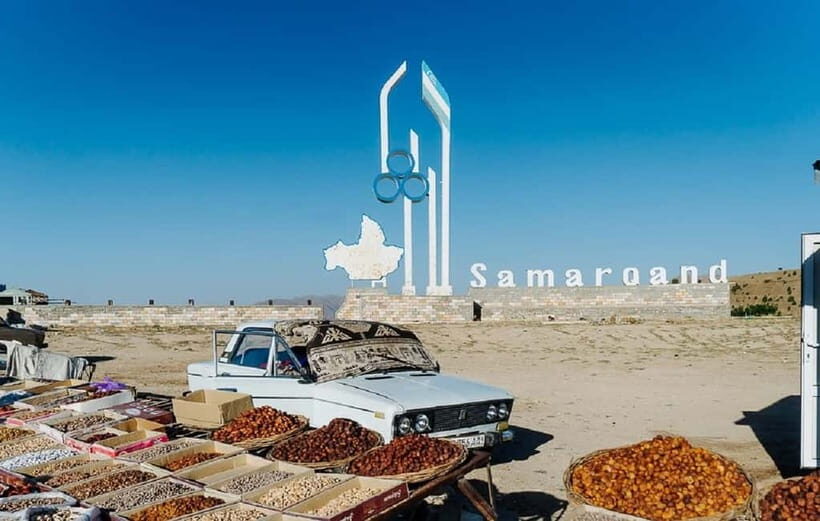
Toward the end, you’ll spend time at a local bazaar, with shopping time included. The tour’s market stop is valuable because it gives you an outlet for souvenirs without turning the day into a hard-sell shopping mission.
You’ll likely use this time for things like scarves, which one guide recommended and which turned out to be a hit for souvenirs. That’s a smart strategy: go where the guide’s local knowledge points, then limit your spending to items you genuinely want.
Keep your expectations grounded. Markets are busy and you’ll be surrounded by choices, but you don’t need to buy anything fancy to feel like you experienced the real rhythm of Samarkand.
Aral Sea From the Air: A Different Kind of Perspective
One of the headline highlights is a sky-view element: you take to the air in an airplane to get a bird’s-eye view of the Aral Sea. That’s a standout because it changes what your day can feel like.
City monuments are about close detail. The Aral Sea view is about scale and distance, and it turns a distant story into something you can picture. If you’re curious about the bigger geography of Central Asia, this part adds a real “wow” that isn’t just another building.
Because exact timing isn’t described in the day-by-day order here, treat this as a flexible slot. Wear comfortable clothing you can move in, and keep your essentials easy to reach.
Price and Value: What $139 Actually Covers
At $139 per person for a 1-day experience, the value comes from what’s included: entrance fees, a guide, transportation, lunch, and hotel pickup/drop-off.
In practice, that means you don’t have to stitch together tickets, figure out transport, or negotiate your way through site entry while you’re already in a time crunch. You’re paying for coordination plus interpretation—exactly what you want when you have one day and multiple major monuments to cover.
It also helps that the day uses short guided blocks at most stops. You’re getting a guide’s context without paying for hours of sitting.
Who this fits best: first-timers to Samarkand, people who want the top sights with minimal stress, and anyone who appreciates local guidance over self-guided guesswork.
Who Should Book This Tour (and Who Might Skip)
This tour is a strong fit if:
- you want major landmarks like Registan Square, Shah-i-Zinda, and Bibi-Khanym in one structured day
- you value a guide who can explain what you’re seeing (and adapt when needed)
- you’d rather spend your time walking the city than planning it
You might skip it if:
- you prefer long, slow visits where you can linger for hours at one site
- you’re easily overwhelmed by a schedule packed with many stops
If you land in the middle—curious, but not trying to win a sightseeing race—this should work well.
Tips to Make Your Day Easier
A few small things make a noticeable difference:
- Wear comfortable shoes with good grip for monument areas
- Bring sunglasses and water, especially for outdoor stretches
- If you want souvenirs, leave some shopping time for the end, when you’re more sure what you actually like
- If you’re booking in English or Russian, choose the language that lets you ask questions easily—those small Q&A moments make the guide time feel more useful
Also, remember the tour doesn’t allow alcohol and drugs, which is standard for organized city sightseeing.
Should You Book the Samarkand City Tour?
If you want a one-day snapshot of Samarkand that hits the big landmarks and doesn’t make you wrestle with logistics, I’d book it. The combination of guide-led context, included entrances, and lunch with local flavor (think Samarkandi plov) is the kind of value that makes a short visit feel complete.
I’d only hesitate if you’re the type who needs lots of downtime between sights. Otherwise, this is a solid way to experience Samarkand’s signature architecture—and still have time to breathe in the city’s everyday market energy.
FAQ
How long is the Samarkand City Tour?
The tour lasts 1 day.
What’s included in the price?
The price includes entrance fees, a guide, transportation, lunch, and hotel pickup and drop-off in Samarkand.
What languages are available for the guide?
The tour guide is available in English and Russian.
Is this tour private or in a group?
You can choose a group experience or a private option (the tour is described as available as private or small groups).
What are the main sights you’ll visit?
You’ll visit major Samarkand landmarks such as Amir Temur Mausoleum, Registan Square, Shah-i-Zinda, the Observatory of Ulugbek, Bibi-Khanym Mosque, and a market/bazaar.
Are there any restrictions during the tour?
Alcohol and drugs are not allowed during the experience.