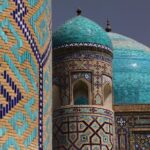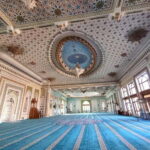
Tashkent splits old and new in one day. This private highlights route strings together Chorsu Bazaar and the Hazrati Imam complex, then keeps shifting gears to Independence Square and Tashkent’s modern monuments. I like how the day doesn’t treat Tashkent as a single postcard view. It shows how the city’s older soul and newer face sit side by side.
I also like the human side: you ride with a local professional English-speaking guide, and past tours stand out for strong English and a knack for making the history make sense fast (A name you’ll hear a lot is Abror). You’ll stop for lunch to taste Uzbek plov, including versions people specifically call out like Besh Quzon, plus market snacks such as samsa and green tea. One consideration: this is a 5.5–6 hour day with about 1.5 kilometers of walking, so comfortable shoes matter.
In This Review
- Key things I’d circle before you go
- Why this old-plus-modern Tashkent combo works
- Getting picked up in Tashkent (and why that matters)
- Chorsu Bazaar: the most worthwhile 60 minutes
- Hazrati Imam complex (plus the old-city monuments around it)
- Amir Timur Square to Independence Square: modern Tashkent’s public face
- How the 1966 earthquake shaped Tashkent’s metro
- The Uzbek plov tasting stop: plan your hunger and your budget
- Transportation, timing, and how much you’ll walk
- Included vs not included: what you’re paying for
- Who should book this Tashkent Highlights tour (and who shouldn’t)
- Price check: is $85 a good deal for this kind of day?
- Should you book this Tashkent Highlights tour?
- FAQ
- How long is the Tashkent highlights tour?
- Where do I get picked up?
- Is this tour private or group-based?
- What languages does the guide speak?
- Is lunch included?
- What is included in the price?
- Do I need to buy museum tickets separately?
- Do I need cash, and can I use cards?
- Can I cancel for a full refund?
Key things I’d circle before you go
- Chorsu Bazaar for real market life: more than a hundred years of stalls, spices, fruit, and everyday Uzbek food culture.
- Hazrati Imam area and old-city monuments: a compact way to see the classic architecture you came for without getting lost.
- Modern Tashkent stops that actually mean something: Independence Square and the Monument of Courage frame the city’s post-independence identity.
- Metro history tied to the 1966 earthquake: you’ll connect major city changes to a single turning point.
- A guide who can connect dots: English is repeatedly praised, and the best sessions add small off-the-beaten details around the main sights.
Why this old-plus-modern Tashkent combo works
Most half-day tours in Tashkent pick one lane: either markets or monuments. This one stitches both together, and that’s the point. You get a sense of how the city’s older quarters feel when you’re close to the architecture, then you shift to wider avenues, larger civic squares, and the kind of buildings that push upward.
The pacing is built around contrasts: the sensory overload of Chorsu, the solemn feel of the Hazrati Imam complex, then the more open, staged spaces like Amir Timur Square and Mustakillik Maydoni (Independence Square). If you only visit one side, Tashkent can feel unfinished. Together, it clicks.
You can also read our reviews of more city tours in Tashkent
Getting picked up in Tashkent (and why that matters)
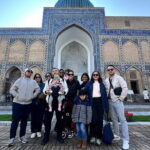
The tour starts at your hotel in Tashkent. The driver meets you in the reception area, holding a sign with your last name, and you’ll get general city context as you head to the first stop. That short intro matters because it gives you mental landmarks before you start walking in dense old-city streets.
You’ll also get a practical heads-up: the guide will contact customers a day before, and you should message them after booking via WhatsApp. That helps if your hotel front desk is slow or your schedule is tight, since pickup windows in the city can move with traffic.
Chorsu Bazaar: the most worthwhile 60 minutes
Chorsu Bazaar is more than a place to buy souvenirs. It’s a living map of what people eat, wear, and use day to day. It’s also old by local standards, with an age of over a hundred years, so you’re not just touring a theme market.
What to watch for when you’re there:
- How stalls are organized by goods (produce, spices, prepared foods).
- The steady flow of everyday shoppers, which changes the feel from museum to market.
- Food aromas, especially if you stop for items like samsa and a warm cup of green tea.
This is one of the best stops for first-time visitors because it tells you what Tashkent smells like. You’ll leave with a stronger sense of local routines than you’d get from photos alone. If you want to shop, keep your cash handy and expect that you may want to spend more than you planned.
Hazrati Imam complex (plus the old-city monuments around it)
From Chorsu, the tour heads into the older part of Tashkent near the historical and architectural complex of Hazrati Imam. This area is where you’ll feel the scale of the past without needing to hop between far-flung sites.
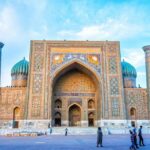
You also get connected to the broader old-city story through nearby landmarks, including the Hast-Imam Square area, noted for several architectural monuments. Even if you don’t memorize names perfectly, you’ll understand the visual language: symmetry, tilework, and the way these complexes anchor the city.
A helpful tip: keep your camera ready but don’t rush every frame. These places reward slow looking. If you try to photograph everything, you’ll miss the details your guide points out, like how the complex reads as both a spiritual site and a historical landmark.
Amir Timur Square to Independence Square: modern Tashkent’s public face
After the old city, the tour shifts toward big civic spaces. You’ll get acquainted with Amir Timur Square, which is described as the starting point for the construction of the new Tashkent. That context changes how you view the buildings. You’re not only looking at nice architecture; you’re seeing a planning idea made visible.
Then comes Mustakillik Maydoni, better known as Independence Square. It’s Tashkent’s central square, and it’s the place where monuments feel like they’re telling a national story. The tour also highlights Monument of Courage among the city’s memorials, which helps you understand why these open spaces matter, not just how they photograph.
If you like a bit of political geography (the kind you can feel in the streets), these stops are for you. If you prefer quiet corners over crowds, you might want to keep an eye on timing so you’re not photographing everything at peak foot traffic.
How the 1966 earthquake shaped Tashkent’s metro
One of the more interesting “wait, really?” details is the link between the destructive earthquake in 1966 and the metro timeline. The metro began two years later after that event, and your guide connects the dots so it doesn’t feel like random trivia.
This matters because Tashkent’s modern transport isn’t just a convenience story. It’s tied to rebuilding and major urban decisions. When you walk through a city that has been through a shock like that, you start to notice how quickly infrastructure and planning respond.
Even if you never ride the metro during your visit, the explanation gives you a fuller lens. You’ll start reading the city as a system shaped by real events, not just pretty streets.
The Uzbek plov tasting stop: plan your hunger and your budget
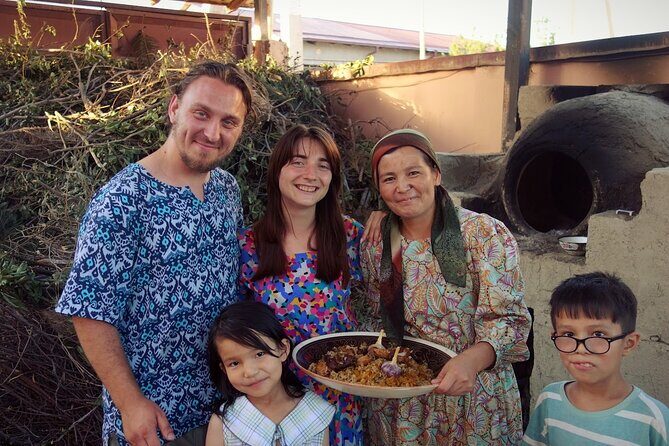
Food can make or break a city tour, and the plov stop here is a key reason to book. The tour includes a lunch tasting of Uzbek plov, and guides often steer you toward popular local styles. In the feedback I’ve seen, Besh Quzon comes up as a standout reference, and people also mention the plov being the show-stopper.
One budget reality: lunch is not listed as fully included, so you should assume you might pay for your meal at the restaurant or for the full portions you order. The tour does the important part for you either way: it brings you to the right moment to eat, with guidance on what to try, rather than sending you on a solo food scramble.
Practical food tips:
- Ask what version of plov they’re serving and whether it’s a common local style.
- If you’re already snacking at Chorsu, go easy at lunch until you see the portion size.
- Carry cash so you can handle small food purchases smoothly.
Transportation, timing, and how much you’ll walk
This is a private tour (or small-group setup) with an air-conditioned vehicle and transfers included as per the route. You’re not spending the day jumping taxis or negotiating with multiple drivers, which is a big value if you have limited time.
Time-wise, it’s about 5.5–6 hours, and you’ll walk around 1.5 kilometers in total. That’s not extreme, but it’s enough to make sturdy footwear worth it. Add in hot weather, and your shoes will either make the day comfortable or annoying.
What to bring:
- Comfortable shoes
- Camera
- Comfortable clothes
- Cash
- A garbage bag (yes, it’s listed, and it’s smart for snacks, tissues, and small trash when you’re moving around)
Included vs not included: what you’re paying for
At $85 per person, you’re buying a focused day with real local guidance and vehicle support. What’s included is the transport for the tour route, an English-speaking local professional guide, air-conditioned vehicle, free Wi-Fi connection, and bottled water.
What’s not included is where you should plan ahead:
- Lunch and dinner (the plov tasting is included as a stop, but full meal costs aren’t clearly included)
- Travel insurance
- Tickets for museums or any ticketed attractions
- Other personal spending
Also note that you get ticket-line help where relevant, since the tour states skip the ticket line. That can save time on busy days, especially if you’re adding museum stops.
If you’re the type who likes to spend your time on the street rather than hunting bus routes, the structure here is good value. If you hate any walking at all, you might find the pace a bit too active.
Who should book this Tashkent Highlights tour (and who shouldn’t)
This tour is a strong fit for:
- First-time visitors who want old Tashkent and modern Tashkent in one go
- People who care about how places connect to history (earthquake, rebuilding, independence)
- Food lovers who want plov without guessing where to start
- Travelers who want a guide to handle the flow of sights
It may not be a great fit for:
- Pregnant women (not suitable per tour info)
- People over 200 cm or over 130 kg
- People with altitude sickness (not suitable per tour info)
- Anyone who needs a very low-walking plan, since it’s about 1.5 kilometers total
If you’re traveling with kids, the info says it’s not suitable for babies under 1 year. For older adults, it says it’s not suitable for ages over 95 years.
Price check: is $85 a good deal for this kind of day?
For $85 per person, you’re getting a guided, English-first route across major sights plus hotel pickup and comfortable air-conditioned transport. The guide is a real part of the value here, because the tour is built around interpretation—how Tashkent became what it is, not just where things are.
You might still spend more during the day on meals and any museum tickets, since those aren’t included. But that’s typical in city touring. The upside is you’ll spend that money on food and stops chosen by someone who can steer you away from random choices.
If you’re short on time and want the “most important things” without juggling logistics, this price feels reasonable. If you’re traveling very slow and prefer to roam independently, you could DIY parts of Tashkent cheaper—but you’d lose the story that ties everything together.
Should you book this Tashkent Highlights tour?
Book it if you want a guided day that balances Chorsu Bazaar market energy with the Hazrati Imam old-city atmosphere, then finishes with modern civic spaces like Independence Square. You’ll get a fast education on how Tashkent’s landmarks fit into the city’s bigger story, including the metro timeline after the 1966 earthquake.
Don’t book it if you have zero tolerance for walking or you need a fully accessible, low-movement schedule. Also plan your food budget in advance, since lunch details can mean extra cost depending on what you order.
If you’re deciding today, here’s my simplest call: if you have 6 hours and you want a guided route that handles the city’s main “old vs new” questions, this is a solid way to spend it in Tashkent.
FAQ
How long is the Tashkent highlights tour?
It lasts about 5.5 to 6 hours.
Where do I get picked up?
Pickup is included from your hotel reception or any accommodation in Tashkent city. The driver will hold a sign with your last name.
Is this tour private or group-based?
It’s described as private or small groups available.
What languages does the guide speak?
The live tour guide is available in English, Uzbek, Turkish, and Russian.
Is lunch included?
Lunch is not listed as included, but the tour does include a stop for tasting delicious Uzbek plov. You should expect to pay for lunch if you want a full meal beyond a tasting.
What is included in the price?
Included are transfers and city tours as per the itinerary, a local professional English-speaking guide, an air-conditioned vehicle, free Wi-Fi connection, and bottled water.
Do I need to buy museum tickets separately?
Yes. Museum tickets are not included, and other personal expenses are not included as well.
Do I need cash, and can I use cards?
You should have local cash with Visa or Mastercard being available/evaluable, since the tour info says visitors must have local cash and card options may be evaluable.
Can I cancel for a full refund?
Yes, free cancellation is offered up to 24 hours in advance for a full refund.