REVIEW · TASHKENT
Samarkand: Uloq-Kopkari (Buzkashi) Game Day Tour
Book on GetYourGuide →Operated by Trip Orient LLC · Bookable on GetYourGuide
Buzkashi is controlled chaos on horseback. On this Samarkand day tour, I love the up-close action as riders fight for a goat between finish lines, and I love the Uzbek cultural context that turns a wild spectacle into something you understand. You’ll also get a small-group feel, so the day doesn’t turn into one long crowd shuffle.
One thing to plan for: this is an outdoor event with dust, noise, and lots of moving horses, so you’ll need good shoes, water, and an exit plan if you’re too close to the action.
In This Review
- Key points before you go
- Uloq-Kopkari in plain terms: what you’re actually watching
- The full-day flow from Samarkand pickup to Registan Square
- The game arena: goat, finish lines, and crowd energy
- Elyor’s guide style: how the tour stays fun and organized
- Horse riding time and what to expect from it
- Price and value for a small group up to 2
- What’s included, what’s not, and what you should pack
- Who this tour suits best (and who should skip it)
- Should you book this Samarkand Buzkashi game day tour?
- FAQ
- How long is the Samarkand Uloq-Kopkari (Buzkashi) tour?
- What does the tour cost?
- Is pickup included?
- How big is the group?
- What language is the tour guide?
- When does the Uloq-Kopkari event take place?
- What should I bring for the outdoor event?
- What’s included versus not included?
Key points before you go
- Small group of up to 10 keeps the pace more human and the guide easier to hear.
- English guide helps you connect the game to Uzbek meaning, not just the spectacle.
- October to April is when the game date runs, so your timing has to match the season.
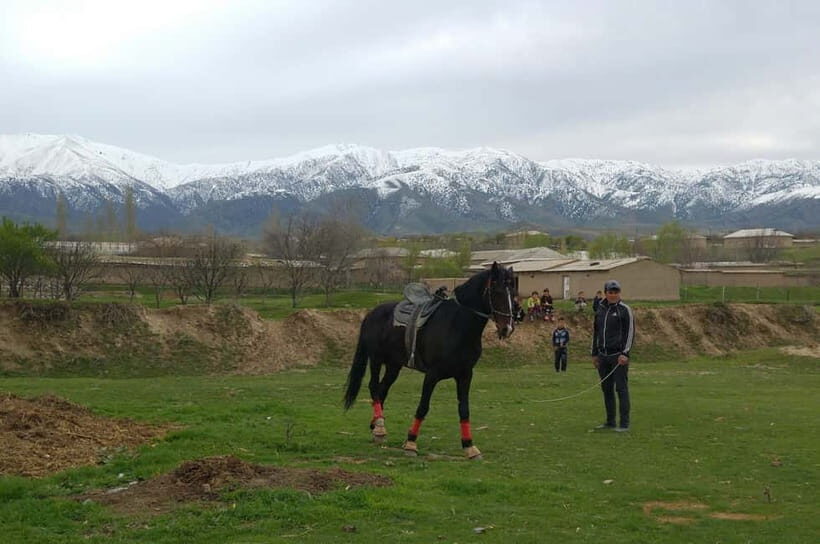
- Horse-riding time is part of the day’s schedule, but the arena environment is still hands-on and busy.
- Registan Square is included as a later stop, giving you a strong Samarkand finish.
- No meals are included, so bring money and plan hydration around the day.
Uloq-Kopkari in plain terms: what you’re actually watching
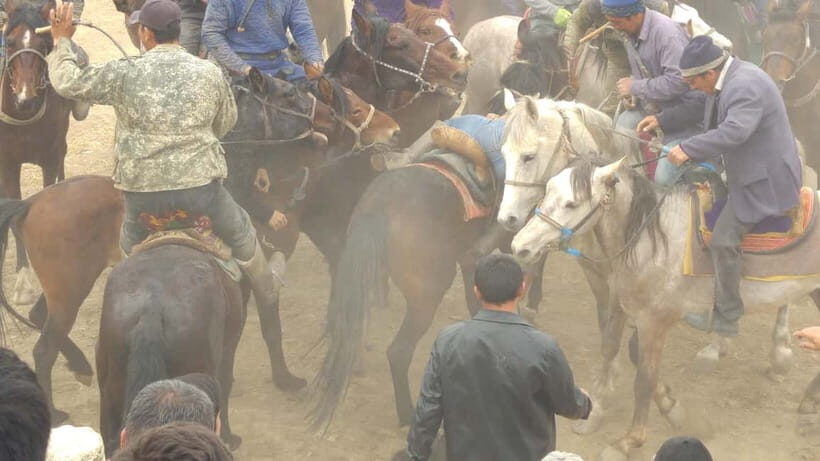
Uloq-Kopkari, also called Buzkashi, is one of those sports that feels half game, half urgent problem-solving. A goat is the center of the action, and riders try to take it from one finish line to another. It’s not a calm, slow contest. It’s a fast-moving pack where strategy matters, but so does nerve.
What makes this tour especially worthwhile is that you’re not only watching. You’re learning what the game means in Uzbek culture—why bravery and courage are part of the language around it, and why it still matters today. That context helps you notice details you would otherwise miss, like how riders position themselves, how quickly the pace changes, and why the crowd reacts the way it does.
If you’re expecting a tidy stadium sport, adjust your mindset first. This is a natural arena with a dynamic crowd, so the best experience comes from being ready to see what’s in front of you rather than trying to control your view.
You can also read our reviews of more tours and experiences in Tashkent.
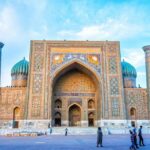
The full-day flow from Samarkand pickup to Registan Square
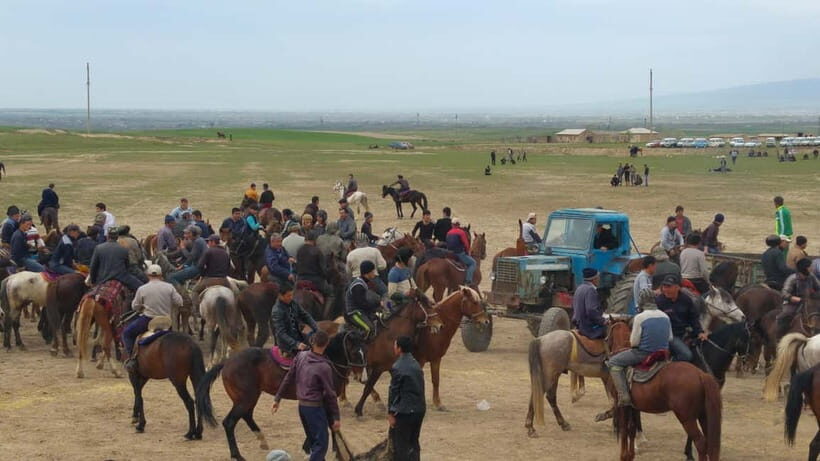
Your day runs about 8 hours, starting with pickup from your hotel in Samarkand. That convenience matters here. You’re heading to an outdoor event and then returning to the city, so the logistics can be tiring if you’re doing it alone.
After pickup, the schedule includes a break and a photo stop, plus guided touring, sightseeing, free time, and a chunk of horse riding time (listed as 4.5 hours). The way this works in practice is that you get to settle into the day before you’re asked to focus hard on the arena. The guide keeps the timing moving, but you still get moments to pause, get water, and take photos without feeling rushed.
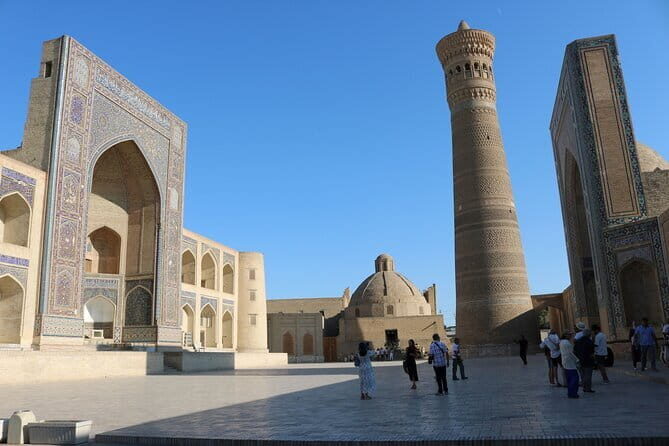
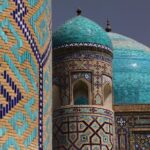
Then you head back for the city highlight: Registan Square for about 2 hours. This is a smart pairing. The sport is raw and physical. Registan Square gives you the historic, architectural payoff that Samarkand is famous for. Even if you’re not a big history buff, it’s a good mental reset after hours of dust, shouting, and hoofbeats.
When the day ends, you return to Samarkand and your hotel.
The game arena: goat, finish lines, and crowd energy
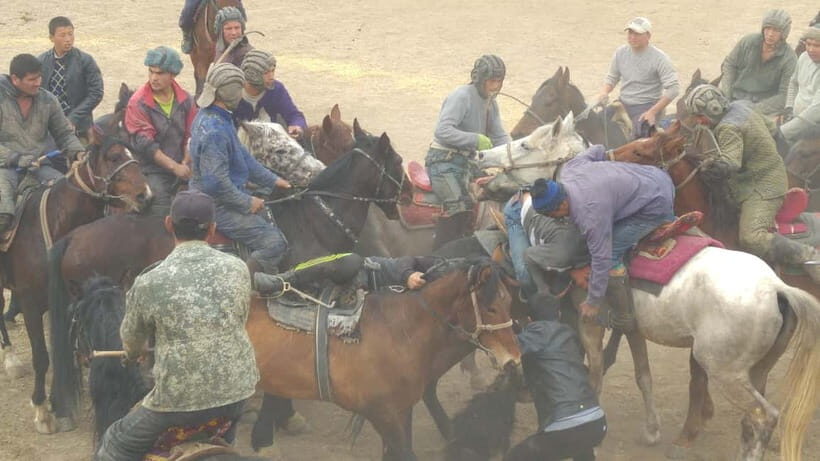
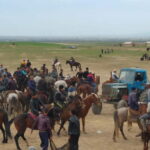
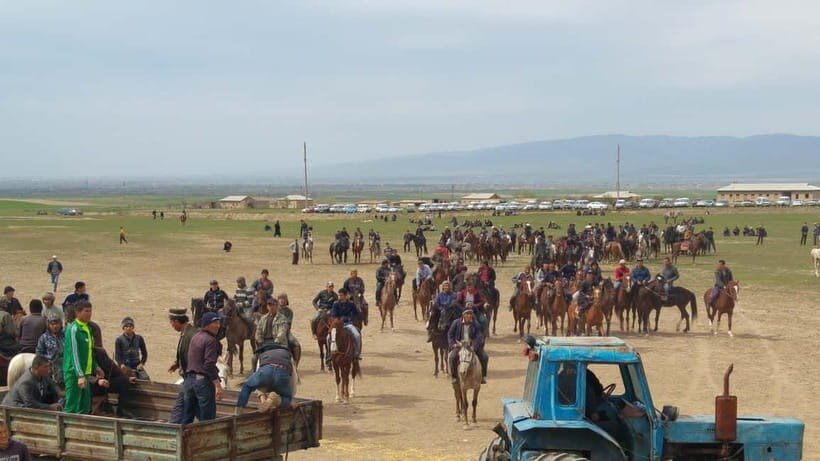
When the Uloq-Kopkari competition starts, you’ll feel why people call it adrenaline sports. Riders surge in, reset, collide, and surge again. The goat is moved like a prize that’s both valuable and incredibly hard to control, and the finish-line challenge turns every scramble into a test of speed and timing.
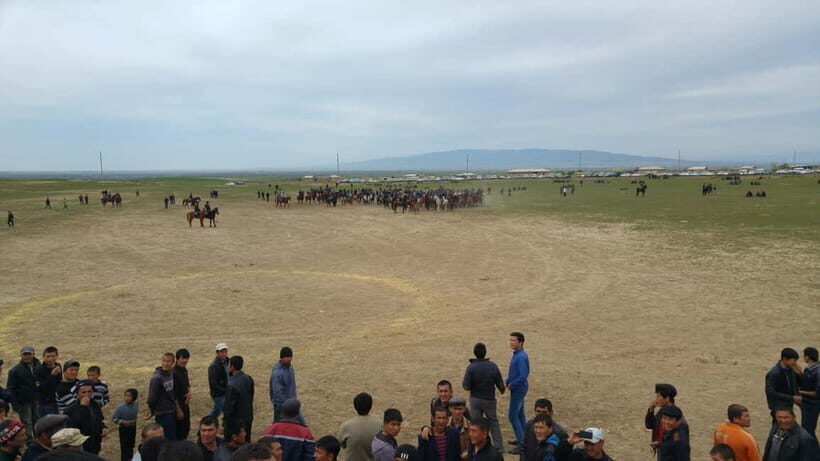
The tour is set up so you can take in the spectacle from a position that’s meant for spectators, with “spectacular views” of the competition in a natural arena. That phrase matters because in a scene like this, you can either get a clear view or spend the day behind shoulders. The guide’s role here is useful: you’re not just dropped into the chaos.
You’ll also see how intense the crowd atmosphere can get. Horses churn the ground. Dust is part of the package. People shout. Riders shout. Even if you only catch pieces of the strategy, your body understands the energy—fast.
One practical note: if you want photos, you’ll be tempted to move close. That can be a mistake. One of the strongest pieces of advice from the experience is to treat safety as your first job. If you get near the horses, make sure you have a clear exit route and don’t get locked into taking pictures with no plan for how to back out.
Elyor’s guide style: how the tour stays fun and organized
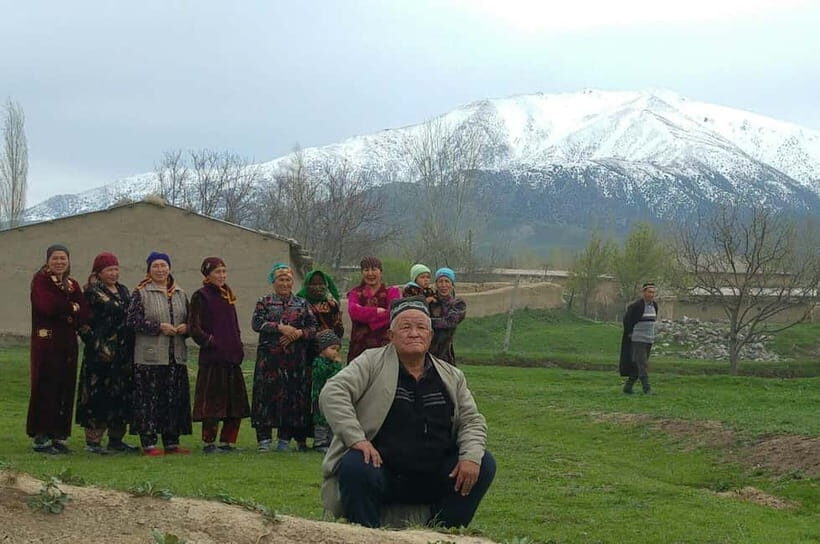
A big reason this tour gets high marks is the guide leadership—especially the named guide Elyor. The stories around him are consistent: he’s engaging, communicative, and proactive about keeping the day on track while still feeling alive.
I like that approach for this kind of event. Buzkashi is chaotic by nature, and without a guide, you can end up lost, overheated, or just standing there waiting for instructions. Elyor’s style, as described in the trip experiences, focuses on keeping you connected: explaining what you’re seeing, timing the day so it feels full (not dragged), and turning safety talk into something practical rather than scary.
One tip that really matters from the experience feedback: the guide emphasizes safety first, then enjoyment. If you take that seriously, you’ll have a better day and better photos. Dust and horses are real. So is the fact that the “center of the action” changes constantly. You don’t want to be the person who realizes too late they can’t easily move.
Horse riding time and what to expect from it
The schedule includes horse riding time, listed as 4.5 hours. That suggests the day isn’t only about watching. There’s a hands-on component, and that changes the feel. You’re not just a spectator; you’re in the same setting as the sport.
That said, riding around an arena and riding for leisure aren’t the same thing. The environment can be crowded and active, and horses are working animals in motion. For your comfort and safety, wear comfortable clothes and bring a plan for heat, dust, and hydration.
This isn’t a passive day. If you’re physically okay with active outdoor time, you’ll likely enjoy it. If you’re someone who prefers a slower sightseeing rhythm, you might find the pace intense.
Price and value for a small group up to 2
The price is $170 per group for up to 2 people, for an 8-hour day tour. On paper, that might sound “group-price-ish,” but the value comes from what’s bundled: pickup from your Samarkand hotel, transportation to and from the event, a live guide in English, live demonstration of the game, and a Registan Square stop.
That means you’re paying for more than the competition tickets. You’re paying for the whole structure of the day—especially the parts that would be annoying to arrange independently: getting to the event, understanding what you’re watching, and keeping the timing tight enough to also see Registan Square.
It’s also a small group (limited to 10 participants), which matters in a setting like this. Larger groups can turn your viewing position into a moving target. Smaller groups usually mean less waiting and better guidance.
If you’re traveling solo, check how the up-to-2 group pricing works for your dates. If you can pair up with a partner or friend, this tour tends to feel like strong value.
What’s included, what’s not, and what you should pack
Included:
- Live demonstration of Uloq-Kopkari (Buzkashi)
- Opportunity to participate in traditional folk games
- Transportation to and from the event
- Live guide (English)
- Spectacular views in a natural arena
Not included:
- Meals and drinks
- Train tickets if you’re coming from Tashkent to Samarkand
- Personal insurance
So you’ll want to plan food and water yourself. Since the event is outdoors, don’t treat hydration like an afterthought.
What to bring:
- Hat
- Sunscreen
- Water
- Comfortable clothes
Also remember: smoking isn’t allowed.
If you’re sensitive to dust, consider how you’ll protect yourself (a hat helps, and staying hydrated helps). And if you’re planning photos, bring a quick way to clean or protect your camera lens once dust is in the air.
Who this tour suits best (and who should skip it)
This is best for people who like physical energy and cultural context. If you’re into adrenaline sports, and you want to understand why Buzkashi matters in Uzbekistan, you’ll probably have a great day.
It’s not a fit for everyone. The tour isn’t suitable for:
- Children under 12
- Pregnant women
- People with back problems
Also expect a dynamic, crowded environment. If you get stressed by moving crowds and fast motion, you might feel tense here. The good news is that a clear guide plan helps, and the advice about safety near horses is part of the experience.
Wheelchair accessible is listed, which is good to know. Still, because the event is outdoors and dynamic, it’s smart to think through how you’ll navigate crowded areas and uneven ground on the day.
Should you book this Samarkand Buzkashi game day tour?
If you want one day in Samarkand that’s genuinely different from museum-and-market sightseeing, this is a strong pick. The combination is the appeal: live Buzkashi action plus an English guide who explains the cultural meaning, capped with Registan Square.
I’d book it if:
- You’re visiting during October to April
- You like sports with real stakes and loud atmosphere
- You want a small-group day plan that includes both the arena and a major Samarkand sight
I’d think twice if:
- You dislike outdoor crowds and dust
- You’re looking for a calm, slow-paced day
- You fall into the listed non-suitable categories
If your dates match the season and you can handle active outdoor time, this is the kind of tour that makes Samarkand feel alive, not just impressive.
FAQ
How long is the Samarkand Uloq-Kopkari (Buzkashi) tour?
The tour lasts 8 hours.
What does the tour cost?
The price is $170 per group, up to 2 people.
Is pickup included?
Yes. Pickup is included, and pickup is available from your hotel in Samarkand.
How big is the group?
It’s a small group, limited to 10 participants.
What language is the tour guide?
The live tour guide speaks English.
When does the Uloq-Kopkari event take place?
The game date runs from October to April.
What should I bring for the outdoor event?
Bring a hat, sunscreen, water, and comfortable clothes.
What’s included versus not included?
Included are the live demonstration of Uloq-Kopkari, a chance to participate in traditional folk games, transportation to and from the event, spectacular views in a natural arena, and a live guide. Not included are meals and drinks, train tickets from Tashkent to Samarkand, and personal insurance.