REVIEW · BUKHARA
Yurt Camp Tour with Night from Bukhara
Book on GetYourGuide →Operated by Asli Travel · Bookable on GetYourGuide
A desert drive can feel long, but it pays off fast with Aydarkul Lake and a sky full of stars. This is the kind of trip that swaps city noise for wind noise, with big sunset moments and late-night Milky Way viewing. I like how the schedule builds in real stops on the way, not just straight driving.
What I love most is the whole evening flow: a camel ride when you’re still warm from the day, then campfire songs and dancing, and finally the Milky Way overhead. The main drawback to watch for is comfort and guidance quality can vary—some yurts can feel very basic, and English interpretation may be limited depending on your driver.
In This Review
- Key Highlights You’ll Actually Feel
- Why This Yurt Camp Night Works: More Than a Photo Stop
- The 4–5 Hour Road Trip: Caravanserai, Petroglyphs, and Nurota
- Navai: A caravanserai plus an underground water story
- Sarmish: Petroglyphs on a small hill
- Nurota complex: Ruins tied to Alexander and a fish pond rule
- Lunch and swimming at Aydarkul Lake
- Aydarkul Lake Time: What to Do With the Sunlight
- Yurt Camp Evening: Dinner, Camel Riding, Sunset, and the Sky
- Camel riding: the action part of the evening
- Sunset at the camp
- Campfire songs and dancing
- Milky Way time: when the night actually starts
- Overnight in the Yurt: What’s Likely, What’s Risky
- Price and Logistics: Is $215 Good Value for Two Days?
- What to Bring (So You Enjoy It, Not Just Survive It)
- Who This Tour Suits Best—and Who Might Want Another Option
- Should You Book This Yurt Camp Night from Bukhara?
- FAQ
- How long does the drive from Bukhara take?
- What’s included in the $215 per person package?
- Is swimming at Aydarkul Lake allowed?
- What languages will the driver use?
- What should I bring for the trip?
- Are monument entrance tickets included?
Key Highlights You’ll Actually Feel
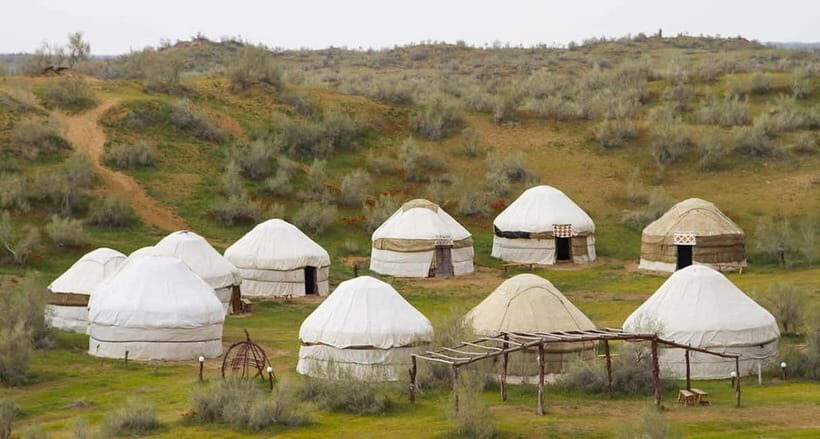
- Aydarkul Lake sunset + Milky Way: the timing is set for both dusk colors and night skies
- Camel riding right at the camp, not as a rushed add-on
- Bonfire songs and nomad-style dancing that turn dinner into an event
- Real roadside detours: caravanserai, a reservoir, petroglyphs, and the Nurota complex
- A safe lake swim option plus a shower for salt and mud
Why This Yurt Camp Night Works: More Than a Photo Stop
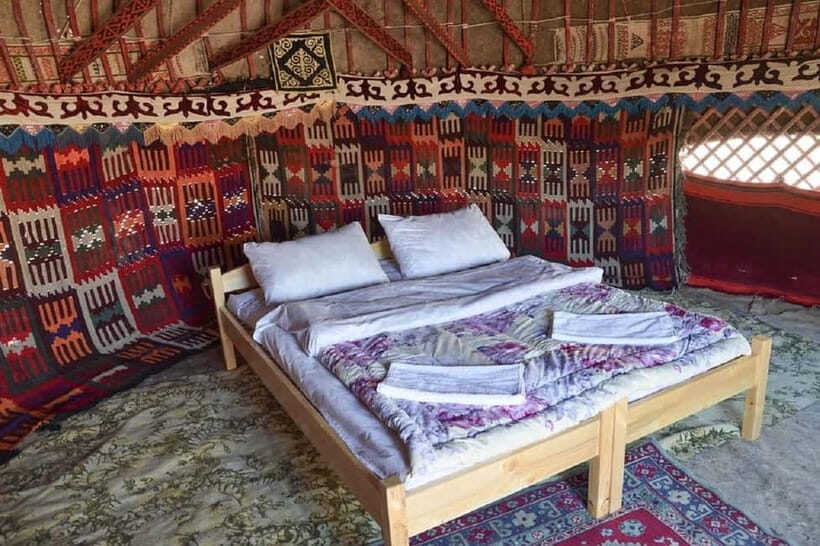
If you’re craving a break from screens, traffic, and constant schedules, this tour is designed for that mental switch. You leave Bukhara and gradually trade paved life for open space. By the time you reach the camp at Aydarkul Lake, the day’s best “activity” is simply slowing down—watching the light change, listening to camp sounds, and looking up.
Two things make this feel special. First, the experience is anchored by the desert rhythm: sunset, dinner, then night under clear skies. Second, you get a proper break from the usual Uzbekistan cookie-cutter pattern. Instead of stacking monuments, you’re given time to be quiet and take in the vastness.
One practical note: the “romantic desert fantasy” depends on what you expect from sleep. A yurt is a traditional shelter, but the setup can be basic. I’d pack for cold and plan for limited creature comforts.
You can also read our reviews of more tours and experiences in Bukhara.
The 4–5 Hour Road Trip: Caravanserai, Petroglyphs, and Nurota
The tour starts with pickup from your hotel in Bukhara. You’ll ride in an A/C vehicle with an English- or Russian-speaking driver, and you’ll have a few photostops and structured stops en route. Expect the drive to take about 4–5 hours each way (around 270 km to the camp, with a longer route option to Samarkand).
Navai: A caravanserai plus an underground water story
One stop is the ancient 14th-century caravanserai in Navai, plus a nearby underground reservoir where rain and melting snow feed the water flow. Why it matters: in this region, water is a plot twist. Seeing how people stored and managed it gives you context for why settlements and travel routes grew where they did.
Sarmish: Petroglyphs on a small hill
Next is Sarmish, where you can spot petroglyphs—animal figures carved into the landscape. This is the kind of stop that feels quick, but it changes how you look at the countryside. Even if you’re not a rock-art specialist, it’s a strong reminder that this area has been “seen” by humans for a very long time.
Nurota complex: Ruins tied to Alexander and a fish pond rule
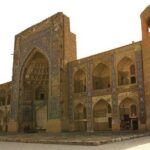
At Nurota, you visit the ruins of an ancient citadel associated with Alexander’s construction (the area links it to Alexander the Great), plus two mosques from the 16th century. There’s also a central pond where fish live—and the rule is clear: it’s forbidden to catch them.
This stop is a good breather. You go from driving and road-side views into a place with older architecture and a small, local “everyday” feel. It also adds contrast before you reach the lake and get fully into nature mode.
Lunch and swimming at Aydarkul Lake
Once you arrive near Aydarkul Lake, lunch is served by the lake shore. If the weather allows, you can swim. The lake is described as safe for swimming, and the camp provides a shower so you can wash off lake salt and mud (often the cause of that “I swear I’m sticky forever” feeling after desert water).
Aydarkul Lake Time: What to Do With the Sunlight
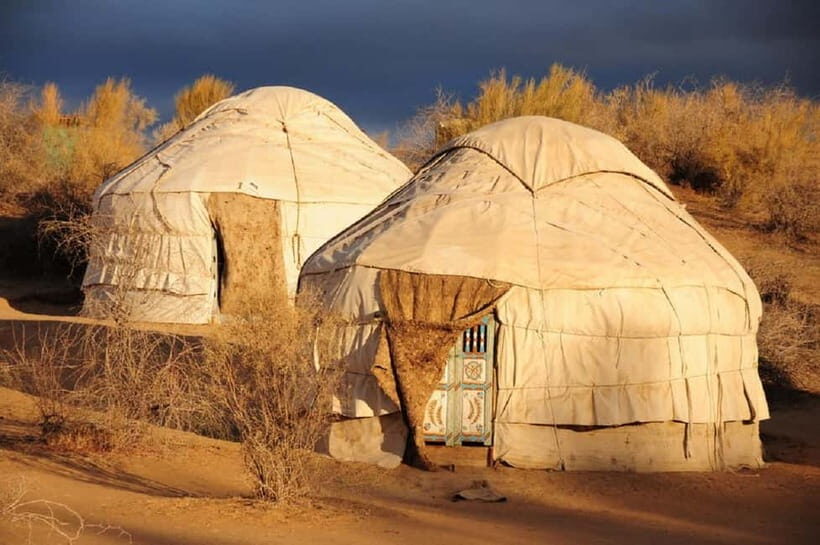
This is your daylight runway. Even if you don’t go far, you’ll enjoy how the lake and desert shift in color—especially in late afternoon. I like treating this part as “slow sightseeing.” Walk a little. Look at the shoreline. If you swim, give yourself time to rinse and dry before heading back to camp.
Your packing choices matter here. Comfortable shoes are a must because you’ll likely move on uneven ground. Sunscreen and sunglasses are also real-life necessities; the sun can feel stronger than you expect once you’re away from Bukhara’s busier atmosphere.
And yes, take warm layers seriously. If you’re traveling in early spring or late autumn, you’ll want a warm jacket. Desert temperature changes can be dramatic.
Yurt Camp Evening: Dinner, Camel Riding, Sunset, and the Sky
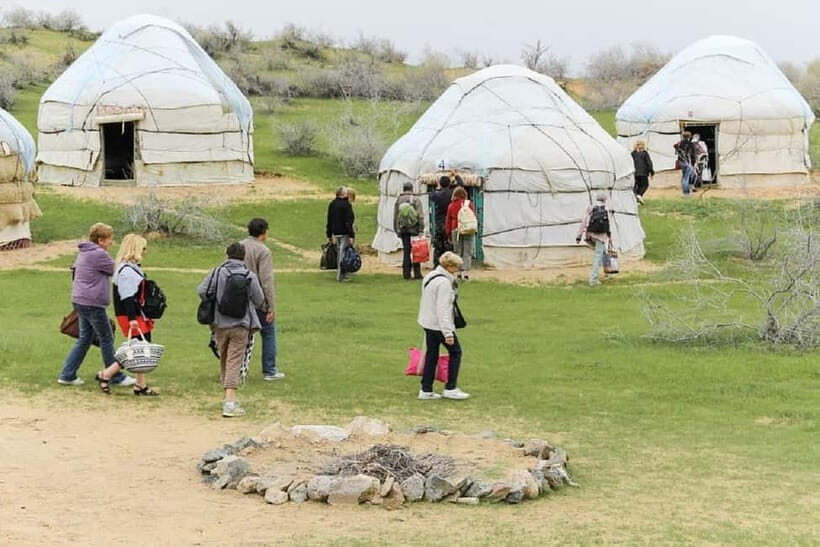
The camp experience is what you came for, and it’s paced to build excitement.
Camel riding: the action part of the evening
While dinner is cooking, you can do camel riding. It’s not a long “tour” on the animal—think of it as a hands-on taste. Tips are welcome, so if you want everything to stay smooth, keep a few small notes ready.
Sunset at the camp
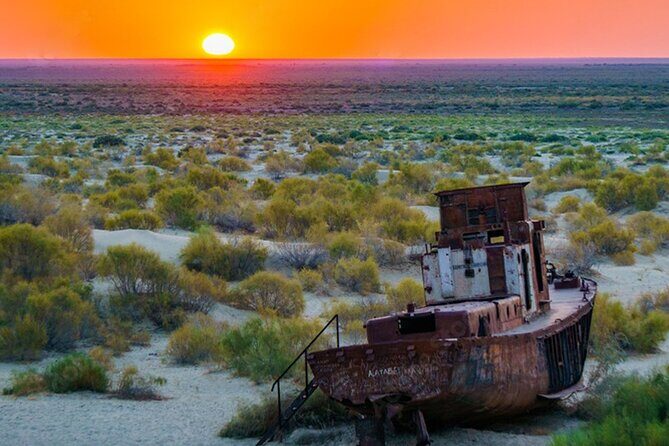
Then you’ll watch the sunset. This is one of those moments that doesn’t need a script. Your view depends on where you’re positioned, but the key is timing: the tour structures the day so you’re not stuck inside during the best light.
Campfire songs and dancing
After dinner, you gather around the campfire for folk songs and dancing. This is where the tour can feel most “alive.” When the staff is in a good rhythm, it turns the night into a shared celebration, not a check-the-box show.
There is one consideration: interpretation and communication quality can vary. Some versions of the tour may run more with a driver than an English-speaking guide, so you might not get deep cultural explanation during the evening. Still, the music and movement are usually easy to enjoy even without perfect translation.
Milky Way time: when the night actually starts
Once it’s dark enough, you explore the Milky Way in the clear sky. This is the payoff for being away from city lights and distractions. If you’re into stargazing, you’ll appreciate that the camp has a quieter horizon, and you’re not rushing through the night to “fit in” another stop.
Practical tip: charge habits help. The camp has electric power for charging devices, so you can top up your phone for photos. Just don’t expect great connectivity out there.
Overnight in the Yurt: What’s Likely, What’s Risky
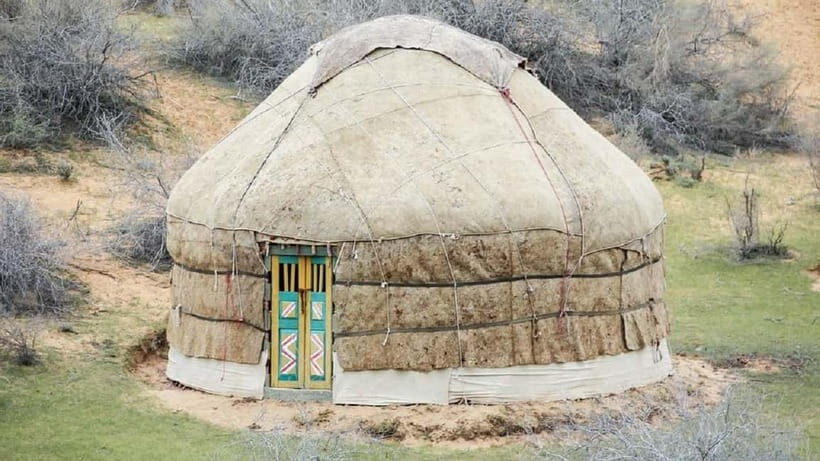
Staying overnight in a yurt is part cultural experience, part outdoor accommodation. Included is the night in the yurt, plus breakfast the next day.
Here’s the comfort reality check. Some guests have described yurts as feeling shabby or very basic, and at least a few people reported issues like poor guidance on arrival. That doesn’t mean every camp setup is unpleasant, but it does mean you should protect yourself against disappointment:
- Bring a warm layer and plan for cold early in the morning.
- Expect limited privacy and basic bedding by default.
- If you need something specific, ask quickly after you arrive, before you settle in.
On the bright side, there are real practical conveniences. The camp has electric power, and there’s a shower available specifically to deal with salt and mud from the lake. That’s not glamorous, but it makes a difference—especially if you’re heading back to Bukhara/Samarkand afterward.
Also, remember basic rules of the day: drinks aren’t allowed in the vehicle, and food isn’t provided in the car. So if you’re prone to getting hungry between stops, plan around the lunch/dinner times rather than expecting snacks in transit.
Price and Logistics: Is $215 Good Value for Two Days?
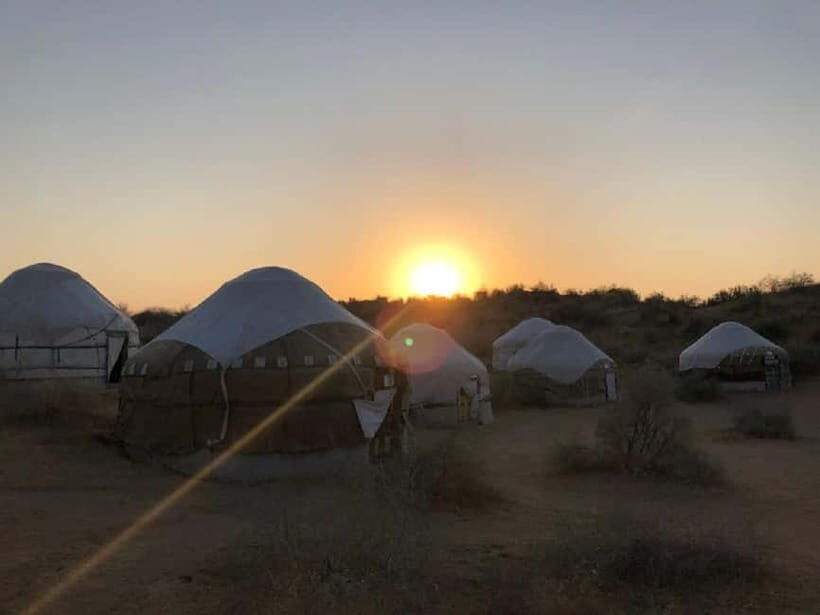
At about $215 per person for 2 days, you’re paying for a package that includes pickup, transport, meals, camel riding, the yurt night, and the camp entry fees/taxes. That pricing can be good value if you care about the full “desert night” experience and you’d rather not arrange transport, meals, and camp access on your own.
But value depends on what you expect from the “human factor.” If you want more story-telling and on-the-ground interpretation (beyond a driver who handles logistics), the English-language situation can be hit-or-miss. Some people ended up with limited communication, especially in areas with poor internet, so translation apps might not help much without offline tools. If that matters to you, consider bringing offline language support (download phrases beforehand) and keeping your expectations aligned with a primarily nature-and-camp-focused evening.
Timing also matters. The drive is long—roughly 4–5 hours to reach the camp and about the same back (with the drop-off option to either Bukhara or Samarkand). That’s part of the cost. If you don’t enjoy long overland travel, you may not love how much time you spend on the road.
Still, if you’re the type who enjoys open horizons, a simple camp meal, and staring up at real stars, this price becomes easier to justify.
What to Bring (So You Enjoy It, Not Just Survive It)
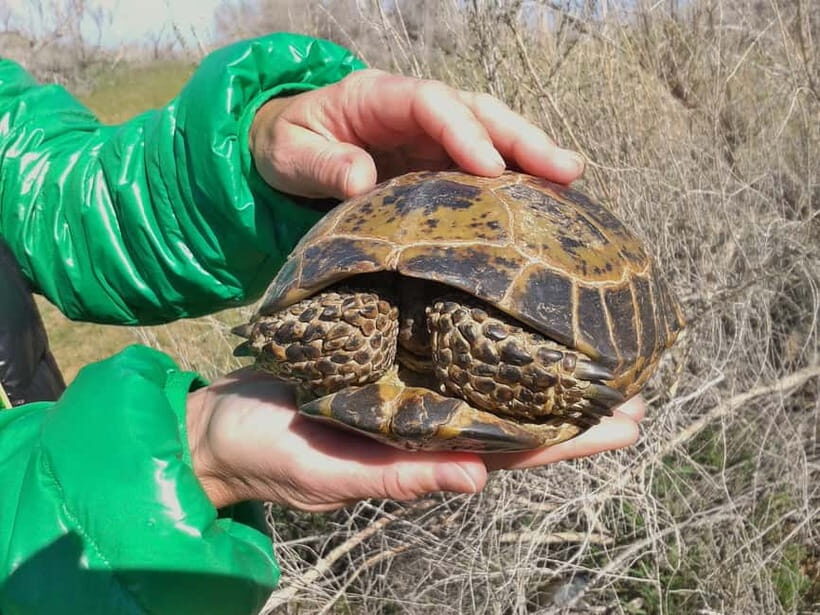
The tour lists the basics, and I’d treat them as minimum—not suggestions. Bring:
- Comfortable shoes (the ground around dunes and camp areas can be uneven)
- Sunglasses and a sun hat
- Sunscreen
- Comfortable clothes
- A warm jacket for early spring or late autumn
Also, plan for the lake water reality. If you swim, you’ll get salt and mud on you. That’s normal, and the shower helps, but drying off takes time and warmth.
Finally, since you’ll spend a lot of your day outside, keep your phone and camera batteries managed. The camp has electric power to charge devices, but you’ll still want to conserve energy before stargazing.
Who This Tour Suits Best—and Who Might Want Another Option
This is a strong fit if you want:
- A true two-day break from Bukhara
- Camel riding and a campfire evening
- Sunset and night-sky viewing (Milky Way is the headline)
- A mix of roadside culture stops and nature time
It might not be your best match if you’re picky about accommodation comfort or you rely on lots of guided explanation in English. Because communication and guidance quality can vary, this works better for flexible travelers who are happy with a more “hands-on camp” style rather than a museum-style tour.
Should You Book This Yurt Camp Night from Bukhara?
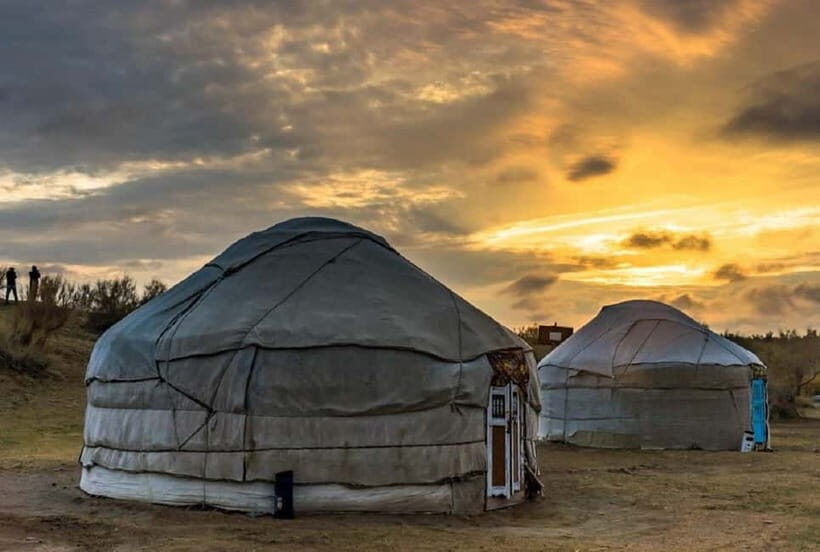
If your top goal is sunset + Milky Way in a quiet desert setting, I think it’s a good booking. The structure—road trip stops, Aydarkul Lake lunch and optional swim, camel ride, then campfire and stargazing—fits together well.
I’d only hesitate if you need consistently polished English guiding, or if you’re very sensitive to basic sleeping setups. If you book, go prepared: warm layers, sunglasses, and a realistic mindset about yurt comfort.
If you want an experience that’s more about sky and silence than monuments, this one delivers.
FAQ
How long does the drive from Bukhara take?
It takes about 4–5 hours by car to the yurt camp area (around 270 km). The drive to Samarkand is longer, about 5 hours (around 330 km).
What’s included in the $215 per person package?
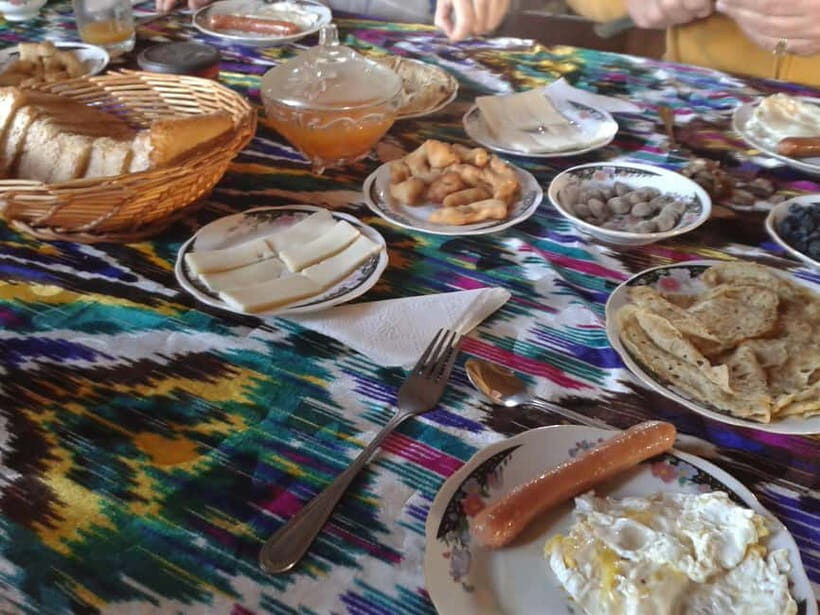
The tour includes the night in a yurt, 1 lunch, 1 dinner, 1 breakfast, camel riding (tips welcome), an A/C vehicle, and all fees and taxes.
Is swimming at Aydarkul Lake allowed?
Yes. The lake is described as safe for swimming, and the camp provides a fresh shower so you can wash off lake salt (around 1.5–2%) and mud.
What languages will the driver use?
The driver is listed as speaking English and Russian.
What should I bring for the trip?
Bring comfortable shoes, sunglasses, a sun hat, sunscreen, and comfortable clothes. Protective hiking boots or sport shoes and long trousers are recommended, and a warm jacket is needed in early spring and late autumn.
Are monument entrance tickets included?
No. Entrance tickets to monuments are not included.