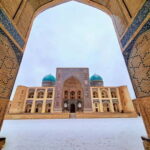
Bukhara pulls you in fast. In a short time you’ll get a focused tour of UNESCO old-town sights, with hotel pickup and a guide who explains what you’re seeing. It’s a small-group loop that mixes big-name monuments with quieter corners that make the city feel real.
What I like most is the balance: you’ll see the headline stops like the Samanid Mausoleum and Po-i-Kalyan, then you’ll get context for how religion, politics, and daily life shaped the streets. I also like that the guide isn’t just reciting facts—there’s storytelling, including legends and even humor, so the places stick in your mind.
One thing to factor in: entry fees (about $7 per person) are not included, and food and drinks aren’t included either—so your total cost depends on how many paid sites you choose to enter.
In This Review
- Key Points at a Glance
- Getting Oriented Fast: Pickup and a 7-Person Pace
- From the Samanid Mausoleum to Chashma-Ayub: Spiritual Architecture Up Close
- Bolo-Hauz Mosque and the Po-i-Kalyan Complex: Where City Power Shows
- Ark Fortress and the Madrasahs: Rulers, Education, and City Leadership
- Magoki-Attari Mosque, Lyab-i Hauz Ensemble, and Chor-Minor: Street-Level Bukhara
- Bazaars and Local Food Time: How to Shop and Taste Without Guesswork
- Guide Quality: Clear Explanations in English or Russian
- Price and Value for Two People at $168
- What to Bring (and What to Skip) for a Smooth 4 Hours
- Who This Tour Fits Best (and Who Might Want Something Else)
- Should You Book This Bukhara Highlights Tour?
- FAQ
- Do I get hotel pickup?
- How long is the tour?
- What group size is this tour?
- What languages are available for the guide?
- Is the price per person or per group?
- Are entrance fees included?
- Is food included?
- What should I bring, and is luggage allowed?
- Where does the tour end?
Key Points at a Glance
- Hotel pickup that gets you into the Old Town quickly, without hunting for meeting points
- 7-person small group for easier questions and slower, clearer explanations
- Big landmarks plus lesser-seen sites like Chashma-Ayub and Magoki-Attari
- Live guide in English or Russian, with legends and practical society context
- Bazaars in the mix, so you learn how people shop and socialize
- Around $7 per person in extra entrance tickets for some attractions
Getting Oriented Fast: Pickup and a 7-Person Pace
If this is your first day in Bukhara, this tour is a smart way to get your bearings. The hotel pickup matters more than it sounds. Bukhara’s old center can be confusing when you’re new, and saves you from losing time figuring out where to start. You’ll wait in the hotel lobby about five minutes before pickup, and the guide holds a sign with your name—simple and easy.
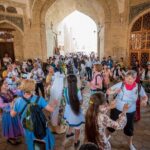
The tour runs about 4 hours, which is perfect for a “see the core and learn the story” day. With a maximum of 7 participants, you’re not fighting for attention or getting rushed through corners. You’ll also have moments to ask questions or ask the guide to slow down if you missed something.
Comfort matters here. You’ll do a lot of walking on historic streets, so comfortable shoes are not optional. Also note the rule: no luggage or large bags, which is worth remembering if you’re still moving between hotels.
You can also read our reviews of more guided tours in Bukhara
From the Samanid Mausoleum to Chashma-Ayub: Spiritual Architecture Up Close
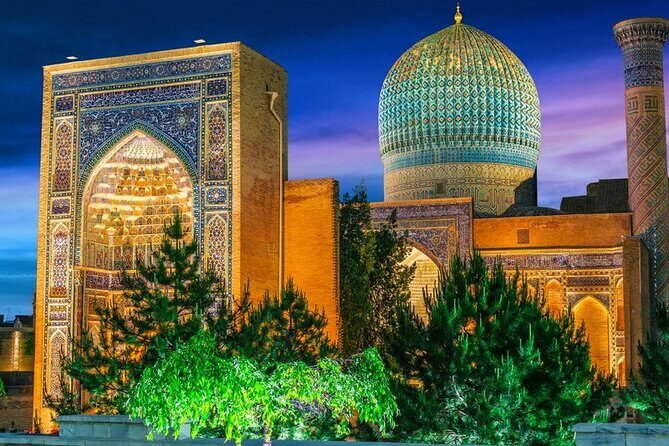
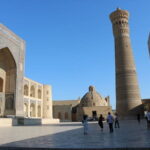
The tour’s opening sights set the tone: this is a city where faith and power show up in brickwork, tile, and layout. You start with the Samanid Mausoleum, one of Bukhara’s key monuments. Even if you only catch fragments at first, the guide’s framing helps you read the building like a history lesson: why that design matters, what it signals, and how it fits into the city’s older timeline.
Then you head to Chashma-Ayub Mausoleum. This stop is valuable because it’s not just a big postcard building. It’s the kind of site where local meaning and story matter as much as architecture. The guide’s commentary on traditions and beliefs helps you understand why these places were visited, remembered, and protected—so you don’t just photograph stonework and move on.
What I like about placing Chashma-Ayub early is that it trains your eye. After this, the rest of the monuments feel connected, not random.
A practical consideration: some sites can involve stairs and uneven ground. If you’re traveling with limited mobility, plan on slower walking and focus on wearing stable shoes.
Bolo-Hauz Mosque and the Po-i-Kalyan Complex: Where City Power Shows
Next comes the Bolo-Hauz Mosque. Mosques in Central Asia aren’t only about prayer—they also sit inside a larger social system. The guide’s explanations make that clear, including how religion and public life overlap. Expect to learn why these structures appear where they do and what their architecture is trying to communicate to people who pass by every day.
After that, you’ll visit the Po-i-Kalyan Complex. This is one of those areas where the big scale can be overwhelming at first—until someone explains the layout. The complex is a great “learn-the-language-of-the-city” stop because it connects multiple religious and educational functions in one strong focal zone.
A bonus here is that the commentary includes legends and humorous stories. That’s not just entertainment. It helps you remember details later, when you’re wandering on your own. And since the tour ends in a central place, you want your brain warmed up for independent exploring.
Ark Fortress and the Madrasahs: Rulers, Education, and City Leadership
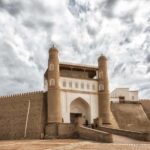
At the Ark Fortress, you get a different angle on Bukhara. Instead of focusing only on sacred architecture, you see the seat of authority. A fortress area changes how you understand everything else, because it shows who held power and why the city was built to support governance alongside religion.
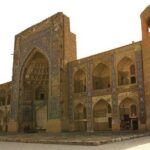
Then the tour shifts into the education side of the story with two major madrasahs: Ulugbek Madrasah and Abdulaziz-Khan Madrasah. This is where you learn how scholarly life was organized and why madrasahs were not just schools—they were institutions tied to status, patronage, and community identity.
I also like that you’re not just hearing generic timelines. The guide’s take on traditions and everyday society helps you understand why these buildings would have mattered to locals, not only to historians. It turns architecture into context you can feel.
If you’re the type who likes to take photos, this section is a goldmine. Just keep a little patience: some moments are better for watching and listening than for rushing the camera shot.
Magoki-Attari Mosque, Lyab-i Hauz Ensemble, and Chor-Minor: Street-Level Bukhara
After you’ve covered the monuments that define Bukhara from a distance, the tour brings you toward what it feels like to live there. One highlight is the Magoki-Attari Mosque. This stop is especially valuable because it adds variety—different scale, different vibe, and a setting that makes Bukhara feel layered. Sites like this help you understand that the city isn’t only about its tallest domes and grand complexes. It’s also about where people gathered, prayed, and worked.
Then you reach the Lyab-i Hauz Ensemble. This area is a classic place to pause. The tour format includes time to absorb the atmosphere, not just move on. It’s a good spot to notice how public space functions—where people linger, how conversations flow, and how the city’s historic core stays social.
Finally, you’ll visit Chor-Minor Madrasah. It’s a perfect capstone because it feels visually distinct and helps you put a “shape” on what you learned about education and patronage earlier. By this point, you should be able to spot repeating themes and recognize how the city’s style evolved.
One small word of advice: plan to slow down around Chor-Minor. If you’re tired, you’ll still get something meaningful from this stop, but it’s better when you give it a few extra minutes.
You can also read our reviews of more city tours in Bukhara
Bazaars and Local Food Time: How to Shop and Taste Without Guesswork
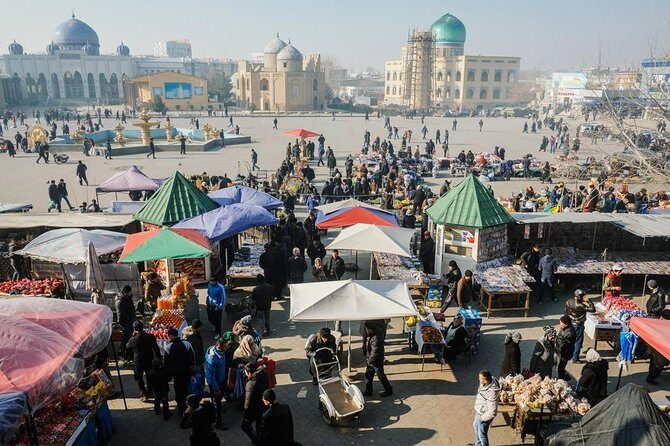
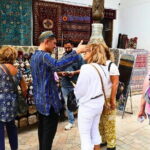
A city highlights tour should include more than monuments, and this one does. You’ll get time in the bazaars, where Bukhara’s modern rhythm shows up beside the ancient architecture. This is where you start understanding daily Uzbekistan—what people buy, how they interact, and what locals consider normal.
The tour also includes a chance to taste local cuisine. Since food and drinks are listed as not included, treat this as flexible. If you see something you want, you’ll likely be paying out of pocket. The value is that you’ll be doing it with context instead of guessing what’s worth your money.
If you want to shop, go in with a simple plan. Decide what you’re after—spices, sweets, or small souvenirs—and don’t feel pressured to buy on the spot. The guide’s understanding of society and beliefs can also help you avoid awkward misunderstandings if you’re unsure how things work in a market setting.
Guide Quality: Clear Explanations in English or Russian
This tour’s biggest strength is the guide interaction. The tour uses a live guide in English or Russian, and the small group format makes it feel personal.
The names that show up in guide feedback include Shahram and Bekruza (also spelled Bexruza). Both are praised for being attentive and for explaining sites clearly, even when language support changes. That matters because your experience can swing a lot depending on how smoothly the guide can communicate.
I also like the way the guide invites participation. There’s a habit of asking you to stop and tell the guide if you’ve missed something. That reduces the common problem where one person falls behind and everyone suffers.
If you care about storytelling, you’ll appreciate the mix of historical explanation, legends, and light humor. It turns a schedule of monuments into a connected story you can repeat later when you’re walking on your own.
Price and Value for Two People at $168
Let’s talk money in a practical way. The price is $168 per group up to 2 for a 4-hour guided experience. That pricing structure can be good value if you’re traveling as a pair—especially in a city where transport into the old center can add up fast.
What you get included is a professional guide and hotel pickup. Those two things are often what you pay for indirectly when you book other arrangements separately: guide time plus the hassle of meeting up.
Your main extra costs are:
- Entrance tickets to some attractions, around $7 per person
- Food and drinks, not included
So the “real” total depends on whether you plan to enter every paid site you pass. If you like to step inside buildings and mosques, budget the entrance fees early. If you’re mostly content with outdoor viewing, your out-of-pocket might be lower—but you’ll still want to keep some extra cash for tickets and any food tasting you choose.
One more value point: the tour ends at a central location, meaning you’re not stuck with a full day of transfers just to keep exploring. You can use the knowledge from the guide to steer your own next stops.
What to Bring (and What to Skip) for a Smooth 4 Hours
This is a walking-heavy old-city style tour, so pack like you’re going to explore—not like you’re going to a conference.
Bring:
- Comfortable shoes you can stand in for a while
- Something simple to carry your essentials
Skip:
- Luggage or large bags (not allowed)
If you’re traveling with a camera bag, consider traveling light. The tour’s rules aren’t about being picky—they’re about keeping the group moving comfortably through older streets.
For language: if you have strong preferences, check that English or Russian is available for your slot. The live guide is part of the experience, and clarity really helps with monuments and cultural context.
Who This Tour Fits Best (and Who Might Want Something Else)
This tour fits best if you want:
- A first-time orientation to Bukhara’s main landmarks
- A guide who connects architecture to religion, traditions, and society
- A manageable time window (4 hours) that doesn’t eat your whole day
- A small-group setting where you can actually ask questions
It may feel less ideal if:
- You want a very long, slow day with deep time inside every building
- You don’t like walking and prefer transport between sites (this tour is built around walking in the old center)
- You’re hoping for a fully free experience without any entrance fees or food purchases
Should You Book This Bukhara Highlights Tour?
I’d book it if you’re looking for a smart hit of Bukhara in a short window—especially if you value a guide who can explain what you’re seeing and add stories that make the city easier to remember. The hotel pickup, the small group size, and the blend of major monuments with quieter stops like Chashma-Ayub and Magoki-Attari give you more than a simple photo loop.
Wait on booking only if your priority is maximum time inside sites or you’re trying to avoid all paid entry and optional tastings.
FAQ
Do I get hotel pickup?
Yes. Hotel pickup is included, and the guide will be holding a sign with your name. You should wait in the hotel lobby about 5 minutes before the scheduled pickup time.
How long is the tour?
The tour lasts about 4 hours.
What group size is this tour?
It’s a small group limited to 7 participants.
What languages are available for the guide?
The live tour guide is available in English and Russian.
Is the price per person or per group?
It’s listed as $168 per group up to 2 people.
Are entrance fees included?
No. Entry fees are not included, and additional entrance tickets are around $7 per person.
Is food included?
Food and drinks are not included, although there is time to taste local cuisine during the tour.
What should I bring, and is luggage allowed?
Wear comfortable shoes. Luggage or large bags are not allowed.
Where does the tour end?
The tour ends at a central location, so you can continue exploring on your own or return to your hotel.