REVIEW · BUKHARA
Bukhara: Private Guided Walking Tour with Hotel Pickup
Book on Viator →Operated by UzLocalGuide · Bookable on Viator
Bukhara’s landmarks are close together. This private guided walking tour strings together major sites in the old city, starting near Lyabi-Hauz and ending at the Ismail Samani Mausoleum in about 5–6 hours. I love the practical way the route is planned so you’re not zig-zagging for hours, and I like that the guide can adapt the pace when families or weather make things tricky (guides like Sunny and Nuriddin are known for working around real-life needs). The only real catch: most entry fees are not included, so you’ll want to budget a bit extra and be ready for a good chunk of time on foot.
You’ll be picked up from your hotel and guided through the historical core. The tour uses a mobile ticket and is private, so it’s just your group. If you’re trying to see a lot without the stress of navigation, this format makes sense.
One more thing to keep in mind: some monuments may be under restoration. No panic though. The guide can swap in alternative stops so you still get a full, satisfying route.
In This Review
- Quick Take: What Makes This Bukhara Tour Work
- Hotel Pickup and Starting Near Nodir Devonbegi Madrasah
- Lyab-i-Hauz: Madrasas Around a Courtyard That Still Feels Alive
- Magoki-Attori Mosque and the Carpet Museum: Religious History, Then Craft
- Toki Telpakfurushon Trading Dome: Where Shopping Is Part of the Story
- Ulugbek Madrasah: One of the Older Schools in Town
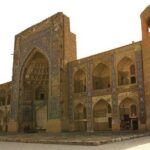
- Abdulaziz-Khan Madrasah: Tilework Details You’ll Actually Notice
- Poi Kalyan: Kalyan Minaret, Kalyan Mosque, Mir-Arab Madrasah
- Ark of Bukhara: The Emir’s Citadel in Earthen Form
- Bolo Hauz Mosque: A Free Stop That Still Feels Worth It
- Chashma-Ayyub Mausoleum: A Short Visit With a Legend Behind It
- Ismail Samani Mausoleum: The Perfect Ending Point
- Tickets, Entry Fees, and the Real Cost of “Not Included”
- Walking Time, Weather, and Where Rest Fits In
- Price and Value: Is $50 Worth It?
- Who This Tour Suits Best (and Who Might Want Another Option)
- Should You Book This Private Guided Walking Tour in Bukhara?
- FAQ
- How long is the Bukhara private guided walking tour?
- Is hotel pickup included?
- Is this a private tour or a group tour?
- What is included in the price?
- Are entry fees included?
- Is lunch included?
- Where does the tour start and where does it end?
- What if a monument is under restoration?
- Does the tour depend on weather?
- Is the tour walking-only?
Quick Take: What Makes This Bukhara Tour Work
- Hotel pickup + on-foot guiding saves you time the moment you step outside.
- Lyabi-Hauz to Ismail Samani is a clean “big sights” route that covers the core fast.
- Restoration-friendly flexibility means you’re not stuck skipping key areas.
- Free stops like Toki Telpakfurushon and Bolo Hauz Mosque help stretch your budget.
- Real-world pacing: guides are willing to adjust for families, elders, and bad weather.
Hotel Pickup and Starting Near Nodir Devonbegi Madrasah
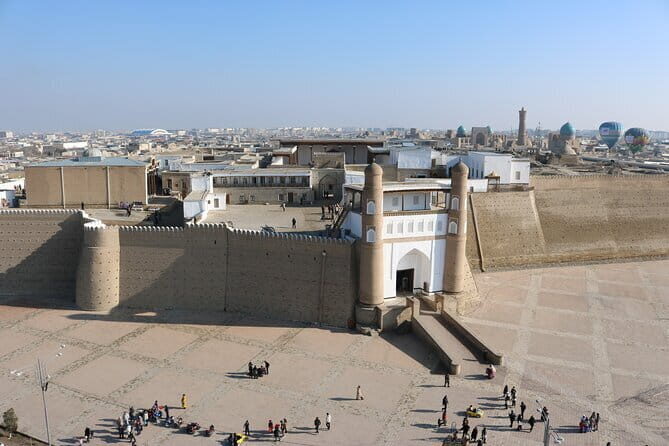
This is a private walking tour, so you’re not sharing the route with strangers. Your guide meets you at your hotel, then you head into the old city on foot. The tour’s start point is listed near Nodir Devonbegi Madrasah (Bakhowuddin Nakshbandi Str.), which is a good anchor because you’re already near the dense cluster of historic buildings.
The ending point is Ismail Samani Mausoleum, so you finish at one of Bukhara’s most famous early Islamic monuments instead of winding up somewhere random. That makes it easier to plan what you do next—dinner, a short stroll, or another museum visit.
You can also read our reviews of more walking tours in Bukhara
Lyab-i-Hauz: Madrasas Around a Courtyard That Still Feels Alive
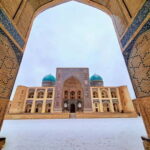
Your first major stop is the Lyab-i-Hauz complex, centered on the well-known courtyard setting with three linked monuments: Kukeldash Madrasah, Nodir Divan Begi Madrasah, and Hanaka Nadir Devanbegi. Even if you only get around for about 40 minutes, this place helps you understand how Bukhara’s educational and religious life was organized around public space.
Practical tip: since this is an architectural ensemble, it pays to look at the shapes and materials as much as the names. Tiles, archways, and door frames tell you a lot about time periods and styles. Your guide can connect those visual cues to what the buildings were used for—without turning it into a lecture marathon.
Magoki-Attori Mosque and the Carpet Museum: Religious History, Then Craft
Next you visit the Magoki-Attori Mosque, a 12th-century structure tied to the Lyab-i-Hauz religious complex. After that, there’s time at the Carpet Museum. The total time is short, but it’s a smart pairing: mosque architecture gives you the religious backdrop, and the carpet display helps you see how everyday culture expresses itself through craft.
A consideration here: admission fees are not included for this stop. If you’re trying to keep costs controlled, ask your guide ahead of time which sites require tickets and what to do if you decide to skip one.
Toki Telpakfurushon Trading Dome: Where Shopping Is Part of the Story
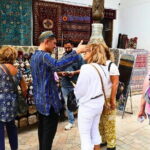
This stop is the Toki Telpakfurushon Trading Dome, a covered market area. The timing is about 20 minutes, and the good news is that admission is listed as free for this stop.
Even if you’re not planning to buy anything, this is where Bukhara’s “people and trade” side shows up. Covered domes weren’t just for weather—they were for commerce, storage, and customer flow. If you’re curious about local life beyond monuments, this is one of the most satisfying stops.
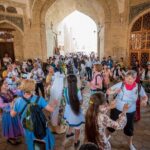
Practical tip: markets can be busy in the daytime. If you prefer quieter walking, tell your guide what pace you want.
Ulugbek Madrasah: One of the Older Schools in Town
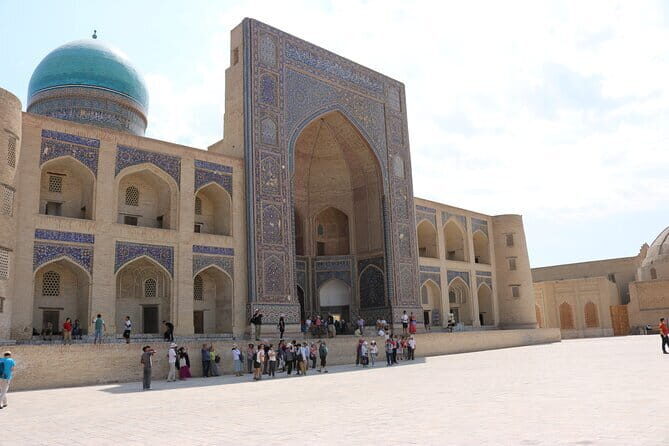
You’ll spend about 20 minutes at the Ulugbek Madrasah, one of the oldest buildings in Bukhara, built by Ulugbek, the grandson of Amir Timur. This is a great mid-tour pause because it shifts from courtyards and marketplaces to education and architecture.
Since entry fees are not included, you may face a small decision: do you pay and go in, or do you focus on exterior details? Either way, the point of the stop is to connect the building to the people and power structures that supported learning.
You can also read our reviews of more guided tours in Bukhara
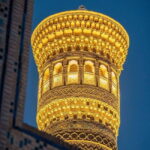
Abdulaziz-Khan Madrasah: Tilework Details You’ll Actually Notice
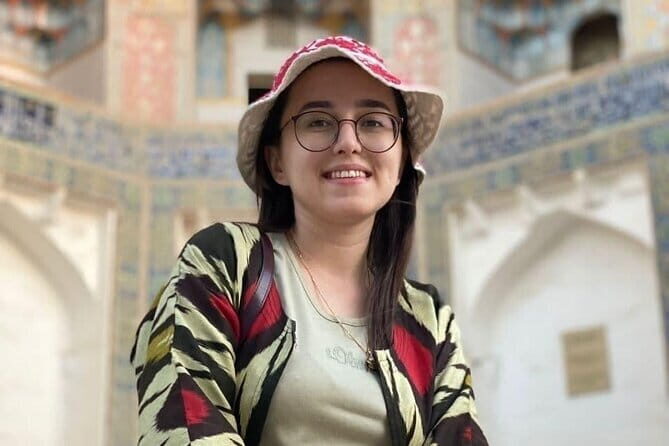
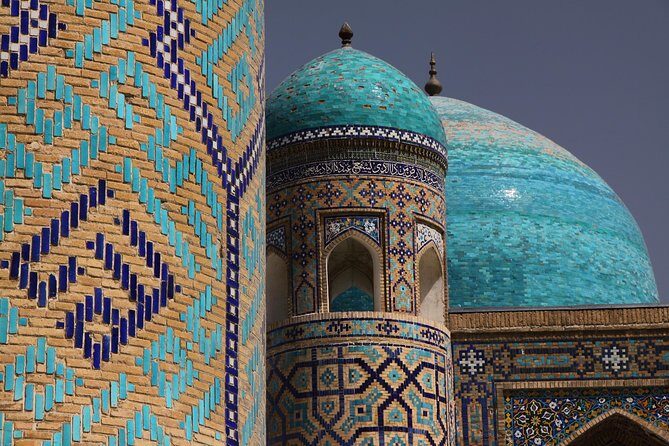
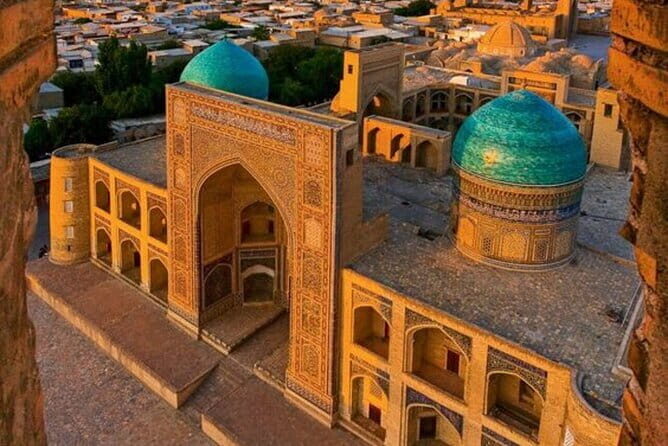
The Abdulaziz-Khan Madrasah stop (also about 20 minutes) is centered on craftsmanship—especially its intricate tile work and decorative fresco-like elements. It was built in 1652 during the reign of Abdulaziz Khan, so it sits later than some of the earlier structures you’ve already seen.
This is one of the places where a good guide earns their fee. With the right explanation, you stop looking at it like a “pretty building” and start reading it like a timeline.
Like several other sites on this tour, admission tickets are not included here.
Poi Kalyan: Kalyan Minaret, Kalyan Mosque, Mir-Arab Madrasah
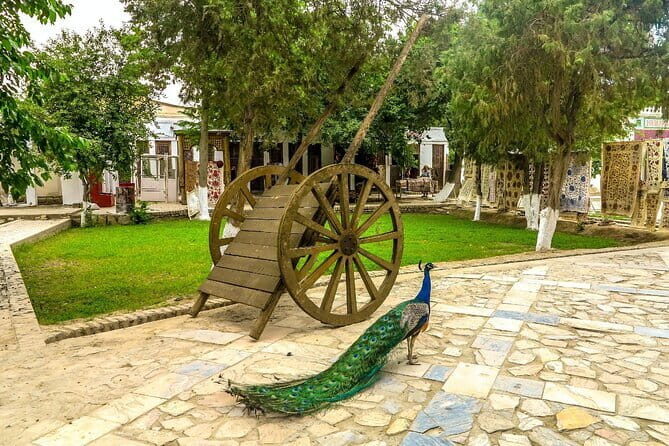
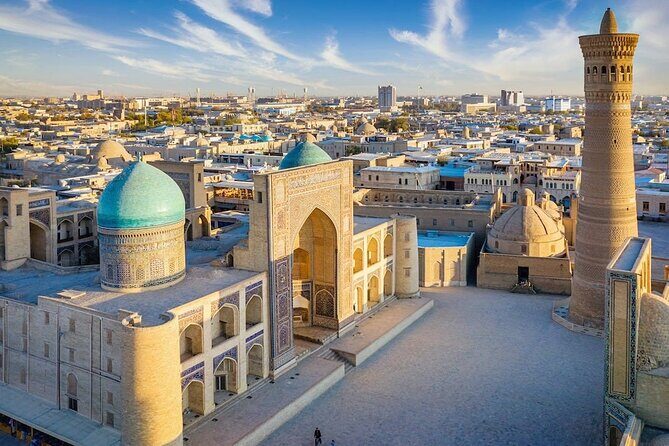
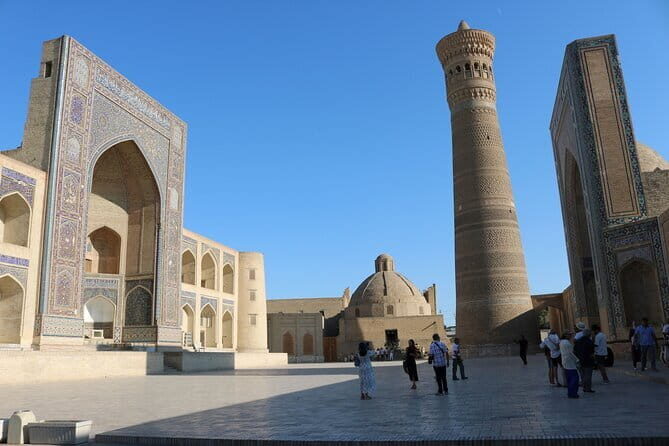
Then the tour opens up to the Poi Kalyan complex, which includes the Kalyan Mosque, Kalyan Minaret, and Mir-Arab Madrasah. You get around 40 minutes here, giving you enough time to stand back for the big picture and then come in closer for the details.
This complex is especially important for first-timers because it’s a recognizable cluster. You can orient yourself visually: the minaret’s presence helps you understand why certain buildings dominate a skyline.
Entry fees are not included for this stop, so again, plan for the possibility of extra ticket costs depending on what you enter.
Ark of Bukhara: The Emir’s Citadel in Earthen Form
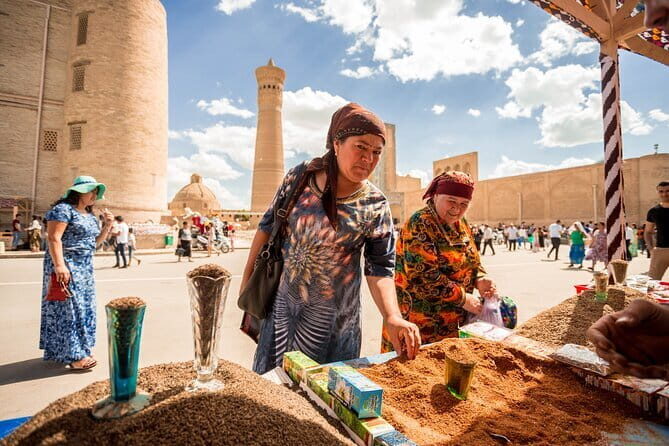
The Ark of Bukhara is the citadel/fortress area associated with the Emir of Bukhara. The scheduled time is short (listed at about 1 minute), but even a quick look matters because the Ark is located in the northwestern part of contemporary Bukhara and is built as a large earthen fortification.
In practice, you’ll want to use the guide’s time wisely here. If you care about fortifications and the story of political power, ask your guide what to focus on in the area you can access in that window.
Admission is not included for this stop.
Bolo Hauz Mosque: A Free Stop That Still Feels Worth It
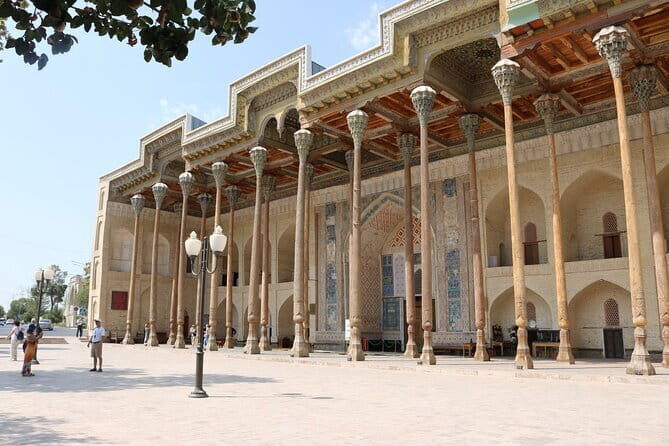
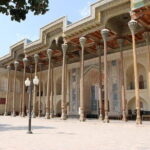
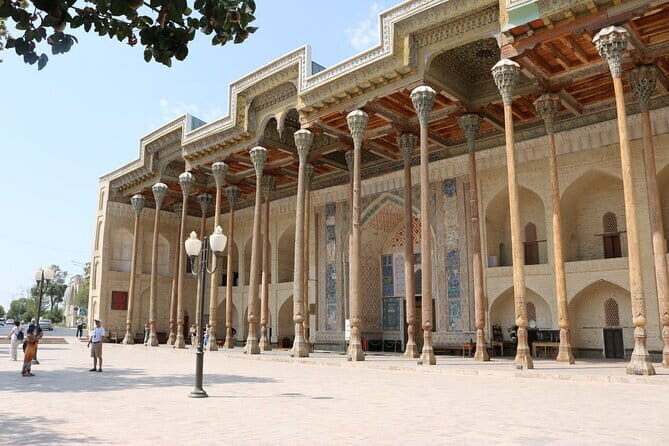
Next is the Bolo Hauz Mosque, with about 20 minutes. The best part: admission for this stop is listed as free. It’s described as belonging to the 18th–20th centuries, which helps you place it chronologically relative to earlier buildings.
This is a good breathing point. After heavier architecture stops, a calmer mosque visit can be a reset for your eyes and your legs. If you’ve been focusing on tiles and minarets, step in and let the space slow down your pace.
Chashma-Ayyub Mausoleum: A Short Visit With a Legend Behind It
You’ll then visit Chashma-Ayyub Mausoleum, a 12th-century structure linked to the legend of Prophet Ayyub (Job) and a sacred spring. Time here is brief (about 10 minutes), but the story behind it is exactly the kind of detail that makes a small site memorable.
Admission is not included for this stop. Also, since it’s tied to a spring legend, it’s worth paying attention to what the guide points out in the area you’re allowed to access.
Ismail Samani Mausoleum: The Perfect Ending Point
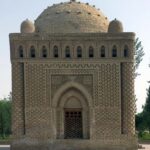
The tour finishes at the Ismail Samani Mausoleum (Samanids Mausoleum), one of Bukhara’s early Islamic highlights. It’s a 10th-century family tomb for the Samanid dynasty and is known for intricate brickwork and a distinctive cubic design.
You’ll get about 10 minutes here. That’s not long, but it’s enough to understand why the structure is so often singled out: proportions, brick patterning, and the way the monument holds its shape without relying on heavy ornament.
Admission tickets are not included for this stop, so you may want to decide ahead of time whether you’re going inside.
Tickets, Entry Fees, and the Real Cost of “Not Included”
Here’s the key budgeting truth: the tour price is $50 per person, and most stops list admission tickets as not included. Two stops are marked free: Toki Telpakfurushon Trading Dome and Bolo Hauz Mosque.
That means the headline price is only part of your total. The good news is you can manage the rest: focus on what matters most to you and be flexible with what you enter. If money is tight, you can still enjoy plenty from exterior views at sites where entry fees apply—especially with a guide pointing out the details you might otherwise miss.
Walking Time, Weather, and Where Rest Fits In
This tour is built around walking through the old town. You should expect sustained time on foot for about 5–6 hours, though it’s customizable. The tour description specifically notes breaks at local cafes if needed.
Weather matters in Bukhara. The experience requires good weather, and if it’s canceled due to poor weather, you’ll be offered another date or a full refund. In real-life situations, guides have also been willing to use a taxi when conditions are rough—especially for families traveling with an elderly parent and a young child.
Practical packing ideas (not provided, just common sense): wear comfortable shoes with grip, bring water, and have a light layer ready. Old town sidewalks can be uneven.
Price and Value: Is $50 Worth It?
For $50 per person, you’re getting a professional guide, hotel pickup, a walking route through major historic sights, and online support, plus a mobile ticket. It’s also private, so you avoid the “waiting for everyone” problem that can eat into sightseeing time.
This is best value when:
- You’re short on time and want a high hit-rate route.
- You care about context (why each building exists, who built it, and what changed over time).
- You’d rather have someone else manage the flow than map it yourself.
The value drops a bit if you plan to skip most paid entries and only want exterior viewing. Still, even then, the guide can help you understand what you’re looking at, which is half the payoff in places like this.
Who This Tour Suits Best (and Who Might Want Another Option)
This private guided walk is a strong fit for:
- First-time visitors who want the core monuments without renting a vehicle.
- Families with kids or older relatives who still want to see a lot, especially when the guide can adjust pacing.
- People who like architecture and religious/civic history and want it connected into a single story.
It’s less ideal if:
- You hate walking and don’t want to plan for breaks.
- You have a strict “no extra tickets” budget, since most entries are not included.
Should You Book This Private Guided Walking Tour in Bukhara?
Yes, if your goal is to see the old-city highlights in one smooth day and you want the context that brings the buildings to life. The route makes practical sense, the tour is private, and guides like Sunny and Nuriddin are known for staying flexible with your needs and timing.
Book it with two expectations: plan for entry fees at many stops, and be ready for a solid walk in the old town. If you can do that, you’ll end the day with a clear sense of how Bukhara’s major religious, educational, and trading worlds connect—starting at Lyab-i-Hauz and ending at Ismail Samani.
FAQ
How long is the Bukhara private guided walking tour?
It runs about 5 to 6 hours and can be customized. You’ll spend time walking through the old town and visiting multiple monuments.
Is hotel pickup included?
Yes. The guide meets you at your hotel, and the tour begins from there on foot.
Is this a private tour or a group tour?
It’s private. Only your group participates.
What is included in the price?
The tour includes a professional guide, hotel pickup, a walking tour, and online support, plus a mobile ticket.
Are entry fees included?
No. Entry fees are not included for most stops, though a couple of stops are listed as free.
Is lunch included?
Lunch is not included. There is free waiting time available so you can take a lunch break.
Where does the tour start and where does it end?
It starts near Nodir Devonbegi Madrasah (Bakhowuddin Nakshbandi Str.) and ends at Ismail Samani Mausoleum (Samanids Mausoleum).
What if a monument is under restoration?
Some monuments might be under restoration. The guide will suggest alternative stops so you won’t miss out.
Does the tour depend on weather?
Yes. The experience requires good weather. If it’s canceled due to poor weather, you’ll be offered a different date or a full refund.
Is the tour walking-only?
It is a walking tour through the old city, but breaks at local cafes are possible if you need rest or refresh.