REVIEW · BUKHARA
A Group Walking Tour Of Old Town
Book on GetYourGuide →Operated by Your Guide in Bukhara · Bookable on GetYourGuide
Bukhara answers fast when you walk with a guide. I love how UNESCO Old Town sites snap into a clear route, not a confusing list, and I also love the bazaar time, when you see everyday life alongside the monuments. In a single day, the architecture feels less like a photo and more like a living place, thanks to a guide who explains what you’re looking at and why it matters.
One thing to plan for: entrance tickets cost extra, and you’re doing a true walking tour, so comfortable shoes are not optional. Also note that this tour is not suitable for people over 95 years.
The trade-off is that you get an English-speaking, fully licensed guide on a private walking format, with time to ask questions and not get rushed. In particular, guides such as Hamza and Aziza are praised for clear English and for pacing that feels right for short stays.
In This Review
- Key highlights worth your attention
- Why Bukhara’s Old Town rewards a guided walk
- Meeting near Toki Sarrafon: where the tour actually begins
- Citadel Ark, Trading Domes, and the Kalon minaret in one clear storyline
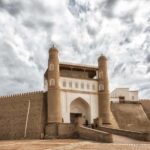
- The Citadel Ark: power you can feel in the stones
- Trading Domes: Toqi streets where commerce shaped the city
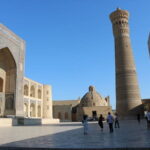
- The Great Minaret of the Kalon: a landmark you can’t miss
- Bazaars and hand-woven textiles: seeing the craft, not just hearing about it
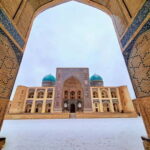
- Mosques and Islamic saints’ tombs: how faith shaped daily space
- Price and logistics: what you pay for, and what costs extra
- What to bring (and what rules keep the experience smooth)
- Who this Old Town walk is best for
- Should you book this Old Town walking tour?
- FAQ
- FAQ
- How long is the tour?
- Where does the tour start and end?
- Is this tour private?
- Do I need to pay for monument entrance tickets?
- What language is the guide?
- What should I bring?
Key highlights worth your attention
- UNESCO World Heritage Old Town route so you hit the core sights without wasting time
- Citadel Ark viewpoint time, with context so it stops being just another fortress
- Trading Domes (Toqi) stories, including how the domes earned their famous nickname
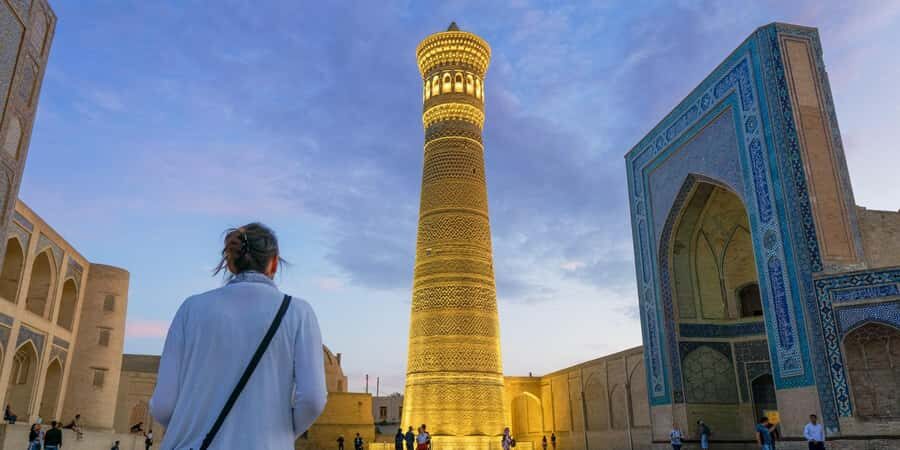
- Great Minaret of the Kalon sighting, a true skyline anchor in the Old City
- Bazaars and hand-woven textiles shopping streets where you actually see the craft
- Mosques and Islamic saints’ tombs that show how faith shaped daily space
Why Bukhara’s Old Town rewards a guided walk
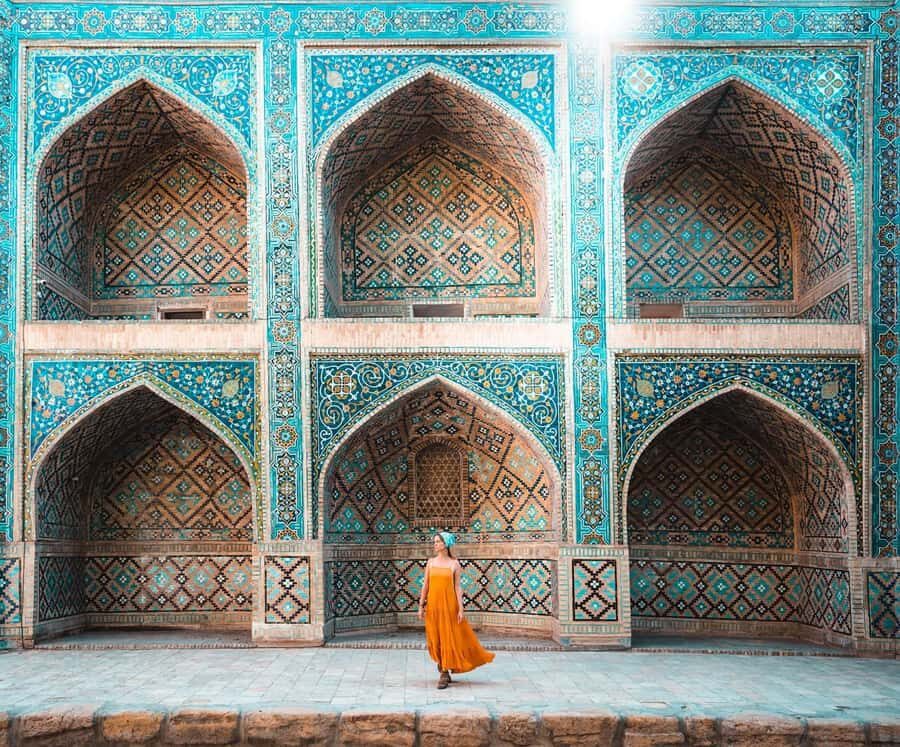
Bukhara’s Old Town is the kind of place where the details matter. From the way the streets bend to the way buildings frame courtyards, the city reads like a map you can learn quickly—if someone points out the landmarks in the right order.
That’s where this tour earns its place. You’re not just ticking off sights; you’re getting the meaning behind them. When you understand why a space exists (a citadel for power, domes for trade, minarets for community life), photos start to look different.
And if you’re on a short schedule, this is exactly the style of tour that helps you get oriented fast. You cover a lot in one day without feeling like you’re sprinting through a museum.
You can also read our reviews of more walking tours in Bukhara
Meeting near Toki Sarrafon: where the tour actually begins
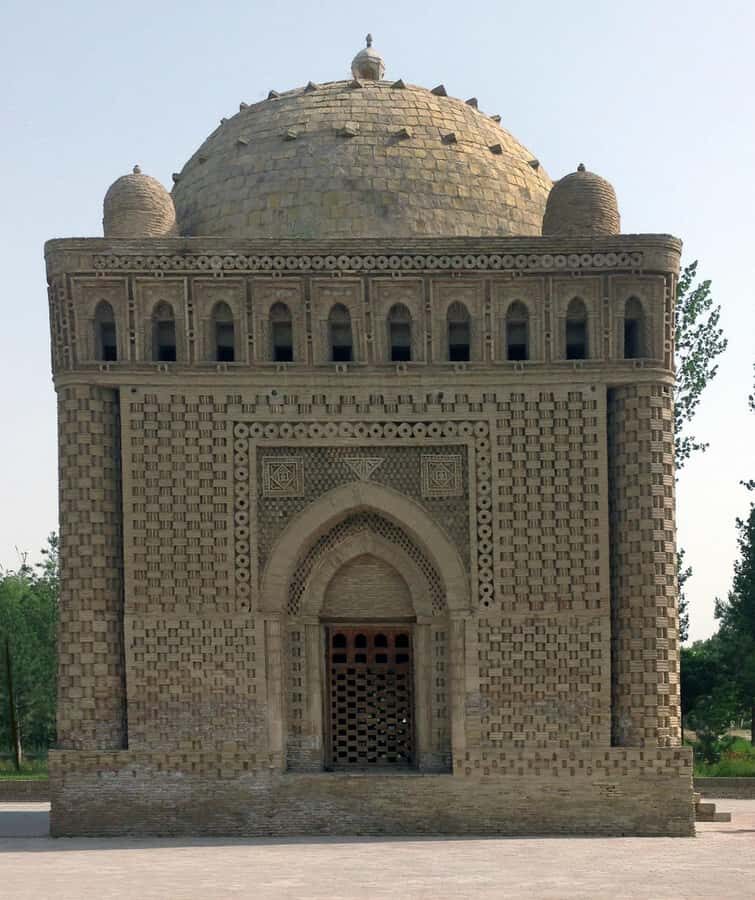
The tour meets near the Trading Dome Toki Sarrafon, and it ends back at the same meeting point. That matters because Bukhara’s Old Town is easiest to understand when you don’t have to “re-route” later—you start in the commercial heart and work outward through the main historic core.
Hotel pick-up is included, but transportation during the walk with a driver is not included. Practically, you should expect to walk most of the time once you’re dropped near the Old Town. So bring shoes you can trust for uneven pavement and long stretches of sidewalks.
I also like that you get 24h/7 assistance. Even if your day is slightly chaotic (late arrivals happen), having help in the background reduces stress and lets you focus on enjoying what you came for.
Citadel Ark, Trading Domes, and the Kalon minaret in one clear storyline
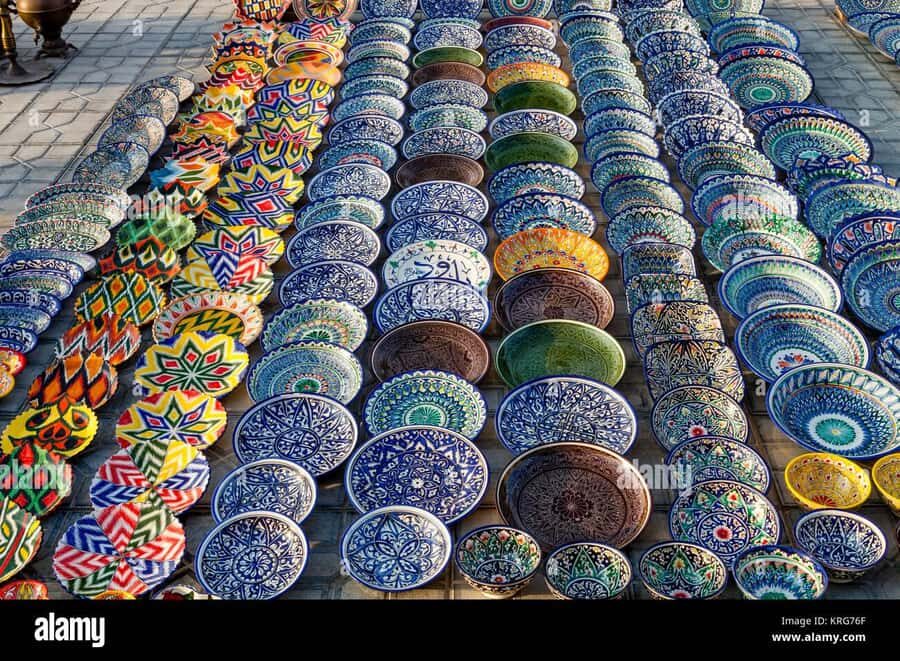
This is the backbone of the tour: the big-power, big-trade, and big-faith landmarks that define Bukhara’s skyline and street rhythm.
The Citadel Ark: power you can feel in the stones
The Citadel Ark is described as a major highlight, and with good reason. It’s the kind of place where the structure makes you wonder how rulers lived, worked, and defended themselves. A guide’s explanations help you see beyond walls and doors—why this fortress sits where it does, and how it connects to the city’s historic flow.
If you’re the type who likes to understand a place in human terms—who lived there, what the space was for—this stop usually clicks quickly. It’s also a strong anchor point for photos because it gives you context for the rest of the route.
Trading Domes: Toqi streets where commerce shaped the city
You’ll also learn about the Trading Domes, including their famous nickname. The domes aren’t just pretty architecture; they’re part of how Bukhara organized trade. In many Central Asian cities, market life determines where people travel, gather, and earn a living. Here, those covered trading lanes help explain why certain streets are crowded and certain buildings are prominent.
This part of the tour gives your brain a theme: trade isn’t a side activity in Old Town Bukhara—it’s woven into how the city operates.
The Great Minaret of the Kalon: a landmark you can’t miss
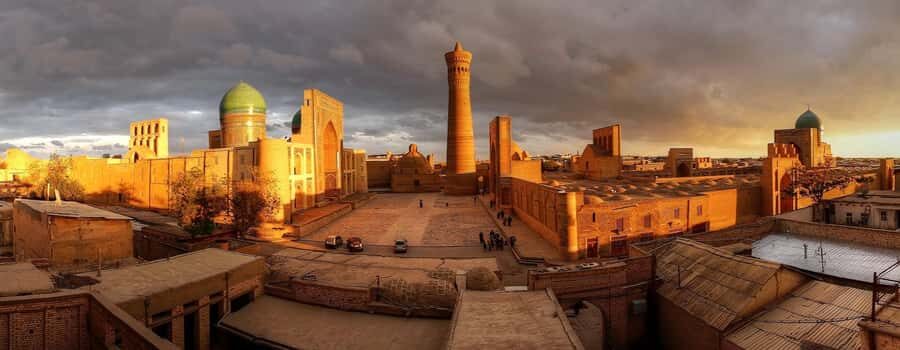
The Great Minaret of the Kalon is included, and it’s one of those sights that instantly upgrades your understanding of the city. When you see it in the context of nearby buildings, it stops being a monument in isolation. Instead, you get a sense of how religious life shaped public space and how the minaret became a visual cue for the entire community.
If you’re worried about getting lost, a landmark like this is a gift. It gives you a “north star” in the Old Town.
Bazaars and hand-woven textiles: seeing the craft, not just hearing about it
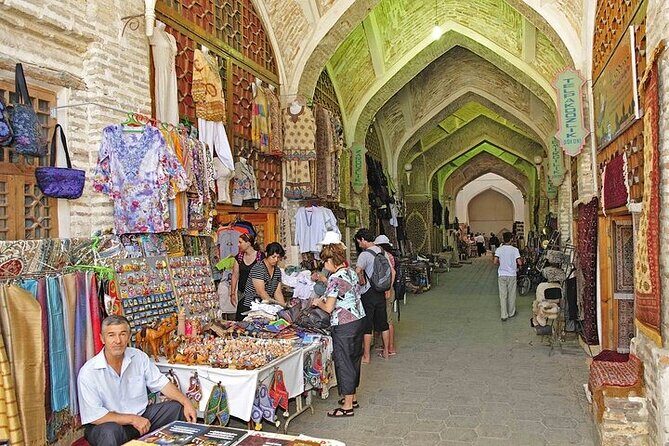
Bukhara is famous for hand-woven textiles, and the tour routes you through areas where you can’t really avoid seeing them. You’ll find that the pedestrian-friendly lanes and market passages make browsing natural. It’s not a forced detour; it’s just how the Old Town is built and how people shop.
This is also where you get local offerings at a traditional bazaar. You’ll see things like carpets and Uzbek spices, and you’ll have time to take it in without being herded along. If you like shopping for souvenirs, this is a practical moment—because you can compare styles, colors, and products while everything is still fresh in your mind.
A quick practical note: bring cash. You’re told to, and it’s smart in a market setting where payment methods can vary. Also bring a charged smartphone for photos and quick checks—just be sure you’re not blocking walkways while you shoot.
Mosques and Islamic saints’ tombs: how faith shaped daily space
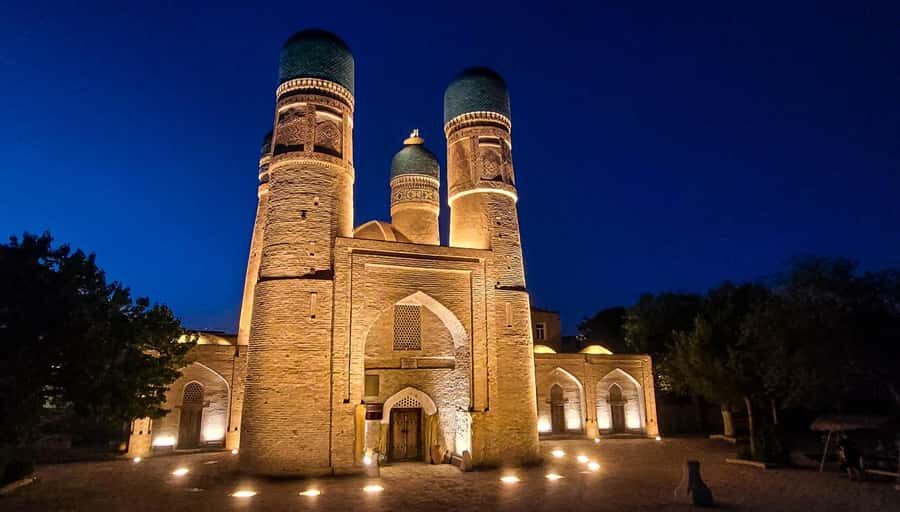
One of the tour highlights is the chance to discover multiple Muslim mosques and the tombs of Islamic saints. This is more than “pretty buildings.” In Bukhara’s Old Town, these sites help explain how spiritual life influenced how people structured neighborhoods and movement.
The respectful side matters here. You’ll want a head covering (or kippah), and clothing that feels comfortable and modest for walking through religious spaces. Your tour info also lists head coverings and even a hat for sun protection, which tells you the tour expects real outdoor time.
If you’re not used to visiting religious sites, the easiest approach is simple: slow down at the entrances, follow your guide’s cues, and keep your voice down. A good guide will also help you understand what you’re seeing so it feels meaningful rather than just scenic.
Price and logistics: what you pay for, and what costs extra
The price is listed as $29 per person, and that’s the part that makes the value equation interesting.
Included in that price:
- An English-speaking local guide
- Private tour
- Fully licensed guide
- Hotel pick-up
- All fees and taxes
- Our assistance 24h/7
Not included:
- Entrance tickets to monuments: listed as $8 per person
- Lunch and dinner
- Transportation during the tour with driver
So the logic is: you’re paying mainly for the guide, the structure of the walk, and the fact that someone is taking responsibility for guiding you through the right places in the right order. The $8 monument fee is the predictable add-on, and it’s stated clearly enough that you can plan for it without surprises.
In practical terms, if you’d otherwise hire a guide or try to navigate the Old Town alone, $29 often feels reasonable because you’re buying time-saving orientation and context. You also avoid the frustration of standing in front of big sights and wondering what you’re looking at.
What to bring (and what rules keep the experience smooth)
This walking tour gives you a solid list of what to pack, and it’s worth treating it like a checklist, not suggestions.
Bring:
- Comfortable shoes (seriously—Old Town walking adds up fast)
- A hat and breathable clothing
- A head covering or kippah
- Camera and drinks
- Biodegradable sunscreen and biodegradable insect repellent
- Cash
- A charged smartphone (internet access helps for maps and translation)
- Goggles (optional depending on your comfort level, but it’s on the list)
What’s not allowed:
- Smoking
- Drones
- Alcohol and drugs
- Littering, making noise, or firework use
- Nudity or see-through clothing
If you follow those, your day stays stress-free. And you’ll enjoy the slower moments—like looking closely at textiles or listening to a story from your guide—without feeling like you need to constantly fix your situation.
Who this Old Town walk is best for
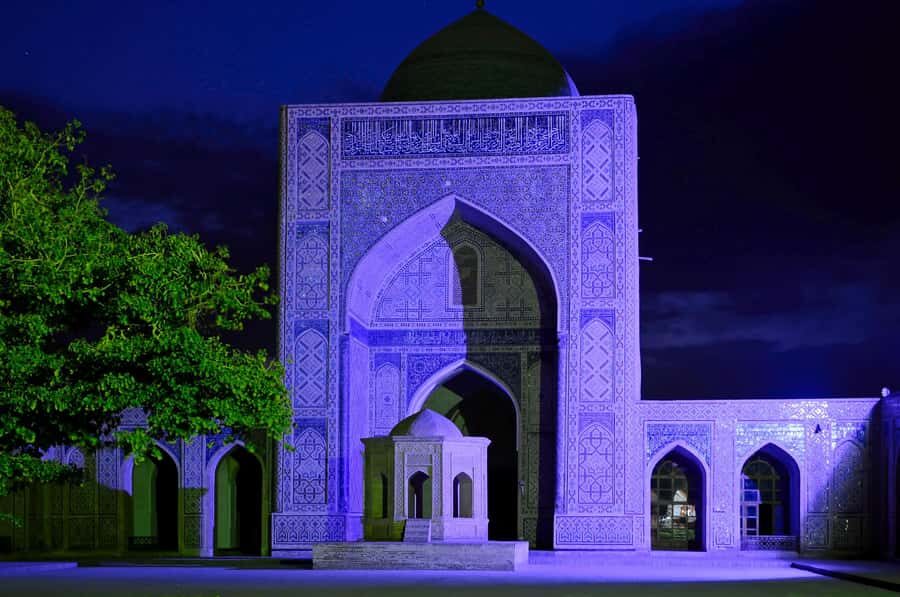
This tour is recommended for people with short stays in Bukhara, and that makes sense. In one day, you can cover the core sights: Ark, the domes’ trading story, the Kalon minaret, bazaars, and key religious sites.
I also think it’s a good match if you’re:
- A first-time visitor who wants the city to make sense quickly
- Someone who likes architecture but also likes meaning behind it
- A shopper who wants to browse textiles, carpets, and spices in the right places
- A question-asker who doesn’t want to feel rushed
Two more practical notes based on what’s stated:
- It’s in English.
- It’s not suitable for people over 95 years, so if you’re older, you’ll want a different, less walking-heavy option.
Should you book this Old Town walking tour?
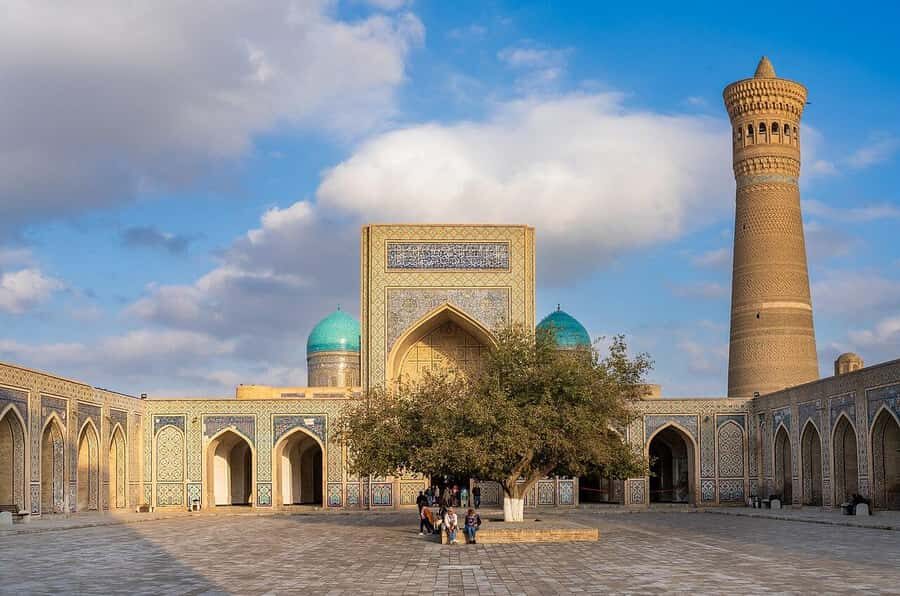
Book it if you want a short, high-impact way to understand Bukhara’s UNESCO Old Town. The mix of major landmarks (Citadel Ark, Trading Domes, Great Minaret of the Kalon) plus bazaar time and mosques/tombs is the exact combination that helps you leave with real understanding, not just photos.
I’d hesitate only if you’re not comfortable walking for most of the day, or if you strongly prefer paying a single all-in price with no extra monument fees. In this case, the $8 per person entrance tickets are extra, and that’s part of the deal you should plan for.
If you can handle that, you’ll likely love it. Guides like Hamza and Aziza are known for good English and for keeping the pace right, so your time in Old Town Bukhara feels efficient and genuinely satisfying—like you got the city’s best highlights in one smart sweep.
FAQ
FAQ
How long is the tour?
It’s a 1-day walking tour of Bukhara’s Old Town. Some group experiences have been described as taking around four hours, depending on pace and questions.
Where does the tour start and end?
The tour starts near the Trading Dome Toki Sarrafon and ends back at the same meeting point.
Is this tour private?
Yes. It’s a private tour with an English-speaking, fully licensed local guide.
Do I need to pay for monument entrance tickets?
Entrance tickets are not included, and the monument entrance fee is listed as $8 per person. You can pay on the spot.
What language is the guide?
The tour is in English.
What should I bring?
Bring comfortable shoes, a hat, a head covering or kippah, a camera, drinks, cash, and a charged smartphone. It’s also recommended to bring biodegradable sunscreen and biodegradable insect repellent.