REVIEW · BUKHARA
Bukhara: Full-Day Guided Tour with English-Speaking Guide
Book on GetYourGuide →Operated by Jahongir travel · Bookable on GetYourGuide
Bukhara rewards slow walking and good storytelling. This full-day guided tour strings together the city’s stand-out Islamic monuments, Silk Road trade tales, and calm courtyard stops, all with an English-speaking guide.
I love starting at the Samanid Mausoleum, where 10th-century brickwork and tight symmetry make an early Central Asian landmark feel immediate. I also love the Minorai Kalon and Poi Kalan area, because you get both the scale (including space for up to 10,000 worshippers) and the why behind it.
One consideration: there’s a moderate amount of walking over historic streets and uneven grounds, so it’s not a good match for wheelchair users or anyone with significant mobility limits.
In This Review
- Quick hits before you go
- Why a guided day in Bukhara is worth the money
- Labi Khauz meeting point and an easy rhythm for your day
- Samanid Mausoleum: the 10th-century start that sets the tone
- Minorai Kalon and Poi Kalan: towering verticals and a huge courtyard
- Magok-i-Attari: the mosque that used to be something else
- Tim Abdulla Khan Trading Dome: Silk Road commerce you can actually walk through
- The Ark of Bukhara: fortress walls, royal power, and serious scale
- Bolo Haouz Mosque: calm worship spaces and elegant details
- Lyabi Khauz: ending where the day feels human again
- Price and practical budgeting on top of the $80
- A note on guides: English that’s actually usable
- Photography rules and the small etiquette that saves time
- Who this tour fits best
- Should you book this Bukhara full-day guided tour?
- FAQ
- Where is the meeting point for the tour?
- Where does the tour end?
- Is this tour private?
- What’s included with the $80 per person price?
- Do I have to pay entrance tickets separately?
- Can I take photos with flash inside monuments?
- What should I bring for the day?
- Are meals and drinks included?
- Is the tour suitable for wheelchair users?
- Is there a reserve-and-pay-later option, and what’s the cancellation window?
Quick hits before you go
- Samanid Mausoleum kicks off the day at a 10th-century masterpiece tied to the Samanid dynasty
- Minorai Kalon (Kalon Minaret) is a 47-meter landmark with a story about guiding caravans on the Silk Road
- Magok-i-Attari shows layered faith: a Zoroastrian temple later turned into a mosque in the 12th century
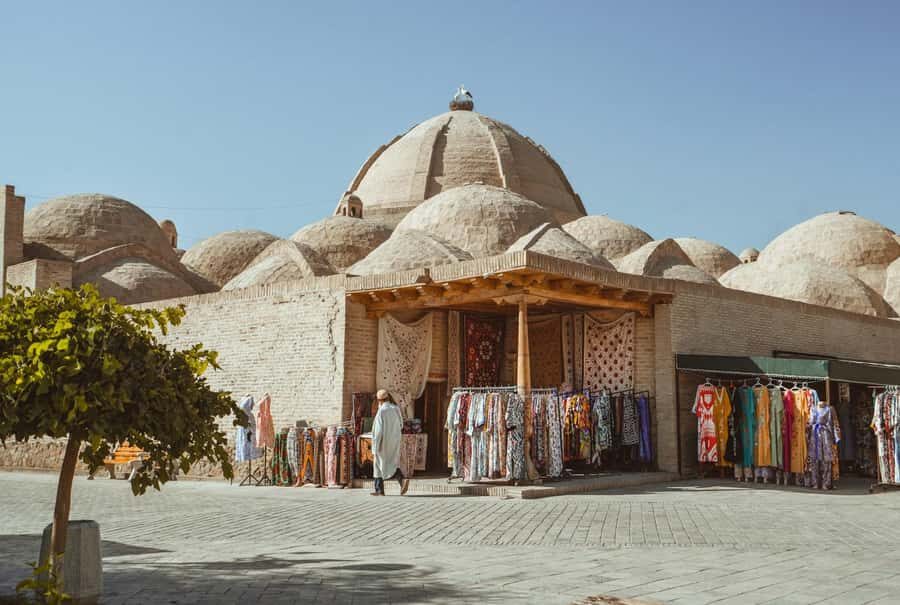
- Tim Abdulla Khan Trading Dome helps you understand how commerce moved through Bukhara’s old market spaces
- Lyabi Khauz ends the day on a quieter note, centered on one of Bukhara’s last surviving ponds
Why a guided day in Bukhara is worth the money
At $80 per person, this tour sits in the sweet spot between “just show me the sights” and “I want the story.” You’re paying for a certified English-speaking guide and private time, which matters in Bukhara where the details can be easy to miss if you’re rushing on your own.
What you’ll feel most is the connected thinking: the same city blocks that look like beautiful architecture also make sense as a trading network, a power center, and a place where different religions left layers behind. That’s the payoff of guided sightseeing here.
You can also read our reviews of more guided tours in Bukhara
Labi Khauz meeting point and an easy rhythm for your day
The tour starts at Labi Khauz near the Hodja Nasreddin monument, and it loops back to that same area when you’re done. That’s convenient because you’re not trying to solve transportation at the end of a long walking day.
Expect a moderate amount of walking. Wear comfortable shoes and plan for weather swings. Bring a hat and sunscreen for sun, and carry water—especially if you’re taking pictures all afternoon.
Samanid Mausoleum: the 10th-century start that sets the tone
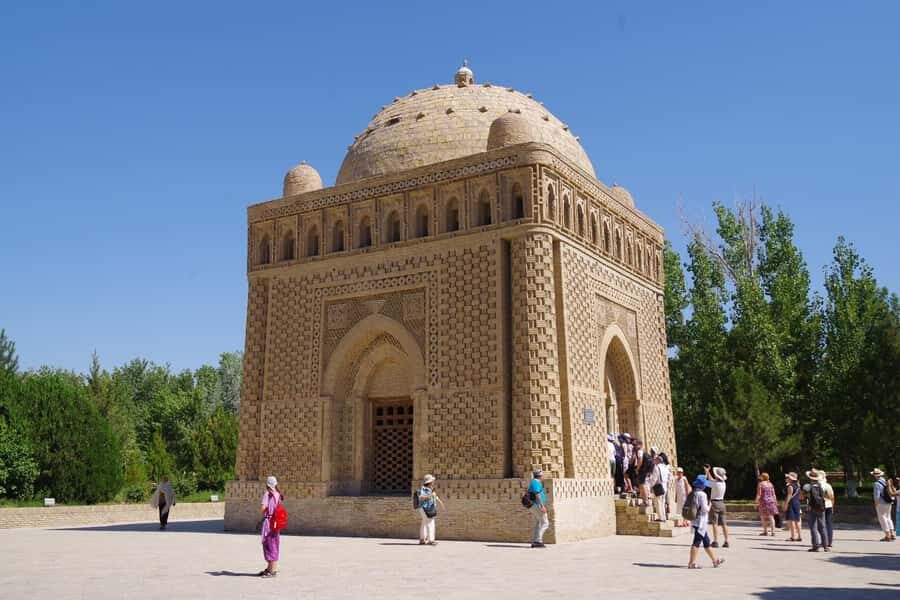
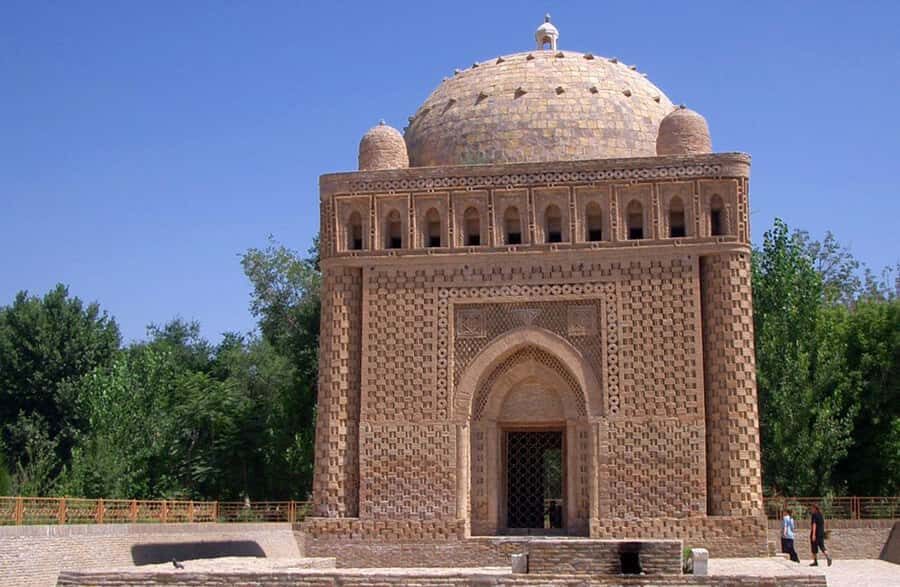
Your first big stop is the Samanid Mausoleum, one of the oldest and most important monuments in Central Asia. Built in the 10th century, it’s the resting place of Ismail Samani, founder of the Samanid dynasty.
This is the kind of place where a guide changes everything. From up close, you can really see the careful brickwork and the sense of balance in the design. Even if you’re not hunting for dates, the structure tells you this was a serious statement of identity—and it helps you understand why Bukhara became such a major cultural center.
Practical tip: bring your camera, but remember flash photography isn’t allowed inside the monuments.
Minorai Kalon and Poi Kalan: towering verticals and a huge courtyard
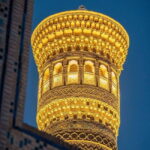
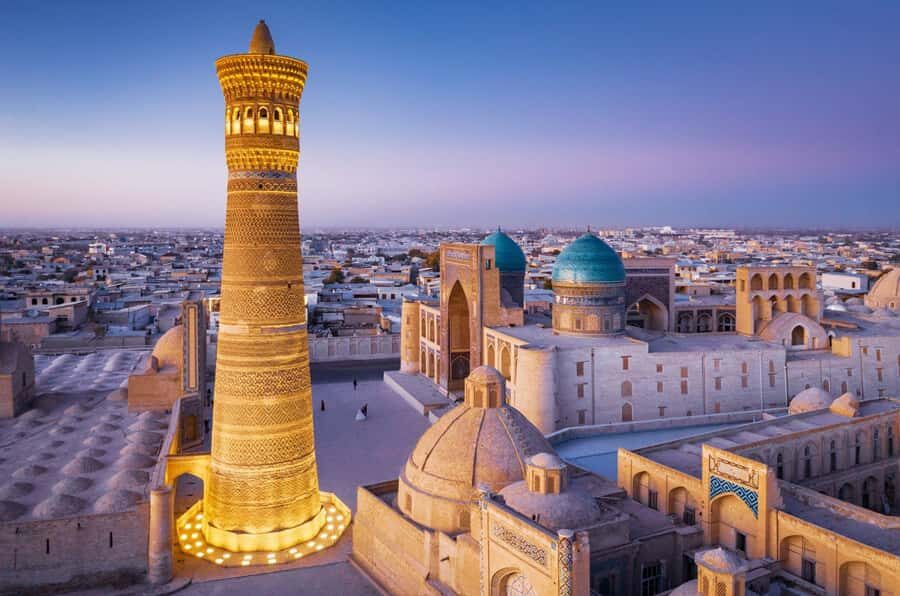
Next comes the Minorai Kalon, also called the Kalon Minaret. It reaches about 47 meters and has stood since the 12th century. Your guide will explain how it once worked as a landmark for Silk Road caravans, not just a pretty backdrop.
This is a great stop for photos, but also for perspective. The minaret isn’t random ornament. It’s a tool, a signal, and a piece of city planning—your guide helps you read it that way.
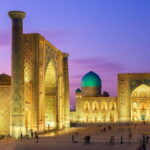
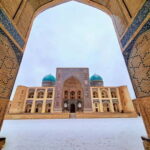
A short walk brings you to the Poi Kalan Mosque, a major complex that can hold up to 10,000 worshippers. You’ll see the expansive courtyard and the blue-tiled domes, plus the mihrab inside. If you’re the type who likes architecture with function, this mosque hits hard: it’s big enough to matter, yet detailed enough to reward slow looking.
Magok-i-Attari: the mosque that used to be something else
One of the most interesting stops is Magok-i-Attari Mosque. This building is historically layered in a way that’s hard to understand from a postcard.
Originally, it was a Zoroastrian temple. Later, in the 12th century, it was converted into a mosque. Here’s what makes the visit memorable: there’s an underground entrance, and that physical change helps you grasp how places can shift roles over time while keeping traces of their past.
You’ll also get a clearer sense of why Bukhara feels like it has multiple timelines stacked on top of each other. The guide’s job here is to point out the kinds of clues you might otherwise miss.
A few more Bukhara tours and experiences worth a look
Tim Abdulla Khan Trading Dome: Silk Road commerce you can actually walk through
Then the tour shifts from monuments to marketplace logic. You’ll visit the Tim Abdulla Khan Trading Dome, one of the remaining structures from Bukhara’s old Silk Road market.
A guide helps you picture how trade worked here: not just caravans arriving, but goods moving through specific covered spaces designed for commerce. As you wander inside, you’ll also have time to browse local handicrafts.
Shopping advice from the experience: if you’re hoping to buy scarves, plan to do it during the tour rather than stopping randomly later. One of the guide-led experiences highlighted that the tour can point you toward artisan workshops with quality items—so you’re shopping with context, not guesswork.
The Ark of Bukhara: fortress walls, royal power, and serious scale
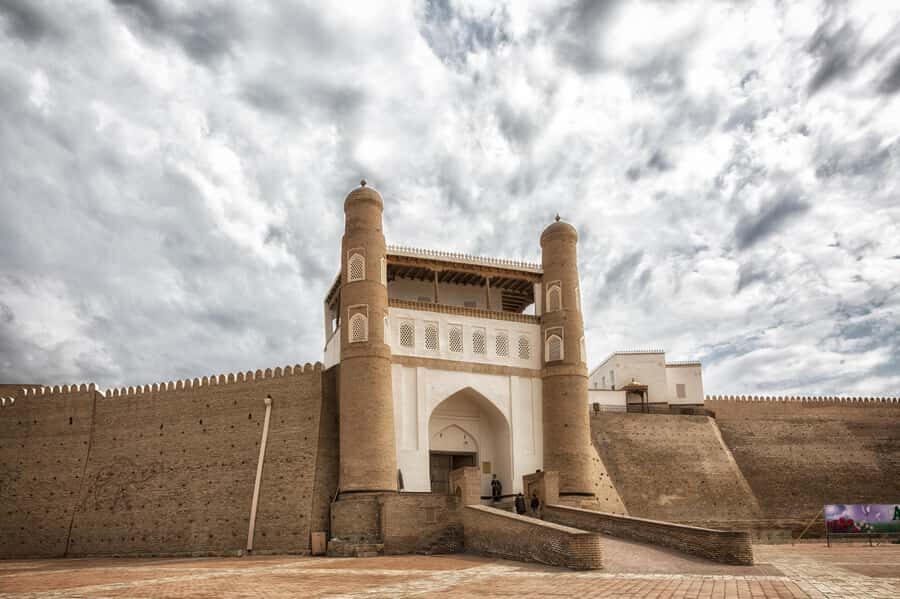
Next is the Ark of Bukhara, a massive fortress that served as the royal residence for Bukhara’s rulers. Its roots go back to the 5th century, so you’re looking at a site that evolved for centuries.
What makes this stop feel different is the scale. You’ll walk around vast walls, courtyards, and chambers and get the sense of governance and defense being part of the same physical space. A good guide ties the layout to what rulers needed: protection, control, and a center of authority.
If you like “how cities work,” this is one of the most satisfying stops of the day.
Bolo Haouz Mosque: calm worship spaces and elegant details
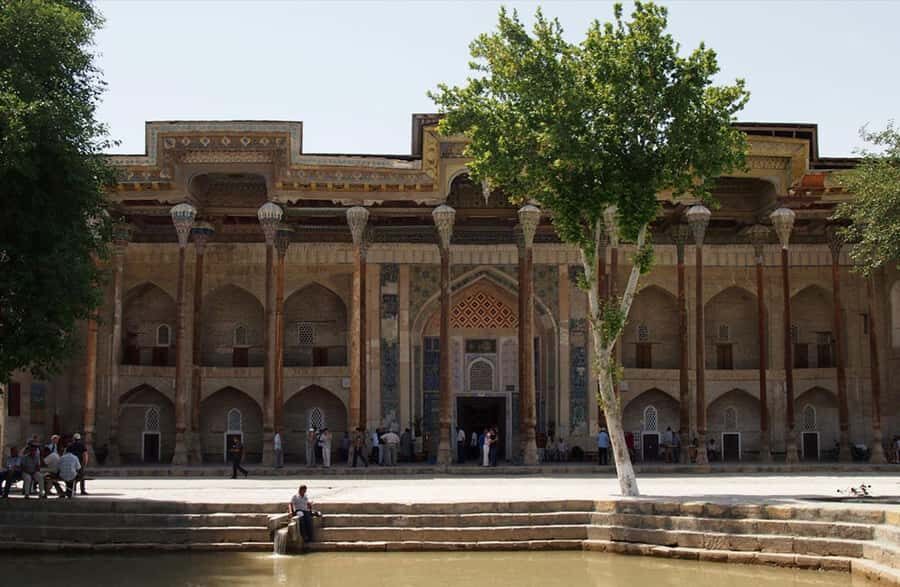
After the fortress, you shift into something quieter: the Bolo Haouz Mosque. It’s known for its elegant wooden columns and peaceful ambiance.
Built in the early 18th century, the mosque served as the Emir of Bukhara’s official place of worship. That matters, because it explains the mix of restraint and craftsmanship. You’re not just seeing beauty; you’re seeing how leadership expressed itself through religion and architecture.
Lyabi Khauz: ending where the day feels human again
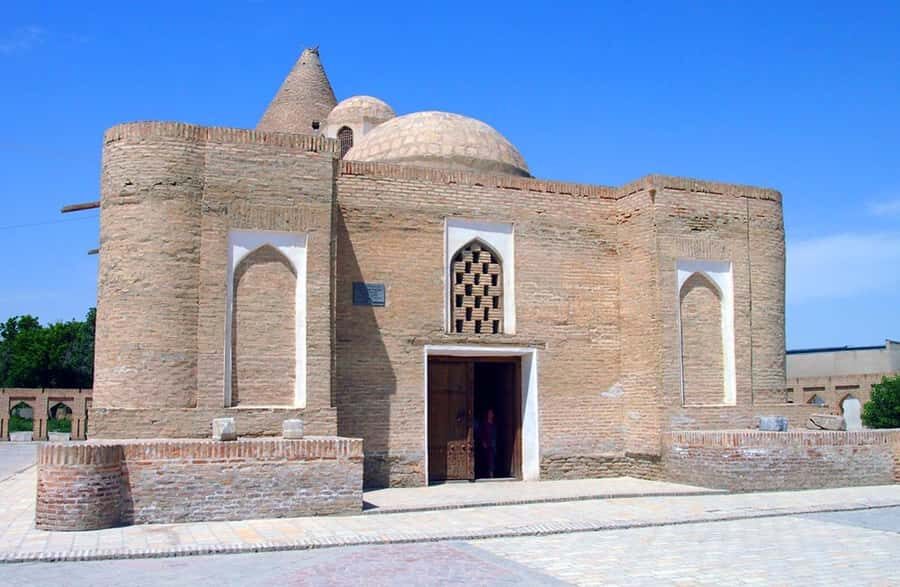
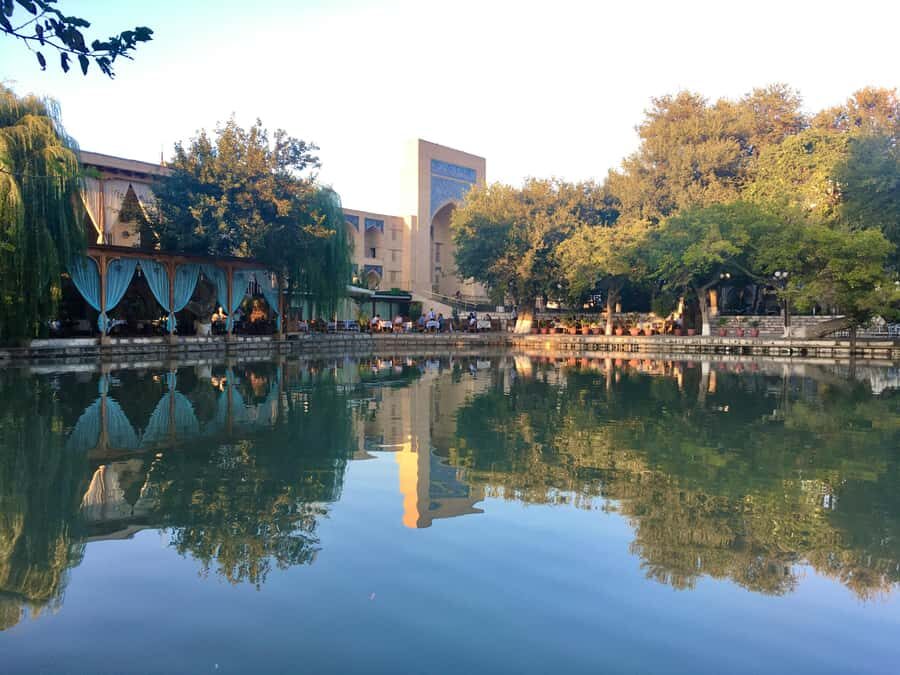
To finish, you’ll return to Lyabi Khauz, a plaza built around one of Bukhara’s last remaining ponds. Your guide will explain why this area was a social heart during Bukhara’s heyday—where people gathered near the water, with madrassas and tea houses nearby.
This stop is a great “mental reset” after the bigger monuments. You’ll likely notice the difference immediately: fewer giant structures, more everyday city feeling.
And since the tour ends back at the meeting point, you’re free to keep exploring on your own right after—without the stress of re-positioning.
Price and practical budgeting on top of the $80
The headline price is $80 per person, but here’s what you should plan for based on what’s included and what isn’t.
- Included: a certified English-speaking guide, a private tour, and practical suggestions.
- Not included: meals and beverages, personal expenses, and entrance tickets (you can pay them on the spot).
- Transportation during the tour with a driver is listed as not included, so assume your day is mostly built around guided walking between sites from the meeting point.
So the real value question becomes: do you want an experienced guide to connect every stop? If yes, this is strong value for Bukhara. If you’re the type who prefers to wander independently with guidebooks only, then you may want to compare costs against buying entrance tickets on your own.
A note on guides: English that’s actually usable
The quality of the guide matters a lot here, and the experiences associated with this tour highlight that point. You might meet guides like Lola, Paris, or Malika—all known for clear English, helpful explanations, and answering questions in a way that feels human, not scripted.
That’s a big deal in places like Magok-i-Attari or the trading dome, where the meaning isn’t always obvious unless someone points it out.
Photography rules and the small etiquette that saves time
You’ll be able to take photos throughout, but flash photography is not allowed inside the monuments. If you want easy pictures, bring your camera settings ready before you step in. Also, expect that some areas are calmer than others—quiet focus beats noisy distractions.
And remember: food and drinks aren’t allowed inside the monuments, so plan to eat before or after the tour.
Who this tour fits best
This full-day plan is ideal if you want:
- a structured walk through top sites in Bukhara without missing the meaning
- an English guide who can explain architecture, faith layers, and Silk Road trade logic
- a mix of big monuments and calmer city moments like Lyabi Khauz
It’s not ideal if you have serious mobility limits or need wheelchair-friendly routes, since you’ll be walking and navigating historic grounds.
Should you book this Bukhara full-day guided tour?
Book it if you like your sightseeing with explanations that make the place feel logical. Bukhara can be visually stunning on its own, but guided context helps you notice what matters: why a minaret served caravans, why a temple became a mosque, and how commerce used covered market spaces.
Skip (or look for another format) if you need minimal walking or fully accessible routes. The sites are historic, and the day is designed around getting around on foot.
If you’re spending a single day in Bukhara and want the best shot at seeing the core monuments in one smooth loop, this is a solid choice.
FAQ
Where is the meeting point for the tour?
The tour starts at Labi Khauz near the Hodja Nasreddin monument.
Where does the tour end?
The activity ends back at the same meeting point.
Is this tour private?
Yes, it’s listed as a private tour.
What’s included with the $80 per person price?
The price includes a certified English-speaking guide, the private tour, and suggestions. Entrance tickets, meals, and personal expenses are not included.
Do I have to pay entrance tickets separately?
Yes. Entrance tickets are not included in the price and can be paid on the spot.
Can I take photos with flash inside monuments?
Flash photography isn’t allowed inside the monuments, but regular photography is allowed.
What should I bring for the day?
Bring comfortable shoes, a hat, a camera, sunscreen, and water.
Are meals and drinks included?
No. Meals and beverages are not included, and food and drinks are not allowed inside the monuments, so it’s best to eat before or after the tour.
Is the tour suitable for wheelchair users?
No. It’s not suitable for wheelchair users or anyone with significant mobility impairments.
Is there a reserve-and-pay-later option, and what’s the cancellation window?
You can reserve & pay later (book your spot and pay nothing today). You can cancel up to 24 hours in advance for a full refund.