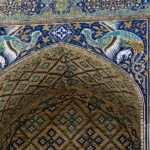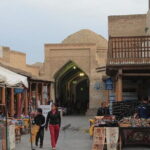
One train ride and Bukhara is yours. I like the smooth door-to-door flow (hotel pickup, train tickets, and transfers) and the fact that the day is built around a real guided walk through Bukhara’s best-loved places plus the quieter corners in between. It’s a smart way to see an UNESCO-listed city without trying to solve logistics while you’re tired.
You should also know the pacing is tight. The whole experience runs 11 to 16 hours, and museum entry and meals are not included, so you’ll want to plan for that extra time and spend.
In This Review
- Key Things That Make This Bukhara Day Tour Worth It
- Why This One-Day Bukhara Trip Works (Even If You’re Short on Time)
- Price and Value: What the $180 Actually Buys
- Door-to-Door Day Flow: From Samarkand or Tashkent to Bukhara
- The 6-Hour Old Town Walk: How the Route Gets You Oriented Fast
- Lyabi-Hauz Ensemble: Mulberry Trees, Courtyard Life, and the Quiet Power of Place
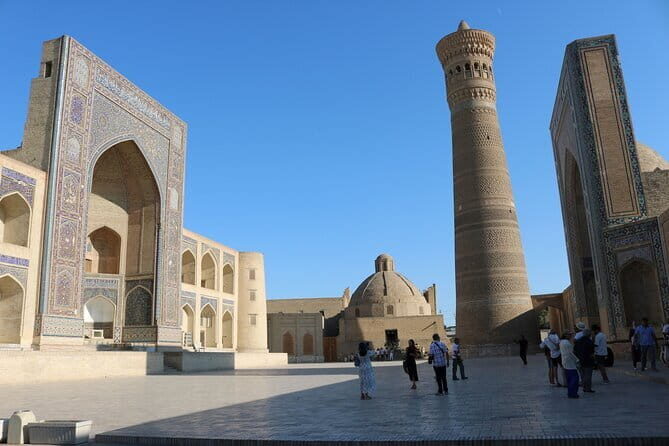
- Poi Kalyan Complex: Minarets, Mosques, and the Skyline You’ll Remember
- Ark Fortress: A Royal Citadel That Teaches You Power Geography
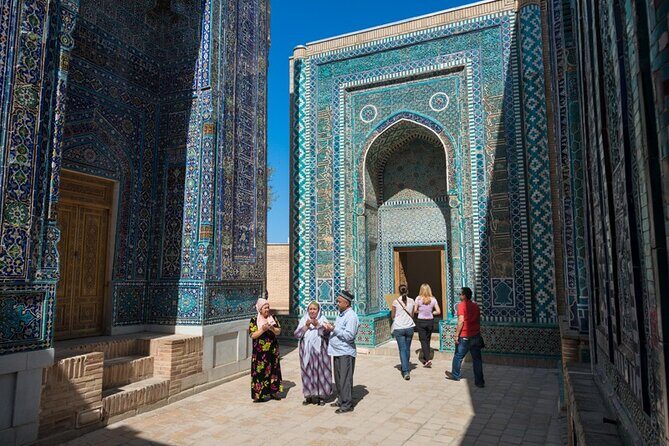
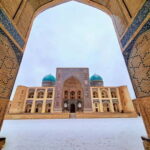
- Side Courtyards, Old Caravanserais, and Lesser-Known Madrasahs
- Teahouse Stop and Artisan Time: Crafts You Can Name After You Leave
- Time, Comfort, and What to Bring for an 11–16 Hour Day
- Who This Tour Suits Best (And Who Might Want a Different Option)
- Should You Book This Bukhara Day Trip?
- FAQ
- What cities does the tour depart from?
- How long is the tour from start to finish?
- Is the tour private, and is it in English?
- What’s included in the price?
- Are museum tickets and meals included?
- Can the tour help with ticket lines?
- What do I need to do right after booking to secure train tickets?
Key Things That Make This Bukhara Day Tour Worth It
- Hotel pickup and drop-off in Samarkand or Tashkent, so you don’t waste your best daylight figuring out trains
- Two 100-minute train legs plus a focused 6-hour guided walk in Bukhara
- Top sights with context: Lyabi-Hauz Ensemble, Poi Kalyan Complex, and Ark Fortress
- Local crafts and teahouse stop, including silk weaving and miniature painting topics
- Private group touring with an English-speaking guide, so the tempo stays right for your party
- Practical flexibility if walking gets too much, with options like an electric rickshaw when needed
Why This One-Day Bukhara Trip Works (Even If You’re Short on Time)
If you only have a day and you still want Bukhara, this format makes sense. You’re not trying to squeeze in planning, ticket hunting, and route decisions. Instead, the schedule funnels you from your hotel to the station, into Bukhara, and back again with a guide handling the story and the route.
Bukhara is an open-air museum with over 140 historic monuments, so even a short visit can feel like a full “chapter” of Central Asia. What this tour does well is prioritize the places that help you read the city: how the religious architecture links to power, why the courtyards matter, and how trade culture shows up in caravanserais and crafts.
The biggest win for you is confidence. You’ll arrive in Bukhara, get oriented fast, and spend the day moving through highlights and side alleys at a pace set by your guide.
You can also read our reviews of more tours and experiences in Bukhara.

Price and Value: What the $180 Actually Buys
At $180 per person, you’re paying for more than a guide. You’re buying a packaged day that includes:
- Train tickets for the round trip
- Hotel pickup and drop-off in Samarkand or Tashkent
- Transportation coordination around the train stations
- A professional English-speaking guide
- Online support so you’re not scrambling if something changes
That can be great value compared with piecing it together yourself—especially if you’d otherwise spend time coordinating timings between cities and building an itinerary while traveling.
Two small things to keep in mind for your budget:
- Museum tickets aren’t included. If you want to enter specific sites with paid admission, you’ll pay separately.
- Meals aren’t included. The tour includes a teahouse break for traditional foods, but it’s not framed as a full meal package.
Also, this is a private group, so the value is strongest if you can share the cost with travel partners. Even solo, you’re likely getting a more personal pacing than a big group bus tour.
Door-to-Door Day Flow: From Samarkand or Tashkent to Bukhara
The day starts with a pick-up from your hotel in either Samarkand or Tashkent. From there, you go to the train station and take a 100-minute ride to Bukhara. In the real world, it’s the hardest part of these trips: leaving the city you’re staying in and getting to the right station on time. This one removes that stress.
Once you reach Bukhara, you’re met at the train station and guided into the walking tour start point. That handoff matters. It’s one less moment where you’re standing around with a map, trying to figure out which street “must be” the right one.
After the walking portion, the return is just as structured. You’ll head back to the train, enjoy another 100-minute ride, and then get dropped at your original city’s hotel (Samarkand or Tashkent).
The 6-Hour Old Town Walk: How the Route Gets You Oriented Fast
The highlight of your day is the walking tour in Bukhara—about 6 hours of sightseeing, guided explanation, and some shopping time. The route is designed to do two jobs at once:
- Show you the major landmarks most people come for
- Help you understand what sits behind the landmarks—through courtyards, madrasahs, and trade-era details
This is also where the guide becomes your “decoder ring.” A good guide doesn’t just point. They explain why something was built, what it was used for, and what clues to notice while you’re looking up at walls and domes.
In past groups, guides such as Sunny and Lola have been praised for clear explanations and for keeping things interesting without being overbearing. Another guide named Nur has been described as flexible, adjusting the plan when people got tired and even arranging an electric rickshaw instead of forcing extra walking.
Lyabi-Hauz Ensemble: Mulberry Trees, Courtyard Life, and the Quiet Power of Place
Your walk begins at the Lyabi-Hauz Ensemble. This area is built around a pool (the “hauz”) and surrounded by major buildings. What I like about starting here is that it’s not just a monument stop. It’s the kind of space where you can see how daily life historically flowed into architecture.
You’ll notice key neighbors to the pool:
- Kukeldash Madrasah
- Nadir Divan-Begi Khanaka
- Ancient mulberry trees that some guides connect to dates as far back as 1400 (a detail that helps you see age, not just style)
From a visitor perspective, Lyabi-Hauz is useful because it sets the tone. After this, Bukhara’s bigger monuments won’t feel random. They’ll feel linked—religious education, commerce, and social gathering all sharing the same physical space.
Poi Kalyan Complex: Minarets, Mosques, and the Skyline You’ll Remember
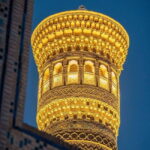
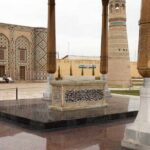
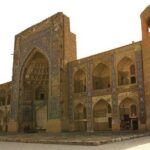
Next comes the Poi Kalyan Complex, one of Bukhara’s signature visual anchors. Here you’ll spend time around the grand minaret and the mosque ensemble. It’s a stop that’s part sightseeing, part learning how a city marks importance with scale and placement.
This is where the city’s “wow” factor hits. The architecture is dramatic, but the guide’s job is to help you make sense of what you’re seeing—how these spaces work together, and why this area became a center of influence.
If you like taking photos, this is one of your best bets in the whole day because the forms are bold and vertical. If you prefer calmer moments, you can still take it slow: look for details on surfaces, then zoom back out to see the whole composition again.
Ark Fortress: A Royal Citadel That Teaches You Power Geography
After the architectural grandeur, you step back in time at the Ark Fortress. This citadel served as both royal residence and fortification, so it’s not just “a pretty old building.” It’s a clue to how Bukhara’s leadership defended territory and organized life.
I find Ark especially valuable because it changes your perspective. You start thinking in terms of control: walls, gates, and how the fort’s layout supported administration. The guide can help connect what you see on the ground to what the site meant historically.
Practical note: fortress areas often involve uneven ground and stairs. Wear shoes you trust for walking, because you’ll spend real time moving between viewpoints.
Side Courtyards, Old Caravanserais, and Lesser-Known Madrasahs
One of the best parts of the tour is the “in-between” wandering. You’ll go beyond the most photographed stops to find:
- Secret courtyards
- Old caravanserais
- Lesser-known madrasahs
This is how you avoid the feeling of only ticking boxes. When you see the quieter corners, you start noticing the rhythms of old urban design—how travelers and students once moved through the city, and how learning and trade overlapped.
It also helps you shop more wisely. When you’re not rushed and you understand what you’re looking at, you can buy crafts that feel connected to the place—not just souvenirs thrown at you.
Teahouse Stop and Artisan Time: Crafts You Can Name After You Leave
At some point, you’ll pause at a teahouse for traditional foods. Meals are not fully included, but the stop is part of the experience, and it’s a good moment to reset your energy before more walking.
Then the day turns toward people and making:
- You’ll interact with local artisans
- You’ll learn about crafts such as silk weaving and miniature painting
This kind of stop is valuable because it gives your photos context. A building is a building, but a craft has a process, tools, and human decisions. Even if you don’t buy anything, you come away with names for techniques and a better sense of why certain designs look the way they do.
If you enjoy conversations, this is your opening. The guides on this tour tend to keep the explanations clear and practical, so you can ask real questions without feeling lost.
Time, Comfort, and What to Bring for an 11–16 Hour Day
This tour is long. Duration is listed as 11–16 hours, which means the exact schedule depends on train timing and your pick-up/drop-off location.
To make it comfortable:
- Bring a light layer for train station air-conditioning and indoor mosque areas
- Wear supportive walking shoes for stone and uneven steps
- Bring water. The tour doesn’t say water is included.
- Plan your expectations: you’re seeing a lot, but you’re not doing slow museum-style roaming
One smart detail from past experiences: if someone gets tired, the guide may arrange an electric rickshaw to reduce walking strain. That’s not something to count on for every group, but it shows the tour can adapt when needed.
Who This Tour Suits Best (And Who Might Want a Different Option)
This is a great fit if you:
- Want Bukhara highlights without handling train logistics
- Prefer a private, guided pace rather than wandering alone
- Like architecture, urban design, and craft culture
- Have limited time but still want more than a half-day sampler
It might be less ideal if you:
- Want multiple museum interiors with lots of independent time
- Are hoping meals are fully covered
- Hate long travel days. The day includes two train rides and hours of walking
Because museum tickets are not included, you should be ready to pay separately if there are specific paid entries you care about.
Should You Book This Bukhara Day Trip?
I’d book it if your real goal is: see Bukhara properly in one day and skip the “how do I get there” headache. The combination of hotel pickup, train tickets, and a guided walk through Lyabi-Hauz, Poi Kalyan, and Ark makes it a strong value for the time you spend.
I’d think twice if you want a relaxed rhythm or you’re planning to do lots of extra museum stops beyond what’s built into the route. In that case, the long day and extra ticket costs might feel like friction.
FAQ
What cities does the tour depart from?
You can choose departure from either Samarkand or Tashkent, with hotel pickup included.
How long is the tour from start to finish?
The total duration is listed as 11 to 16 hours. The guided walking time in Bukhara is about 6 hours, with 100-minute train rides.
Is the tour private, and is it in English?
Yes. This is a private group experience with a live English-speaking guide.
What’s included in the price?
The tour includes a professional guide, transportation, hotel pickup and drop-off, train tickets, and online support.
Are museum tickets and meals included?
No. Museum tickets are not included, and meals are not included. You do have a teahouse stop during the day for traditional foods.
Can the tour help with ticket lines?
The experience includes a skip-the-ticket-line feature, though museum tickets themselves are not included.
What do I need to do right after booking to secure train tickets?
You must provide your passenger details immediately after reservation. If passenger information is missing, the tour may be automatically canceled.