Yurts in the mountains beat hotel life. This 3-day Bukhara to Samarkand ride pairs a Sayyod Yurt Camp stay with serious views at Lake Aydarkul and the Nuratau Mountains.
What I like most is the fact that this is built around real hiking, not just sightseeing. You get a guided 7-hour, 15 km day to a mountain plateau, then an easier follow-up hike that still keeps you in the hills. I also love the camp setup: private yurts for your group, excellent camp food, and a spring-water swimming pool that makes downtime feel like part of the trip.
The only real drawback is effort and weather. Day 2 is a long walk, and rain can mess with plans (one group had to shorten their hike when conditions turned). So bring proper shoes and be ready to adjust.
In This Review
- Key highlights that make this trip click
- From Bukhara to the yurt camp: the route sets your mood
- Nurata city stops: Alexander’s fortress ruins and a holy spring
- Lake Aydarkul day-one time: swim or stroll, either way you win
- Day 2 in the Nuratau Mountains: the 15 km plateau hike
- Weather reality check
- Sayyod Yurt Camp life: private yurts, spring-water pool, and real hospitality
- Guides you may meet
- Day 3: easy hike, then Samarkand drop at Gur Emir
- Price and value: why $348 can make sense here
- What to bring (so the hikes feel good, not painful)
- Who should book this yurt + hiking trip
- Book or skip: my straight advice
- FAQ
- What are the exact hiking distances for this tour?
- Where do you stay during the trip?
- What happens on day 1 besides traveling from Bukhara?
- Do I get a guide every day?
- What is the tour’s ending point in Samarkand?
- What’s included in the price?
- What should I bring for this trip?
- Can I swim at Lake Aydarkul?
Key highlights that make this trip click
- Sayyod Yurt Camp: a mountain setting with a pool, campfire time, and staff that actually helps
- Nurata city fortress ruins: a stop tied to Alexander the Great’s fortress legacy
- Lake Aydarkul time: swim if weather allows, or just walk the shore for fresh air
- Nuratau Mountains hikes: guided, with clear distances and easy-to-medium pacing
- Village visit option: time in Sayyod to see everyday life beyond the camp
From Bukhara to the yurt camp: the route sets your mood
Most yurt stays in Uzbekistan feel like a side quest. This one starts with a day-trip pace that gradually shifts you out of city rhythm. You depart Bukhara at 09:00 and transfer toward the Nuratau area, with stops that keep the trip from feeling like a long bus ride.
First, you pause in Nurata city for an ancient-world detour. Then you continue to Lake Aydarkul, with time that can include a swim depending on conditions. By the time you reach Sayyod Yurt Camp late afternoon, you’re not just arriving—you’re primed for mountain time.
Also, note the guide setup: on day 1 you’ll travel with an English-speaking driver rather than a full guide. That works fine for transfers and orientation, but if you want a lot of commentary during the travel segment, you’ll feel it’s quieter that day.
You can also read our reviews of more hiking tours in Bukhara
Nurata city stops: Alexander’s fortress ruins and a holy spring
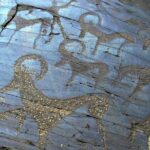
Nurata city is where the trip finds its historical punctuation. You’ll visit the ruins of Alexander the Great’s fortress, plus a holy spring and other sights around town. This is the sort of stop that makes the rest of the journey feel more grounded: you’re not only moving between points on a map, you’re seeing how old routes shaped the region.
A practical tip: keep some energy for this day. It’s not just a drive-by. Even though the main action comes later in the mountains, this city stop adds context and gives you something to look at while the transfer days pass quickly.
Lake Aydarkul day-one time: swim or stroll, either way you win
Lake Aydarkul is the “slow down” section of day 1. After lunch, you’ll reach the lake and spend time by the shore. The plan depends on weather: you may swim, or you can simply walk along the lakeside to soak up the views.
What’s valuable here is the flexibility. On a mountain trip, you want at least one chunk of the schedule that isn’t rigid. Lake time lets you choose your own intensity—cooling off when it’s hot, or stretching your legs and taking photos when conditions are less swim-friendly.
If you’re the type who loves “just being there,” Lake Aydarkul is your payoff. It’s also a good mental reset before the hike-heavy day 2.
Day 2 in the Nuratau Mountains: the 15 km plateau hike
Day 2 is the day you’ll talk about later. You start with a medium-difficulty guided hike to a mountain plateau: about 7 hours and roughly 15 km. This is not a casual stroll. You’ll want hiking shoes and comfortable clothes, and you’ll want to start the day feeling calm, not rushed.
The payoff is the view. From the top, you get panoramic scenes of Lake Aydarkul, the Nuratau Mountains, and nearby villages. That’s the point of the work: you’re earning the wide-angle feeling.
You also get a picnic lunch en route, which matters more than it sounds. Mountain treks often fall apart when people try to improvise meals. Here, the food is planned so you can focus on pacing, not searching.
Then you get an optional extra: visit the village of Sayyod before heading back. It’s one of the best ways to balance the physical effort with something human—how people live when they’re not building tourist schedules.
In the evening, camp shifts back into a relaxed rhythm. You’ll have time around the swimming pool and a campfire atmosphere, which is a smart way to help your body recover without turning dinner into a survival event.
Weather reality check
Rain can happen in the mountains. One group described heavy rain on hike day and having to shorten the hike. That doesn’t mean the trip is poorly run—it means the team adjusts. If you want to enjoy this without stress, dress for changeable weather and pack for your feet first.
A few more Bukhara tours and experiences worth a look
Sayyod Yurt Camp life: private yurts, spring-water pool, and real hospitality
The camp is where the trip becomes memorable in a quieter way. You stay 2 nights in yurt accommodations that are set up as a private yurt for your group (not a crowded dorm vibe). The location is clearly the selling point: mountain surroundings, space to breathe, and a camp feel that doesn’t feel performative.
From the reviews, the basics are strong:
- Well-kept camp grounds
- Friendly staff who stay helpful without hovering
- Excellent meals in the camp routine
- Amenities that keep you comfortable when you’re not on the trail
Specific highlights people loved include a large swimming pool with spring water, plus horses and a bicycle on site. Not every yurt camp offers those kinds of downtime options, and they make a difference if you like to decompress after hiking.
Also pay attention to comfort touches mentioned in feedback: one group noted a working heater and thick blankets when temperatures dropped. Even if you’re traveling in warmer seasons, it’s still wise to bring layers.
Guides you may meet
Guides are part of the camp experience here, not an afterthought. Names that came up in feedback include Ikrom (noted for guiding with care and flexibility), Sardor (praised for both the mountain hike and a village tour), and hiking support like Sherali and camp help like Sikandor and Gulli. You might not get the exact same team, but the pattern is clear: you’re more likely to meet patient, personable people than a rushed checklist of tasks.
And yes, an owner visit was mentioned by one group (they even noted Mr. Sherzod stopping by to confirm arrangements). That sort of attention is what turns a stay from functional into actually cared-for.
Day 3: easy hike, then Samarkand drop at Gur Emir
Day 3 keeps things lighter. You’ll start with an easy guided hike for about 3 hours and 6 km, then return to the camp for lunch. This is a great design choice because it reduces the chance you’ll feel wrecked before the final transfer.
After lunch, you depart for Samarkand, with about a 3-hour drive. The drop is in the city center near Gur Emir Mausoleum, with an approximate arrival time around 4:30 PM.
That timing matters. Samarkand is best when you have enough daylight for your first sights. Arriving late afternoon usually gives you at least a manageable start rather than a full night of jet-lagged regret.
Price and value: why $348 can make sense here
At $348 per person for a 3-day Bukhara-to-Samarkand experience, the price only feels fair when you look at what’s included.
You’re getting:
- 2 nights at the mountain yurt camp
- 2 breakfasts, 3 lunches, 2 dinners
- A mountain guide for 2 days (day 2 and day 3)
- Transport throughout the trip
- Entrance tickets in Nurata city
- Registration
That’s a lot of “hidden costs” that you’d otherwise piece together yourself: meals, guided hiking time, and intercity transfers. The trip also doesn’t lock you into a big bus-group feel, since private or small groups are available.
Not included are travel insurance and alcoholic beverages at the yurt camp (they can be purchased). If you’re the kind of traveler who skips insurance, at least think about what kind of hike risk you’re taking on. Day 2 is long, and the mountains are not a flat treadmill.
What to bring (so the hikes feel good, not painful)
You don’t need special gear to enjoy this, but you do need the basics done right:
- Hiking shoes (non-negotiable for a 15 km mountain day)
- Sun hat (for bright conditions around open viewpoints)
- Comfortable clothes you can layer
- If you tend to run cold, pack for weather shifts since rain and temperature changes were mentioned in feedback
Also, if you’re planning to swim at Lake Aydarkul, bring swimwear and something quick-dry, even if you might decide last-minute.
Who should book this yurt + hiking trip
This is a strong match if you want:
- A real trekking rhythm with guided support
- Mountain scenery that actually gets you above the shore level
- A camp stay that feels like rest, not just a bed for the night
- The convenience of guided hiking distances that are already planned for you
It might not be your best choice if you:
- Hate long walks (day 2 is the big one)
- Want a fully guided day 1 (you’ll have an English-speaking driver rather than a guide that day)
- Don’t want any chance of schedule changes due to weather
Book or skip: my straight advice
I’d book this if you’re ready for one serious hike day and you’ll enjoy mountain camp life with good food and a pool. The blend of hiking + Lake Aydarkul + yurt camp downtime is a practical way to see the Jizzakh Region without cramming every hour.
Skip it if you want light activity the whole time or you’re traveling with mobility limitations that make 15 km feel impossible. Otherwise, this tour’s value comes from how much it includes—meals, guides, transport, and the mountain camp experience in one package.
FAQ
What are the exact hiking distances for this tour?
You’ll hike about 15 km (7 hours) on day 2 to a mountain plateau, then about 6 km (3 hours) on day 3 on an easy route.
Where do you stay during the trip?
You spend 2 nights at Sayyod Yurt Camp with private yurt accommodations set aside for your group.
What happens on day 1 besides traveling from Bukhara?
You depart Bukhara at 09:00, stop in Nurata city to see the fortress ruins and a holy spring, have lunch, then continue to Lake Aydarkul for shoreline time (swimming depends on weather) before arriving at the camp late afternoon.
Do I get a guide every day?
You have a mountain guide on days 2 and 3. On day 1, you travel with an English-speaking driver and there is no full guide mentioned for that day.
What is the tour’s ending point in Samarkand?
You’re dropped in the city center at Gur Emir Mausoleum, with an approximate arrival time around 4:30 PM.
What’s included in the price?
Included are 2 nights in the yurt camp, 2 breakfasts, 3 lunches, 2 dinners, a mountain guide for 2 days, transport throughout, entrance tickets in Nurata city, and registration.
What should I bring for this trip?
Bring sun hat, hiking shoes, and comfortable clothes.
Can I swim at Lake Aydarkul?
It depends on the weather. The plan includes time at the lake with the option to swim or walk along the shores if swimming isn’t practical.