REVIEW · BUKHARA
Hiking tour to Hayat, Uhum and Asraf villages – 4 days
Book on Viator →Operated by Nuratau Travel · Bookable on Viator
Sheep on the trail in Nuratau country. This 4-day hike through the Hayat, Uhum, and Asraf villages is a hands-on way to see real Uzbek countryside life, not a museum version. I love that meals are included, so you’re not juggling snack budgets each day. I also love the end-to-end flow: pickup in Bukhara and drop-off in Samarkand so you can explore two famous cities without backtracking. One thing to consider is that the tour depends on good weather, since hiking is the whole point.
What really makes this one work is that you’re not just walking—you’re moving through working villages with a guide handling the logistics. You’ll sleep in local homestays, visit ancient irrigation channels and petroglyph sites, and get a small-group pace (max 12). You’ll even have a chance to meet endangered wild sheep, which turns the hikes into something a little more memorable than your average countryside stroll.
In This Review
- Key Things That Make This Trek Worth Your Time
- The Nuratau Villages Feel Real, Because You’re Not Racing Anyone
- Day 1: From Lyabi Haus Pool in Bukhara to Hayat Village Homestays
- Day 2: Uhum Hike (12 km / 5 Hours) With Irrigation Channels and Petroglyphs
- Day 3: Asraf Down-Route (11 km / 4.5 Hours) and Luggage by Donkeys
- Day 4: Asraf to Eski Forish (Return 11 km / 5 Hours) and the Medieval Observation Point
- Homestays and Uzbek Meals: The Part You’ll Remember After the Shoes Wear Out
- Wild Sheep in the Nuratau Mountains: A Rare Moment, With No Pressure
- Price and Value: Why $380 Feels Reasonable for a 4-Day Guided Route
- Who This Trip Is Perfect For (and Who Might Struggle)
- Should You Book This Hayat–Uhum–Asraf Hiking Tour?
- FAQ
- How long is the hiking tour?
- Where does the tour start in Bukhara?
- Where does the tour end?
- How big is the group?
- What is the price per person?
- Are meals included?
- What villages are included in the hike?
- How far are the hikes each day?
- How is luggage handled on Day 3?
- What should I know about weather and cancellation?
Key Things That Make This Trek Worth Your Time
- Meals included every day, so you spend more energy on the trail and less on figuring out food
- Bukhara pickup to Samarkand drop-off, a smart route that pairs hiking with classic city sights
- Small-group hiking (max 12) with a guide who takes care of logistics while you focus on the views and the villages
- Homestay nights in local guesthouses, plus the option to help prepare Uzbek meals
- Route highlights that are hard to DIY, including irrigation channels, petroglyphs, a community watermill, and Mongol-era fortress ruins
- Wild sheep possibility in the Nuratau Mountains area, adding a rare wildlife element without turning it into a big safari
The Nuratau Villages Feel Real, Because You’re Not Racing Anyone
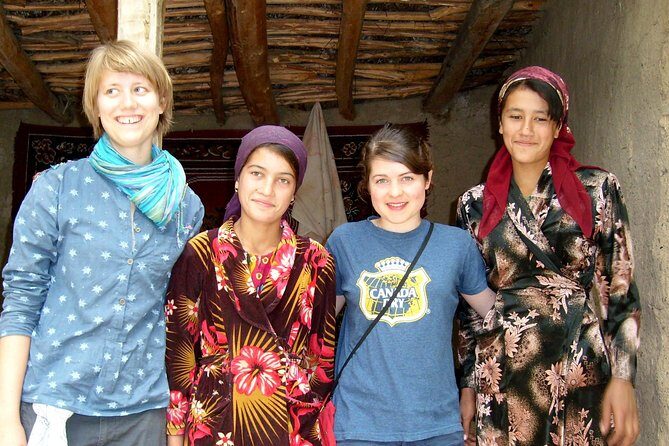
This isn’t the kind of trip where you check boxes and sprint from one photo spot to the next. The Nuratau Mountains setting is practical and lived-in. You’re hiking between village communities that are difficult to explore on your own, and your guide helps you reach the places that don’t show up neatly on a day-trip map.
I like that the pacing is built around walking time plus village time. That matters because Uzbekistan’s countryside culture is in the pauses: how people move, how they cook, and what’s going on around the irrigation and water infrastructure.
You can also read our reviews of more hiking tours in Bukhara
Day 1: From Lyabi Haus Pool in Bukhara to Hayat Village Homestays
Your tour starts with a meet-up at the Khodja Nasreddin statue area near Lyabi Haus Pool in Bukhara. The scheduled pickup time is listed as 9:00 am, and you’ll transfer from Bukhara toward the Nuratau Mountains.
The drive is about 4.5 hours to Hayat village. It’s long enough that it feels like you’re leaving city time behind, but not so long that you lose the day entirely. You arrive by lunch, settle in, and then start orienting yourself to village life rather than just passing through.
What to love here is the first homestay night. You get to sleep in local guesthouses and start building comfort with the rhythm of the area—simple, direct, and focused on daily life. If you want a gentle introduction to how people in these villages live, Day 1 is your on-ramp.
Potential drawback: the transfer time means you won’t have a long hiking day on Day 1. If you’re the type who wants miles and views immediately, you’ll still get them later—just not on the first day.
Day 2: Uhum Hike (12 km / 5 Hours) With Irrigation Channels and Petroglyphs
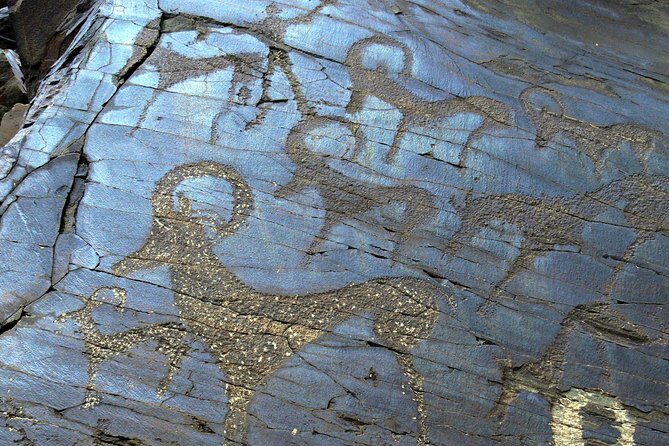
Day 2 is your main uphill day, hiking to Uhum with a whole hike listed at 12 km and about 5 hours. This is where the tour earns its keep: you’re not only moving through countryside trails, you’re also visiting features that are hard to connect without local help.
Along the way, you’ll see ancient irrigation channels and visit a petroglyph site. These are the kinds of things that make the region feel layered—people have depended on this water system for a long time, and the rock art adds another human timeline to what you’re walking through.
You’ll also meet local people going about their day. That’s one of the best parts of this style of trip: it’s not staged for tourists. It’s just… life continuing while you pass through.
Practical consideration: 12 km over about 5 hours is not a casual stroll, especially if the path is uneven. Bring day-hike shoes you trust and plan to go slow enough to enjoy the details around you, not just to finish.
Day 3: Asraf Down-Route (11 km / 4.5 Hours) and Luggage by Donkeys
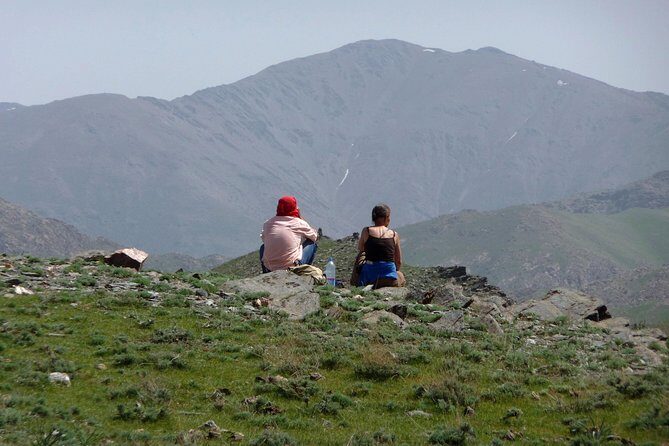
On Day 3 you hike down via Uhum to Asraf village, with a listed distance of 11 km and about 4.5 hours. This day has a built-in logistical twist: your luggage will be transported by donkeys. That’s a small detail, but it changes how the hike feels. You hike lighter, and you don’t spend the day babysitting a heavy pack.
En route, you visit a community watermill and ruins of a Mongol fortress. That mix is great because it connects daily life (the watermill) with older strategic infrastructure (the fortress ruins). It gives context for why settlements cluster where they do, and how water and terrain shape history.
You also arrive in the Asraf area for another homestay experience. By this point, you’ll likely be more relaxed about the village rhythm—less wondering and more noticing. That’s the real payoff of doing multiple days instead of a one-off hike.
Potential drawback: the day is described as a guided hike down. If you’re sensitive to knees, plan for downhill steps and uneven footing. Pace yourself early so you don’t blow your energy on the first half of the trail.
Day 4: Asraf to Eski Forish (Return 11 km / 5 Hours) and the Medieval Observation Point
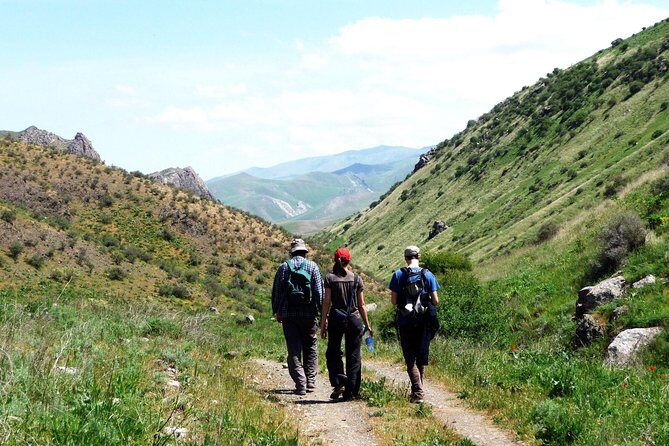
Day 4 starts with an easier hike from Asraf to another Nuratau Mountain village, Eski Forish. The return trip is listed at 11 km and about 5 hours, so it’s still a full outing, just with a gentler tone described by the trip itself.
On the way, you visit the ruins of a medieval observation point. That stop works well because it’s one more layer in the region’s story: people used high points for visibility and planning long before GPS and road signs existed.
After the hike and lunch back in Asraf, you leave for Samarkand. The tour ends at the Amir Temur Mausoleum complex, Gur-i Amir. That’s a strong landing spot because you can swap hiking boots for sightseeing right away.
Practical consideration: you’re ending in Samarkand after an active morning. Plan your evening with enough flexibility to keep your day from turning into a frantic sprint between monuments and meals.

Homestays and Uzbek Meals: The Part You’ll Remember After the Shoes Wear Out
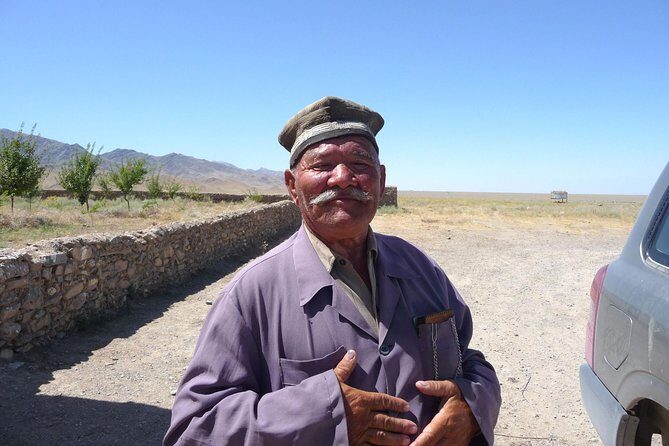
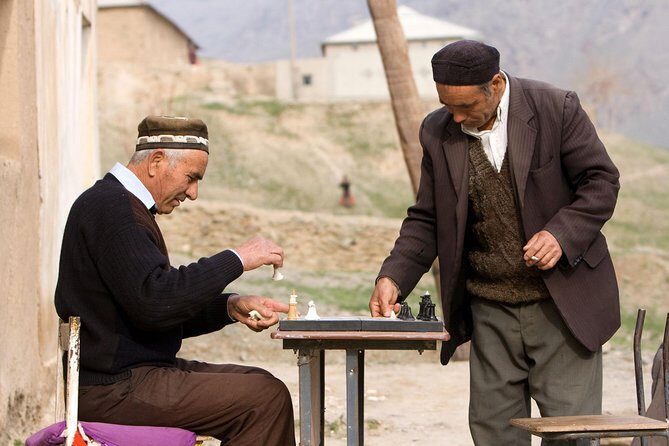
The trip’s backbone is sleeping in local homestays. It’s not just a place to drop your bag. It’s where you learn the social side of travel: how people greet you, how they manage food, and how hospitality shows up in everyday gestures.
Meals are included on the tour, which is a real value win. In countryside travel, food often becomes the hidden cost and hidden stress. Here, you’re covered. That means you can spend your energy on the trail and the village connections instead of constantly figuring out where to eat and what it will cost.
There’s also the option to help your homestay hosts prepare Uzbek meals if you like. Even if you don’t become a kitchen master, it’s a chance to slow down and understand ingredients, timing, and technique. That kind of participation beats a quick sit-and-stare experience.
One caution: homestay standards can vary by household and by region. The trip is designed around local living, not hotel comfort. If you’re okay with that trade-off, it’s a big part of why this tour feels meaningful.
Wild Sheep in the Nuratau Mountains: A Rare Moment, With No Pressure
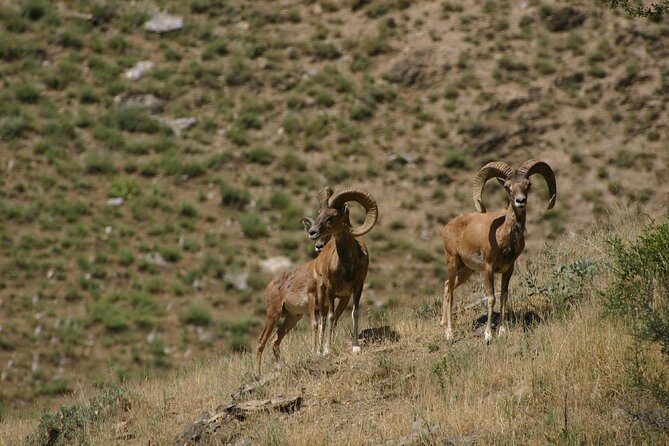
One highlight calls out a chance to meet endangered wild sheep. That’s not something you can schedule like a factory tour. In practice, it’s more about being in the right terrain and moving at the right time with a guide who understands the area.
What I like about this is the balance. The tour doesn’t position itself as a wildlife circus. You’re still hiking villages and learning local landmarks. If you get the sheep moment, it lands as a bonus that adds emotion to the day.
Practical advice: keep expectations realistic. Wildlife encounters depend on conditions. Still, the fact that the experience includes that possibility tells you the Nuratau area is not just scenic—it’s alive.
Price and Value: Why $380 Feels Reasonable for a 4-Day Guided Route
At $380 per person for 4 days, this isn’t a budget stroll. But it also isn’t just a guide-for-hire deal. You’re paying for a full package that includes:
- Pickup in Bukhara and drop-off in Samarkand
- A small group size (max 12)
- Guided hiking across multiple days and villages
- Meals included
- Homestay nights in local guesthouses
- Logistics support, including donkeys for luggage on Day 3
When you factor in that meals and lodging are included, the per-day cost becomes more understandable. You’re basically buying a guided rural route with transportation between cities handled for you, plus the kind of village access most independent travelers struggle to arrange.
If you’re the kind of traveler who wants to optimize time—see villages, not just monuments—this price can feel like good value.
If you’re traveling with a tight budget and want maximum control, you might prefer a DIY plan. But with this itinerary, the hard part is exactly what the tour solves: getting to the right villages and seeing the sites that are difficult to find on your own.
Who This Trip Is Perfect For (and Who Might Struggle)
This tour is a strong fit if you want an active cultural experience in Uzbekistan’s countryside. You’ll like it if you enjoy walking, don’t mind being away from big-city comforts, and are curious about village life beyond headlines.
You’re also likely to enjoy the homestay format if you’re willing to be flexible and communicate with warmth, even when language barriers exist. The homestay hosts are part of the heart of the trip.
You might struggle if:
- You want only easy walking and very minimal changes in routine
- You hate the idea of downhill hiking on uneven ground
- You’re expecting hotel-style accommodations
The upside is that the tour is designed for most travelers who can handle day hikes. The distances are listed clearly each day, so you can judge your comfort level honestly.
Should You Book This Hayat–Uhum–Asraf Hiking Tour?
I’d book it if you want a real mix of village life, guided cultural stops, and multi-day hiking that connects Bukhara and Samarkand in one smooth arc. This is the kind of itinerary where logistics matter, and here they’re handled. You also get built-in value through included meals and homestays, which reduces daily decision fatigue.
Skip it if you need guaranteed high comfort, or if weather makes you nervous. Since the tour requires good conditions for hiking, having a flexible travel window helps.
If your ideal Uzbekistan trip includes walking through working villages, learning how water systems and local traditions shape daily life, and ending in Samarkand for the big sights, this one is a smart choice.
FAQ
How long is the hiking tour?
It lasts about 4 days.
Where does the tour start in Bukhara?
You meet at the Lyabi Haus Pool area near the Khodja Nasreddin statue in Bukhara.
Where does the tour end?
The tour ends at the Gur-i Amir mausoleum complex in Samarkand.
How big is the group?
The maximum group size is 12 travelers.
What is the price per person?
The price is $380.00 per person.
Are meals included?
Yes. Meals are included on the tour.
What villages are included in the hike?
You’ll visit Hayat, Ukhum/Uhum, and Asraf villages, plus an additional hike to Eski Forish on Day 4.
How far are the hikes each day?
Day 2 is about 12 km. Day 3 is about 11 km. Day 4 includes a return hike totaling about 11 km.
How is luggage handled on Day 3?
Your luggage is transported by donkeys.
What should I know about weather and cancellation?
The tour requires good weather. You can cancel up to 3 days in advance for a full refund.