REVIEW · NUKUS
2 Days Private Tour To Aral Sea from Nukus.
Book on Viator →Operated by Silk Road Tours · Bookable on Viator
The Aral Sea feels like another planet. This two-day private trip from Nukus mixes desert-scale change with hands-on moments at the dry sea bed. You get a comfy A/C 4×4 ride, a real night in a yurt camp, and a chance to see what’s left of the coastline up close.
I especially like the human-history stops, starting in Muynak with the Ships Cemetery and its small museum plus a short documentary. That gives you context for the environmental story you’ll keep seeing out on the flats. And I really enjoy the way the day flows from working landscapes (drilling towers, salt-flat visuals) to a calm, starry camp dinner.
One thing to consider: you’re traveling in sun and remote desert conditions, and for stretches your mobile service can disappear. That’s easy to handle if you plan ahead and pack for bright light and wind.
In This Review
- Key Highlights Worth Marking
- How the Disappearing Aral Sea Trip Works From Nukus
- Day 1: Kungrad Stops That Place You on the Silk Road Map
- Muynak’s Ships Cemetery, Museum, and Documentary Film
- The Dried Sea Bed Drive: Drilling Towers and Shell Moments
- Besqala Yurt Camp on the Aral Sea: Sleep Close to the Story
- Day 2 on Ustyurt Plateau: Hidden Caravan Sarai and Camel Country
- Kungrad’s Monument Route: Mausoleums, Architectural Complexes, Ruins
- Price and Value: What $315 Covers in the Real World
- Practical Tips That Make This Tour Easier
- Should You Book This 2 Days Private Tour To Aral Sea From Nukus?
- FAQ
- How long is the tour?
- Is this a private tour?
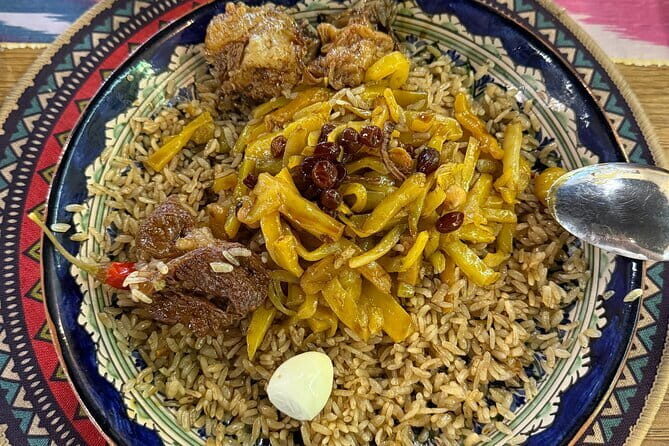
- What’s included for meals?
- Do I need an English-speaking guide?
- Will I have mobile phone coverage during the trip?
- What should I bring for comfort?
Key Highlights Worth Marking
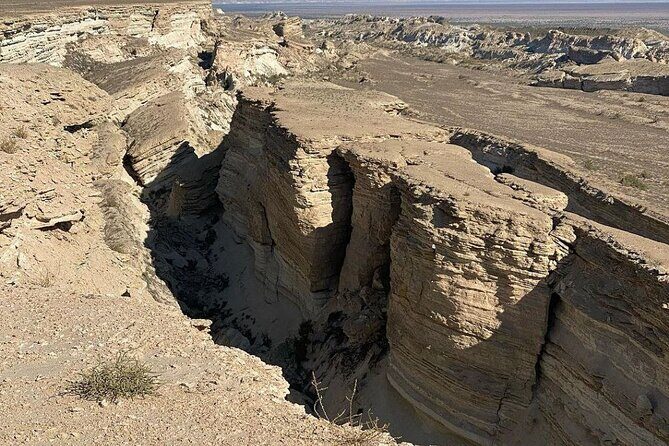
- Dry Sea Bed Photo Stops give you that surreal shell-and-salt look up close.
- Ships Cemetery in Muynak connects the Aral story to real lives, not just headlines.
- Besqala Yurt Camp Night turns a long journey into an evening with sky views and a proper dinner.
- Ustyurt Plateau Caravan Sarai Ruins add old-route history among real hills and camel country.
- Included Monument Tickets mean you’re not scrambling for entry fees during the day.
How the Disappearing Aral Sea Trip Works From Nukus
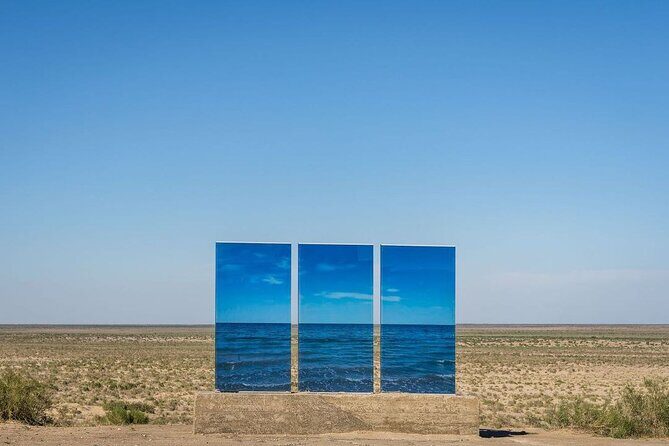
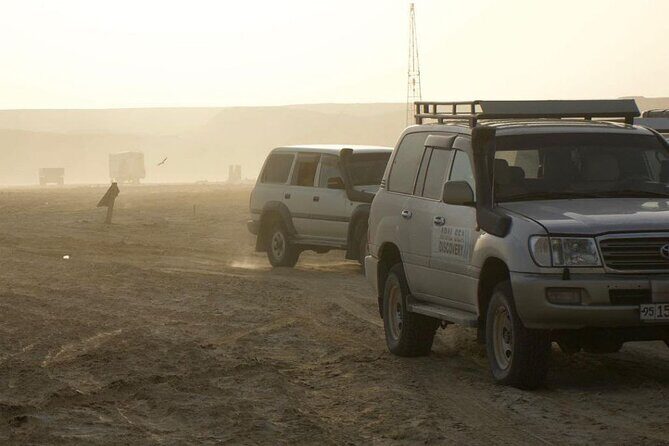
This is a private two-day outing, so you’re not sharing the schedule with strangers or getting rushed. You start with pickup from Nukus, then head north toward the Aral Sea area using an A/C 4×4—important because temperatures and dust can make long drives feel rough in this region.
The tour is built around the idea that the Aral Sea story isn’t abstract. You’ll see the dried bottom, you’ll notice the infrastructure tied to pumping resources, and you’ll stand where the water used to be. That physical proximity is what makes the experience hit harder than a museum alone.
You’ll also get a mix of “today” and “then.” Muynak shows the local past and the ship remnants. The next day shifts toward older travel networks—caravan stops and mausoleums—so the region feels connected across time, not just environmentally.
Value-wise, it’s not a cheap jaunt, but it’s also not just a car rental. The package includes the yurt camp night, meals (breakfast and dinner, plus lunch if your option includes it), and entrance tickets for the sites along the way.
Day 1: Kungrad Stops That Place You on the Silk Road Map
After pickup, you begin by passing through the Khojely and Kungrad districts—areas that historically served as trading centers during the Great Silk Road. It’s the kind of stop that’s quick, but it matters because it frames where you are. You’re not only visiting an environmental disaster story; you’re traveling through a region that has seen movement, commerce, and survival for centuries.
In this first chunk, you’ll make a short stop in Kungrad (about half an hour). There’s no heavy expectation that you’ll spend all day here. Instead, think of it as a warm-up that helps your brain switch from Nukus city life into desert-journey mode.
Then the tour pivots toward Muynak, where the day gets more emotional and concrete.
Muynak’s Ships Cemetery, Museum, and Documentary Film
The biggest “connect the dots” moment on Day 1 is the visit to the Ships Cemetery in the Muynak area. You arrive in town and spend about two hours at the cemetery, where ships from the past are left behind as the sea retreated.
What I like about this stop is the mix. It’s not only looking at wrecks at ground level. You also get access to a local museum and a short documentary film about Moinak’s life in the past. That combination matters because it gives you a human baseline—how people lived, worked, and adapted—before you move into the more surreal visuals of the dried seabed.
A quick practical note: the ship structures and the surroundings can be visually intense and very exposed. If you’re sensitive to heat or wind, plan to use your sunscreen early and keep water handy.
The Dried Sea Bed Drive: Drilling Towers and Shell Moments
After Muynak, you continue toward the Aral Sea along the dried bottom. This is one of those segments where you’re basically driving through evidence—land that became accessible only because the water left.
You’ll see drilling towers rising in the distance, described as pumping gas that’s tied to how this area functions today. Whether you read it as industry, survival strategy, or an environmental warning sign, the visual is powerful because it’s happening in the same place as what used to be water.
There’s usually a photo stop where you can look for dried sea shells along the way. This is one of those moments where people get excited because it looks like the sea got paused mid-recession. Don’t overthink it—just take the photos, notice how salty textures show up on the ground, and keep moving. The next part of the day is where the experience becomes physical.
Besqala Yurt Camp on the Aral Sea: Sleep Close to the Story
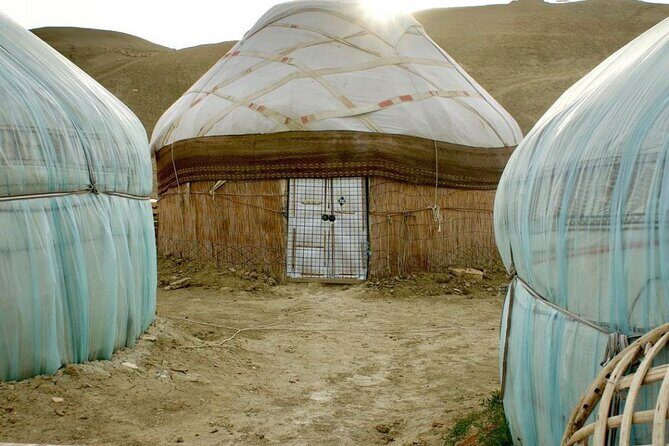
You’ll reach Besqala Yurt Camp at the Aral Sea area. The pace shifts from driving to settling in: you leave your luggage at the yurt, then head down toward the area where the dry seabed meets the camp space.
From there, the program encourages you to either walk or take a swim, depending on conditions and what you feel like doing. You can also collect shells, which turns the visuals from the drive into something tactile. If you do any swimming, keep it practical—this is remote, and you’ll want to think about comfort and recovery.
You’ll also hear the camp invite you to breathe what they call sea oxygen. I’d treat that as part of the local way of framing the moment rather than a scientific promise. Still, the air near an open, dry area often feels sharp and clean, and it’s a good reminder to step back and actually look up.
Dinner at the yurt camp is part of the value here. You’re not just eating; you’re closing the day by watching the sky. The schedule specifically mentions enjoying the stars—so if you care about night skies, this is your built-in moment.
Day 2 on Ustyurt Plateau: Hidden Caravan Sarai and Camel Country
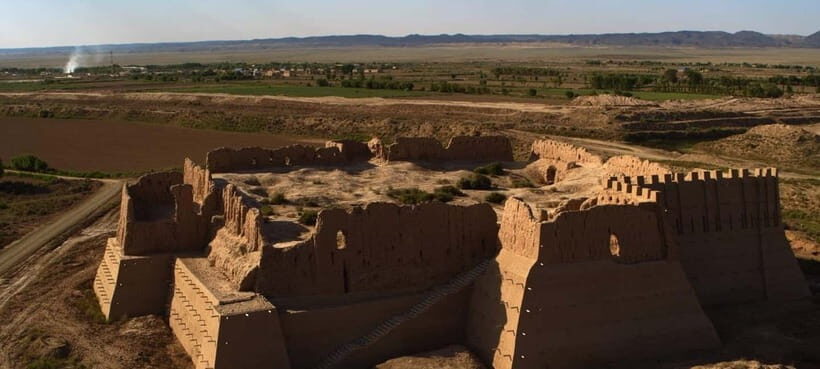
Day 2 begins with the Ustyurt Plateau area, where the terrain changes from coastal-dry visuals to hills and plateau travel. The first historical stop is Kurgancha kala, a caravan sarai dating to the 13th century. It’s described as a hidden stopping place among the plateau hills, which helps it feel less like a roadside monument and more like you’re finding a piece of travel history tucked into the land.
Next you’ll continue toward Kubla Ustyurt village, about 50 km away. This is one of those remote spots where local life is tied to camels. Even if you don’t spend hours here, it’s enough to get a feel for how people keep working and living far from city services.
This is also where you’ll appreciate the 4×4 travel again. Plateau roads aren’t designed for comfort in a normal car, so the vehicle choice pays off when the terrain gets rough or slow.
Kungrad’s Monument Route: Mausoleums, Architectural Complexes, Ruins
After the plateau portion, you loop back toward Kungrad. Lunch is taken at a local cafe in the Kungrad district. This is a good place to refuel before the longer monument sequence—especially since Day 2 is more walking-and-looking than Day 1’s primary focus on the sea area.
Then comes a concentrated set of historic sights, each with its own time period:
- Mizdakhan architectural complex (14th century)
- Halifa Erejep mausoleum (12th century)
- Nazlumhansuluw (12th–14th centuries)
- Shamun Nabi (19th century)
- Ruins of Gaur Kala (details are listed as part of the stop)
What I like here is the variety of dates. You don’t get one time slice. You get a sense that this region kept accumulating sacred and public architecture over centuries. If you enjoy history that feels layered instead of packaged, this day ending will likely stick with you.
When you’re done, you head back to Nukus to end the tour.
Price and Value: What $315 Covers in the Real World
At $315 per person for a two-day private trip, the question isn’t only whether it’s affordable. It’s whether it’s practical enough to be worth paying for.
Here’s what your money buys in this particular part of Uzbekistan:
- Private transport via an A/C 4×4 on long, remote routes
- An included yurt camp night at Besqala
- Meals: dinner plus breakfast, and lunch if the option is selected
- Entrance tickets for monuments and museums along the itinerary
- On-the-ground guidance (English-speaking if you choose that option)
If you tried to DIY this, you’d be juggling a lot: a remote route, limited services in the desert stretches, and multiple entry sites across a two-day timetable. Paying for the driver, logistics, and tickets is what turns the trip from possible-but-annoying into actually enjoyable.
Also, the pricing timing signals demand—this tour is commonly booked well in advance (around two months). That’s usually a clue that people value the limited window and the remoteness.
Practical Tips That Make This Tour Easier
This route is remote and bright, so your comfort isn’t a “nice to have.” It’s part of the experience.
Pack for sun and wind
Karakalpakstan is sunny most of the year. Bring sunglasses and a hat, and use sunscreen, lip balm, and moisturizer. Closed-toe shoes matter because you’ll walk around ship structures and plateau terrain.
Plan for phone dead zones
Halfway through, you can be without mobile communications and internet because the route passes desert areas without settlements. If you need to message family, do it before the last settlement stops in Muynak or Kungrad. The information provided also notes that a YUSELL SIM card may work, but you shouldn’t rely on it everywhere.
Wear natural fabrics
The tour suggests comfortable clothes, ideally made of natural fabrics and closed. That’s practical advice for heat plus dust.
Let them know about food needs
If you have allergies or restrictions, inform the operator in advance so food can be prepared accordingly. That’s especially relevant since your meals are included and tied to set camp/cafe stops.
Expect a real remote night
A yurt camp stay is part of the point here. Don’t book expecting hotel-style services. Instead, treat it as a chance to sleep close to the same dry coastline visuals that shaped the whole story.
Should You Book This 2 Days Private Tour To Aral Sea From Nukus?
Book it if you want an experience that’s not just sightseeing. This itinerary is built around a strong sequence: Muynak’s Ships Cemetery (history + museum + documentary), the dried seabed visuals with shell moments, then a yurt camp night, followed by Ustyurt Plateau caravan history and Kungrad’s monument trail. That combination gives you context across both environment and time.
Skip it—or at least think twice—if you hate remote travel logistics. You’ll deal with sun, wind, long drives, and stretches with limited phone service. You also won’t get a gentle pace; it’s two full days of moving and looking.
For most people who like off-the-grid travel with real meaning, this is the kind of trip that makes the Aral Sea story feel physical. You come away with images you can’t shake—and a clearer understanding of why the region’s past and present are tied together.
FAQ
How long is the tour?
The tour lasts about 2 days.
Is this a private tour?
Yes. It’s private, so only your group participates.
What’s included for meals?
You get 1 dinner and 1 breakfast. You may also have 2 lunches if the lunch option is selected.
Do I need an English-speaking guide?
An English-speaking guide is included if you select that option.
Will I have mobile phone coverage during the trip?
For about half the route you may have no mobile communications and limited internet because the area has no settlements. It’s best to send messages and make calls before the last settlement stops in Muynak or Kungrad. A YUSELL SIM card may work, depending on location.
What should I bring for comfort?
Bring comfortable closed-toe shoes and clothes, preferably natural fabrics. Also bring sunglasses, a hat, sunscreen, lip balm, and moisturizer due to strong sun and wind.