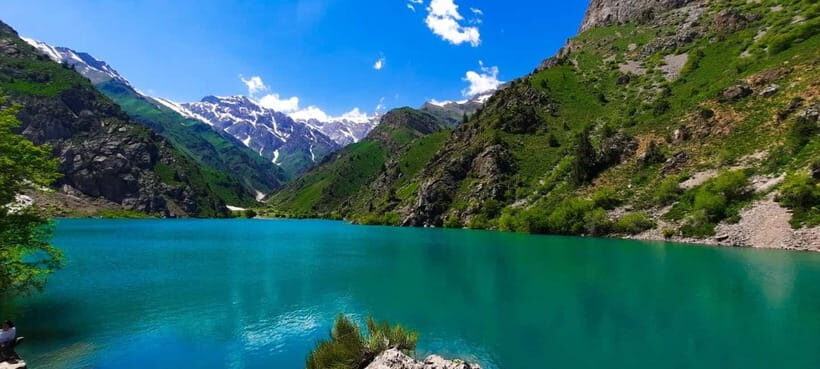
Stone villages and starry nights beat city noise. This Ukhum Village tour is built for people who want mountain-quiet days, real village routines, and the kind of night sky you only notice when you stop and look. I really like the stone-and-clay village life—visiting local houses, seeing how people live in structures built right into steep walls, and even trying simple village activities like getting on a donkey. I also like the wildlife-and-art combo in the nearby Nurata Natural Reserve, where you can look for Seversov sheep and see petroglyphs.
One possible drawback: the experience is rural in every sense, and the comfort level is basic. The road can be rough and narrow, and in at least some cases you may end up walking part of the way; water and showers can run on village-style schedules, not hotel ones. If you expect smooth transfers and constant hot showers, this tour will feel frustrating—if you expect mountain reality, you’ll likely be happier.
In This Review
- Quick take: what makes this 2-day Ukhum trip worth your time
- Entering Ukhum’s slower rhythm
- Getting there from Samarkand: A/C vehicle, but rural roads
- Day 1: Arrival in Ukhum and village life that doesn’t rush you
- Hayat in Nurata: sheep spotting and petroglyphs
- Day 2: bread baking, birdwatching, and the return via Majrum
- Meals, comfort, and communication: rural rules apply
- Price and value: $180 for private transport plus village time
- What to pack so day 1 feels good (not annoying)
- Is this the right tour for you?
- Should you book the Ukhum Village Tour from Samarkand?
- FAQ
- What’s included in the price?
- How long is the Ukhum Village tour?
- Where does the tour start and end?
- Is there a mobile or Internet connection in the villages?
- What should I wear and bring?
- What food and drinks are provided?
- Is vegetarian food possible?
Quick take: what makes this 2-day Ukhum trip worth your time
- Ukhum Village as the main act: stone-built houses, quiet mornings, and everyday routines you can actually watch and join.
- Nurata Natural Reserve time: a chance to spot Seversov sheep and visit petroglyphs.
- Optional trekking: a 6 km round-trip walk to Hayat, or a car transfer depending on conditions.
- Tandyr bread experience: join in with bread-baking during village time on Day 2.
- Majrum stop and a huge ancient tree: on the way back, you’ll stop in Majrum and see an old tree with a diameter over 20 meters.
Entering Ukhum’s slower rhythm
If you’re basing yourself around Samarkand, it’s easy to forget how different rural Uzbekistan can feel. This tour is designed to push you away from city pace and into the Mountain Villages feeling—fresh air, fewer lights, more time for quiet watching. Ukhum Village is the core of the trip, and you’ll spend the night there, which matters. Day trips are nice. But staying overnight is what lets you feel the place shift from daytime routine to early-morning stillness.
I like that the program doesn’t try to turn villages into a theme park. You visit local houses and learn how life works there, including the way homes are built using small stones, rocks, and clay. Some houses are described as built with flat stones along steep edges—exactly the kind of detail that makes you slow down and look instead of just snap photos and rush on.
And then there’s the night sky. The village has electricity, but it’s not “city bright.” So when evening comes, the darkness actually feels dark. You’ll likely want to step outside just to see how many stars are visible when you’re not surrounded by phone screens and street lamps.
You can also read our reviews of more tours and experiences in Uzbekistan.
Getting there from Samarkand: A/C vehicle, but rural roads
The itinerary runs Samarkand → Ukhum → Majrum → Samarkand over 2 days. Distances are listed as about 160 km on Day 1 and 165 km on Day 2, with roughly 3 hours each way depending on timing and stops. Pickup is included from your hotel, railway station, or airport, and the driver (English and Russian) will meet you in the lobby about 5 minutes before departure.
Important reality check: “private and comfortable” doesn’t mean “easy road.” The route to the villages can involve earth roads that are narrow and in rough condition. In at least one documented case, the vehicle couldn’t handle the final section and the group needed to walk part of the way to proceed. That’s not something you can train for like a hike, but it is something to plan for mentally.
So I recommend traveling with flexibility. If the road is slow, it’s because you’re actually getting into the mountains, not gliding along highway service roads.
Day 1: Arrival in Ukhum and village life that doesn’t rush you
Day 1 starts with departure from Samarkand in the direction of Ukhum, with several photo stops along the way. That’s a small thing that helps a lot. It breaks up the drive and gives you chances to photograph the mountains before you even reach the village.
When you arrive, the program focuses on the way Ukhum preserves quiet village values. You’ll spend time visiting local houses—described as built of flat stones on the edges of steep walls—and meeting people as part of everyday life. The tour also mentions a donkey ride, which is the kind of simple, grounded activity that fits the setting better than staged entertainment.
Then you switch gears to Hayat, part of the Nurata Natural Reserve. In the evening, you can visit to see wild sheep (specifically Seversov sheep) and petroglyphs. The program gives two ways to do it:
- a 6 km round-trip trek from Ukhum, or
- a car transfer (organized depending on conditions)
Which option you choose will depend on your comfort level and energy. If you like walking and being out in the environment, the trek gives you more time to look around. If you want less effort in exchange for more time on site, the car transfer reduces strain.
After that, it’s village meal time. The day includes lunch in the village and dinner in the village, plus a night in Ukhum.
One more detail I appreciate: you don’t just “arrive and leave.” You get a chance to experience the atmosphere in the evening and again early in the morning, when the air is described as unusually fresh and pure.
Hayat in Nurata: sheep spotting and petroglyphs
The Nurata Natural Reserve stop is one of the most compelling parts of the itinerary because it mixes wildlife and human history—without turning either into a performance.
First, the wildlife element. The program points to wild Seversov sheep. You’re not guaranteed to see animals everywhere on every day, but having them specifically mentioned is useful. When a tour says what you’re looking for, it usually means the timing and route are chosen with that in mind.
Second, the petroglyphs. These are the kind of things that can feel underwhelming if you only glance at them. But when you’re in the right setting—quiet evening air, time to look closely—the markings become much more meaningful. The fact that you visit in the evening makes sense, too. You’re likely to have fewer distractions, and the experience feels less like an item on a checklist.
For the trek: the 6 km round trip isn’t extreme, but it’s not a stroll either, especially if the ground is uneven. Wear proper shoes and plan to walk at a steady pace. If conditions make walking harder, you can choose the car option.
Day 2: bread baking, birdwatching, and the return via Majrum
After breakfast in Ukhum, Day 2 shifts from arrival-and-exploration to hands-on village rhythm. The program gives you time to participate in daily life, and one highlight is joining in with baking bread in clay ovens (tandyr). This is one of those activities that makes the place feel real. You see how food is made and why the whole routine matters.
The tour also suggests options while you’re in Ukhum, including:
- hiking
- bird watching
- photo shoots
- ecological tours
So you’re not forced into one exact route every minute. That can be a win if you like flexibility. Just remember: there’s no mobile or Internet connection in the village areas. You’ll be living in the moment, not checking plans every ten minutes.
Then it’s time to head back toward Samarkand, stopping at Majrum on the way. The program says that on the way you’ll also visit the Nurata Natural Reserve again to see an ancient tree with a diameter over 20 meters. That’s a serious size, and it’s the kind of sight you appreciate more when you’re already surrounded by mountain nature rather than seeing it from a highway.
Finally, you return to Samarkand. You’ll be dropped at your hotel / railway station / airport, depending on where you’re headed.
Meals, comfort, and communication: rural rules apply
This is a village stay, so think “basic” rather than “hotel.” The tour includes:
- 1 dinner
- 1 lunch
- 1 breakfast
- night in the village
Meals are described as typically based on beef or lamb, often with rice, wheat, or sorgo dough, plus many vegetables. If you’re vegetarian, make sure you tell the organizers ahead of time. The program specifically notes that preferences can be accommodated.
Here’s the practical part: you should expect village-style schedules and facilities. The tour mentions electricity in the village, but real life is still rural. One documented issue involved limited access to water during certain hours, and showers not working during that window due to a malfunction. I’m flagging this not to scare you—just to help you manage expectations. If you can roll with “rough around the edges,” you’ll likely enjoy the bigger picture more.
Communication-wise: you should plan on no mobile or Internet connection. The program notes that a local telephone may be available in some parts of the village for local communication. So if you rely on constant connectivity, this won’t match your routine.
Also note the simple “no in-vehicle” rule: no food and no drinks in the vehicle. That means you shouldn’t expect water handed to you in transit as part of the day. If you’re prone to getting headaches without fluids, plan ahead with whatever the tour coordinator recommends.
Price and value: $180 for private transport plus village time
At $180 per person for 2 days, the price only makes sense if you value the package as a whole: private vehicle, meals, fees, and one overnight in the village. This isn’t a seat in a bus. It’s a private-group setup with an A/C vehicle and pickup included, and it includes all fees and taxes.
Where value shows up is in the logistics of getting to a place that’s not easy to reach on your own. The tour is doing the driving, scheduling, and guiding through the rural stops. It also provides the meals on-site, which matters when connectivity and convenience are limited.
Where value may disappoint you is if you want consistent comfort. The rural road and basic facilities can turn into wasted time or annoyance if you’re not ready. So I see this as best value for travelers who are okay with a little roughness in exchange for quiet days, real village life, wildlife, and mountain views.
What to pack so day 1 feels good (not annoying)
The tour explicitly recommends:
- protective hiking boots or sport shoes
- long trousers
- cap or hat
- sunglasses
It also notes that you’ll need a warm jacket in early spring and late autumn seasons. That advice is smart. Mountain air can change fast, and evenings during a reserve visit can feel cool even if daytime was warm.
I’d also add one common-sense point: bring a small day bag so you can keep essentials handy during stops and the Hayat trek option. Even if you’re not carrying much, it helps you stay un-flustered.
Is this the right tour for you?
This Undiscovered Uzbekistan style itinerary suits you if you:
- want a village-based overnight, not just a quick photo stop
- enjoy walking options like the 6 km round trip (or you’re okay choosing the car transfer)
- care about wildlife and seeing petroglyphs
- like cultural routine moments, including tandyr bread baking
It’s not the best match if you:
- require hotel-level comfort, constant hot water, and flawless roads
- hate being offline (no mobile or Internet connection)
- get stressed when schedules shift due to rural logistics
Also, since it’s a private group, it’s easier to adjust to preferences when the tour is customizable. That can be helpful if someone in your group is less comfortable with hiking.
Should you book the Ukhum Village Tour from Samarkand?
If your goal is to escape city noise and experience mountain village life with wild animals and real cultural routines, I think this tour is a strong choice. The best parts are the details: stone houses on steep edges, village meals, night skies that feel genuinely dark, and the combo of Seversov sheep plus petroglyphs.
But don’t book this like it’s a luxury escape. Think of it as a thoughtful route into rural Uzbekistan with a few comfort trade-offs. If you show up ready for rural roads, basic facilities, and fewer connectivity comforts, you’ll likely leave feeling like you actually visited a place—not just passed through it.
If you decide to go, use the tour’s customization option and be upfront about any food needs (like vegetarian) and your comfort with the trek versus car transfer.
FAQ
What’s included in the price?
The tour price includes a night in the village, 1 breakfast, 1 lunch, 1 dinner, an A/C vehicle, and all fees and taxes.
How long is the Ukhum Village tour?
It runs for 2 days with an itinerary of 1 night / 2 days.
Where does the tour start and end?
It starts from Samarkand and returns to Samarkand. Pickup from your hotel, railway station, or airport is included. You can also start from Tashkent or Bukhara and return to one of these cities.
Is there a mobile or Internet connection in the villages?
There is no mobile or Internet connection. A telephone for local communication may be available in some parts of the village.
What should I wear and bring?
Wear comfortable protective hiking boots or sport shoes, long trousers, and bring a cap or hat and sunglasses. In early spring and late autumn, pack a warm jacket.
What food and drinks are provided?
Meals are included in the program: lunch, dinner, and breakfast. The tour does not include alcoholic beverages. Drinks are not provided in the vehicle, and the program states no food is allowed in the vehicle.
Is vegetarian food possible?
Local cuisine is usually based on beef or lamb, with rice, wheat or sorgo dough, and many vegetables. Let the organizers know if you prefer vegetarian cuisine or have other preferences.