REVIEW · KHIVA
Traditional Khiva Cooking Class with Market Visit & Lunch
Book on GetYourGuide →Operated by Sarvar Bobojonov · Bookable on GetYourGuide
A Khiva cooking class feels like visiting family. You start in the market, pick ingredients like locals do, then cook in a real home kitchen with Sarvar Bobojonov and his family. It’s hands-on, not a restaurant show.
I love two things most: the market visit that teaches you what to look for (and even how people shop there), and the way the meal becomes a shared family experience rather than a scripted class.
One possible drawback: this is a home visit, so you’ll want to dress modestly and be comfortable with a no-audio-recording setup and a tighter schedule during the 2.5-hour window.
In This Review
- Key things worth knowing
- A Khiva Plov (or Shivit Oshi) Cooking Day Inside a Real Home
- The Market Stop: Where You Learn What Makes Ingredients Matter
- In Sarvar Bobojonov’s Home Kitchen: How the Class Stays Hands-On
- Plov vs. Shivit Oshi: Picking the Dish That Fits Your Taste
- Lunch at the Uzbek House Table: Tea, Fruit, and the Stuff You Want to Remember
- Price and Value: What $150 Per Group Really Buys You
- Timing, Pickup Points, and What to Wear Without Stress
- Who This Class Suits Best (and Who Might Want Another Option)
- Should You Book This Khiva Cooking Class?
- FAQ
- How long is the Traditional Khiva Cooking Class with Market Visit & Lunch?
- What does the class cost?
- Is this a private experience?
- What dishes will I cook?
- Do I get hotel pickup and drop-off?
- What language is used during the tour?
- What’s included with the meal?
- Do I receive anything to take home?
- Are there any restrictions on what I can bring or wear?
- Can I cancel for a refund?
Key things worth knowing
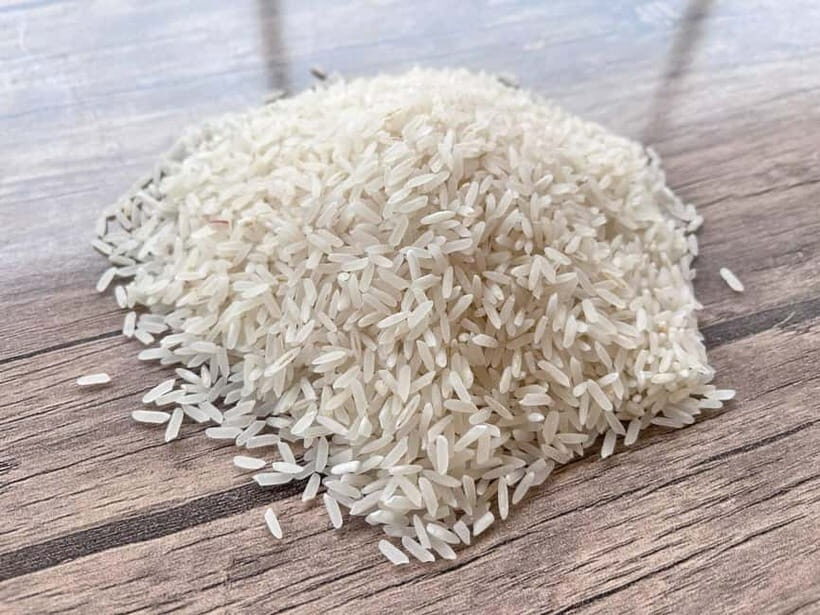
- Market-first shopping so you understand the ingredients before the cooking starts
- Private, up to 3 people format, which makes Q&A actually possible
- Plov or Shivit Oshi choices, with instructions focused on real technique
- Family-style hosting in a local Khiva home, not a classroom or restaurant
- Take-home recipes plus seasonal fruit and traditional tea for the full meal
A Khiva Plov (or Shivit Oshi) Cooking Day Inside a Real Home
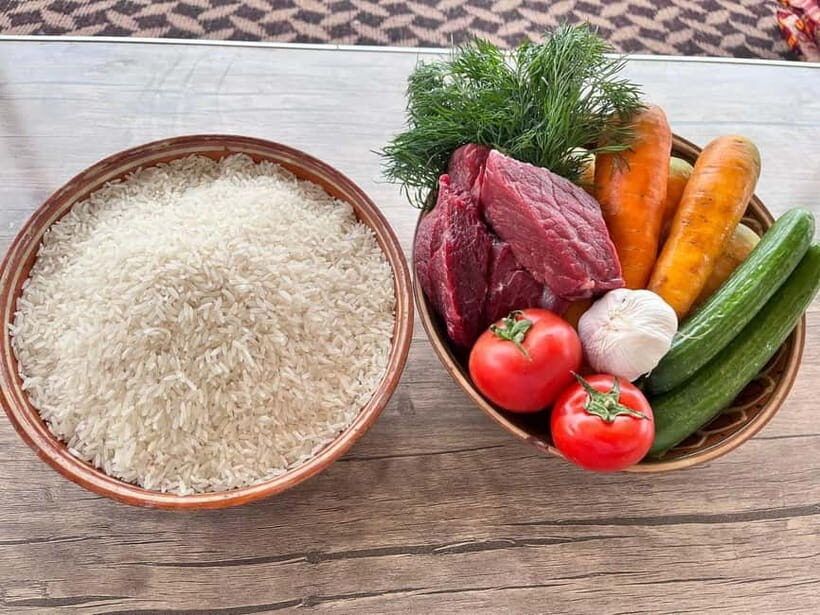
If you want Khiva food the way locals actually experience it, this is a strong pick. The goal here is simple: shop, cook, eat, and learn from the people doing the work every day.
You’re coming into the process from the inside. You’ll be picked up from central Khiva (with several pickup points like Itchan Kala West Gate and Stone Gate), then you’ll head to the local market first. From there, the experience moves to a local home in the Khorazm Region, where you cook one of two iconic dishes: Plov or Shivit Oshi. The English-speaking instructor guiding you is Sarvar Bobojonov, and you’re not just watching. You’re cooking alongside the hosts.
This is also one of the better formats for small groups. It’s priced per group up to 3 people, so the experience doesn’t balloon just because you’re traveling with friends or family. At the same time, the whole thing stays short enough to fit neatly into a sightseeing day.
You can also read our reviews of more tours and experiences in Khiva.

The Market Stop: Where You Learn What Makes Ingredients Matter
The market portion is where the lesson starts to feel real. Instead of being handed a list of ingredients, you go with a guide and see how people shop. That changes how you cook later, because you understand what quality looks like and why certain choices matter.
Here’s what this market visit typically gives you:
- Ingredient selection basics: how to spot fresher produce and understand what goes where in Uzbek cooking
- Shopping rhythm: how people move through the stalls and handle questions as they choose items
- Practical awareness: you’ll likely learn a lot just from following Sarvar’s guidance on what to buy and what to skip
There’s also the human side. On the way, you get conversation about food and local culture. And when you walk into the market with someone who knows the flow, you also avoid that awkward feeling of not knowing where to look first.
One thing to consider: markets can be busy. If you’re sensitive to crowds or sun, plan to take breaks when you can and keep water in mind for before and after the tour. The tour itself is only 2.5 hours, but the market portion can still feel active.
In Sarvar Bobojonov’s Home Kitchen: How the Class Stays Hands-On
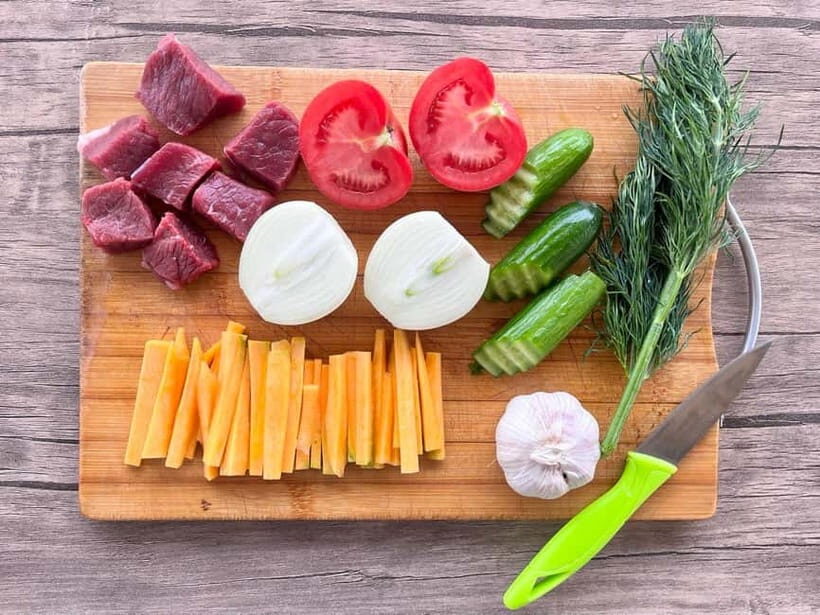
After the market, you head to the cooking space: a traditional Khiva home. This is where the experience shifts from shopping and watching to doing. You’ll cook with your host and learn the techniques behind the dish you choose.
In a setting like this, you tend to get two kinds of instruction at once:
- Technique you can repeat later, like how to handle key steps and timing
- Taste logic, meaning why certain ingredients or cooking choices change the final flavor
In the most memorable moments, you’re not just following directions. You’re talking through what you’re doing, asking questions, and seeing how the family helps manage the flow of cooking. One of the strong points of this experience is how much warm hospitality you get. Families here don’t treat it like a job. They treat it like company.
What I like about this setup is that it feels less like a class and more like being invited to help cook. You might see family members involved, including a host role from Sarvar and cooking support from his family. That matters because Uzbek home cooking isn’t always one person doing everything. It’s a team process, and you get a sense of that teamwork while you’re in the kitchen.
Plov vs. Shivit Oshi: Picking the Dish That Fits Your Taste
You’ll cook either Plov or Shivit Oshi. If you’re deciding in advance, here’s how to think about it using what the dish signals in everyday Uzbek cooking.
Plov is the safer bet if you want the classic crowd-pleaser. It’s a signature dish in the region, and it’s usually the one people compare across cities. When Plov is done well, you notice the balance right away—flavor layered across grains and components rather than tasting like one-note rice.
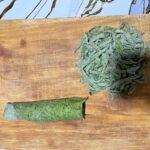
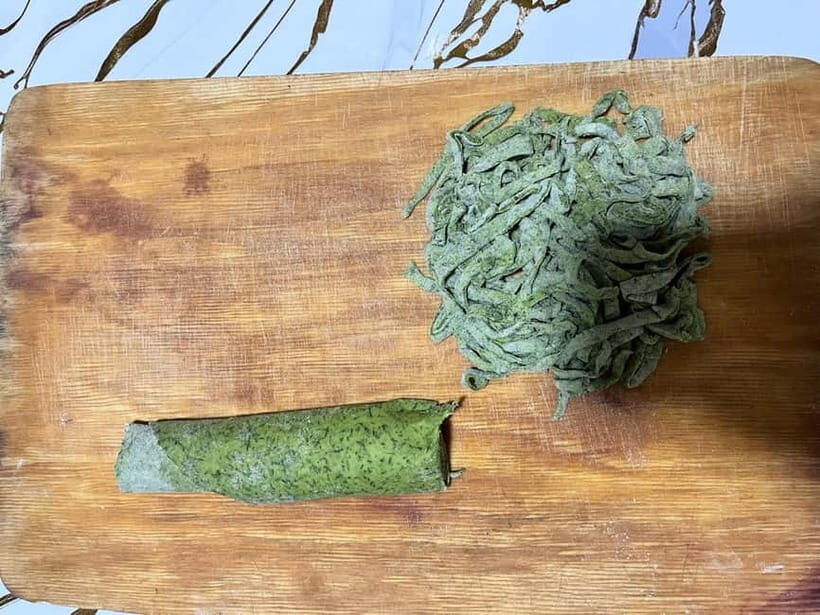
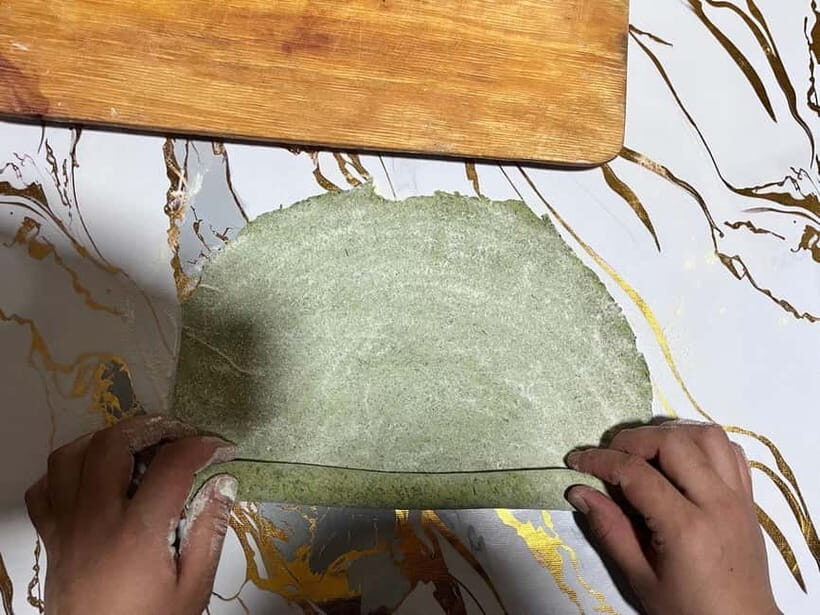
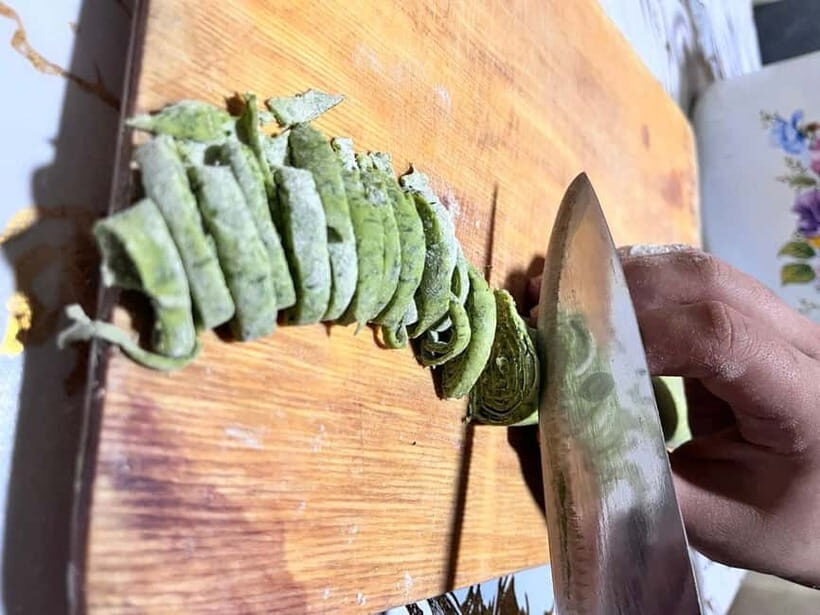
Shivit Oshi can be a great choice if you’re more curious about something less universally ordered. The dish carries the comfort of Uzbek home cooking, but it tends to feel lighter and more about the character of the herbs or greens involved.
Either way, the point isn’t just which dish you eat. It’s that you’ll learn how it’s made in a local home kitchen, with the host explaining what matters. If you want to bring something back from Khiva that isn’t just a souvenir, cooking technique plus flavor logic is exactly what you need.
Lunch at the Uzbek House Table: Tea, Fruit, and the Stuff You Want to Remember
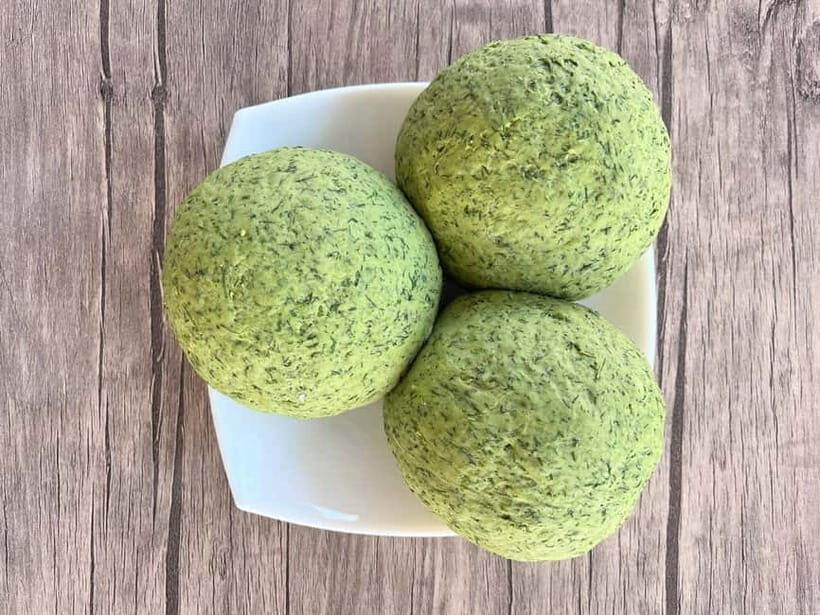
Once cooking is done, you sit down and eat as part of the family meal. This is where the experience becomes more than food instruction. You’re not rushing to the next stop. You’re staying at the home long enough to actually enjoy what you made.
The meal includes:
- Traditional Uzbek tea during the experience
- The dishes you cooked, served as a homemade lunch
- Seasonal fruits for dessert, plus extra fruit like melons and watermelon is part of the home hospitality you may experience
It’s the kind of lunch where you can taste differences you might miss if you only eat dishes out on the street. You also get the satisfaction of knowing you made it from scratch, not just ordered it and moved on.
And yes, you get more than just the meal. You receive recipes to take home, which is a huge part of the value here. Many cooking classes give you memories. This one tries to give you a repeatable version of the flavors so you can cook again later.
Price and Value: What $150 Per Group Really Buys You
The price is $150 per group up to 3, which means the real cost per person depends on how many people are in your group.
- If you come as 2, you’re effectively paying about $75 per person
- If you come as 3, it drops to about $50 per person
That’s not just a math trick. Here’s what you’re paying for:
- Hotel pickup and drop-off
- A guided market visit (not a casual stroll)
- All fresh cooking ingredients
- A hands-on cooking class featuring Plov and Shivit Oshi options
- Tea and dessert fruit
- Take-home recipes
If you compare this to paying for a restaurant meal plus a separate market guide, the structure can start to make sense fast. The market time is where you learn, and the home cooking time is where you practice. You’re paying for both the learning and the meal in one smooth package.
Also, because it’s a private group, you’re not competing for attention. That matters with cooking instruction, where even small questions can change how the dish turns out.
Timing, Pickup Points, and What to Wear Without Stress
The total time is 2.5 hours. Within that, the cooking portion is about 2 hours, with the market and transfers filling the rest. That short runtime is a plus in Khiva, where you may already be juggling sightseeing, heat, and walking.
Pickup and drop-off are handled from multiple points in central Khiva, including:
- Itchan Kala West Gate
- Bakcha Darvoza
- Polvon darvoza
- Stone Gate (Itchan Kala South Gate)
- Khiva (an additional pickup/drop-off option)
You’ll ride in a white sedan (156NAA). If you’re planning your day, choose the pickup point that keeps you from backtracking through Itchan Kala’s lanes.
Dress code is worth taking seriously. Shorts and sleeveless shirts aren’t allowed, and you also can’t bring backpacks. Audio recording is not permitted. So I’d pack light, wear something that covers your shoulders and legs, and keep your phone use simple for photos if needed.
One practical tip: this is a cooking-and-meal experience, so plan on being comfortable with hands-on work. Wear clothes you don’t mind getting a little flour or kitchen spice on, even if the host keeps things tidy.
Who This Class Suits Best (and Who Might Want Another Option)
This tour fits best if you want a real feel for Uzbek home cooking and you like learning by doing.
You’ll likely enjoy it if:
- You like food trips that teach you ingredients, not just recipes
- You travel in a small group (up to 3) and want private time
- You’re curious about Khiva culture through everyday life, not just monuments
It may feel less ideal if:
- You’re expecting a large, formal cooking school style with lots of space and gear
- You’re not comfortable in a home setting or you need strict control over noise and recording
- You dislike market crowds and sun exposure
But even with those considerations, the tone of the experience—warm hospitality, conversations, and family involvement—makes it feel special in a way that’s hard to replicate with a ticketed show.
Should You Book This Khiva Cooking Class?
Book it if your priority is authentic food learning in a real home setting. The market stop gives context, the cooking lesson teaches technique, and the lunch experience ties it all together. Add the take-home recipes, and you walk away with something you can cook again later.
Skip it only if you’re looking for a purely restaurant-style meal with no home component, or if the rules (no shorts, no sleeveless shirts, no audio recording, no backpacks) would make you uncomfortable.
If you want Khiva flavors you can actually recreate, this is one of the most practical ways to do it. You’ll come for Plov or Shivit Oshi, and you’ll leave with the kind of food knowledge that lasts longer than a photo.
FAQ
How long is the Traditional Khiva Cooking Class with Market Visit & Lunch?
The experience lasts about 2.5 hours in total.
What does the class cost?
It costs $150 per group, up to 3 people.
Is this a private experience?
Yes, it’s a private group experience.
What dishes will I cook?
You will cook Plov or Shivit Oshi as part of the hands-on class.
Do I get hotel pickup and drop-off?
Yes. Hotel pickup and drop-off are included, and pickup points include areas such as Itchan Kala West Gate, Bakcha Darvoza, Polvon darvoza, and Stone Gate (Itchan Kala South Gate).
What language is used during the tour?
The instructor is English.
What’s included with the meal?
You’ll have traditional Uzbek tea, seasonal fruits for dessert, and the homemade meal you cook.
Do I receive anything to take home?
Yes, you receive recipes to take home.
Are there any restrictions on what I can bring or wear?
Shorts, baby strollers, smoking, sleeveless shirts, backpacks, and audio recording are not allowed. Alcohol and drugs are also not allowed.
Can I cancel for a refund?
You can cancel up to 24 hours in advance for a full refund.