Khiva’s walls move at a human pace. This guided walk through Ichan Kala gives you a practical way to see why Khiva is a UNESCO World Heritage Site, with more than 50 historic monuments packed inside the old walled city. I really like that you’re not just drifting from photo spot to photo spot—you get a clear route, and the guide keeps the story grounded in what you’re actually looking at.
My other big win is the English-speaking local guide. The best guides here are friendly and active about questions, and they’ll often help solo visitors feel at ease and even get good photos. The one catch to plan for: entrance tickets to some monuments and museums are not included, so you should expect a few extra stops for cash-card decisions (and the tour is 5 hours total, not an all-day marathon).
In This Review
- Key highlights you’ll feel fast
- Khiva’s Ichan Kala: Why This Walk Works
- Meeting at 09:00: Pickup, Private Group, and Realistic Timing
- City Walls in Khiva: Your First Big Context Lesson
- Juma Mosque, Kunya Ark, and Kalta Minor: Icons You’ll Understand Better
- Juma Mosque: devotion with a visible center
- Kunya Ark fortress: power in brick and stone
- Kalta Minor minaret: height, symbolism, and an anchor point
- Madrasas and the Tash-Kauli Palace: Learning Through Craft
- Lunch Time: How to Reset Without Losing Momentum
- Pahlavan Mahmud and Sayid Alauddin: Mausoleums With Personal Meaning
- Madrasa of Islam-Khodja: The Final Note That Ties It Together
- Price and Value: Is $49 Fair for a 5-Hour Guided Walk?
- Who Should Book This Khiva Walking Tour
- The Small Details That Make the Day Smoother
- Should You Book This Khiva Guided Walking Tour?
- FAQ
- What time does the guided tour start?
- Where do we meet the guide?
- How long is the tour?
- Is transportation included?
- Are entrance tickets included in the price?
- Is the tour wheelchair accessible?
- What should I bring, and can I bring luggage?
Key highlights you’ll feel fast
- UNESCO Ichan Kala focus: the entire route is built around the old walled city.
- City walls walking: you get context before the fancy buildings.
- Top-tier architectural stops: Juma Mosque, Kunya Ark fortress, Kalta Minor, major madrasas.
- Two-part flow with lunch: iconic sights before lunch, mausoleums and another madrasa after.
- Private group, hotel pickup: you’re not stuck in a big crowd, and the guide meets you at your hotel lobby.
Khiva’s Ichan Kala: Why This Walk Works
If you’ve ever toured a big historic city, you know the common problem: too much time spent “wandering” and not enough time understanding what you’re seeing. This tour solves that with a tight focus on Ichan Kala, the historic core of Khiva. And because Ichan Kala is packed with monuments—over 50—you need a plan to avoid missing the most meaningful ones.
The walking element matters here. The walls aren’t just scenery. When you walk along them, you start to understand how the city functioned: who controlled access, how power was displayed, and why certain buildings were placed where they were. It’s the kind of context you can’t easily get if you only glance from the street.
You’ll also get the feel of Khorezm—the region where Khiva sits—through everyday atmosphere as you move through the old quarters. That “real” feeling is often what makes the monuments stick in your memory, not just their shapes and colors.
You can also read our reviews of more walking tours in Khiva
Meeting at 09:00: Pickup, Private Group, and Realistic Timing
You meet at 09:00 and the guide can meet you at the lobby of your hotel. That sounds simple, but it’s huge in Khiva. The old city is easy to get turned around in, and starting on time means you see more with less stress.
This is a private group. That changes the vibe. Instead of racing with a crowd, you can ask questions as they come up. If you’re traveling solo, that matters too; a good guide will help you feel comfortable rather than leaving you to fend for yourself with a phone map.
Plan your day around the fact that this is about 5 hours. Lunch is included in the flow, and the schedule is structured so you cover major monuments rather than dragging out every side street. If you want a slow, lingering whole-day experience, you may feel like the pace is concentrated.
A practical note: you’ll want comfortable shoes, and the tour doesn’t allow luggage or large bags. Pack light so you’re not managing a bag while you’re moving through narrow lanes and courtyards.
City Walls in Khiva: Your First Big Context Lesson
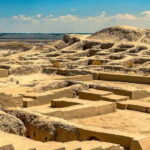
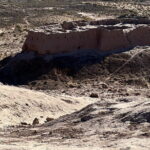
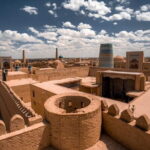
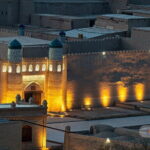
One of the most satisfying parts is walking along the ancient city walls in Khiva. It’s not just an opening flourish. The moment you step onto or beside the walls, the architecture stops being random.
Here’s what you’ll notice as you walk:
- The city feels “contained” in a way that changes how you read the buildings.
- Fortified boundaries make the placement of major structures feel intentional.
- Views across the old quarters help you understand scale—how close everything is, and how planning mattered.
I love this approach because it trains your eyes. By the time you reach the big monuments, you’re not guessing. You’re already thinking like the city’s designers: access, visibility, defense, and authority.
Juma Mosque, Kunya Ark, and Kalta Minor: Icons You’ll Understand Better
The tour’s first main cluster hits some of Khiva’s most important landmarks. You’ll visit Juma Mosque, Kunya Ark fortress, and Kalta Minor minaret—three stops that work well together because they cover different sides of city life.
Juma Mosque: devotion with a visible center
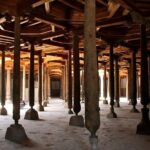
At the Juma Mosque, focus on how the space is designed to guide attention. Even if you don’t read every inscription, you can still see how the structure emphasizes gathering and religious purpose. This is the kind of site where a guide’s explanations make a difference, because you learn what to notice beyond “it’s pretty.”
You can also read our reviews of more guided tours in Khiva
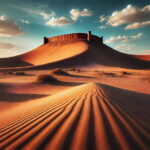
Kunya Ark fortress: power in brick and stone
Kunya Ark fortress is where the story shifts. Fortresses aren’t built for subtlety, and this one shows how rulers projected control. It’s a strong contrast to the mosque—religion in one direction, authority in another.
The fortress stop is also useful because it sets expectations for the rest of the old city: you’re seeing how institutions shaped architecture, not just how people decorated walls.
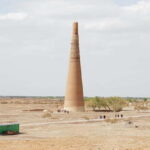
Kalta Minor minaret: height, symbolism, and an anchor point
Then comes Kalta Minor minaret. A minaret like this is both a landmark and a statement. From certain angles, it becomes an orientation tool—your eyes return to it even after you move away.
If you like architecture details, this is one of those moments where your camera will do more work because your viewpoint stays consistent: you can compare angles, line up shapes, and see how the structure reads from different approaches.
Madrasas and the Tash-Kauli Palace: Learning Through Craft
Next, you’ll visit the Madrasa of Muhammad Amin Khan and Tash-Kauli Palace. This is where the tour starts to feel like more than a list of monuments—it becomes a picture of how learning and lifestyle were expressed in built form.
Madrasas in Khiva are about instruction, but they’re also about design. You’ll likely notice how the learning spaces relate to the courtyard atmosphere and how decoration supports status and identity. The guide’s role here is key: they help you connect what you see with the function of the place.
Tash-Kauli Palace adds a different texture. Palaces aren’t just “bigger buildings.” They’re about daily power—who lived where, how rooms connected, and what the spaces suggest about comfort and control. Even if some areas aren’t fully accessible depending on the site rules, the structure still gives clues.
This stretch is a good time to ask questions, especially if you’re trying to understand the differences between the buildings’ roles in society. A strong guide will keep your attention on practical observation: materials, layout, and what each site is trying to communicate.
Lunch Time: How to Reset Without Losing Momentum
Lunch is part of the plan before you continue deeper into Ichan Kala. This is one of the best ways to keep the day enjoyable: you get to eat and reset instead of steamrolling through every stop back-to-back.
Since entrance tickets aren’t included, you may also want to keep your payment method handy around this phase. After lunch, you’ll continue with more major monuments and another madrasa, so you don’t want to run out of time sorting tickets at the last second.
Pahlavan Mahmud and Sayid Alauddin: Mausoleums With Personal Meaning
After lunch, you’ll visit the Mausoleum of Pahlavan Mahmud and the Mausoleum of Sayid Alauddin. Mausoleums are a different kind of experience than mosques or forts. They’re intimate even when they’re visually grand, and the meaning often feels personal because you can sense the respect attached to the figures memorialized there.
What you’ll get from these stops:
- A shift from civic power to legacy and remembrance.
- A better sense of why certain people were elevated in Khiva.
- More architecture to compare—how styles change between religious and memorial spaces.
If you like a guide who keeps things clear, this is where their explanations can really land. You’re not just looking at a building; you’re learning how it fits into the human side of the city’s story.
Madrasa of Islam-Khodja: The Final Note That Ties It Together
The tour ends with the Madrasa of Islam-Khodja. This final madrasa stop is a good way to close the loop on the theme of learning and cultural identity in Ichan Kala.
By the time you reach this point, you’ll likely find that you understand the architecture more quickly. You’ve already seen other madrasas, seen how the fortress and mosque shaped the city’s power map, and walked the walls to anchor your orientation.
That means the last stop works like a summary without being boring. You can compare details you’ve already noticed and spot differences in design language, all while the day is still fresh enough to enjoy.
Price and Value: Is $49 Fair for a 5-Hour Guided Walk?
At $49 per person for a 5-hour private walking tour, the value depends on what you expect from a guide.
What you’re getting:
- An English-speaking local guide (with English and Russian offered).
- A structured route through key Ichan Kala monuments.
- Hotel pickup at 09:00 and a private-group format.
- Our assistance 24h/7 through the provider.
What you’re not getting:
- Entrance tickets to historical sites and museums (pay on the spot).
- Transportation beyond the included pickup arrangement.
For many people, $49 feels fair because the guide does the heavy lifting: route logic, context, and interpretation. Without that, you’d likely spend extra time figuring out which buildings matter most—and in a place like Ichan Kala, time is part of the cost.
The entrance tickets can change the total price, but the good news is you can plan for it. Think of the tour fee as paying for guidance and access to the best-known core stops, then budget a little extra for the monument tickets you’ll want to enter.
Who Should Book This Khiva Walking Tour
This is a strong choice if:
- You want the big Ichan Kala monuments in one focused, walkable plan.
- You like having an English-speaking guide explain what you’re seeing.
- You’re traveling solo and appreciate a guide who keeps you comfortable and can help with photos.
- You’d rather be in a smaller, private group than in a rushing crowd.
It’s also a good option if you need wheelchair access. The tour is listed as wheelchair accessible, and you’ll just want to keep expectations realistic about how historic sites are laid out (uneven surfaces and historic courtyards can affect comfort).
If your top priority is an ultra-slow, long-day stroll where you get lost on purpose, you may prefer a more flexible self-guided plan. This one is designed for coverage and understanding.
The Small Details That Make the Day Smoother
A few practical touches can make or break your experience in Khiva’s old city:
- Wear shoes that can handle walking for hours. Comfortable footwear isn’t optional here.
- Keep your load light. Large bags and luggage aren’t allowed.
- Bring the energy to pause. A good tour works best when you let the guide point out what to notice.
- Ask questions during madrasas and religious sites. That’s when explanations help you read the buildings faster.
Also, since the guide meets you at your hotel lobby, confirm your pickup details in advance so the morning starts clean and calm.
Should You Book This Khiva Guided Walking Tour?
I’d book it if you want an efficient way to see Ichan Kala’s most important monuments with an English-speaking local guide who clearly explains the sites. The structure makes it hard to waste time, and the private format helps you ask questions and move at a comfortable pace.
I wouldn’t book it if you’re expecting a loose, all-day wandering experience with no added ticket costs. The schedule is concentrated, lunch is built in, and entrance tickets are paid on the spot—so you’ll want to plan your day and budget accordingly.
If you’re aiming for a smart first visit to Khiva’s old core, this guided walk hits the right balance of architecture, context, and time.
FAQ
What time does the guided tour start?
The guide meets you at 09:00 at your hotel.
Where do we meet the guide?
Pickup is included, and the guide can meet you in the lobby of your hotel. You should inform the provider of your hotel name.
How long is the tour?
The duration is 5 hours, including time for sightseeing and lunch.
Is transportation included?
Transportation is not included. Pickup is included, but you’ll be responsible for any additional transport needs.
Are entrance tickets included in the price?
No. Entrance tickets to historical sites and museums are not included, and you can pay on the spot.
Is the tour wheelchair accessible?
Yes, the tour is listed as wheelchair accessible.
What should I bring, and can I bring luggage?
Bring comfortable shoes. Luggage or large bags are not allowed.