Fortresses with fewer crowds than Khiva. This Toprakkala and Ayazkala tour is one of the rare ways to step into the Khorezm oasis world outside the city walls. I love how the stops connect the big idea of early Khorezm statehood to something physical you can stand on. The day also has a great bonus: it feels remote, with cotton fields and open steppe around you. One catch: the tour includes a driver, not a trained guide, so you may want to bring some context (or expect to read as you go) if you’re craving detailed explanations.
I also like the practical setup. You get a private group up to three people, round-trip in an A/C vehicle, and pickup is flexible (hotel in Ichan Kala/Khiva, or even Urgench airport/train). The forts are spread out enough that a driver makes a real difference, especially on a short schedule. The possible drawback for some people is walking and climbing at Ayazkala, which can feel steep or uneven.
In This Review
- Key things to know before you go
- Why these Khorezm fortresses feel different from typical ruins
- Pickup in Khiva: where you start and how the timing works
- Toprakkala: the clay fortress and the evidence of planning
- Kizilkala (Kyzykkala): a red garrison fortress stop that breaks up the pace
- Ayazkala: severe frost fortress, remote walks, and why it feels wild
- The one thing to watch: walking and climb difficulty
- Driver vs guide: how to get the most from the day
- Price and value: is $90 per group a good deal?
- Practical tips so the day stays comfortable
- Who should book this tour, and who might pass
- Should you book the Ayazkala, Toprakkala & Kizilkala Fortress Tour from Khiva?
- FAQ
- Where does the tour pickup start in Khiva?
- Can I choose a different pickup/drop-off point besides Khiva?
- How long is the tour?
- Is this a private tour?
- What is included in the price?
- Are entrance tickets included?
- Do I get a guide on the tour?
- What languages does the driver speak?
- What should I bring for the fortress visits?
- Is the tour wheelchair accessible?
Key things to know before you go
- Toprakkala is tied to early Khorezm statehood, with archaeological finds like a city plan layout and objects linked to culture and timekeeping.
- Kizilkala is a garrison stop, known for the red color of the clay and its role along the oasis defenses.
- Ayazkala is built to protect the oasis perimeter, and the name refers to severe steppe cold—something you’ll really understand on-site.
- You’re paying for transport and organization, not a guide lecture, so history depth depends on what you bring.
- Entrance tickets are small but not included, so budget about $1–2 per monument when you arrive.
- It’s designed for a quick day run (5 hours), so it’s best if you want variety beyond Ichan Kala in one shot.
Why these Khorezm fortresses feel different from typical ruins
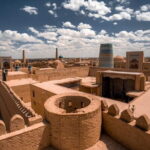
Khiva can soak up your attention for a full day all by itself. That’s great. But this tour gives you something else: a look at how the Khorezm oasis defended itself and organized power long before the cities you see today.
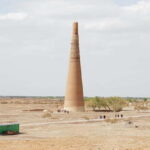
In ancient Khorezm, fortresses were so common that the area was nicknamed Ellikkala, meaning 50 fortresses. That’s not just trivia. When you visit places like Toprakkala, Kizilkala, and Ayazkala, you start to feel how control worked across the oasis. It wasn’t one city forever—it was a system of outposts, walls, and perimeter forts that helped protect land used for farming in an otherwise harsh steppe zone.
Two of the most compelling parts of this trip are the way the sites are described and the way they’re built. Toprakkala is tied to the earliest capital phase of Khorezm and has evidence of how the settlement was laid out. Ayazkala, on the other hand, is all about defense and protection—an oasis fortress built around the perimeter, not just a ceremonial mound in the middle of nowhere.
You can also read our reviews of more tours and experiences in Khiva.
Pickup in Khiva: where you start and how the timing works
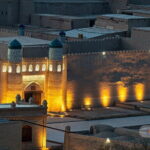
This tour runs about 5 hours, which is a good length for a day trip when you’re staying in Khiva. You’ll start at Ata darwaza (the west gates) in Ichan Kala, though pickup from your hotel in Ichan Kala/Khiva is allowed.
If you’re arriving by train or flying, you can also set pickup/drop-off at Urgench airport or Urgench railway station. That flexibility is a real value-add because it reduces the hassle of finding a meeting point on your tight travel calendar.
In practice, plan to be ready with a few essentials in your bag. You should wait in the hotel lobby about 5 minutes before your scheduled pickup time. Then the vehicle does the rest—short hops between sites, with a comfortable buffer so you’re not worn out before you even start walking.
Toprakkala: the clay fortress and the evidence of planning
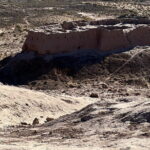
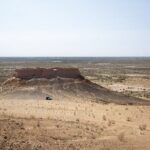
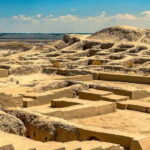
Toprakkala is the first major stop, and it earns attention for one main reason: it’s tied to early Khorezm capital life. The name is associated with clay—Clay Fortress—and the place is considered among the best preserved of the ancient fortresses linked to the region’s earliest political center.
What I like here is that it’s not just a view. The information connected to the site includes archaeological finds such as early examples of city plan layouts, which matters because it supports the idea that this wasn’t just a random settlement. It’s evidence of organized life and statehood, linked to the 4th century A.C.
You’ll also hear about discoveries like a calendar and plaster statuettes of singers. Even if you don’t go deep into the academic details (and you might not have a guide), these finds make the fortress feel human. It’s easy to think of fortresses as purely military. These artifacts suggest culture and everyday systems were part of the power package too.
Practical note: you’ll want comfortable shoes. These sites aren’t museum-tiled. You’ll be stepping around ancient surfaces, uneven edges, and places where the ground can be dusty or loose.
Kizilkala (Kyzykkala): a red garrison fortress stop that breaks up the pace
After Toprakkala, the tour includes a stop along the way at Kizilkala (sometimes spelled Kyzykkala). This is described as a garrison fortress for the oasis.
The standout detail is the name itself: it’s called the Red Fortress because of the clay color. That might sound cosmetic, but it also hints at how these fortifications were built with local materials and how the environment shaped what you see today.
This stop also works as a mental reset. It’s not usually the longest or most intense portion of the day. Instead, it gives you the feel of how the defense network would have looked beyond the main capital site. You’re not just visiting one dramatic hill. You’re looking at a chain of security points spread across a fertile oasis surrounded by steppe.
If you’re the type of traveler who likes variety—one stop for political planning, another for outpost defense, another for perimeter protection—this layout makes sense.
Ayazkala: severe frost fortress, remote walks, and why it feels wild
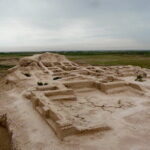
Ayazkala is the heart of this trip for many people, and the name alone sets expectations. Ayazkala is associated with a Severe Frost Fortress idea, and the explanation is that the winter cold of the steppe is intense enough that you understand the nickname only when you’re there in proper cold season.
This fortress is described as one of the more important oasis fortresses, built in three parts. You’re also told how the design fits the geography: fortresses were constructed around the perimeter of oasis borders to help protect against raids by nomads from the north. In other words, Ayazkala isn’t just a structure. It’s part of the logic of living in an oasis.
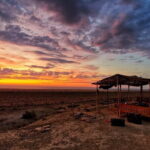
What you’ll likely feel on-site is the remoteness. This is not a quick photo stop in an urban setting. You’ll have time to sense the distance and the open space around the fortress. That’s where the fortress concept clicks.
The one thing to watch: walking and climb difficulty
Ayazkala may involve walking across rough ground and reaching higher parts. Some visitors have described the climb as challenging and not super reassuring in terms of footing. So if you have balance issues, bring extra care and take your time on steep or uneven sections.
This is why you should show up with the right gear:
- Comfortable shoes with grip
- Sun hat and sunglasses
- Comfortable clothes that handle dust and sun
If it’s hot, you’ll appreciate shaded breaks when you can. If it’s cold, you’ll understand why the name exists in the first place.
Driver vs guide: how to get the most from the day
Here’s the honest deal: this tour includes a driver (English and Russian), but it does not include a separate guide. That’s why the experience can feel either very satisfying or slightly flat depending on your expectations.
If you want a narrative lecture—what each fortress means, who lived there, how the finds changed the historical picture—this setup might leave you wishing for more. One of the most common frustrations is simply not knowing the history behind what you’re standing in front of.
Your best workaround is simple:
- Read up before you go, even briefly, so key facts aren’t new when you arrive.
- Use translation tools if needed.
- Ask your driver to explain what they can as you move between stops (they may not have full historical detail, but even basic orientation helps).
Also, don’t assume your driver will speak English fluently. The tour lists English and Russian as available languages, and in real life you may get one more than the other depending on staffing.
To be fair, drivers can still make the day smoother through timing, safe driving, and practical directions. But if you’re the type who likes deep context, you’ll want to plan for it.
Price and value: is $90 per group a good deal?
The price is $90 per group up to 3, and the included items are a big part of the value story:
- Round-trip A/C vehicle
- All fees and taxes
- Skip-the-ticket-line access (listed as part of the experience)
What’s not included is the part travelers sometimes forget to budget for: entrance tickets, generally around $1–2 per monument per person.
So what does that mean for you? If you travel solo, you’ll pay the full group price, which can feel steep for a short outing. But if you can bring a friend and keep it to the full group size, the cost drops to a much friendlier per-person number. The short duration also helps—this isn’t an all-day logistical gamble. It’s a focused run.
I think it’s especially good value if:
- You have only one or two extra hours beyond Khiva’s highlights
- You want “out of town” variety without figuring out transport on your own
- You’re okay learning with a mix of signage, your own reading, and quick explanations
Practical tips so the day stays comfortable
This tour stays fairly simple, but the fortresses will test your basics: walking, sun, and uneven ground.
Before pickup, pack:
- Comfortable shoes (don’t rely on flip-flops)
- Sunglasses and a sun hat
- Comfortable clothes that can handle wind and dust
On the ground:
- Take it slow at higher sections, especially at Ayazkala
- Use shade when you can; the steppe sun can be relentless
- Bring water if you normally do on day trips (the tour details don’t list it, so you should plan your own)
Accessibility note: the activity is listed as wheelchair accessible, and pickup/drop-off is flexible. If you rely on a wheelchair, it’s worth confirming how the route between the vehicle and fortress areas works in practice when you book.
Who should book this tour, and who might pass
This tour is a strong fit for you if you:
- Want fortresses outside Khiva’s walls in a single half-day
- Enjoy archaeology-style sites where you can see how defense and settlement planning connected
- Are traveling with up to two friends and can use the private group price effectively
You might skip it if:
- You specifically want a guide to explain history in depth as you go
- You dislike uneven footing or steep climbs and don’t want to manage that yourself
The sweet spot is travelers who like independent learning. Bring some curiosity, pace yourself for walking at Ayazkala, and you’ll get a day that feels more like exploring a system of fortresses than ticking off three random ruins.
Should you book the Ayazkala, Toprakkala & Kizilkala Fortress Tour from Khiva?
I’d book it if you want a memorable contrast to Ichan Kala, and you’re okay with the “driver-led” style of interpretation. The fortress ideas are genuinely worth your time—Toprakkala for early capital evidence, Kizilkala as the garrison-defense flavor, and Ayazkala for perimeter fortress remoteness.
But if you’re the kind of traveler who expects a knowledgeable guide to walk you through the meaning of every mound and find, you’ll likely feel underfed with only a driver. In that case, you could still take the tour, but treat it like a self-guided day with just enough guidance to stay oriented.
If you’re traveling in a pair or trio, it also becomes a smart-value move at $90 per group up to 3—especially with A/C transport and skip-the-line convenience.
FAQ
Where does the tour pickup start in Khiva?
Pickup is at Ata darwaza (West gates) in Ichan Kala. Hotel pickup in Ichan Kala/Khiva is also allowed.
Can I choose a different pickup/drop-off point besides Khiva?
Yes. You can choose Urgench airport or Urgench railway station for pickup/drop-off instead of Khiva.
How long is the tour?
The tour duration is 5 hours.
Is this a private tour?
Yes. It’s listed as a private group with up to 3 people per group.
What is included in the price?
Included items are round-trip A/C vehicle and all fees and taxes.
Are entrance tickets included?
No. Entrance tickets are not included and are listed as about $1–2 per monument per person.
Do I get a guide on the tour?
No. A guide is not included. The tour includes a driver.
What languages does the driver speak?
The driver is listed as speaking English and Russian.
What should I bring for the fortress visits?
Bring comfortable shoes, sunglasses, a sun hat, and comfortable clothes.
Is the tour wheelchair accessible?
Yes, the activity is listed as wheelchair accessible.