REVIEW · KHIVA
Aral Sea Adventures (2 day)
Book on Viator →Operated by Oxus Travel · Bookable on Viator
Aral Sea feels like another planet, and this two-day trip delivers it fast. I love the way the route mixes Karakalpakstan culture with the environmental story of the Aral Sea, not just drive-by photos. Early starts and long roads are part of the deal, but the payoff is real.
Two things I especially liked: the smooth desert driving in a sedan plus a 4×4, and the tight stop plan that still gives you time to look closely at each site. The main drawback is the pacing: about 1,000 km in two days, so you’ll spend a lot of time in the car and you should be ready for early mornings.
In This Review
- Key highlights to expect
- Why the Aral Sea works as a 2-day hit from Khiva
- The 6:00 am start: cars, comfort, and what the timing really means
- Chilpiq (Shilpiq) Qala: a 2,200-year-old Zoroastrian monument, roofless and strange
- Nukus and the I.V. Savitsky Art Museum: why you don’t skip this stop
- Ustyurt Canyons along the way: the drive that becomes a highlight
- Muynak Regional Studies Museum and the Aral Sea story in human terms
- Ships Cemetery in Muynak: the photo you came for, but don’t rush it
- Mizdakhan Necropolis: ancient cemetery next to fortress remains
- Yurt camp night: simple, friendly, and worth planning for
- Price and value: what USD 699 per group really buys
- Who should book this Aral Sea adventure (and who should think twice)
- My take: book it if you want meaning, not just distance
- FAQ
- How much does Aral Sea Adventures cost?
- How long is the tour?
- Where do we meet, and when does the tour start?
- Is hotel pickup and drop-off included?
- What does the tour price include?
- Are meals included?
- Do I need to pay entrance fees for museums and monuments?
- Is the tour private?
- Do I need a certain fitness level or age?
- What if the weather is bad?
Key highlights to expect
- Private group up to 3 with hotel pickup and drop-off
- ~1,000 km covered by sedan and 4×4 for desert conditions
- Chilpiq (Shilpiq) Qala, a roofless Zoroastrian monument older than 2,200 years
- Nukus stop at the I.V. Savitsky Art Museum (ticket extra)
- Muynak highlights: Aral Sea Museum plus the Ships Cemetery
- Optional yurt camp night with dinner and breakfast (ticket not included in base price)
Why the Aral Sea works as a 2-day hit from Khiva
If you only have a short window, this is one of the more sensible ways to reach the Aral Sea area from Khiva. You’re not waiting around for days of transport logistics. Instead, you get a concentrated route through western Uzbekistan that ties together monuments, art, and what happened to this region as the Aral shrank.
It also helps that you’re traveling in a private setup: you’re not juggling crowds, quick shuffles, and late starts. On this kind of route, that matters. When the scenery changes quickly—from city streets to desert canyons to Muynak’s eerie remains—you want time to actually watch it happen.
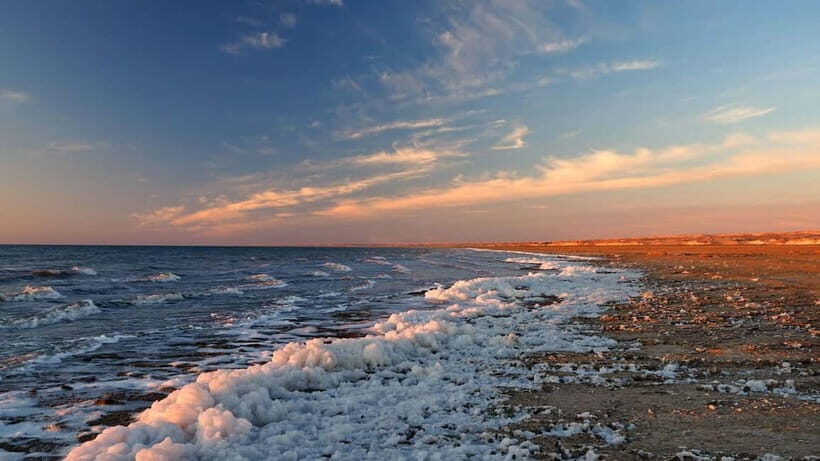
The other “why” is emotional and practical. The Aral Sea shore has a strong sense of absence. Seeing the ships where you expect water turns your brain on in a way that museum labels alone can’t do. And because you’re visiting key sites in a tight loop, you leave with a clearer picture of the region rather than scattered impressions.
A few more Khiva tours and experiences worth a look
The 6:00 am start: cars, comfort, and what the timing really means
Your tour begins at the Ichan Kala west gate meeting point around 6:00 am. From there, you’ll move as a group between sites with hotel pick-up and drop-off included, and the transport is air-conditioned.
Expect two vehicles during the trip: one sedan and one 4×4. That split isn’t just for show. It’s a practical choice for desert conditions and long stretches where comfort, traction, and driver confidence all count. The tour also specifies experienced drivers who handle desert driving smoothly, which you’ll feel if you’ve ever been on long roadside transfers in rougher terrain.
You’ll also get audio guide materials, which is a big help on a route where context is everything. If you want to understand what you’re seeing—especially around ecological change—you’ll get more from the stops than if you wander in cold.
One more practical note: the journey is long. With about 1,000 km driven across two days, you should plan your energy like a road trip, not a city hop. Bring patience. Pack small comforts. And decide ahead of time whether you prefer to sit quietly and watch the desert go by, or if you’ll want short breaks whenever you can.
Chilpiq (Shilpiq) Qala: a 2,200-year-old Zoroastrian monument, roofless and strange
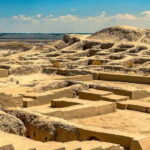
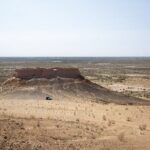
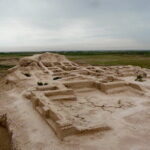
One of the first stops is Chilpiq (Shilpiq) qala, a Zoroastrian ancient monument known as a dakhma. The site is described as being more than 2,200 years old, and it’s easy to understand why it sparks curiosity. It’s a round, roofless tower, about 15 meters high with a diameter around 65 meters.
This is the kind of place that works best when you slow down. Even with a shorter visit window (about 30 minutes), you can still notice the scale. In a region where many people are focused on the dramatic Aral Sea parts, this stop adds depth by showing you the older spiritual layer of Karakalpakstan.
Admission isn’t included for this stop, so budget for it separately. Also, since this is outdoors, it’s the sort of visit where weather matters more than at a museum. If it’s cold, windy, or bright, you’ll feel it fast—so plan accordingly.
Nukus and the I.V. Savitsky Art Museum: why you don’t skip this stop
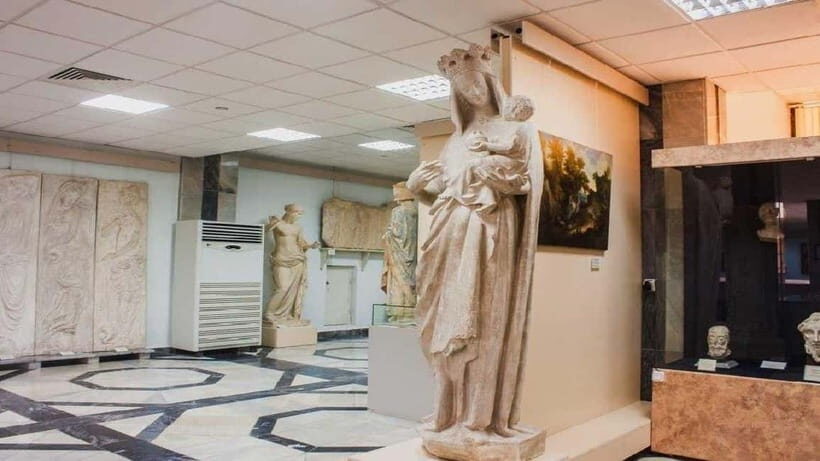
On Day 1, you’ll visit the State Museum of Arts of the Republic of Karakalpakstan named after I.V. Savitsky in Nukus. The visit time is about one hour, and the entrance ticket is listed as USD 7 per person (not included in the tour price).
This is more than a checkbox museum. For many first-time visitors, Nukus is where the trip starts to feel different from typical desert tourism. You get a window into the cultural side of the region—art collected, preserved, and displayed in a place far from the usual museum circuits.
What I like about placing this stop here is pacing. After moving through the wider desert region, the museum provides a controlled space with context. If you’re the kind of traveler who likes your sites connected by story, this helps the Aral Sea portion feel less random. The audio materials can also make the viewing time more purposeful.
A practical downside: since it’s ticketed and not included, you’ll want to have that money ready. And one hour is enough to get the main ideas, but not enough to become a full-time art critic. Keep expectations matched to the schedule.
Ustyurt Canyons along the way: the drive that becomes a highlight
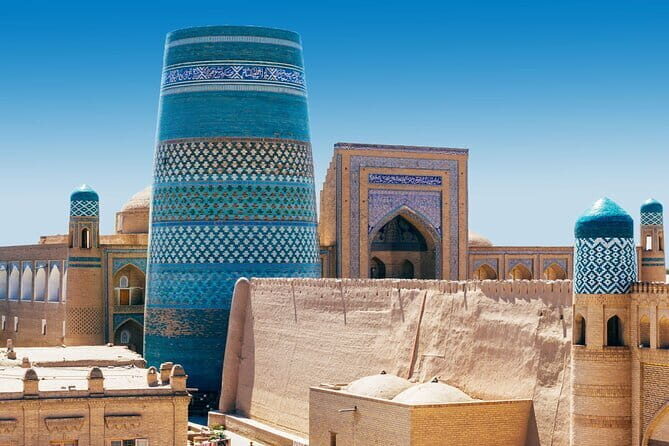
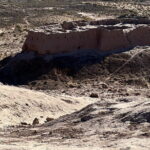
The trip includes Ustyurt Canyons as part of the route. While the exact timing isn’t spelled out in the provided details, the key idea is clear: the driving days aren’t just transport. You’re passing through one of those vast, dramatic regions that makes the long-distance transfer feel earned.
This is where your car time turns into the experience. Even if you’re tired from early mornings, the canyon scenery tends to snap you back into attention mode. And because you’re traveling privately, you’re more likely to pause when the moment calls for it, instead of racing through everything just to keep up with a bigger group.
If you dislike road travel, you’ll still feel the days are long. But if you’re the type who enjoys scenery from the window, this route does enough to justify the mileage.
Muynak Regional Studies Museum and the Aral Sea story in human terms
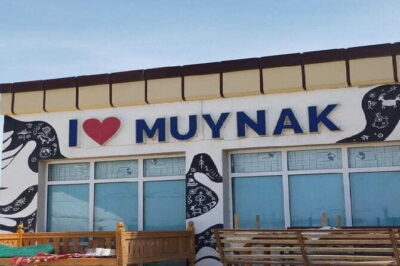
Day 2 begins with a stop at the Regional History and Aral Sea Museum (also known as the Muynak Regional Studies Museum or Ecological Museum of Muynak). The visit is about 30 minutes, and the entrance ticket is USD 3 per person (not included).
This museum is modest by major-city standards, but that’s not a flaw—it often makes the story feel more direct. For the Aral Sea area, the key is understanding how the change affected everyday life, not just the geography. A short, focused museum visit gives you a grounding before you move to the most visually shocking site.
The advantage of keeping this early in the day is that it “loads the meaning” into your eyes. When you then reach Muynak’s ship remains, you won’t just see rust and distance—you’ll have a framework for what that distance represents.
Ships Cemetery in Muynak: the photo you came for, but don’t rush it
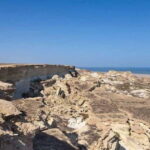
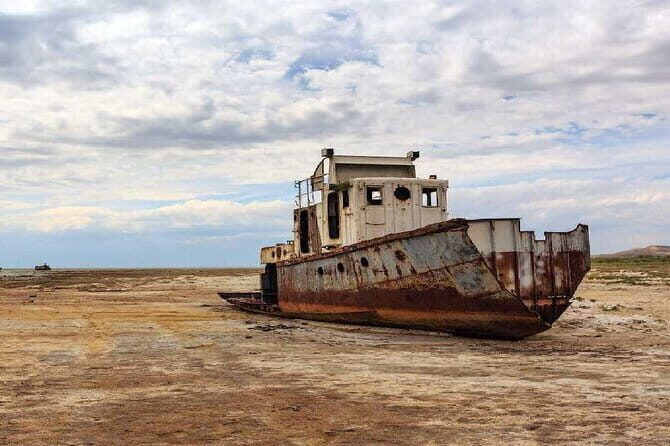
Next stop is the Ships Cemetery in Muynak (Moynoq / Mojnak). This is about a one-hour visit, and admission is listed as free.
Muynak once was the largest port on the Aral Sea, a place where a significant part of the catch was processed and canned. Over time, as the Aral shrank, the ships ended up left behind—sitting where you’d never expect to find them.
This is where the trip earns its reputation for feeling otherworldly. The Ships Cemetery isn’t just a spectacle. It’s a visual reminder of scale: how quickly a region’s economic and geographic map can shift, leaving objects behind in unexpected places.
Why I recommend not rushing: the longer you look, the more you start noticing details that help you imagine the port life that used to exist here. One hour is enough to walk, pause, take photos, and look like you actually have questions.
Mizdakhan Necropolis: ancient cemetery next to fortress remains
You’ll also visit Mizdakhan Necropolis, an ancient cemetery located next to the remains of the Gyaur-Kala fortress. The stop lasts about 30 minutes, and it’s listed as free.
The information provided describes it as one of the oldest and most visited pilgrimage sites of Karakalpakstan. Even with a short visit window, this place gives the trip a different texture. You’re not only dealing with modern environmental change; you’re also stepping into a long human timeline.
This is a good stop if you like sites that feel grounded—less curated, more open air. It’s also a nice counterpoint to the heavy story at the ship cemetery. The overall trip becomes more balanced when it includes both the “loss” narrative of the Aral and the ongoing cultural heritage of the region.
Yurt camp night: simple, friendly, and worth planning for
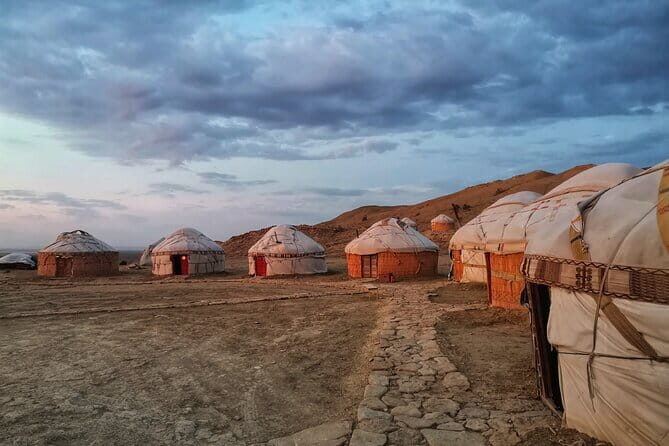
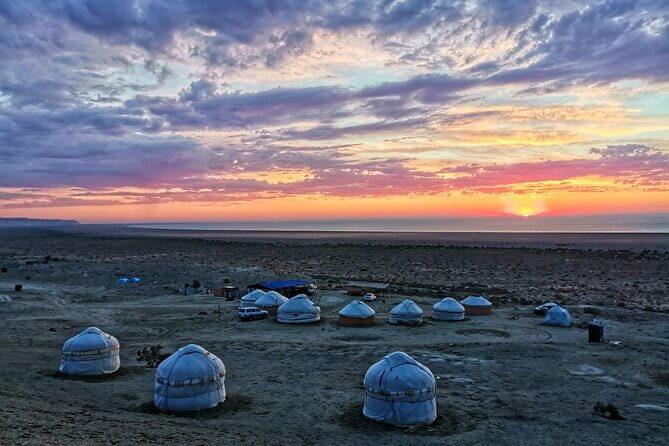
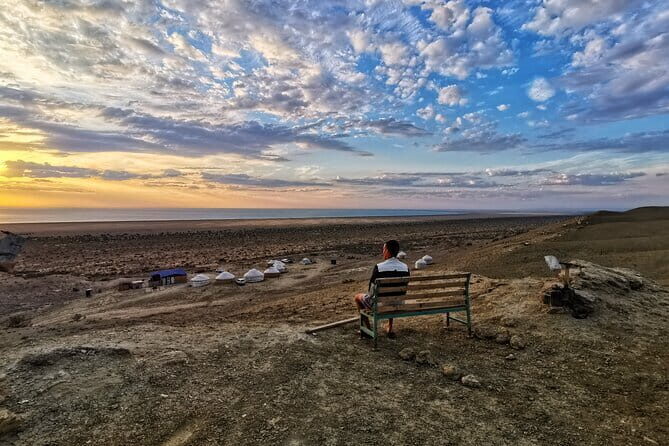
The yurt camp experience is an important piece of the Aral Sea feel. Accommodation at the yurt camp costs USD 40 per person, and that price includes dinner and breakfast.
In terms of what the night tends to feel like, I’d describe it as welcoming and straightforward. The food at the camp is said to be enjoyable, and the campsite is described as well run. There’s also a clear social warmth from hosts—this is one of those places where you’re reminded you’re far from the usual tourist infrastructure, and that people are doing their best to make you comfortable.
Here’s a practical note: dinner is included only if you choose the yurt camp option. The tour’s listed inclusions say lunch and dinner aren’t included in the base price. So if you skip the yurt camp, plan on arranging your meals separately.
One small consideration: if you want entertainment after dinner beyond chatting and relaxing, you might find it a bit quiet. It’s not a resort vibe. It’s more like a meaningful pause in the middle of a long journey.
Also, wake-up timing matters. The early departure schedule sets you up for sunrise chances over the Aral area. If weather cooperates, that first light can make the whole Aral Sea experience hit harder.
Price and value: what USD 699 per group really buys
The price is USD 699 per group (up to 3 people). Because it’s a private tour, the price doesn’t drop just because you travel solo. But it can become quite reasonable when you split with friends or family.
Here’s the value math in plain terms:
- Transport and basics included: air-conditioned vehicle, private transportation, audio guide materials, and hotel pick up and drop off.
- Not included: lunch and dinner (unless you handle meals yourself), plus entrance tickets for some key stops.
- Extra costs you should expect:
- Savitsky Museum entrance at USD 7 per person
- Aral Sea Museum entrance at USD 3 per person
- Yurt camp accommodation at USD 40 per person (includes dinner and breakfast)
If you travel with two other people, the base transport cost per person becomes about $233. Add the known museum and yurt costs and you’ll still be in a mid-range adventure bracket for a two-day private desert itinerary with a real overnight. If you travel just one person, you’re paying more per head, so it only feels like a great deal if you value privacy and time efficiency.
For me, this works best if you want the main Aral Sea sites without sacrificing a day to slow logistics. If you’re more interested in spending days in the region at a relaxed pace, you may want a longer itinerary instead.
Who should book this Aral Sea adventure (and who should think twice)
This is a strong fit if:
- You want a short, focused route to the Aral Sea from Khiva.
- You like road trips where the drive is part of the payoff.
- You’re interested in both environmental impact and cultural context—art in Nukus, monuments in the desert, and Muynak’s remains.
It’s less ideal if:
- You hate long days in a vehicle. The route is about 1,000 km in two days.
- You want a lot of downtime after meals. The rhythm is early starts and scheduled stops.
- Your plan depends on flexible weather. The experience explicitly requires good weather.
One more suitability point: the tour asks for moderate physical fitness and sets a minimum age of 15. That doesn’t mean it’s extreme hiking, but it does signal you’ll walk some and spend time outdoors.
My take: book it if you want meaning, not just distance
Should you book? I’d say yes if you’re drawn to the Aral Sea story and you want it in a structured, time-efficient way. This itinerary doesn’t try to be everything. It targets the places that explain the transformation of the region, then gives you an overnight in a yurt camp so the experience lingers beyond the day drive.
If your dream travel day is short, slow, and low-stress, this won’t match. But if you’re okay with early mornings, a lot of driving, and sites that feel real rather than staged, this is a memorable two-day window into a part of Uzbekistan most people rush through—or skip entirely.
And one nice touch: you may be guided by local contact Olimjon, who is known for smooth communication and for helping with extra context around Khiva before the Aral portion starts. That kind of human support matters on routes like this.
FAQ
How much does Aral Sea Adventures cost?
It costs USD 699 per group for up to 3 people.
How long is the tour?
The duration is 2 days (approx.), and transportation time is included.
Where do we meet, and when does the tour start?
The meeting point is Ichan Kala west gate (99H4+CRQ), Khiva, Xorazm Region, and the start time is 6:00 am.
Is hotel pickup and drop-off included?
Yes. Hotel pick up and drop off are included.
What does the tour price include?
Included features are air-conditioned vehicle, private transportation, audio guide materials, and hotel pick up and drop off.
Are meals included?
Lunch and dinner are not included in the base tour. If you add the yurt camp accommodation, that option includes dinner and breakfast.
Do I need to pay entrance fees for museums and monuments?
Some entrances are extra: Savitsky Museum is USD 7 per person, and the Aral Sea Museum is USD 3 per person. Ships Cemetery and Mizdakhan Necropolis are listed as free. Chilpiq admission is not included.
Is the tour private?
Yes. It’s a private tour/activity, and only your group participates.
Do I need a certain fitness level or age?
You should have a moderate physical fitness level, and the minimum age is 15.
What if the weather is bad?
The experience requires good weather. If it’s canceled due to poor weather, you’ll be offered a different date or a full refund.