REVIEW · KHIVA
Kunya Urgench Day Tour from Uzbekistan
Book on GetYourGuide →Operated by Asli Travel · Bookable on GetYourGuide
Crossing two borders for ruined cities is intense. In one day you get Kunya Urgench and its pre-Mongol monuments, plus a guided border push through the tightly run process that Turkmenistan requires. I love that the sightseeing loop actually connects the big landmarks in a sensible order, and I also like that the package includes an English-speaking escort and visa support so you are not stuck doing paperwork at the last minute. The drawback: this is a schedule-heavy day, and border clearance delays can quietly eat into your on-site time.
Start from Urgench or Khiva, then ride with an A/C vehicle for the drive to the Shavat checkpoint and across into Turkmenistan. You should expect about a 1.5-hour drive each way to reach Kunya Urgench, with a focused guided visit to the caravansaray, minarets, and the Academy of Horezm. Highlights you will likely recognize fast include the Mamun Minaret area and the clusters of mausoleums that mark the site.
In This Review
- Key things to know before you go
- Kunya Urgench: why these pre-Mongol monuments still hit
- Shavat checkpoint and the reality of a one-day border day
- The guided monument route: what each stop is really for
- Caravansaray: trade routes made brick
- Mamun Minaret: the landmark you build a day around
- Arslan II Mausoleum: memorial architecture
- Sultan Takash Mausoleum: power made permanent
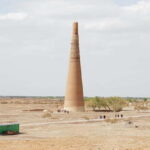
- Kutlug Timur Minaret: the skyline logic
- Turabek Hanum Minaret: names that anchor the story
- Academy of Horezm: where learning meets ruins
- Time management and the 1-day tradeoff you can’t ignore
- Turkmenistan rules you should know before the monuments
- Price and value: what $270 covers, and what it doesn’t
- Comfort, food, and the small things that decide your mood
- Who this tour is best for, and who should rethink it
- Should you book this Kunya Urgench day tour?
- FAQ
- FAQ
- How long is the Kunya Urgench day tour?
- Where does pickup happen?
- Are the guide and tour languages English or Russian?
- Is the Turkmenistan visa cost included in the $270 price?
- Are meals included during the day tour?
- Is there any help for monument entry lines?
Key things to know before you go
- Border timing can make or break the day: clearance at Shavat can vary, so plan for a tighter site visit window.
- You are paying for coordination, not just sightseeing: escort, visa support, and an A/C vehicle are built into the package.
- Entrance fees are not included: you will want cash or a card ready for monument access.
- Meals are not included: this matters because the day can feel long between checkpoints and sites.
- Bring practical walking gear: comfortable shoes are essential on uneven ground at a ruin complex.
- Turkmen rules are strict: unaccompanied travel is forbidden, smoking is regulated, and photos of people in uniform are not recommended.
Kunya Urgench: why these pre-Mongol monuments still hit
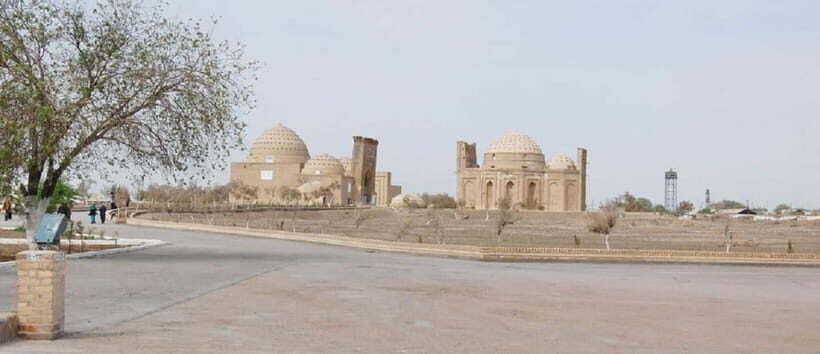
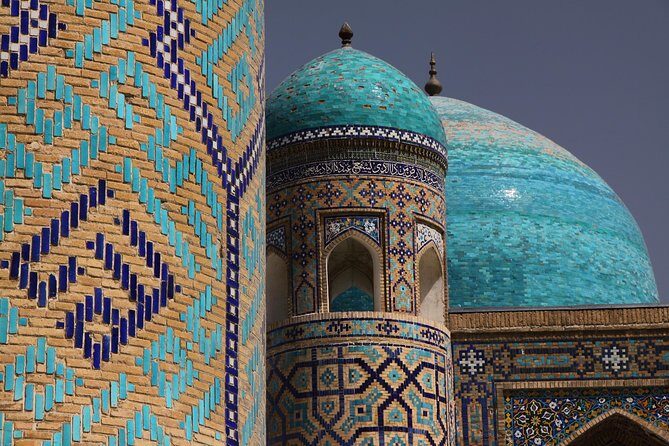
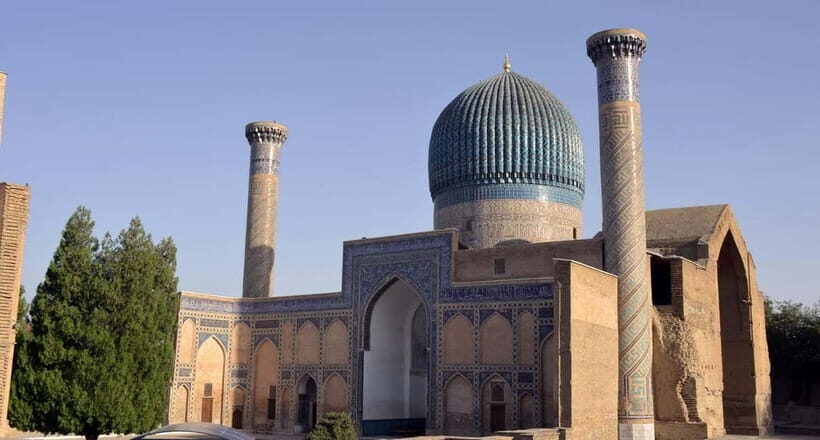
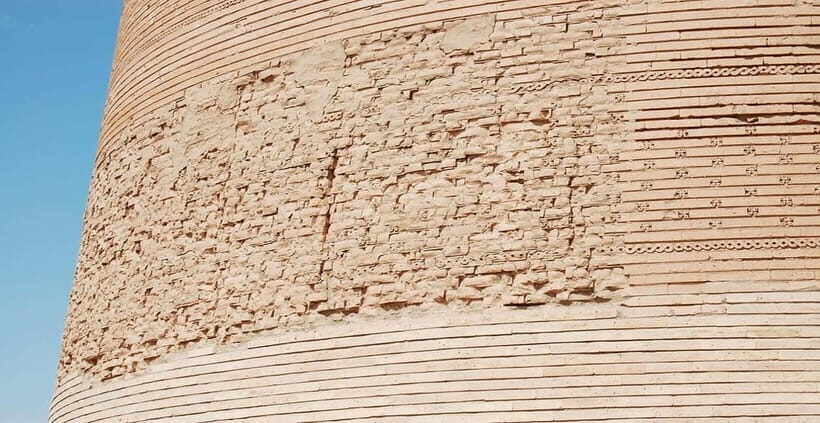
Kunya Urgench sits in the Khorazm Region, and it has that rare quality of feeling ancient without needing special effects. This was one of the most important cities in Central Asia, later shattered during the Mongol invasion, leaving behind a skyline of brickwork, minarets, and mausoleums that still looks deliberate, not random.
What I like about the site is that the architecture tells a story in layers. Even if you know nothing about the names on the monuments, you can still feel the design logic: minarets as anchors, mausoleums as memorial centers, and caravan infrastructure as proof that trade was the lifeblood of the city.
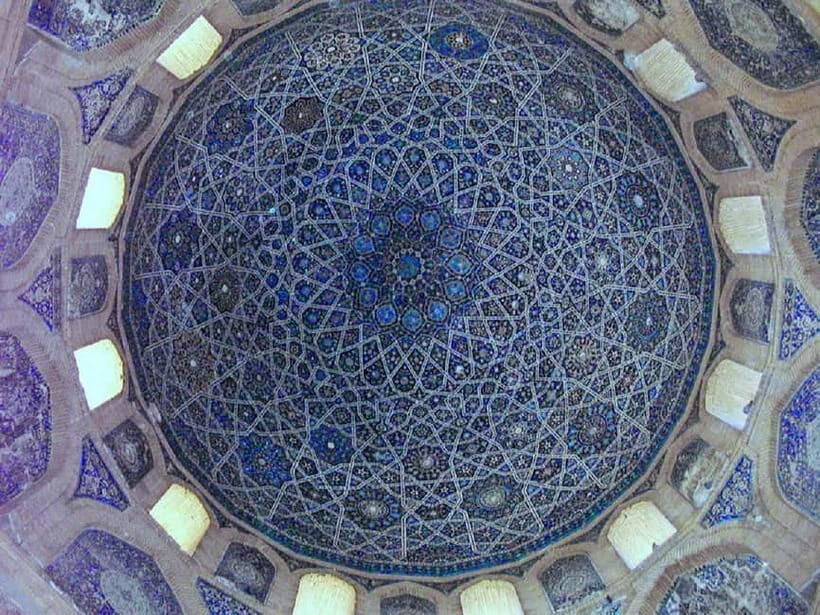
This is also where the tour’s “pre-Mongolian architecture” promise becomes real. Instead of big modern reconstructions, you are seeing the surviving forms that define the old urban style of the region. It is the kind of place where the details matter: tile patterns, proportion, and how structures sit together across the ruins.
And yes, it can be emotional in a quiet way. You are looking at remains of a place that was once powerful, now reduced to a ceremonial footprint. A guided explanation helps, because otherwise the monuments can look like separate photo stops.
You can also read our reviews of more tours and experiences in Khiva.
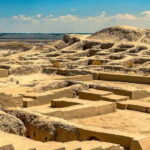
Shavat checkpoint and the reality of a one-day border day
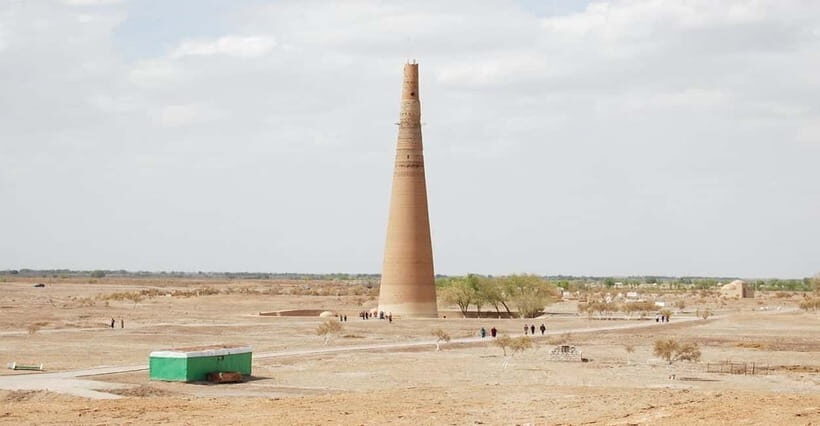
Your day starts with pickup from your hotel/railway station/airport in either Urgench or Khiva. Then you head toward the Turkmenistan border checkpoint at Shavat, crossing with your escort and guide support. After that comes the drive to Kunya Urgench (about 1.5 hours), then the sightseeing block, then the return in the afternoon and another border crossing back into Uzbekistan.
That route is efficient on paper. In practice, the border is the wildcard. One day can run smoothly; another day can turn into waiting. If you are the type who hates uncertainty, you will feel it here.
So go in with the right mindset. You are not only visiting monuments. You are also navigating a closed-country style system where unaccompanied travel is not allowed. That is why the package includes a driver and guide and why visa support is part of the service.
A practical tip: build your own buffer. Even when the tour says it is a 1-day plan, your realistic goal should be seeing the main monuments and absorbing the atmosphere, not expecting a perfectly paced timeline. If you are traveling with anyone who gets anxious by delays, mention that early to your guide and driver.
Also, note the tour includes a feature that can save minutes: skip the ticket line. That helps, but it cannot fix border clearance issues. Think of it as time saved at the site, not a guarantee of a full schedule.
The guided monument route: what each stop is really for
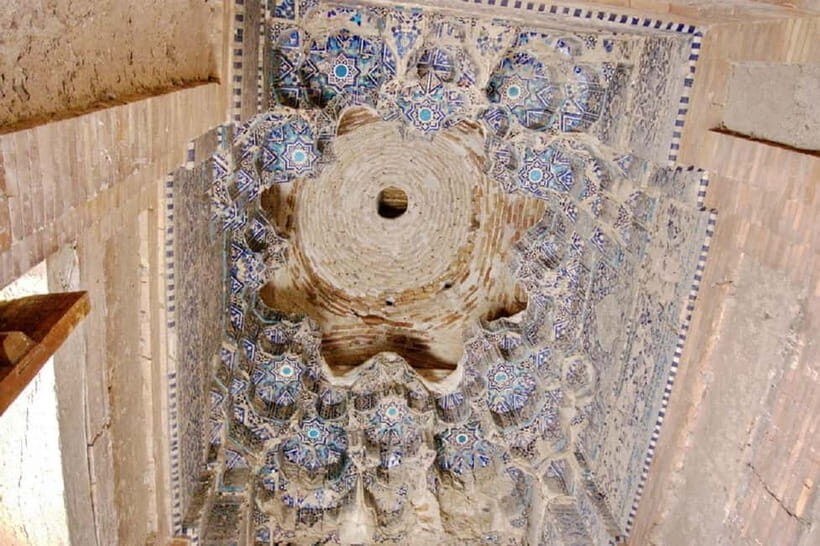
The sightseeing list is where the tour becomes concrete. You are not wandering randomly through the ruins. The route is organized around the main monuments and a learning stop at the Academy of Horezm.
Here is what to look for, and why it matters:
Caravansaray: trade routes made brick
The caravansaray stop is a reminder that Kunya Urgench was not only ceremonial. It was also logistical: caravans needed space, security, and predictable infrastructure. When you stand near the remnants, you get a stronger understanding of why the city mattered economically as well as politically.
If you enjoy travel that connects architecture to daily life, this is a helpful start point. It frames the rest of the monuments as part of a working city, not just a museum.
Mamun Minaret: the landmark you build a day around
Minarets are built to be seen from far away, and the Mamun Minaret area fits that role. Even when you are not an architecture expert, the scale and placement makes it easy to understand why minarets were status signals.
A good guide moment here is linking the minaret to the wider skyline of the city. If the timing is tight, you still want to spend a couple of minutes looking at the overall siting, not only the close-up details.
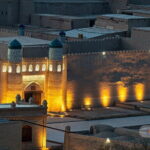
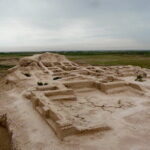
Arslan II Mausoleum: memorial architecture
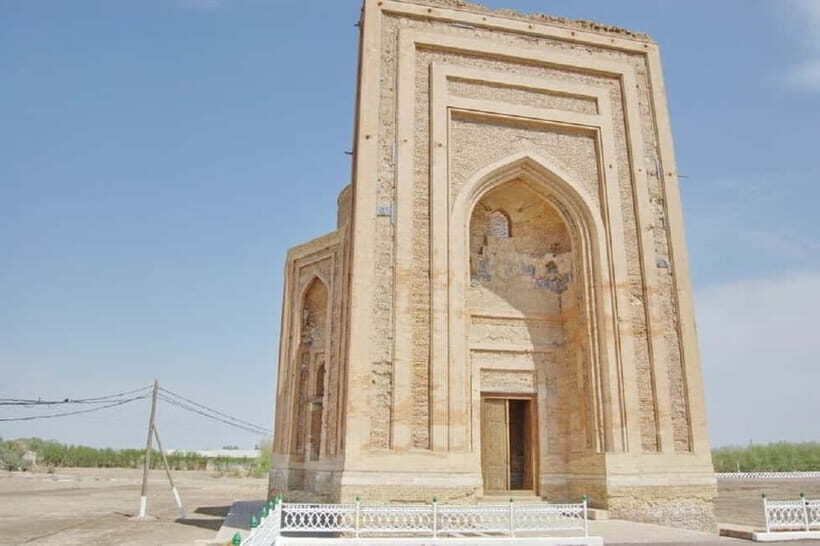
Mausoleums are where the design gets personal. This is the kind of monument that rewards you if you slow down. You are looking at the city’s way of saying this person (or lineage) mattered enough for lasting stone-and-brick work.
If you are used to modern cemeteries, remember this is different. It is memorial architecture meant to project continuity and legitimacy.
Sultan Takash Mausoleum: power made permanent
Another mausoleum stop, another chance to see how the site used form and massing to communicate authority. Even within the ruins, you can often spot repeating themes: symmetry, planned entrances, and how visitors would have approached from the surrounding city.
If you like to understand travel sites as systems, this stop fits well. It tells you how power was displayed in physical space.
Kutlug Timur Minaret: the skyline logic
A second minaret in the route gives you contrast. You can compare how different minarets relate to their surrounding structures and how the city’s ceremonial geography might have worked.
This is one reason I’m glad the tour is guided: without narration, you might treat each monument as a standalone “cool thing.” With a guide, it can feel like an argument the city is making about itself.
Turabek Hanum Minaret: names that anchor the story
This minaret stop adds a human layer through naming. Even if you only catch part of the explanation, the idea is the same: the monuments are not anonymous. They are tied to specific figures and eras, giving you a way to keep track of time while everything else is rubble.
When your schedule is rushed, naming matters. It helps your brain sort what you are seeing.
Academy of Horezm: where learning meets ruins
This is the one stop that shifts the day from sightseeing-only into context. The Academy of Horezm visit helps you understand how scholarship and urban life connected to the architectural legacy you are looking at.
I like this kind of add-on because it turns photos into comprehension. You do not have to leave with a textbook in your head—you just want to leave with better questions, and this stop can spark them.
Time management and the 1-day tradeoff you can’t ignore
The day has a simple structure: pickup → border crossing at Shavat → about 1.5 hours to Kunya Urgench → guided monument tour → afternoon drive back → border crossing → transfer back to Urgench or Khiva.
That seems reasonable until one part stretches. Border clearance can slow down. Site logistics can cause waiting. And the day’s design means you cannot “make up time” later.
So here’s the deal: this is a tour for people who mainly want the big monuments and the guided context, not a relaxed all-day wandering trip. If you expect long bathroom breaks, lots of free time, or a slow pace, you might end up frustrated.
Also consider the building access side. Some days, access can move slowly if paperwork or entry permissions get complicated. If you are sensitive to delays, keep your expectations flexible. Your best strategy is to aim for one thing: enjoy the architecture you do get time for, and let the rest be a bonus.
And bring a little patience. A day like this is an exercise in moving through checkpoints and rules, not just moving through ruins.
Turkmenistan rules you should know before the monuments
Turkmenistan is described as very closed, and the rules here are not casual. The tour includes a driver and guide for a reason: traveling unaccompanied is forbidden.
You also need to respect the conduct rules:
- Smoking is prohibited, and bringing more than 1 pack of cigarettes is not allowed.
- Photographing people in uniform is not recommended.
These rules can shape how smooth your day feels. If you ignore them, you can create issues that steal time from what you came to see. The smart move is simple: follow the rules without debate and keep your camera habits polite.
One more practical point: the tour info notes they are not responsible for weather conditions. Since you are walking among ruins, bring clothes that handle sun and shade. You will be happier if you treat this like a real field day, not a casual stroll.
Price and value: what $270 covers, and what it doesn’t
At $270 per person for a 1-day private group, the price is not just about driving. It includes several elements that can be hard to arrange on your own: visa support (state registration and travel pass), an English-speaking escort guide service, an A/C vehicle, and travel tax.
That said, the total cost can climb quickly because major items are not included. Plan for:
- Turkmenistan visa with border fees (70–100 USD)
- PCR test (35–40 USD)
- Entrance fees to monuments
- Meals (lunch and dinner are not included)
- Medical insurance (not included)
- Photo and video payments (not included)
- Personal expenses
Here’s how I think about value. If you want the easiest path through a complicated border day—with escort, visa help, and an organized monument route—the price can feel fair. If you already have your documents nailed down, or you are comfortable managing border logistics yourself, you might see it as expensive for a single day.
But you should also consider the time cost. Even with skip-the-line help, delays happen at borders. The “value” of this tour is highest when the day runs smoothly and your guide keeps the schedule moving. When timing breaks, the tour can feel less like a sightseeing win and more like a logistics test.
Comfort, food, and the small things that decide your mood
Comfort is not a luxury on this kind of day. You’ll be in an A/C vehicle for long enough that you should dress for it, and you’ll still need walking shoes for the monuments. Comfortable clothes are worth it because you might be outdoors for parts of the day.
Meals are not included, so you should plan to eat before the tour start or budget for food during the day if your schedule allows. Without that, you can end up hungry and grumpy, and that can make ruins feel less inspiring.
Bathrooms are another practical reality. The tour details do not promise bathroom breaks, so assume you may have limited opportunities. Bring a water bottle when possible and plan what you can control: timing your snacks, keeping essentials close, and asking your guide early about the closest chance to stop.
One more comfort note: if you get carsick or dislike fast driving, tell your driver at pickup. The tour includes a vehicle, but the driving style can vary day to day.
Who this tour is best for, and who should rethink it
This experience is a good fit if you:
- Want a guided look at Kunya Urgench with a clear monument circuit.
- Prefer to handle border and visa support through a structured service.
- Like architecture-focused travel where minarets and mausoleums are the main event.
It might be a poor fit if you:
- Need a relaxed schedule with lots of buffer time for delays.
- Get stressed by border logistics or uncertain timing.
- Want a slow pace with frequent stops built into the plan.
- Are very sensitive to tone or how Q&A-style explanations feel during a tour. If you prefer quiet viewing, set expectations early.
If you are combining Urgench and Khiva anyway, this day trip can make sense because it lets you add the pre-Mongol monuments without trying to stitch together multiple cross-border steps alone.
Should you book this Kunya Urgench day tour?
I’d book it if your main goal is clear: see Kunya Urgench’s key monuments with an escort, keep the border chaos managed, and focus on the architecture and context. The package structure—pickup, A/C transport, visa support, and a guided circuit—can be genuinely useful for a closed-country day.
I would hesitate if you are extremely time-sensitive, dislike uncertainty, or cannot tolerate schedule compression caused by clearance delays. In a one-day format, even small slowdowns can reduce the time you get at the most important spots.
If you do book, do yourself a favor: confirm the day’s key timing points with your operator before you leave, especially around the border crossing plan. And show up ready for rules, walking, and a tight flow. When it goes well, this is one of those rare chances to connect big pre-Mongol architecture with the human reality of border travel.
FAQ
FAQ
How long is the Kunya Urgench day tour?
It runs for 1 day.
Where does pickup happen?
Pickup is included from your hotel, railway station, or airport in Urgench or Khiva.
Are the guide and tour languages English or Russian?
Yes. The live tour guide is available in English and Russian.
Is the Turkmenistan visa cost included in the $270 price?
No. The Turkmen visa with border fees (70–100 USD) is not included.
Are meals included during the day tour?
No. Lunch and dinner are not included.
Is there any help for monument entry lines?
Yes. The tour includes a skip-the-ticket-line benefit. Entrance fees to monuments are still not included.