Khiva works best on foot.
This private walking tour through Itchan Kala (Khiva’s UNESCO walled old town) is the kind of experience that turns monuments into stories, with an English guide from Khiva, Sarvarbek/Sarvar Bobojonov, who explains what you’re seeing in plain terms. I especially like the photo-focused stops and the chance to try wood carving yourself, not just watch. One thing to plan for: museum/palace entry tickets aren’t included, so you’ll want to budget a bit extra.
I also like the way the route is built around the city’s big landmarks. You start at the West Gate, then move through minarets, madrasahs, the fortress, and mosques in a logical loop that helps you connect the dots. The only real consideration is simple: you’ll be walking on uneven old-city surfaces, so comfortable shoes matter.
In This Review
- Key highlights you’ll actually feel during the walk
- Entering Itchan Kala from Ata Darvaza: where the city begins
- Kalta Minor Minaret and Muhammad Amin Khan Madrasah: the signature colors and the big school
- Kunya-Ark Fortress: royal power, then panoramic views
- The wood carving workshop: meet locals and try it yourself
- Allakuli Khan Madrasah to Juma Mosque: from tiles to the 213 wooden columns
- Pahlavan Mahmoud Mausoleum and the last big photo angles
- Price and value for a 2.5-hour private Khiva walk
- What to bring, how to pace it, and who this is best for
- Should you book Sarvar’s Khiva private walking tour?
- FAQ
- FAQ
- How long is the private Khiva walking tour?
- Where does the tour start in Khiva?
- What is the price per person?
- Is the guide available in English?
- Is this tour private?
- Are entry tickets included for palaces and museums?
- Does the tour include photography help?
- What should I bring for the walk?
Key highlights you’ll actually feel during the walk
- Hands-on wood carving: see local craftsmen and get a chance to try yourself
- Photo stops at the best angles: the guide helps you get pictures that look like they belong in a travel album
- Itchan Kala, step-by-step: madrasahs, minarets, and royal spaces laid out in a clear order
- Juma Mosque details: you’ll learn why the 213 carved wooden columns are such a big deal
- A local guide, not a script: you can ask questions and set a comfortable pace
Entering Itchan Kala from Ata Darvaza: where the city begins
Most first-timers miss the feeling of Khiva because they rush straight to the highlights. Here, you start where the old city makes its entrance: Ata Darvaza (West Gate), right by the ticket office. It’s a perfect start point because you get your bearings fast, and you’re already inside the setting before the sightseeing starts.
If you choose pickup, it’s optional and arranged around the main gate area. Either way, the tour begins with a quick orientation that helps you understand what you’re walking through: a walled historic core where architecture, religion, and daily life all overlap. It matters because Khiva isn’t just buildings. It’s a city that still feels like a working cultural space.
You can also read our reviews of more walking tours in Khiva
Kalta Minor Minaret and Muhammad Amin Khan Madrasah: the signature colors and the big school
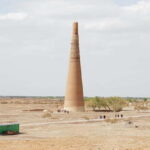
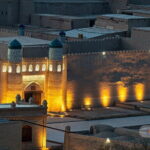
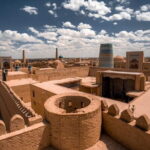
Early on, you’ll see one of Khiva’s most recognizable shapes: the Kalta Minor Minaret. This one is famous for its striking turquoise tiles—and for its unfinished story. The stop is short (about 20 minutes), but it’s timed well. You get the visual wow early, and then you move on with the context your guide gives you.
Next comes Muhammad Amin Khan Madrasah (about 20 minutes). This isn’t just a pretty façade. You’ll learn how madrasahs worked as educational hubs across Central Asia, and why Khiva’s institutions mattered beyond local boundaries. The guide’s approach is conversational and question-friendly, so if you’ve ever wondered how these Islamic learning centers functioned day-to-day, this is where you get answers in real language instead of vague museum-style explanations.
Practical note: these early stops are also great for photos, especially if you like the tall-tower framing effect against the old-town walls.
Kunya-Ark Fortress: royal power, then panoramic views
After the madrasahs and minaret, the tour steps up into scale. You’ll visit Kunya-Ark Fortress for about 40 minutes. This was the former royal residence area, and the fortress layout helps you understand how power was organized: what people could see, where the center was, and how the fortress connects to the wider city walls.
The value here is in how the guide turns the space into a story. A fortress can look like stone blocks until someone explains how the parts connect. Once you know the logic, the walk feels more “readable,” and the surrounding skyline views from this area start making sense instead of just being scenic.
This is also a nice mid-tour pace break. You get a longer stop compared to some of the others, which helps if you’re traveling with photos on your mind.
The wood carving workshop: meet locals and try it yourself
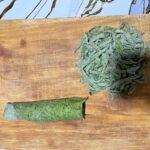
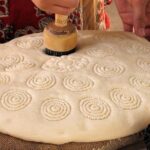
One of the tour’s most memorable moments is the practical one: the chance to try wood carving yourself. The stop is described as a traditional workshop and also as a wooden shoe factory stop—either way, the experience centers on the same thing: hands-on craft.
Why this is worth your time:
- You’re not just sightseeing; you’re watching techniques up close.
- You get to interact with craftsmen and ask questions about tools and the craft process.
- You come away with a real connection to the day-to-day skills that keep cultural traditions alive.
Even if you’re not naturally artsy, the guide makes this type of stop workable for most people. The point isn’t to become a master carver in 20 minutes. It’s to understand the care behind the work, and to see how design decisions turn into patterns you’ll recognize later on in Khiva’s architecture.
Allakuli Khan Madrasah to Juma Mosque: from tiles to the 213 wooden columns
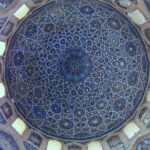
Next you’ll visit Allakuli Khan Madrasah for about an hour. The longer duration is useful here because it gives you time to slow down and notice details instead of just ticking boxes. Madrasahs in Khiva reward patience: arches, tiled surfaces, and architectural rhythm. The guide helps you focus on what matters so you don’t end up staring at everything at once.
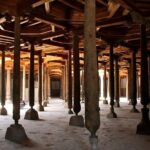
Then you head to Juma Mosque (about 25 minutes), where one detail gets repeated for a reason: 213 carved wooden columns, with some said to date back to the 10th century. That’s the kind of fact that can sound abstract until you’re standing inside and the columns become the visual centerpiece of the space.
This stop also tends to be where visitors get stronger context about Islamic architecture and interior function. If you like learning how religion shows up in art and design choices, this is one of the best parts of the day.
Tip for photos: you’ll usually get better results when you step back first and then frame your shot from the angles the guide recommends. It helps you avoid taking pictures that are technically correct but don’t show the architecture clearly.
You can also read our reviews of more private tours in Khiva
Pahlavan Mahmoud Mausoleum and the last big photo angles
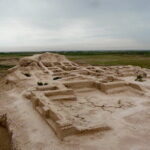
The tour wraps with Pahlavan Mahmoud Mausoleum (about 20 minutes). This is a strong closing stop because mausoleums often feel quieter than the larger classroom and mosque spaces. You get a sense of how Khiva honors figures tied to its cultural identity.
The final value of the last legs is practical: it’s your chance to regroup, ask remaining questions, and get those last photos without feeling like you’re being rushed out the door. One small advantage from the guide style: you can set a comfortable tempo, and the route includes enough photo pauses that you’re not constantly jogging to keep up.
Also, if timing gets affected by real-world issues like traffic, the guide has communicated changes in advance. That kind of calm coordination matters in a city where delays can happen.
Price and value for a 2.5-hour private Khiva walk
At $30 per person for about 2.5 hours, this is priced like a serious “do it right” walking tour, not a quick drive-by. The big value isn’t just the monuments. It’s what comes with the guide:
- English-speaking guide
- Photo support during the tour
- Assistance during travel around Uzbekistan (helpful if you have questions while planning)
What’s not included is important for budgeting: entry tickets for museums and palaces are extra. So your real total cost depends on what you choose to pay for inside each site. If you want zero surprises, plan a small buffer and keep your ticket decisions flexible.
One more value note: this is available as private or small groups. That matters in Khiva because the best photos and best explanations often come when you aren’t fighting for space or time.
What to bring, how to pace it, and who this is best for
Bring comfortable shoes and comfortable clothes. The old city surfaces can be uneven, and you’ll spend enough time standing that you’ll appreciate footwear that lets you move freely.
Who I think this fits best:
- First-time visitors who want the “meaning” behind Itchan Kala
- People who care about architectural details, not just Instagram shots
- Travelers who want interaction—asking questions, meeting locals, and doing something hands-on
If you’re someone who hates walking or needs very frequent long breaks, you might find the 2.5 hours a bit demanding. In that case, consider shortening the day elsewhere or planning a more relaxed schedule around this tour.
Should you book Sarvar’s Khiva private walking tour?
Yes, if your goal is to experience Khiva with context and not just collect photos. This tour is built around major Itchan Kala sites in a sensible order, and it adds the kind of personal touches that make a difference: a local guide from Khiva, hands-on wood carving, and photo stops that help you frame the city properly.
Book it if you want a friendly, conversational style where your questions are welcome and the pace can adjust to you. Skip it only if you’re mainly after a fast checklist with no interest in learning what the spaces are for.
FAQ
FAQ
How long is the private Khiva walking tour?
The tour lasts about 2.5 hours.
Where does the tour start in Khiva?
You meet in front of Ata Darvaza (West Gate), next to the ticket office. Pickup at the main gate is optional.
What is the price per person?
The price is $30 per person.
Is the guide available in English?
Yes. The tour includes an English-speaking guide.
Is this tour private?
It’s available as private or small groups.
Are entry tickets included for palaces and museums?
No. Entry tickets for museums and palaces are not included.
Does the tour include photography help?
Yes. Photographing during the tour is included.
What should I bring for the walk?
Wear comfortable shoes and comfortable clothes.