REVIEW · SAMARKAND
Seven Lakes Tajikistan Private Excursion From Samarkand
Book on Viator →Operated by Silk Tour Ltd · Bookable on Viator
Seven Lakes makes a big promise in one long day. The payoff is walking around a chain of high-mountain lakes in the Khaftkul Valley, while you move from one view to the next without worrying about transport or timing. It’s also a genuine border-crossing day: you’ll swap drivers and guides as you enter Tajikistan.
I especially like two things. First, you get round-trip pickup from your Samarkand area meeting point, plus private transport for your group. Second, the tour is built around “all seven lakes in one go,” with lake stops designed as short photo breaks—so even a full day stays active.
One consideration: the drive is on mountain roads that aren’t fully paved, and the tour notes that visits to all seven lakes can be shortened if timing slips due to road and border conditions—so go in knowing it’s not always perfectly predictable.
In This Review
- Key things to know before you go
- Why Seven Lakes is a standout day trip from Samarkand
- Price and value: what $145 actually covers
- Border day reality check: Tajik visa and Uzbekistan re-entry
- The 10–12 hour schedule: timing, roads, and what to expect
- Khaftkul Valley stop by stop: seven lakes with different character
- Nezhigon (the lowest lake)
- Soya Lake: shade and shifting color
- Gushor: a turbulent stream connection
- Nofin: long and narrow, with the umbilical cord name
- Khurdak: smallest of the seven, plus views of Padrut village
- The largest lake (with petroglyphs)
- Hazorchashma: highest lake around 2,400 metres
- Jartepa and the return: crossing back without losing daylight
- Photo and comfort tips that actually matter on this route
- What the guides and drivers add to your day
- Who this tour is best for (and who should skip it)
- Common hiccups to plan around (so you don’t get stressed)
- Should you book this Seven Lakes private excursion?
- FAQ
- What visas do I need for this Seven Lakes trip?
- How long is the excursion?
- Is lunch included?
- Will we visit all seven lakes?
- What’s included in the tour price?
- Can I cancel for a full refund?
Key things to know before you go
- Private day, your group only: you won’t be riding in with strangers.
- Free admission at the lake stops: the itinerary lists admission tickets as free for each lake.
- English guidance once you’re over the Tajik border: an English-speaking guide is part of the Tajik side.
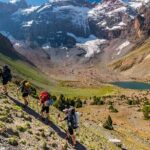
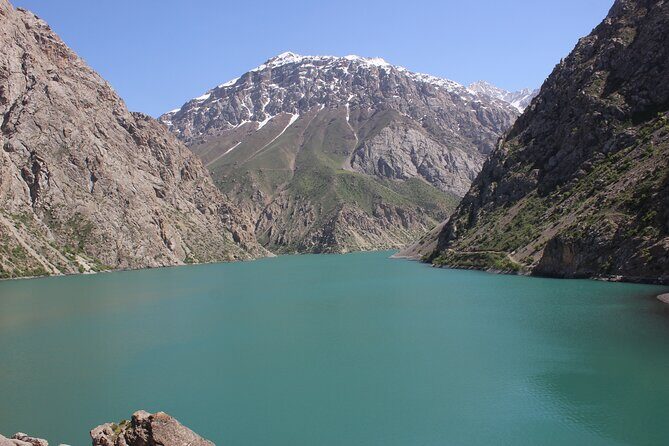
- Seven lakes with distinct vibes: shade, color shifts, steep cliffs, and petroglyphs all show up in the route.
- Time is the boss: mountain roads plus borders mean you’ll keep a close eye on the schedule.
Why Seven Lakes is a standout day trip from Samarkand
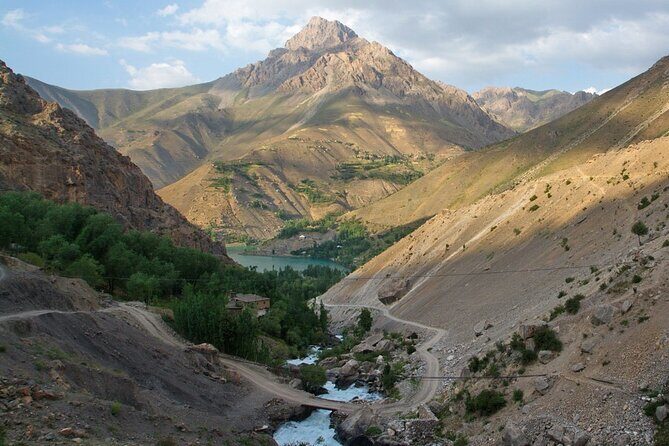
If you only have limited time in Uzbekistan, this is one of the best ways to add Tajikistan scenery without turning it into a full-blown expedition. You’ll start in Samarkand, cross the border to Tajikistan, and spend your daylight in the Khaftkul Valley—a place where each lake feels like its own small world.
The structure matters. You’re not stuck on one long walk or one museum stop. Instead, you hop between seven named lakes with short stretches that are easier to manage in a long day. It also helps that you’re told to plan for photography—bring a charged camera and expect plenty of “one more shot” moments.
The other big reason this works: the tour is organized for logistics. You’re not trying to coordinate buses across borders or figure out where to meet a guide. You’ll have transfers from your start point, a local driver/guide once in Tajikistan, and the day is planned as a single circuit.
You can also read our reviews of more private tours in Samarkand
Price and value: what $145 actually covers
At $145 per person, the headline price looks reasonable for a private cross-border day. Here’s the practical breakdown of what you’re paying for:
- Private transportation as part of the plan
- English-speaking guide in Tajikistan
- Hotel-area pickup and round-trip transfers
- Admission tickets listed as free at the seven lake stops
What’s not included is where your real budgeting comes in. Lunch is a picnic you pay for on the spot, listed around $15–$20 per person. And visas are extra.
If you already have your visas handled, this can feel like good value because the tour’s cost is doing the heavy lifting: border handoff, local guiding, and a full day’s schedule built around seeing multiple lakes.
Border day reality check: Tajik visa and Uzbekistan re-entry
This trip only works smoothly if your paperwork is ready. The tour specifically calls out two key points:
1) Tajik online visa
The Tajik visa is listed as $30 per person and you should apply at least 7 days in advance.
2) You must be able to re-enter Uzbekistan
Because you’re crossing into Tajikistan and coming back, you need a multiple entry Uzbekistan visa or a visa waiver that allows re-entry after the trip.
On the ground, the handoff is also part of the experience. You’ll start with a driver on the Uzbek side, then once you cross you’ll meet your Tajik guide/driver. That’s a smart setup because border procedures and local routes are handled by people who know the system.
The 10–12 hour schedule: timing, roads, and what to expect
Plan for an approx. 10 to 12 hours day. That’s long, but it’s long in a useful way: you’re not just riding. You’ll stop repeatedly in the Khaftkul Valley.
Still, treat the schedule as a target, not a guarantee. The trip notes that because of border crossing and road conditions, visits to all seven lakes can be “curtailed” to make sure you return on time—and there are no refunds for missed lakes if the route has to shorten.
Also, the roads are described as mountain, not asphalt. That usually means gravel, bumps, dust, and slower driving. One review-style theme in the feedback is that small weather changes can make roads harder, so the most important mindset is flexibility.
Practical takeaway: if you’re the kind of traveler who needs perfect clockwork, you may find this day pushes your patience. If you’re happy to trade a bit of certainty for real mountain scenery, you’ll likely enjoy it a lot.
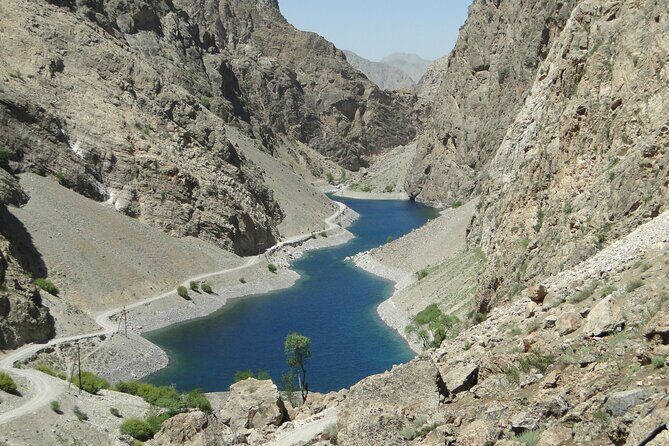
Khaftkul Valley stop by stop: seven lakes with different character
This is the heart of your day. You’ll spend your time moving through the Khaftkul Valley and stepping around each lake long enough for views and photos.
Nezhigon (the lowest lake)
The day begins with Nezhigon at about 1,640 metres elevation. This first stop sets the tone: you’re getting into the high-mountain rhythm early, and it’s typically your easiest entry point because everything else builds from there.
Soya Lake: shade and shifting color
Next is Soya Lake, named after the Tajik word linked to shadow. The key idea is simple and cool: the lake sits between high cliffs, so it’s in shade almost all day. You’ll also see that the water’s color changes with weather and time of day—so photos can look different from one hour to the next.
If you’re chasing the best photos, this is one of your “watch what the light is doing” stops.
Gushor: a turbulent stream connection
The third lake, Gushor, is about 400 metres from Soya. As you approach, you’ll see a turbulent stream connecting the two lakes. The names also tie to meaning; in this case, the names are associated with being watchful.
This stop is about contrast: cliffs around the lake plus the feeling of movement from that connecting stream.
Nofin: long and narrow, with the umbilical cord name
Nofin is the fourth lake and it’s described as elongated—more than 2.5 kilometres long but only about 200 metres wide. The name is tied to the idea of an umbilical cord, explained by Nofin being the central one of seven.
This is a good stop if you like “long view” photos. Also, because it’s narrow, positioning your shot matters—try a few angles instead of one quick snap.
Khurdak: smallest of the seven, plus views of Padrut village
Then comes Khurdak, the smallest lake and the one named around the idea of baby. The route from Nofin to Khurdak is about 1.5 km, and along the way you can see the village of Padrut.
This segment is handy because it gives you more than one type of scenery: lake views plus a glimpse of how people live near these mountains.
The largest lake (with petroglyphs)
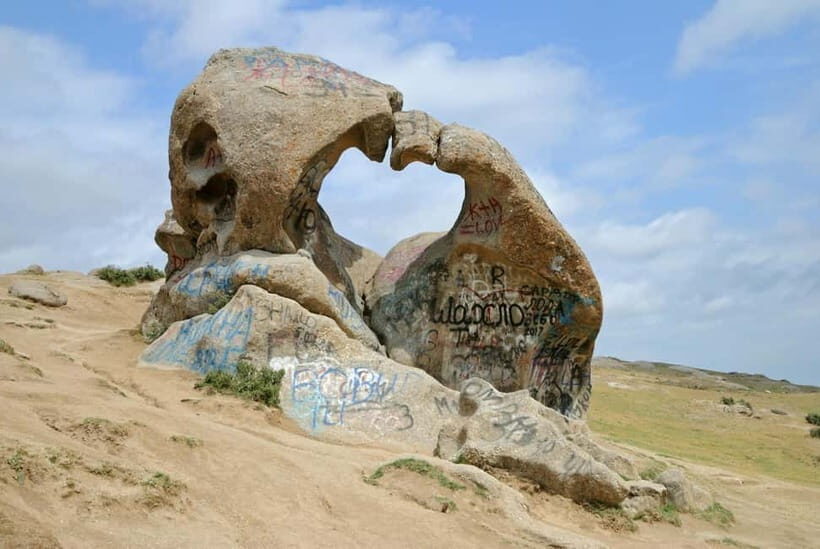
Next is the largest lake, and it’s often described as the most beautiful by visitors because the wide blue water and the mountains behind it create a strong view. This is also where petroglyphs are mentioned.
Even if you’re not a hardcore archaeology person, petroglyphs add another layer. They hint that people have been watching these places for a very long time.
Hazorchashma: highest lake around 2,400 metres
Finally, Hazorchashma (also spelled Azorchashma) sits at roughly 2,400 metres elevation. It’s described as the seventh and highest lake. The name is associated with thousand springs, and the lake is fed by water coming from the mountains (the description cuts off, but the key point is the spring-fed source).
This is a great stop for your last photos. It’s also the one most likely to be impacted if timing gets tight, so if seeing the top lake is your priority, keep an eye on when the group starts moving.
Jartepa and the return: crossing back without losing daylight
After the lake circuit, you’ll drive toward the border and pass back through Tajik border procedures, with a segment noted around 2 hours for Jartepa. Then it’s back through the Uzbek side and on to your starting point.
The return timing is where the day can feel long. If you’re going in-season when daylight is short, ask for an early departure when possible. One November example cited in the feedback puts sunset around 5:20 PM, which explains why timing requests can matter so much.
Even if you don’t control departure times, you can control how you prepare: eat a smart breakfast, pack layers, and treat the day like an adventure in a schedule, not a strict itinerary.
Photo and comfort tips that actually matter on this route
The tour explicitly reminds you to charge your camera, and they’re right. The lakes change with light, and short stops mean you don’t always get a second chance.
For comfort on bumpy mountain roads, I’d plan like this:
- Bring layers. Even when the day feels warm at first, altitude can shift the temperature.
- Wear grippy shoes. Gravel and uneven ground are part of the deal.
- Pack a light rain layer. If weather turns, roads can get slower and more annoying.
- Keep water handy. You’re in motion for most of the day.
Also, because this is a private excursion, your guide can often adjust pacing a bit—if you’re calm and flexible.
What the guides and drivers add to your day
The plan includes an English-speaking guide in Tajikistan, and you’ll have a driver on the Uzbek side before meeting that Tajik team. That guide switch is more than a bureaucratic detail. A local guide can translate what you’re seeing: why lakes are named as they are, what cliffs and connections mean, and how the valley fits together.
In the feedback you provided, a couple names stand out—Dawood for the guide and Masoor for the driver—linked to genuinely helpful, friendly guidance. Even if you don’t get that exact pairing, this trip’s best days tend to be the ones where your guide explains the place instead of just driving past it.
Who this tour is best for (and who should skip it)
This private Seven Lakes trip is a strong fit if:
- You want big scenery with minimal planning on your own.
- You’re comfortable with a long day and short stops.
- You can handle mountain, not fully paved roads.
It’s not ideal if you:
- Need a super-easy, fully paved walking day.
- Travel with young kids; it’s specifically not recommended below age 6.
- Have very limited stamina, since you’re moving and stopping repeatedly.
If you’re the type who likes “one day, many scenes,” you’ll probably enjoy this.
Common hiccups to plan around (so you don’t get stressed)
Even with a well-planned route, this is a remote mountain circuit. Here are the issues you should mentally prepare for:
- Time compression: the itinerary assumes a pace that can be hard if borders slow down or roads get rough.
- Weather effects on road comfort: minor rainfall can make gravel travel tricky.
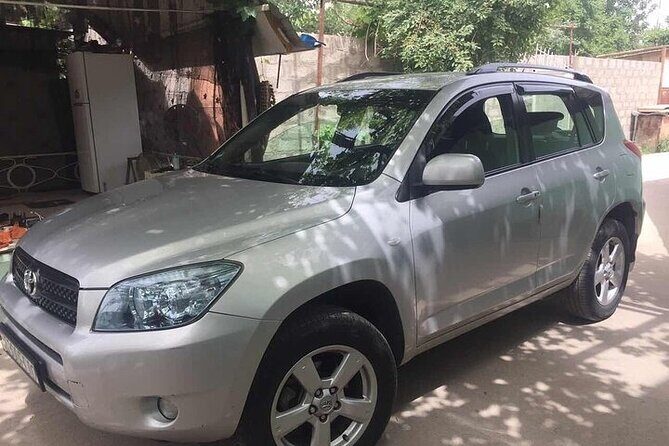
- Vehicle comfort can vary: feedback includes complaints about an unsuitable people-carrier on the mountain roads. I can’t promise what vehicle you’ll get, so treat “bumpy” as a baseline, not a worst-case.
- Last lake risk: if you’re running behind, the tour may curtail stops to get everyone back, and there are no refunds for missed lakes.
The easiest way to protect your day is attitude plus prep. Don’t pack your day with strict expectations. Pack layers. And if the driver asks you to move on, move on.
Should you book this Seven Lakes private excursion?
I think you should book it if you want the most efficient way to see Seven Lakes from Samarkand in a private format, and you’re okay with a long day on mountain roads. The value is strongest when your visas are ready, your schedule has no tight back-to-back plans, and you’re excited about nature over perfection.
Skip—or at least reconsider—if you dislike uncertainty around timing, you’re sensitive to rough roads, or you’re traveling with young kids who may struggle with the long ride and short, uneven stops.
If you do book, the big “make it work” move is simple: handle the Tajik visa ahead of time, confirm your ability to re-enter Uzbekistan, and pack for cold, dust, and bumps. Then go enjoy the lakes—because when the weather is kind, the scenery is exactly why you made the trip.
FAQ
What visas do I need for this Seven Lakes trip?
You need a Tajik online visa (listed at $30 per person) and you should apply at least 7 days in advance. You also need a multiple entry Uzbekistan visa or a visa waiver to re-enter Uzbekistan after visiting Tajikistan.
How long is the excursion?
It’s listed as 10 to 12 hours (approx.).
Is lunch included?
Lunch is not included in the tour price. The plan mentions a lunch picnic you pay for on the spot, around $15–$20 per person.
Will we visit all seven lakes?
The tour aims to visit all seven lakes, but it notes that due to border crossing and road conditions, visits to all seven lakes can be curtailed to ensure timely return. No refunds are offered for missed lakes.
What’s included in the tour price?
Included items are private transportation, an English-speaking guide in Tajikistan, and the tour offers round-trip transfers from your Samarkand hotel meeting point.
Can I cancel for a full refund?
Yes. The tour allows free cancellation up to 24 hours in advance for a full refund.