Samarkand’s best sights fit in six focused hours. This private tour is built to help you get your bearings fast—Registan Square, Bibi Khanum, Shah-i-Zinda, Ulugh Beg’s observatory, plus a hands-on traditional craft.
I especially like the private guide setup. When my guide was Adi or Shakhlo (and I’ve heard the same pattern across guides), the day turned into a story you could follow, not a list of monuments. I also really appreciate the hotel transfers, because it removes the hassle of figuring out timing and routes when you want to stay on a tight schedule.
One consideration: this tour involves enough walking that it is not recommended for people with limited mobility. If you need step-free routes or lots of frequent stops, this may be a tough day.
Key highlights you’ll feel on the ground
- Registan Square in context: you’ll connect the three madrasas to why this place mattered for learning
- Timurid architecture at Bibi Khanum: intricate design details become easier to spot with a guide’s explanations
- Shah-i-Zinda’s royal burial route: a memorable sequence of memorials you can actually understand
- Ulugh Beg’s science legacy: the observatory shows how astronomy was practiced, not just celebrated
- Silk paper making: a traditional applied art with roots going back to the 8th century
In This Review
- One Day, Six Hours: How This Private Samarkand Tour Works
- Registan Square: Learning, Power, and the Three-Madrasas Story
- Bibi Khanum Mosque: Timurid Detail You’ll Want to Slow Down For
- Shah-i-Zinda: A Burial Ensemble with Real Narrative Weight
- Hojja Ahrar Ensemble: Spiritual and Educational Buildings in One Place
- Ulugh Beg Observatory: Where Astronomy Was Practiced
- Hodja Daniyar Mausoleum: A Revered Place Across Faiths
- Silk Paper Making: The 8th-Century Craft You Can Actually See
- Entry Fees and Food: What You Must Budget Separately
- Your Guide and Driver: Why the Day Feels Effortless
- What the Tour Is Best For (and What It Might Not Be)
- Should You Book This Samarkand Private Tour?
- FAQ
- How long is the Samarkand private tour?
- What is included in the price?
- Are entry fees included?
- Is food and drinks included?
- What languages are available for the live guide?
- Is this a private tour?
- Will the tour run in bad weather?
- Is hotel pickup provided?
- Is the tour suitable for limited mobility?
- Is there anything I should bring?
One Day, Six Hours: How This Private Samarkand Tour Works
This is a private group tour lasting 6 hours, with hotel pickup and drop-off. You’ll meet your driver in the lobby about 10 minutes before departure time, and they’ll hold a sign with your last name—small detail, big relief when you’re new to town.
You’ll be moving through central Samarkand on a structured route, designed for maximum impact in limited time. That matters here because Samarkand’s highlights are spread out, and you don’t want to lose daylight to navigation.
The “value” part of this tour is simple: you’re paying for expert guidance plus transport, while the entry fees and food stay separate.
Registan Square: Learning, Power, and the Three-Madrasas Story
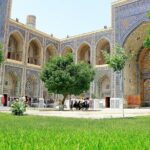
Registan Square is the emotional center of Samarkand. You’ll start here and get a guided explanation of why the square mattered, then walk the mental map of its three main buildings: Ulugbek Madrasah, Sher-Dor Madrasah, and Tillya-Kari Madrasah.
What I like about this stop is that it turns photos into understanding. Without context, Registan can feel like “pretty tile.” With context, you start noticing how each building fits into the idea of education, prestige, and public life—especially in the era associated with Ulugh Beg.
Practical note: this is one of the most famous places in the city, so expect crowds and lots of photo angles. If you care about getting the right perspective, tell your guide what you’re aiming for early; some guides are good about pointing out the best spots as you move.
You can also read our reviews of more city tours in Samarkand
Bibi Khanum Mosque: Timurid Detail You’ll Want to Slow Down For
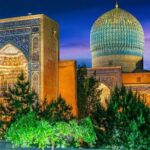
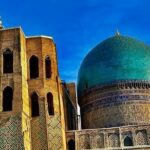
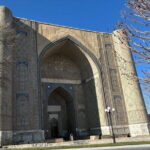
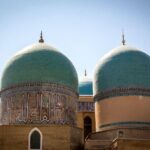
Next comes Bibi Khanum Mosque, often described as a pearl of Timurid architecture. Here’s where having a guide pays off: the patterns and scale can be hard to interpret when you’re just walking through.
Your time at Bibi Khanum isn’t only about standing and staring. You’ll get explanations tied to what you’re seeing—so the decorations and the design choices make sense instead of just impressing you briefly. This is the kind of site where “I saw it” becomes “I understood it.”
If you’re the type who likes to notice materials and craftsmanship, this is a strong match. And if you’re more “quick look and go,” the guide’s narration helps you still leave with a real sense of what makes the place important.
Shah-i-Zinda: A Burial Ensemble with Real Narrative Weight
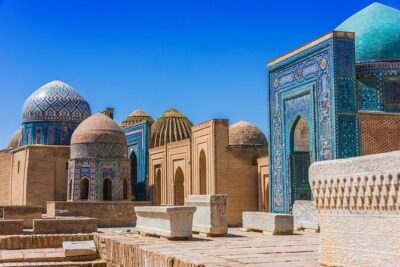
Then you’ll visit Shah-i-Zinda, a memorial ensemble known as the burial place of royals and nobility. It’s one of those places that works best as a sequence, not as a single photo spot.
With a guide, you don’t just get the overview—you learn how to read the site as a story. Why these figures are remembered here. How the different memorial spaces connect to the broader identity of the city.
I also like the way Shah-i-Zinda helps break up the day. After mosque architecture and square-centered learning, this feels more personal and human—especially because tomb complexes always carry a different emotional tone.
Hojja Ahrar Ensemble: Spiritual and Educational Buildings in One Place
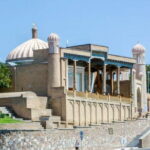
The Hojja Ahrar Ensemble brings you into the blend of memorial, cult, spiritual, and educational buildings. This stop is especially useful if you want more than “wow tile.” It shows you how faith and learning were intertwined in Samarkand.
I recommend treating this as a thinking stop. Pause, look at layout, and let your guide explain what the ensemble is doing functionally—how these buildings served communities, not just rulers.
One benefit of a private format: if you’re curious about religious and cultural context, your guide can slow down and answer directly. That flexibility is why several guides in the tour feedback were praised for patient explanations and adapting the day.
Ulugh Beg Observatory: Where Astronomy Was Practiced
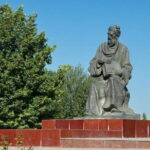
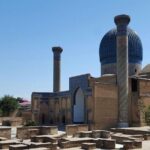
The Ulugbek Observatory is a standout because it anchors the city’s legacy in science. You’ll see the site connected to Ulugh Beg’s astronomical research and calculations, and the visit helps you connect his influence to what people were doing with knowledge and measurement.
Even if you’re not a “science person,” this works because it’s about human ambition. You’re seeing a place tied to systematic observation, not just a legend attached to a name.
If you like to compare past and present, ask your guide how they explain the purpose of the observatory space. That’s where you’ll get the most out of this stop.
You can also read our reviews of more private tours in Samarkand
Hodja Daniyar Mausoleum: A Revered Place Across Faiths
You’ll also see the Mausoleum of Hodja Daniyar, described as a revered cult place for Muslims, Christians, and Jews. This is one of those details that changes the way you feel about a site.
Instead of treating the mausoleum as a single-community monument, you’ll come away with a better sense of how shared reverence can exist in the same geography. It’s a quieter stop than Registan or Shah-i-Zinda, but it’s meaningful.
This is a great place to ask a guide about local traditions tied to sacred spaces—because the tour approach here is cultural, not just architectural.
Silk Paper Making: The 8th-Century Craft You Can Actually See
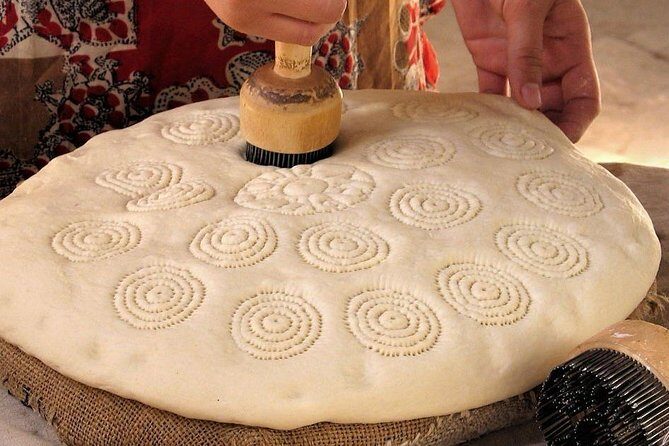
One of the most memorable parts of this tour is the traditional process of producing silk paper, a craft valued since the 8th century. This is hands-on culture, which is exactly what you want when you’re spending a single day covering a dozen centuries of influence.
Even if you don’t take home paper, the explanation matters. You’ll see how “applied arts” connect daily life, trade, and technical skill. In a city known for major monuments, this craft stop gives you a different kind of authenticity—work that ordinary people could understand and support.
Wear comfortable shoes. This is the kind of activity where you’ll likely stand and move around enough to make footwear your top priority.
Entry Fees and Food: What You Must Budget Separately
Here’s the part I like to be straight with you about: entry fees are not included. The tour lists them as $11 per pax (per person). Food and drinks aren’t included either.
So, budget accordingly. If you’re trying to keep costs predictable, it helps to decide in advance where you’ll eat during the 6-hour window. Some guides in the experience feedback also offered meal suggestions or helped you find food options that fit what you wanted on the day.
Your Guide and Driver: Why the Day Feels Effortless
Most of the best part of this tour isn’t a single monument—it’s the smooth flow. With professional guides and a highly rated transport record (96% perfect scores), the day stays on track.
You’ll ride in a comfortable vehicle, and the driver patiently waits as you wrap up stops. In one example, a guide handled logistics while a driver waited calmly. In another, a guide helped adjust plans on a rainy day so the day stayed enjoyable.
What I’d do: if you know you’ll want extra time for photos or a slower pace at one stop, tell your guide early. Private tours work best when you communicate what you want your feet and eyes to prioritize.
What the Tour Is Best For (and What It Might Not Be)
This tour is a great fit if you have limited time in Samarkand but still want a smart hit of the city’s identity. It’s also ideal if you like context: who built what, why it was built, and how the pieces connect—from Timurid architecture to Ulugh Beg’s astronomy to craft traditions like silk paper.
It’s less ideal if you need a low-walking day. The tour explicitly says it is not recommended for people with mobility impairments.
Should You Book This Samarkand Private Tour?
If you want one efficient day that connects the biggest sites with explanations you can actually use, I’d book it. The combination of hotel pickup, a structured route across major UNESCO highlights, and a traditional craft component makes it more than a “see-and-go” sightseeing run.
I’d especially consider booking if:
- you’re visiting Samarkand for the first time and want a guided mental map
- you care about understanding Timurid rule and Ulugh Beg’s legacy, not just taking photos
- you want one day that balances monuments with everyday cultural practice like silk paper making
If your priority is spending hours lingering in only one or two sites, you might prefer a slower plan. But if you want the highlights—and you want them in a logical, understandable order—this is a strong value for a $180 private experience (with entry fees and meals extra).
FAQ
How long is the Samarkand private tour?
It lasts 6 hours.
What is included in the price?
The tour includes hotel pickup and drop-off, plus a professional guide.
Are entry fees included?
No. Entry fees are listed as $11 per pax.
Is food and drinks included?
No. Food and drinks are not included.
What languages are available for the live guide?
The live guide can speak Uzbek, Russian, English, French, Italian, and German.
Is this a private tour?
Yes, it is a private group.
Will the tour run in bad weather?
Yes. It takes place rain or shine.
Is hotel pickup provided?
Yes. You pick up from your hotel, with the driver holding a sign with your last name and waiting in the lobby about 10 minutes before pickup.
Is the tour suitable for limited mobility?
No. It is not recommended for people with limited mobility.
Is there anything I should bring?
Wear comfortable shoes.