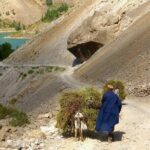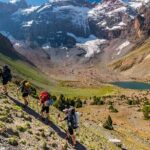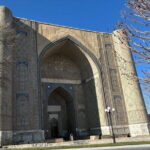
Amankutan feels like a quiet secret. This one-day trek from Samarkand takes you into the Samarkand Mountains and along an old route that once linked Central Asia with the south. You’ll walk a light 7 km stretch, then finish with a chance to browse a local mountain market for nuts, dried fruit, and hard (dried) cheese.
What I like most is the mix of easy walking and real “you can see it” history. The path follows a road paved with stone in the era of Nicholas II, and there are still preserved sections where you can spot the old stone and the markstone paths.
The main drawback to plan for: this tour isn’t suitable if you have mobility impairments, and you’ll also want to handle lunch separately since lunch is not included.
In This Review
- Key Points You’ll Care About
- The Amankutan Route: More Than a Trail
- How the 6-Hour Day Unfolds (Without Dragging)
- The 40 km Ride: Comfort Matters on a Short Day
- The Amankutan Trek: Light Effort, Stone-Path Details
- Getting the Most Out of a “Linear” Hike
- The Local Mountain Market: Nuts, Dried Fruit, and Hard Cheese
- Lunch Picnic: Plan for It Even if It’s Not Included
- Price and Value: Private for Up to 2, With Fees Covered
- Guide, Language, and the Private Advantage
- What to Bring (So the Day Feels Easy)
- Who This Tour Fits Best (And Who Should Skip)
- Should You Book the Amankutan Trek From Samarkand?
- FAQ
- How much does the Amankutan Trek One Day Tour cost?
- How long is the tour?
- How far do you trek, and how hard is it?
- What’s included in the tour price?
- Is lunch included?
- What languages is the live guide available in?
- Is pickup included, and where do you get dropped off?
- What should I bring?
- Is the tour suitable for mobility impairments?
Key Points You’ll Care About
- A light 7 km linear trek in the Amankutan Mountains, built for an easy day out
- Old stone-paved route clues from Nicholas II and earlier campaigns
- Local mountain market time to pick through nuts, dried fruit, and hard cheese
- Private group format (priced per group up to 2) with a professional guide
- A/C vehicle transfer for the 40 km ride each way from Samarkand
The Amankutan Route: More Than a Trail
This trip works because it’s not just a “walk and take photos” outing. You’re trekking on a road with a paper-thin layer of modern life on top of centuries of movement. In the Middle Ages, Tamerlane’s soldiers passed along this route as they pushed campaigns south, including a campaign to India. Later, Tsarist Russia also used the same path to seize more territory across Central Asia.
What you’ll notice, if you pay attention, is how the ground and the path tell the story. The road you trek along was paved with stone in the time of Nicholas II. Some remains are still well preserved, and you can see the stones clearly and follow the older markstone paths. That’s the sort of history that doesn’t stay locked in a museum. It shows up as footing.
And since the trek is described as light, it’s a great way to get out of the city without committing to a long, punishing hike. If you want mountain time with manageable effort, this one fits.
You can also read our reviews of more hiking tours in Samarkand
How the 6-Hour Day Unfolds (Without Dragging)
Expect a compact schedule that stays focused. The total duration is about 6 hours, with a private setup and pickup included.
Here’s the basic rhythm:
- Transfer from Samarkand to the Amankutan Mountains by vehicle (40 km).
- Trek in the Amankutan area for about 7 km (linear route).
- Stop at a local mountain market for a look at what people trade in the mountains.
- Lunch picnic time is mentioned in the tour description, but lunch is not included, so plan your budget accordingly.
- Return transfer to Samarkand, then drop-off in your chosen spot (hotel, train station, or airport).
This structure matters because it keeps travel time from swallowing the day. You’re not waiting around for hours or adding extra detours. You’re getting out for the trek, then finishing with a culturally useful stop at the market.
If you’re the type who likes your day tours to feel like a real experience instead of a checkbox, this format helps.
The 40 km Ride: Comfort Matters on a Short Day
You cover roughly 40 km by vehicle from Samarkand to the mountains. The ride is in an A/C vehicle, and pickup is included.
Two small details that matter:
- You’ll want to be ready on time. The instructions ask you to wait in the hotel lobby about 5 minutes before pickup.
- Drinks and food aren’t allowed in the vehicle.
That second point sounds picky, but it can actually help the day run smoothly. It nudges you to keep the ride tidy and save your eating for later (or wherever the picnic stop happens). Bring what you need for the trek separately, and keep the vehicle portion distraction-free.
The Amankutan Trek: Light Effort, Stone-Path Details
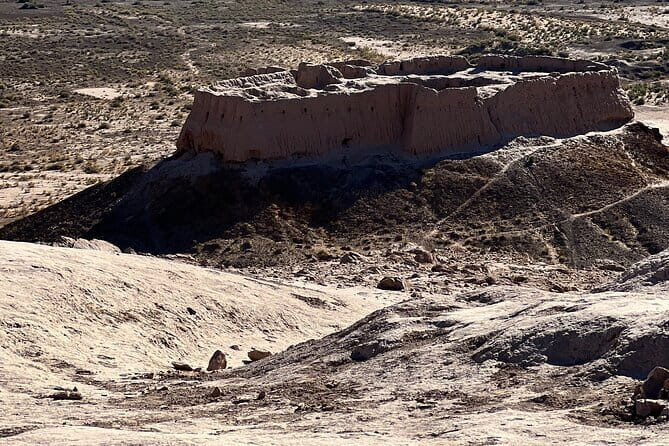
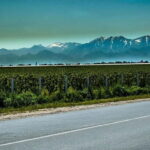
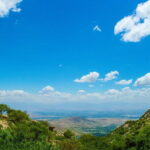
The trekking portion is the heart of the tour. You’ll walk in the Amankutan Mountains for about 7 km on a linear route. The level is listed as light, so you should think “comfortable hike” rather than “endurance trek.”
What makes this trek especially interesting is the route itself. You’re not just walking through open space. You’re walking along an older road corridor tied to major historical movements:
- Tamerlane’s soldiers using the route for campaigns south
- Tsarist Russia using the same path later to expand control
- A road paved with stone in the era of Nicholas II
- Preserved stone sections and markstone paths that you can still make out
That means your hike is partly about the scenery, but it’s also about noticing details. When you see the preserved stones, it turns the path into an outdoor artifact. You can read the centuries under your feet.
Practical tip: wear comfortable shoes. The trek is light, but you’re on a real route with real surfaces. Sunglasses are also a good idea; the mountain light can be harsh even on a short outing.
Getting the Most Out of a “Linear” Hike
A linear route means you’ll go along a single path direction rather than looping back the way you came. For most people, that translates into easier logistics: you don’t have to worry about the trail splitting into multiple navigation choices.
In practice, it also means you’ll benefit from focusing on pace and rhythm. Since it’s 7 km total, it’s likely the kind of hike you can enjoy without racing. The time is short enough that you won’t feel like your whole day is “getting to the hike.”
If you like days where you get a sense of place quickly, this is a good one. You’re not trapped for hours on a winding loop; you’re moving forward, then shifting into the cultural stop at the end.
A few more Samarkand tours and experiences worth a look
The Local Mountain Market: Nuts, Dried Fruit, and Hard Cheese
The tour ends on a practical, sensory note: a stop at a local mountain market where inhabitants sell mountain goods.
You should look out for:
- Nuts
- Dried fruits
- Hard (dried) cheese, with multiple varieties
This part is valuable because it’s not staged for tourists. Markets like this tell you what people eat and trade in mountain life. Even if you don’t plan to buy much, it’s worth slowing down and scanning the stalls. You’ll get a better sense of local ingredients and the types of foods that travel well and keep for long periods—nuts, dried fruit, and hard cheese are perfect for that.
Also, it gives a clean finish to the day tour. After walking, it’s easy to transition into browsing and casual conversation with your guide.
Lunch Picnic: Plan for It Even if It’s Not Included
The program mentions a lunch picnic, but the “not included” section clearly states that lunch is not included.
So, don’t assume your payment covers a meal. If you’re the kind of traveler who hates making food decisions on an empty stomach, you’ll want to budget for lunch ahead of time or plan how you’ll handle eating during the picnic stop.
One more constraint to keep in mind: food in the vehicle isn’t allowed. That means your meal needs to happen outside the car. Build that into your timing—especially if you tend to snack constantly while traveling.
Price and Value: Private for Up to 2, With Fees Covered
The price is $190 per group up to 2. That’s not a bargain-basement figure, but it also isn’t in “elite tour” territory. For a one-day mountain trek, you’re paying for a few things that often cost extra when you book separately:
- Professional guide
- A/C vehicle
- All fees and taxes
The private format is the value lever here. If you’re traveling as a couple or want your group size to stay small, private days tend to feel smoother and more personal. You can also move at a pace that suits you, and your guide can focus their attention on your questions.
If you’re traveling solo, the price is still set per group up to 2. Whether it’s a good value depends on whether you’d otherwise pay for an individual guide or take a larger group tour. For couples, this tends to make more sense.
Guide, Language, and the Private Advantage
This is a private group tour, and the guide speaks English, Russian, or French. That language coverage matters in Uzbekistan because the “right” guide can turn a simple hike into a story you understand.
With a professional guide, you’re not just reading history from signs. You’re hearing explanations tied to what you’re physically seeing: the old road, preserved stone sections, and the markstone paths.
Private also helps with timing. Pickup included means you don’t have to coordinate with a bus full of strangers. On short tours, that kind of simplicity is worth something.
What to Bring (So the Day Feels Easy)
You don’t need a trekking kit for this one, but a few items are clearly recommended:
- Comfortable shoes
- Sunglasses
- Comfortable clothes
Because the trek is light, your clothing doesn’t have to be extreme. The key is comfort and movement—something you can walk in for a few hours.
And remember the vehicle rules:
- Don’t plan to bring food or drinks in the vehicle.
If you want to be extra prepared, keep your “on-person” essentials ready for the trek and use the picnic/market timing for food.
Who This Tour Fits Best (And Who Should Skip)
This tour is ideal if you want:
- A short mountain outing from Samarkand
- A hike that’s light (7 km) but still meaningful
- A taste of local mountain life via the market stop
- History you can connect to the physical route
It’s not suitable for people with mobility impairments, so if that applies, look for options designed for accessibility.
If you’re an active traveler who also likes culture, this hits a sweet spot. It’s not too much time in transit, not too much hiking pressure, and the market stop makes the day feel grounded.
Should You Book the Amankutan Trek From Samarkand?
I’d book it if you’re looking for a focused one-day hike with real route history and a practical market stop at the end. The price can feel steep at first glance, but the setup is private, the vehicle is A/C, and fees are included—so you’re not paying extra line-items to make the day work.
I would pause before booking if:
- You know you’ll struggle with uneven outdoor walking (even “light” hikes still require solid mobility).
- You strongly prefer meals to be included in the package, since lunch is not included even though a picnic is part of the plan.
- You hate rules on food and drinks in the vehicle and want to snack during the ride.
One last thought: this experience gets solid marks for the setting and the hike itself. If you’re drawn to scenic mountain walking with tangible history underfoot, Amankutan is a strong choice.
FAQ
How much does the Amankutan Trek One Day Tour cost?
The price is $190 per group up to 2.
How long is the tour?
The duration is 6 hours.
How far do you trek, and how hard is it?
You’ll trek about 7 km and the listed level is light.
What’s included in the tour price?
It includes a professional guide, an A/C vehicle, and all fees and taxes.
Is lunch included?
No. Lunch is not included (the program mentions a picnic lunch, but lunch is listed as not included).
What languages is the live guide available in?
The guide is available in English, Russian, and French.
Is pickup included, and where do you get dropped off?
Yes. Pickup is included—wait 5 minutes in the hotel lobby. The tour also includes drop-off in your hotel, train station, or airport.
What should I bring?
Bring comfortable shoes, sunglasses, and comfortable clothes.
Is the tour suitable for mobility impairments?
No, it’s not suitable for people with mobility impairments.