REVIEW · TASHKENT
Welcome to Tashkent (City Tour with local guide)
Book on GetYourGuide →Operated by Uz tour Guide · Bookable on GetYourGuide
Six hours: two cities in one. Tashkent surprises you with big monuments, old-world markets, and the kind of Metro design that makes you stop and stare.
I especially like the way this tour blends old and new Tashkent—Amir Timur Square, Theater Square, Independence Square, then onward to Khast Imam and Chorsu bazaar. You also get the practical win of moving by car plus the Tashkent Metro, so you’re not stuck doing everything the hard way. The guide experience can be strong too; I’ve seen names like Abror and Abrar showing up as the local hosts.
One thing to plan around: you’ll walk about 1.5 kilometers across uneven city areas, and it may be a poor fit if you have mobility, heart, respiratory, or other health concerns.
In This Review
- Key things I’d prioritize on this tour
- First stop: Amir Timur Square and the city’s power lines
- Practical note
- Independence Square: fountains, the Eternal Flame, and national identity
- Earthquake Memorial: a respectful pause with real meaning
- Khast Imam Square: the spiritual heart and the Holy Qur’an of the VII century
- What to expect on the ground
- A related stop with library-and-museum vibes
- Chorsu bazaar: blue dome shopping and how to enjoy it
- How to shop without getting overwhelmed
- Tashkent Metro: why the stations are the real attraction
- What makes it practical
- The Plov moment: tasting the classic dish without turning the day into a food hunt
- Keep expectations grounded
- Timing, comfort, and the walking reality
- What to bring
- Price and value: $165 per group up to 4
- Who should book this Tashkent city tour (and who should skip it)
- Should you book this tour?
- FAQ
- How long is the Tashkent city tour?
- What does the price include?
- Is the tour suitable for everyone?
- How many people are in the group?
- What stops does the tour cover?
- Does it involve walking?
- Are museum tickets included?
- What payment should I bring?
- What languages is the tour guide available in?
Key things I’d prioritize on this tour
- Tashkent Metro stations with thematic design and special lighting, not just transport
- Khast Imam Square for the Barakkhan madrasah and the Islamic Literature library connected to the Holy Koran of the VII century
- Chorsu bazaar under the blue dome, where shopping spills into real local life
- Earthquake Memorial, a serious stop tied to Tashkent’s April 26, 1966 tragedy
- A Plov stop that helps you taste the classic dish of Uzbekistan during the day
- Small group size (up to 4) for questions, pace control, and easier coordination at busy sites
First stop: Amir Timur Square and the city’s power lines
This tour starts by getting you oriented fast, which matters in Tashkent. You’ll begin around Amir Timur Square, originally called Konstantinovsky Square before being renamed on August 31, 1994 to honor Amir Timur. It’s the kind of place where Tashkent shows its modern “center” without forgetting its political and cultural story.
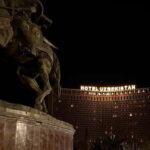
In the square area you’ll see major anchors clustered around it: the Museum of History of Timurids, the Uzbekistan hotel, Forum Palace, and the famous clock. Even if clocks sound boring on paper, this one becomes a useful reference point for understanding how the city lays out important landmarks.
If you’re into architecture and symbolism, Theater Square adds a second layer. The State Academic Theater of Uzbekistan named after Alisher Navoi (built in 1947) is a centerpiece here, and it’s known for staging both classical and national repertoires. It’s not just a building to look at; it helps explain how Uzbekistan treats arts and identity as part of everyday city life.
You can also read our reviews of more guided tours in Tashkent
Practical note
Wear comfortable shoes early. You’ll be moving through public areas before the day settles into the Metro and bazaar rhythm.
Independence Square: fountains, the Eternal Flame, and national identity
Next comes Independence Square, the main square of Uzbekistan. What I like about this stop is the way it acts like a visual timeline: past, present, and future in one shared public space.
You’ll see fountains designed to represent life energy of Uzbek people, and you’ll also pass important government buildings such as the Cabinet and the Senate. Then there’s the Eternal Flame honoring soldiers who died during the Second World War. This is one of those places where you should slow down—not because you’re required to, but because it feels more respectful when you take it in.
The square also sets expectations for the rest of the tour. After monuments tied to national pride, the day shifts toward places that talk about trauma, faith, and everyday trade.
Earthquake Memorial: a respectful pause with real meaning
Tashkent’s 1966 earthquake is one of those historical facts that can feel abstract until you see what the city built to remember it. The Earthquake Memorial is designed for the tragic date of April 26, 1966, and it’s erected near the approximate earthquake epicenter.
Here’s what makes this stop valuable for you: it gives context. When you later look at rebuilding styles—like the way Chorsu bazaar’s blue dome was rebuilt after the earthquake—you’ll understand that these aren’t just pretty features. They’re part of how the city coped and rebuilt.
This isn’t a “quick photo, next stop” moment. Plan to stand, read the details if you can, and let the guide’s explanation land.
Khast Imam Square: the spiritual heart and the Holy Qur’an of the VII century
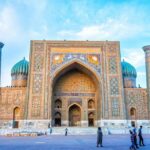
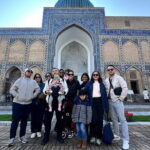
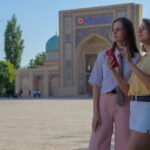
If you only had time for one “meaningful” religious-culture stop, this is the one I’d consider. Khast Imam Square is the religious center of the old city, and it includes the Barakkhan madrasah, the Kaffal Shashi Mausoleum, and the Library of Islamic Literature.
The highlight here is the library’s connection to the Holy Koran Book of the VII century—the original Quran Othman. Even if you’re not a history nerd or a religious scholar, this is the kind of detail that makes the area feel serious and grounded. It’s one thing to see Islamic architecture; it’s another to understand how preservation and scholarship are part of the site’s purpose.
You can also read our reviews of more city tours in Tashkent
What to expect on the ground
You’ll move through a setting where pilgrims and visitors come to connect with the spiritual role of the place. For photography, keep it respectful and follow whatever guidance your local guide gives on the spot.
A related stop with library-and-museum vibes
Before you reach the core Khast Imam area, the schedule includes Muyi Muborak Madrasah (Moyie Mubarek Library Museum). Expect a break time, photo stop, and guided visit for about an hour. This is a good pacing tool in the middle of the day: enough structure to feel informative, but not so long that you get fried before the Metro and bazaar.
Chorsu bazaar: blue dome shopping and how to enjoy it
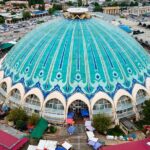
Chorsu bazaar is one of Tashkent’s classic sights, and the name itself hints at its design concept. “Chorsu” means four waters, symbolically linked to the conjunction of four major parts of the old city.
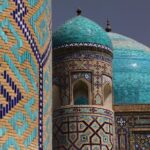
You’ll see the bazaar’s beautiful blue dome, built in traditional style after the Tashkent earthquake. That detail matters—this dome isn’t just postcard material. It’s the city choosing to rebuild trade and community around an iconic shape. It’s why Chorsu is frequently pictured in magazines and souvenirs.
Inside, the atmosphere is built for browsing. You can spend time in souvenir and craft areas—ceramics, handicrafts, carpets, jewelry—and then shift into the food and fruit side of the bazaar’s everyday energy. There’s a natural flow from textiles and colorful fabrics to everything from delicious-looking produce to small gift items you can actually carry.
How to shop without getting overwhelmed
Bring cash (more on that below), and go in with a loose plan. Pick one category you want to buy—textiles, ceramics, or something small—and then let the stalls help you decide. Your local guide can help you interpret what you’re seeing, and it also reduces the “where do I start?” stress in a place this large and old.
Tashkent Metro: why the stations are the real attraction
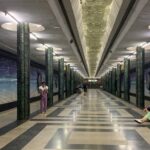
The Metro is where the tour earns its “different experience” reputation. The first line launched in 1977, and the big story isn’t just that it moves people. It’s that the train stations are decorated in thematic style with traditional ornaments and special lighting.
If you’ve ever seen photos of Metro stations in other cities, you know the trap: sometimes they look great online but feel ordinary in real life. Here, the station-by-station design is the point. It’s a rare example of public transport that acts like museum-level design without feeling pretentious.
What makes it practical
Taking the Metro during the tour can save time and energy compared with hopping between far points by car alone. It also gives you a real snapshot of how locals actually move around the city.
Just remember: your schedule includes walking in addition to Metro and car time, so keep your pace steady.
The Plov moment: tasting the classic dish without turning the day into a food hunt
Uzbek cuisine is one of the best parts of visiting, and plov is the classic. This tour’s flow often includes ending up at a Plov center, where you can try the dish as part of the day rather than searching for a restaurant that fits your schedule.
What I like about this setup for you is efficiency. You get a food experience that matches your itinerary, and your guide can help with what to order based on how the day is moving. It’s also one of the best ways to understand local taste beyond the monuments and architecture.
Keep expectations grounded
The tour data doesn’t say lunch is automatically included as a formal meal package in every case. So treat the plov stop as part of the experience plan, but still double-check what’s included when you confirm your booking details.
Timing, comfort, and the walking reality
The tour runs about 6 hours. Within that time you’ll do a mix of:
- car transfers for major stretches
- Metro for at least part of the route
- walking around key sights
The walk amount is listed as about 1.5 kilometers total. That’s not a mountain trek, but it adds up with stairs, curb cuts, and crowded areas, especially around the bazaar.
What to bring
- Comfortable shoes
- Camera
- Comfortable clothes
- Cash
If you’re sensitive to standing in busy public spaces, plan to take breaks when your guide gives them. Also, consider hydration—bottled water is included.
Price and value: $165 per group up to 4
At $165 per group up to 4 people, the value comes from what you’re buying: guided time, air-conditioned transport, and a structured route that connects the city’s big identity sites.
Here’s the math that usually makes this feel worth it. Even if you’re traveling solo, the experience isn’t built as a lone-wolf checklist. It’s built for small-group efficiency—so you can move through Metro stations, hit multiple squares, and cover both old and newer parts of the city without losing the day to guesswork.
You’re also getting:
- a local professional English-speaking guide (and the tour can run in English, Russian, Uzbek, Turkish depending on the booking)
- transfers and city tours as per the itinerary
- air-conditioned vehicle
- free Wi-Fi connection
- bottled water
What’s not included is also important for your budgeting. Museum tickets are not included. Lunch and dinner aren’t included unless they’re added as part of the day in practice (the plov stop is described as part of the experience, but meals are not listed as universally included).
If you’re the kind of traveler who likes to understand why things exist—not just where they are—this price starts to look fair quickly, especially split among a small group.
Who should book this Tashkent city tour (and who should skip it)
This tour fits best if you:
- want a solid first introduction to Tashkent in half a day
- like mixing monuments with daily-life places like bazaars
- want Metro station design as a highlight (not an afterthought)
- prefer a smaller group so you can ask questions and keep the pace sane
It may not be right if you:
- have heart problems or respiratory issues
- are pregnant
- have recent surgeries
- have lactose intolerance
- are over 75 years old (and there are further age limits listed)
If you’re unsure, it’s worth asking questions before booking so you can confirm it matches your comfort level for walking and standing.
Should you book this tour?
I’d book it if you want the quickest path to understanding Tashkent as a whole: the national squares, the earthquake memory, the spiritual center of Khast Imam, and the Chorsu market scene, all tied together with a Metro experience that’s actually worth your time.
Skip it if you’re looking for a slow, relaxed private day with minimal walking. Also skip if your health conditions make 1.5 kilometers of city walking and long periods of standing hard for you.
One last practical tip: bring cash and plan your energy like it’s an active sightseeing block. If you do that, you’ll get a day that feels like more than a list of stops—it feels like getting oriented in the real Tashkent.
FAQ
How long is the Tashkent city tour?
The tour lasts about 6 hours, with sightseeing time typically in the 5–6 hour range.
What does the price include?
It includes transfers and city tours, an air-conditioned vehicle, a local professional English-speaking guide, free Wi-Fi connection, and bottled water.
Is the tour suitable for everyone?
No. It’s listed as not suitable for pregnant women, people with heart problems, respiratory issues, recent surgeries, and people with lactose intolerance, among other restrictions.
How many people are in the group?
It’s a small group limited to 4 participants.
What stops does the tour cover?
The tour includes Amir Timur Square, Theater Square with the Opera House, Independence Square, the Earthquake Memorial, Khast Imam Square (including the Barakkhan madrasah and sites there), Chorsu bazaar, and the Tashkent Metro with its decorated stations.
Does it involve walking?
Yes. You’ll walk around 1.5 kilometers during the excursion.
Are museum tickets included?
No. Tickets for museums are not included.
What payment should I bring?
You’re instructed to have local cash. Visa and Mastercard are mentioned as evaluable for payments.
What languages is the tour guide available in?
The guide can operate in English, Russian, Uzbek, and Turkish.