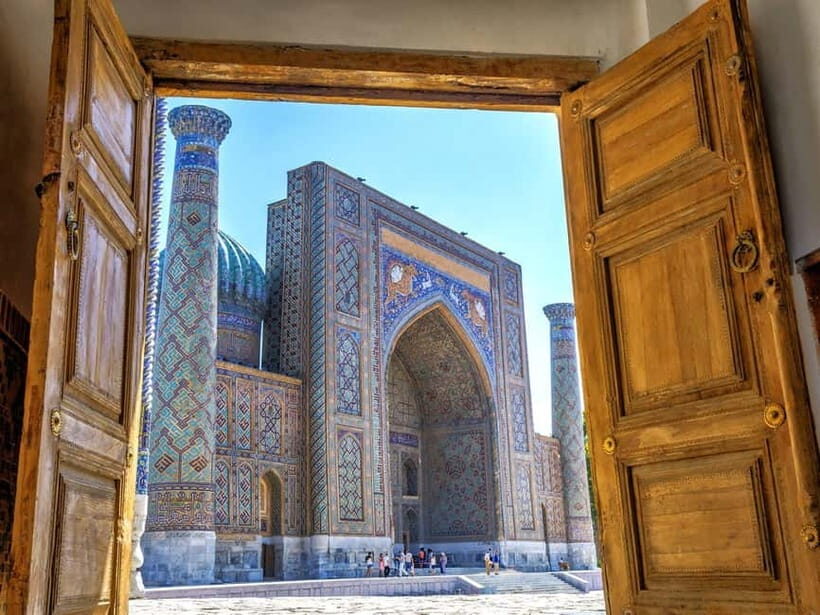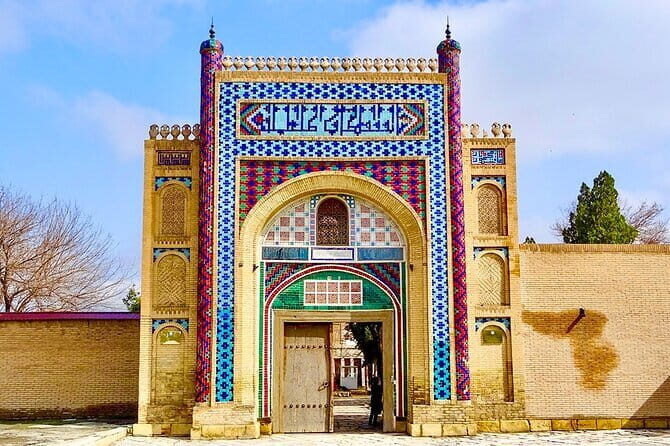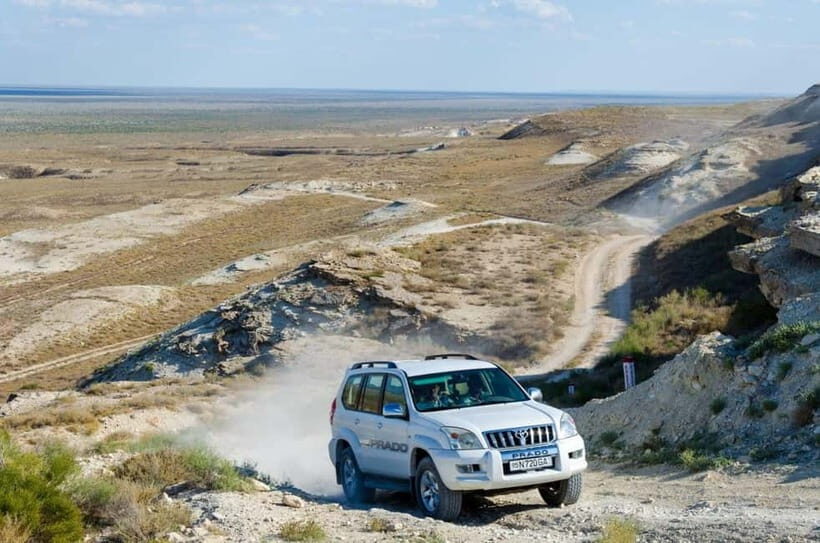
Tashkent clicks into place with a local plan. This private guided day tour strings together the old city sites, a major bazaar stop, and modern landmarks so you understand what you’re looking at. I especially like the Khast Imam Square area, where the medieval setting makes the stories land fast.
I also like how the tour mixes metro and walking instead of doing everything by car. You’ll spend time at decorated metro stations (built in the late 1970s and early 1980s) and then move on to the big modern squares and cultural stops.
One thing to keep in mind: the pace depends on your guide’s energy. If your guide tends to rush (it can happen), you may want to ask right away for a few extra minutes for photos or slower shopping in the bazaar.
In This Review
- Key things you’ll notice on this Tashkent private tour
- Why Tashkent makes more sense with a guide
- Pickup and how the day actually runs
- Khast Imam Square: old Tashkent and a 7th-century Koran museum
- Chorsu Bazaar: shopping with real street energy
- Metro sightseeing: decorated stations built in 1978–1982
- Independence Square: the city’s modern “why”
- Amir Timur Square, Alisher Nava’i Theatre, and the Romanov house detail
- What you get for the money (and how to budget)
- Language options and guide style: what to expect
- Comfort and logistics: car, metro, and walking balance
- Who this tour suits best
- Should you book this private guided Tashkent day tour?
- FAQ
- Where is pickup available?
- How long is the tour?
- Is this a private tour?
- What’s included in the price?
- Are entrance fees included?
- Is food included?
- Which languages are available for the guide?
- What accessibility options are available?
- What’s the cancellation policy?
Key things you’ll notice on this Tashkent private tour
- Private group for up to 2 with a guide and A/C transport, so you can go at your speed
- Khast Imam Square + museum stop focused on what makes Tashkent’s religious heritage memorable
- Chorsu Bazaar time for shopping and street-level culture, from local crafts to traditional clothes
- Decorated metro stations (1978–1982) that turn public transit into part of the sightseeing
- Independence Square and major landmarks for the “new city” story after you leave the old quarter
Why Tashkent makes more sense with a guide
Tashkent can feel like a city of layers: the old parts show up in religious and historic sites, while the modern center tells you how the country built a new public life. A private guide matters here because the big squares and buildings are visually strong, but the context is what turns them from scenery into understanding.
This tour is built for that. You get a day that starts in the old city, shifts into markets and everyday street culture, and then moves into the modern center. If you like walking a bit but don’t want to get stuck figuring out connections or the “why,” this format is practical.
You can also read our reviews of more guided tours in Tashkent
Pickup and how the day actually runs
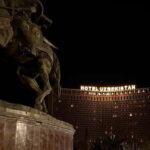
The tour is private, and pickup is included from three places: Tashkent International Airport, an Uzbekistan Hotel option, or Shimoliy Vokzal. The driver meets you with a sign showing your last name, and you should wait in the lobby about 10 minutes before pickup.
The day is designed around short, focused sightseeing blocks rather than one long slog. You’ll spend around 40 minutes at Khast Imam Square, then about 30 minutes at Chorsu Bazaar, and roughly 30 minutes each at Independence Square, Alisher Nava’i Theatre, and Amir Timur Square. Between stops, you’ll use a mix of car, metro, and walking, which helps you see more without tiring out too fast.
Drop-off mirrors pickup options, so you end near where you started (airport, hotel, or Shimoliy Vokzal). That matters in a city where time can disappear quickly if you’re trying to arrange transport on your own.
Khast Imam Square: old Tashkent and a 7th-century Koran museum
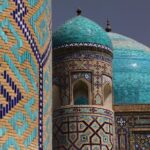
Your first major stop is Khast Imam Square, where you’re guided through the medieval story of Tashkent. This is one of the tour’s strongest “anchors,” because it sets a tone that the rest of the day builds on.
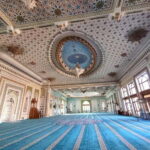
You’ll also visit a Koran museum connected to the Hazrati Imam complex, described in the tour as containing one of the oldest Korans, written in the 7th century. Even if you’re not deep into religious history, this kind of visit tends to make people slow down. You’re not just looking at architecture; you’re seeing how faith and scholarship became part of the city’s identity.
Practical tip: wear comfortable shoes. The square and surrounding complex are a place where you’ll likely be standing and walking at a steady pace for the full guided block.
Chorsu Bazaar: shopping with real street energy
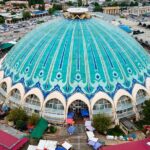
Next you head to Chorsu Bazaar, one of the oldest bazaars in Central Asia and tied to the Silk Road era. This is where the tour’s “city of Bread” framing makes sense, because bazaars are about daily life as much as they are about goods.
You get about 30 minutes here with a guide, which is enough time to get your bearings, see how locals move through the market, and pick up a souvenir without turning it into a scavenger hunt. The tour highlights traditional clothing, local handicrafts, and street food. Since food isn’t included, think of this as an opportunity to browse stalls and decide on a snack if you want one.
Also, the bazaar stop is one of the best places to ask questions. A good guide can explain what shoppers look for, which items are more local versus touristy, and what to look for if you’re buying textiles, crafts, or small gifts.
Metro sightseeing: decorated stations built in 1978–1982
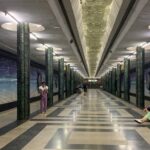
After the market, the tour shifts gears to the Tashkent metro, and this is one of the most unique parts of the day. You’ll visit one of the metro stations built during 1978 and 1982, and the tour notes that each station has its own unique decoration style.
This matters because most people treat metro stations as transit, not sightseeing. Here, it’s the opposite. You’ll come to appreciate how design and public spaces reflect cultural priorities, even in an everyday setting.
Then you’ll take the metro toward Independence Square, and you’ll transition from the old-city feel into the modern city’s story. If you’ve ever worried that urban tours can feel like only museums and monuments, this metro segment is a nice correction.
You can also read our reviews of more city tours in Tashkent
Independence Square: the city’s modern “why”
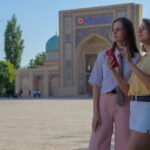
Once you come up from the metro, Independence Square is your next guided stop. The focus is on the history of the newer part of the city, and it’s a good place to connect what you saw earlier to what came later.
You’ll also get time to take in the scale. Squares like this are designed for public gatherings and national symbolism, so they can feel intimidating at first if you don’t know what each area is meant to represent. A guide helps you spot those clues—especially after a morning centered on older religious and Silk Road-linked history.
This stop is also tied to the tour’s broader idea of Tashkent as the city of Friendship. The exact sites vary by route and guide emphasis, but the point is that modern landmarks are used to project messages about identity, unity, and public life.
Amir Timur Square, Alisher Nava’i Theatre, and the Romanov house detail
After Independence Square, the day continues with three more stops that build a quick timeline of modern cultural and historical references.
First is Amir Timur Square, where you’ll get guided context and the chance to see how monuments frame public memory.
Then you’ll visit Alisher Nava’i Theatre. Even if theatre isn’t your thing, the building and its role in the cultural landscape helps you understand why Tashkent feels “planned” in places—big institutions sit beside big public spaces.
Finally, there’s a really specific historical note: you’ll stop by Prince Romanov’s house, described as the place where he was exiled to Tashkent from Petersburg in the 19th century. That kind of human detail is what makes tours feel more than just photo stops. It turns the city into a place with personal stories, not only broad themes.
What you get for the money (and how to budget)
This tour costs $143 per group up to 2 for a 1-day experience. That pricing makes it easy to compare to hiring a private guide on your own. You’re paying for two things that add real value in Tashkent: a professional guide and A/C transportation.
What’s not included: entrance fees and food. That’s the main budget variable. Since the Koran museum and other sites may have tickets depending on your exact visit conditions, you should plan to cover those on the day.
If you’re traveling as a couple, this is one of those prices that becomes more reasonable than it first looks. If you’re traveling solo, the per-group model can still work if you want a private, controlled schedule rather than joining a bigger shared tour.
Language options and guide style: what to expect
The tour offers live guiding in a long list of languages, including English, Russian, French, Spanish, Arabic, German, Italian, Japanese, Korean, Turkish, Uzbek, and more. That flexibility can be a big deal if you want deeper explanations rather than a basic walkthrough.
In the provided experiences, guide performance has been a major highlight. There’s a clear pattern of guides being able to explain Tashkent’s history in a way that feels complete, with strong communication noted for Italian language sessions. One guide named Dilmurat was specifically mentioned for a well-prepared day with excellent Italian, and coordination help was noted with Fayzullo / Mr. Fayz.
There can still be variation in pace. If you’re someone who likes to linger—especially during bazaar shopping—just speak up early. A calm request like I’d like a few extra minutes here can shift the whole feel of the day.
Comfort and logistics: car, metro, and walking balance
You’ll move using a mix of car, metro, and walking, which is the right balance for a 1-day highlights route. The A/C transport helps you handle hotter weather stretches, while the walking time keeps the old city feeling grounded rather than purely “window sightseeing.”
It’s also listed as wheelchair accessible, which is useful if you need to plan around mobility. Still, keep your expectations realistic: public spaces and station environments can vary, and the tour includes multiple modes of transit.
Who this tour suits best
This private city tour is a great match if you want:
- A structured highlights day without getting lost on transport
- More explanation than a typical quick stop tour
- A mix of old Tashkent, bazaar culture, and modern landmarks
It’s also ideal for couples or small parties because the pricing is per group up to two. If you enjoy shopping with guidance (so you know what you’re looking at), Chorsu Bazaar is a strong reason to book.
Should you book this private guided Tashkent day tour?
I’d book it if you want a smooth day with real context: Khast Imam Square for medieval heritage, Chorsu Bazaar for Silk Road-era market life, metro stations as sightseeing in their own right, and then Independence Square plus the cultural landmarks and historical details that connect the modern city to personal stories.
I’d think twice if you’re highly sensitive to pace. The tour can feel rushed with certain guides, so if you like unhurried wandering, go in with a mindset to ask for time when you need it. Also budget for entrance fees since they aren’t included.
If you want one day that covers a lot without feeling chaotic, this private format is one of the more practical ways to see Tashkent.
FAQ
Where is pickup available?
Pickup is included from Tashkent International Airport, an Uzbekistan Hotel, and Shimoliy Vokzal. You’ll also get drop-off at these locations.
How long is the tour?
The tour runs for 1 day. The exact start times depend on availability.
Is this a private tour?
Yes. It’s a private group tour. The price is listed per group up to 2.
What’s included in the price?
The tour includes a professional tour guide and transportation with A/C.
Are entrance fees included?
No. Entrance fees are not included.
Is food included?
No. Food is not included.
Which languages are available for the guide?
The tour offers live guides in many languages, including English, Arabic, Chinese, French, German, Hindi, Italian, Japanese, Korean, Persian, Russian, Spanish, Tajik, Turkish, Uzbek, and Traditional Chinese.
What accessibility options are available?
The tour is listed as wheelchair accessible.
What’s the cancellation policy?
Free cancellation is available up to 24 hours in advance for a full refund.