REVIEW · TASHKENT
Tashkent: 3-Day Horseback Riding Tour in Chimgan Mountains
Book on GetYourGuide →Operated by Uzramblers · Bookable on GetYourGuide
Horses, stars, and Chimgan air. This 3-day horseback trip from Tashkent takes you through the Chimgan Mountains with long riding days, river crossings, and mountain meadows, then ends each night with full-board meals cooked by a local. I like how the route mixes effort (climbs, descents, passes) with variety (alpine valleys, marble areas, and wide-open pasture).
That said, the schedule is physical: you should expect 5–6 hours in the saddle each day and nights outdoors near rivers and meadows, plus weather can swing fast.
The guides are the heart of the experience, with an English-speaking guide and a horseman who know the terrain. I also like the small-group feel (up to 10 people), because it makes the ride flow and helps you feel less like a cattle-transport waypoint. One consideration: in at least one case, a traveler reported confusion about equipment details and a less-than-ideal camp location compared to what they expected, so I’d confirm the practical stuff clearly before you go.
In This Review
- Key things to know before you ride Chimgan
- Why Chimgan on horseback feels different than hiking
- Your team: English guide, horseman, and a realistic group size
- Day 1: Aksai Valley transfer, marble belt lunch, and a riverside camp
- Day 2: Archali to Chet Kumbel Pass, bee-farmer shelter, and alpine meadow energy
- Day 3: Village lunch, Kyzyljar red cliff ridge, and Charvak Lake from the peak
- Food, camp setup, and what’s included in the comfort package
- Price and value: is $430 actually a good deal here?
- Ride time, weather, and gear: how to prepare without overthinking
- Who should book, and who should skip this horseback tour
- Should you book this Chimgan ride?
- FAQ
- How long is the horseback riding each day?
- Where does the tour start and is pickup included?
- Is there an English-speaking guide?
- What camping equipment is provided?
- What food is included?
- What should I bring for the ride and the weather?
- Is travel insurance included?
- Who is this tour not suitable for?
Key things to know before you ride Chimgan
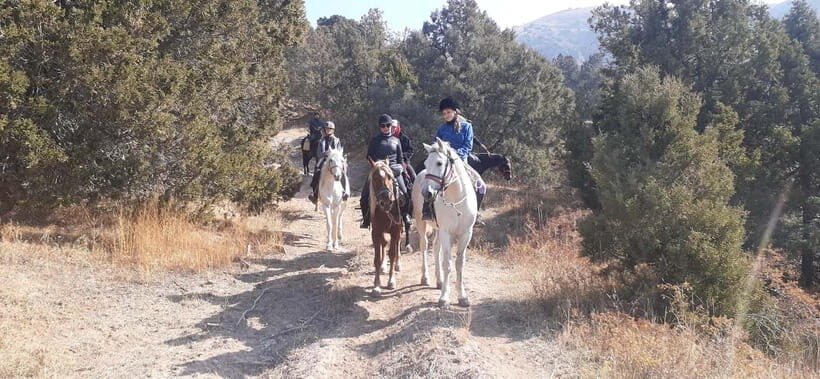
- River crossings and pass climbs: Expect wooden bridges, wading/crossings by horse, and steep ups and downs.
- Camp by the water, stars overhead: Nights are set up near rivers, with camp time and a fire after riding.
- Local cook, hearty food: Full-board meals are included, and the camp cooking is a big part of the comfort.
- Alpine meadows with real riding moments: There are stretches where you can move with more freedom, not only slow walking.
- Charvak Lake views at the end: The final ridge gives you a panoramic payoff after days in the mountains.
- Small group, English guide, horse team: You ride with a guide plus horseman support, and a donkey handles some transportation.
Why Chimgan on horseback feels different than hiking
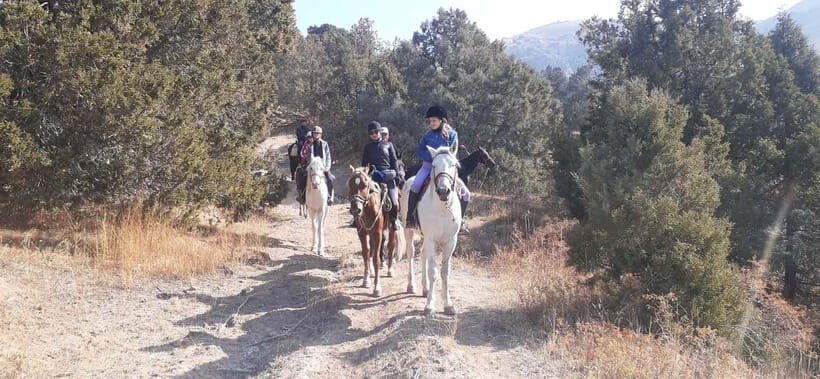
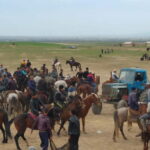
In this part of Uzbekistan, horseback riding changes the pace. You still climb and descend, but you do it sitting higher and moving with the landscape rather than fighting it at every step. In the Chimgan Mountains, that matters because the terrain alternates between valleys, pasture, and rock-heavy sections, so the ride keeps your eyes busy.
You also get a stronger sense of how locals live with the mountains. You pass shepherd summer pastures, see livestock areas, and in the later day you go through a village and meet locals. Even if your days are about horses and views, you’re not just passing scenery from the window of a vehicle.
You can also read our reviews of more tours and experiences in Tashkent.
Your team: English guide, horseman, and a realistic group size
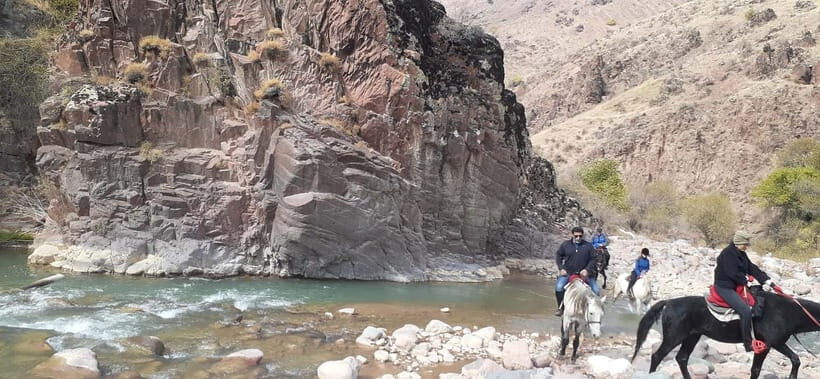
This is built as a small group trip, limited to 10 participants. That usually means the guide can manage instruction and pacing without turning the day into a traffic jam of stopping and starting.
You’ll travel with an English-speaking guide and a horseman. The horseman experience is key because the itinerary includes river crossings, pass ascents, and descents, all places where a confident local lead horse matters. There’s also a donkey used for transportation, and the team rides with multiple horses so you’re not stuck babysitting gear all day.
If you’re coming into this with zero experience, the best move is to treat the first day as your training day. The tour involves several hours of riding each morning, then rest points, then more riding. Going in calm helps more than trying to look tough.
Day 1: Aksai Valley transfer, marble belt lunch, and a riverside camp
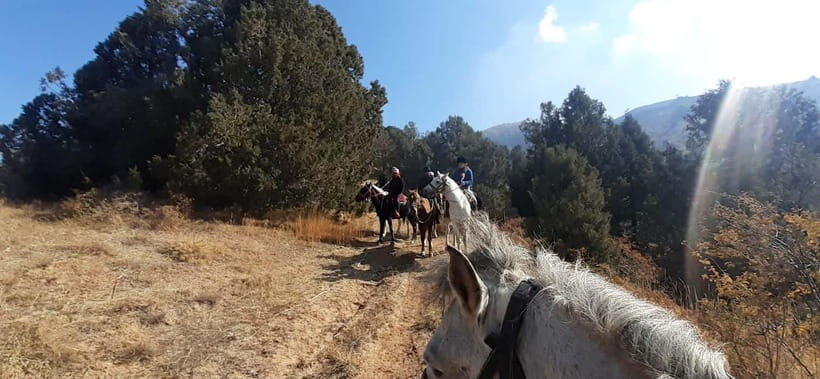
Your day starts with pickup in Tashkent and an early departure toward the mountains. Once you reach Aksai Valley, the riding begins in earnest: you pass a village, then ascend toward Aksakata Mountain.
After a short rest, you walk slowly across the valley toward Archali Pass, where you can see horses and livestock with shepherds’ summer pastures in the mix. That walk portion is important. It gives your legs time to adjust and lets your body get used to the rhythm before the day becomes a sequence of longer stretches.
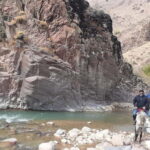
Lunch happens at a marble belt area. Then you continue riding down toward the junction of the Aksaka Ata and Nurik Ata rivers. There’s a crossing via a wooden bridge, and the route follows a valley with unique alpine biodiversity, which is your reminder that this isn’t just about scenery. It’s about moving through a living mountain system.
You set up camp near the river, make a fire, and watch the stars. That evening is one of the main reasons people choose this type of trip: the sky time feels different when you’re not commuting back to a town bed.
Practical note: camp near water usually means damp air at night. Bring the gear you were going to use anyway, not the gear you wish you had.
Day 2: Archali to Chet Kumbel Pass, bee-farmer shelter, and alpine meadow energy
Day 2 starts earlier. You wake up, cook hiking porridge and hot coffee, then pack up and move on. The breakfast style may sound simple, but it’s exactly what you want before a day that includes climbs, descents, and multiple rest stops.
You ride through crossings and ascents/descents until you reach a mountain bee farmer’s shelter, where the horses rest. You then ascend to Chet Kumbel Pass and reach a spring for lunch near a 1000-year-old tree. If you like routes that connect you to place, this is one of those details that makes the day memorable without turning it into a museum stop.
After lunch, you traverse along Kumbel Mountain to a ski slope and ascend toward a large rock in the forest. Then, after about half an hour, you reach a big alpine meadow where you can canter. That canter moment is a real highlight because it changes the pace from survival-mode riding to riding that feels like riding.
You then descend toward the marble gorge for lunch and give the horses a rest again. The afternoon continues with ascending to Urta Kumble, a quick descent to Beldersai Valley, then a river crossing. From there, you reach Yakka Archa and ride up to Chet Kumbel to camp near the river.
Long day lesson: don’t judge your comfort halfway through Day 2. Your body often “figures it out” closer to the second half, especially if you keep your posture relaxed and your legs loose.
Day 3: Village lunch, Kyzyljar red cliff ridge, and Charvak Lake from the peak
Breakfast comes again, then you start riding along the meadow and descend. After about an hour, you reach the Beladersai river bridge and cross it, which is where you feel the pattern of the trip clearly: every day has its own mix of water, altitude changes, and pasture.
Next comes an ascent toward Uchterak village for lunch near the village. After lunch you go through the village area, meet locals, and cross the Galvaysai river. This is your cultural moment on horseback, not just a stop for photos. Even if you don’t speak the local language, the interaction still gives you a better sense of the human geography of the route.
Then you climb to Akshuran Pass and reach a cantering area. In the afternoon, you ride along the crest of the ridge through the undulating red cliff called Kyzyljar, and you can feel how the terrain shapes your view and your speed.
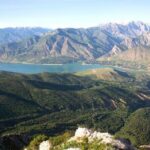
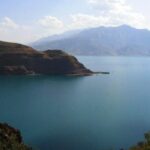
After several hours, you reach the “last” peak with panoramic views of Charvak Lake and the surrounding mountains. Then you rest and walk down, where you meet your driver and head back toward Tashkent.
One more important detail: you don’t just finish with a dramatic sunrise or a postcard overlook. The final stage ends with a practical handoff to your driver and a return to the real world. It’s the kind of wrap-up that makes the trip feel complete rather than abruptly ended.
A few more Tashkent tours and experiences worth a look
Food, camp setup, and what’s included in the comfort package
This trip is full-board, and that matters more than it sounds. When you’re riding for hours, food is not a nice-to-have; it’s what keeps you steady on the horse and helps you sleep through the night.
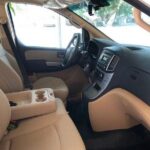
A cook prepares meals, and you’re also provided kitchen ware. Camp gear is included: tent, sleeping bag, and sleeping rug. There’s also registration included, plus transport to and from the mountains by van.
You’ll likely carry less than you expect because the tour covers your core camping needs. Still, you should pack for you, not for the operator. The tour does not include your personal mountain equipment.
Here’s the included-vs-not included reality that helps you plan:
- Included: tent, sleeping bag, sleeping rug, kitchen ware, full-board food, horses and donkey for transportation, guide and horseman, van transfer, registration
- Not included: insurance, visa support, a personal first-aid set, the gear you bring for yourself (including backpack, footwear, clothing), and a city-part meal
Camp evenings can be chilly, especially near rivers. If you’re the type who always packs one extra layer, this is your time to use it.
Price and value: is $430 actually a good deal here?
$430 per person for 3 days sounds like a lot until you break it down. You’re paying for transport from Tashkent, an English-speaking guide, a horseman, horses for riding, camp setup gear, and food every day. You’re also paying for the fact that your “hotel” is built from tents and your “dinner service” depends on a local cook.
For the value side, the best argument is this: the cost isn’t just for scenery. It’s for the logistics of moving people and equipment through mountainous terrain with live animals and overnight camping. Even a basic version of this route is hard to replicate independently because you’d need guides, horses, and camp capability.
That said, value depends on execution. One traveler described frustration due to organization and camp placement, plus a shorter ride time on the last day than expected. Those reports don’t erase the overall appeal, but they are a reason to do your homework: ask for clear confirmation of what’s happening each day, and verify what’s provided versus what you should bring.
Ride time, weather, and gear: how to prepare without overthinking
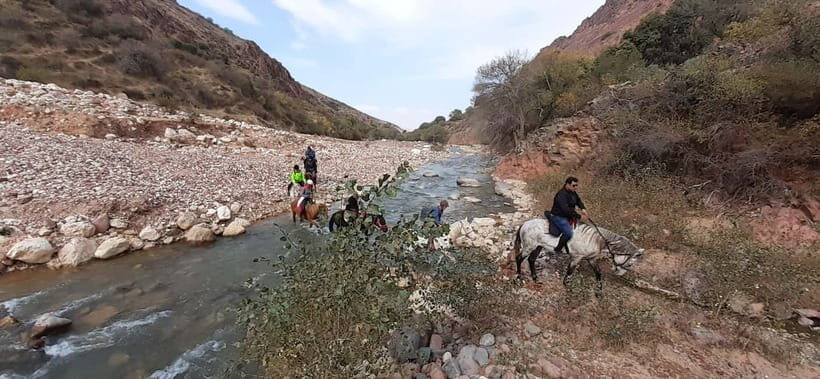
You’ll ride about 5–6 hours each day. That’s long enough that your comfort depends on the details you bring: shoes, rain gear, and layers. The tour specifically recommends hiking shoes, rain gear, gloves, a hat, sunglasses, and comfortable clothes.
Also bring change of clothes, personal medication, and your passport or ID card. If you’re sensitive to cold nights, plan for it; camping near rivers and in meadows can turn “comfortable” into “windy.”
A simple comfort checklist I’d follow for horseback riding in mountains:
- Gloves for grip and friction control
- Rain gear even in warm seasons
- A hat and sunglasses for sun and glare
- Shoes you trust on uneven ground
- A spare set of clothes for when you’re done riding
And this is the unglamorous truth: the biggest “gear regret” usually isn’t a missing item. It’s packing the wrong type of shoes or not having rain protection.
Who should book, and who should skip this horseback tour
This is not a casual walk-in-the-park experience. It includes mountain passes, long rides, camping near rivers and meadows, and varying weather.
The tour also lists clear non-suitability for people with:
- back problems
- mobility impairments
- heart problems
- respiratory issues
If any of those apply, you should look for a different kind of mountain day. The horse itself, the time in the saddle, and the altitude/weather conditions can be too much.
Who it suits best:
- People who enjoy active travel and can handle 5–6 hours of riding daily
- Riders who like the outdoors and don’t mind overnight camping
- Travelers who want both mountain thrills and a chance to meet villagers on the route
If you want sightseeing without discomfort, you might find this tour too intense. If you want real mountain living with animals and nights under stars, this fits.
Should you book this Chimgan ride?
I’d book if you want an honest mountain adventure where the work is part of the payoff: river crossings, pass climbs, alpine meadows, and the Charvak Lake view at the end. I also think it’s a strong value when you factor in full-board meals, included camp gear, and transport, not just the horse time.
I’d be careful if your idea of comfort depends on hotel toilets every ten minutes. Camping is part of the deal. And because at least one participant reported confusion about equipment expectations and camp location, I’d confirm practical details in advance: what you’re responsible for packing, what the operator provides, and how your final day’s riding time should be understood.
If you’re an able rider who’s ready for a physical, outdoorsy rhythm, this is the kind of Chimgan experience you remember when you get home—less about a single view, more about the whole set of mountain moments.
FAQ
How long is the horseback riding each day?
You should expect horseback riding for about 5–6 hours each day, with rest points and meal stops along the way.
Where does the tour start and is pickup included?
The tour starts with pickup in Tashkent, and transport to and from the mountains (van) is included. Pickup can wait in your hotel or other specified meeting places.
Is there an English-speaking guide?
Yes. The tour includes an English speaking guide and a horseman.
What camping equipment is provided?
The tour provides rental tour facilities including a tent, sleeping bag, and sleeping rug.
What food is included?
Food is included as full board, meaning meals for the duration of the trip, and meals are prepared by a cook.
What should I bring for the ride and the weather?
Bring your passport or ID card, sunglasses, hat, change of clothes, hiking shoes, rain gear, gloves, comfortable clothes, and personal medication.
Is travel insurance included?
No. Insurance is not included in the tour price.
Who is this tour not suitable for?
It is listed as not suitable for people with back problems, mobility impairments, heart problems, or respiratory issues.