REVIEW · TASHKENT
Tashkent: Uzbek Culture, Food, Crafts & Pottery Masterclass
Book on GetYourGuide →Operated by Craft&Culture · Bookable on GetYourGuide
Shaping clay in Uzbek hands is the point. In just 3.5 hours in Tashkent Province, you get a hands-on pottery session, a guided look at Uzbek crafts tied to the Silk Road, and a proper Uzbek meal to close it out.
I especially love the Silk Road crafts context, from textiles and suzani embroidery to household and wedding traditions explained in a way that actually sticks. I also like the hands-on pottery masterclass, where you work directly with artisans and create your own piece to take home.
The one catch: your pottery needs drying and kiln firing, so you won’t have it in your hands that same afternoon.
In This Review
- Key things I’d circle on your planning list
- Craft + Clay in Tashkent: Why This Combo Works
- Pickup, Timing, and What Your 3.5 Hours Will Feel Like
- The 60-Minute Craft Walk: Silk Road Threads You Can Actually Picture
- Shopping With a Guide: Bargaining Help Without the Awkwardness
- The Workshop: How the Pottery Masterclass Actually Runs
- Wheel, Mold, Shape, Repeat: Your Piece From Clay to Design
- Uzbek Lunch With Plov, Non, and Unlimited Green Tea
- Price and Value: What $85 Buys You (and What You’re Not Paying For)
- Who This Pottery + Culture Tour Is Best For
- Should You Book This Tashkent Craft and Pottery Masterclass?
- FAQ
- How long is the Tashkent Uzbek culture, food, crafts, and pottery masterclass?
- What does the price include?
- Do I take my pottery home the same day?
- Is pottery shipment available?
- What’s for lunch?
- Where does the tour start?
- Is hotel drop-off included?
- What languages is the tour guide available in?
- Is alcohol allowed?
Key things I’d circle on your planning list
- Silk Road craft stories, not just show-and-tell: textiles, doll making, ceramics, suzani embroidery history, and more.
- Guided bargaining support: you get help shopping without feeling lost in the haggling dance.
- Step-by-step pottery workshop: clay prep, wheel/molding, drying, smoothing, then decoration and patterns.
- Your pottery gets finished later: ready in about 2 weeks; shipping may be available for an extra fee.
- Uzbek plov lunch with unlimited tea: non (bread), Shakarob salad, Kuzchi Kayfiyat salad, and plov with lamb, carrots, and raisins.
Craft + Clay in Tashkent: Why This Combo Works
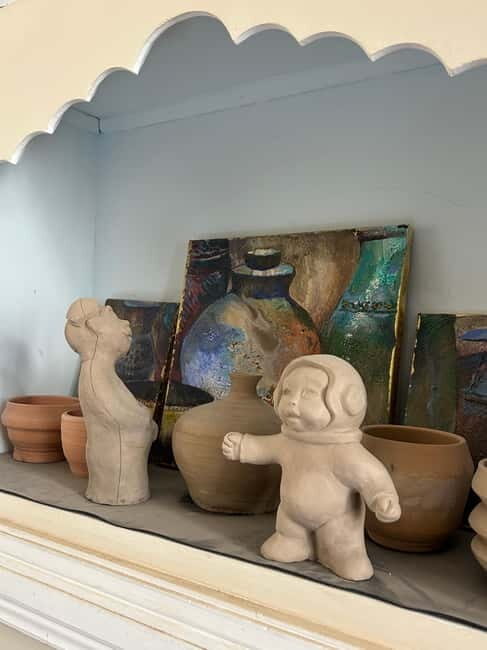
Most Tashkent tours try to do “sights” only. This one trades a chunk of that for things you can touch and make sense of. You walk through the craft mindset of Uzbekistan, then you do the craft yourself, then you eat the food that goes with it.
I like that it connects the dots. The pottery isn’t treated like a random class; it’s explained through the same cultural threads—Silk Road trade, textiles, ceramics, traditions in daily life—that shape what you see in Tashkent today.
And since it’s a private group, you’re not stuck watching while other people take all the attention. You get time to ask questions and actually get help.
You can also read our reviews of more food & drink experiences in Tashkent


Pickup, Timing, and What Your 3.5 Hours Will Feel Like
This experience runs about 3.5 hours, starting with pickup in Tashkent. Transportation to the workshop is included, but drop-off isn’t listed as included—so plan on either arranging a return or paying extra for hotel drop-off if offered.
The flow is simple:
- about 1 hour of guided cultural exploration,
- about 75 minutes at the workshop,
- about 45 minutes for lunch/dinner (food timing can vary a bit, but it’s designed to be a real break, not a quick stop).
There’s also a separate entrance to skip the usual wait. That matters in practice because time is tight, and you want more hands-on time, not standing in a line.
Bring comfortable shoes. You’ll be moving during the craft tour, and you’ll want to stand during parts of the pottery process.
The 60-Minute Craft Walk: Silk Road Threads You Can Actually Picture
The cultural part starts with crafts, and it doesn’t stop at “look at this.” You’ll hear how Uzbekistan fits into the Silk Road as a hub for detailed work—especially textiles and ceramics—and why that craft tradition stays strong.
Here’s what you’ll cover during the guided exploration:
- Silk Road significance (how trade routes spread materials and techniques)
- Traditional textiles and silk production
- Traditional doll making
- Differences in tribal crafts
- Local superstitions
- Uzbek household traditions
- Wedding customs
- Suzani embroidery history
- Ceramics and pottery
What I like about this list is that it’s not only art history. It’s social history—how objects show up in daily life and celebrations. That makes the pottery class later feel more meaningful. You’re not just decorating clay; you’re joining a long chain of patterns and preferences.
You’ll also get shopping time with a guide who can help with bargaining. That’s huge if you’re uneasy about pricing. With local support, you can focus on choosing pieces you truly like, instead of spending the whole time doing math and guessing.
Shopping With a Guide: Bargaining Help Without the Awkwardness
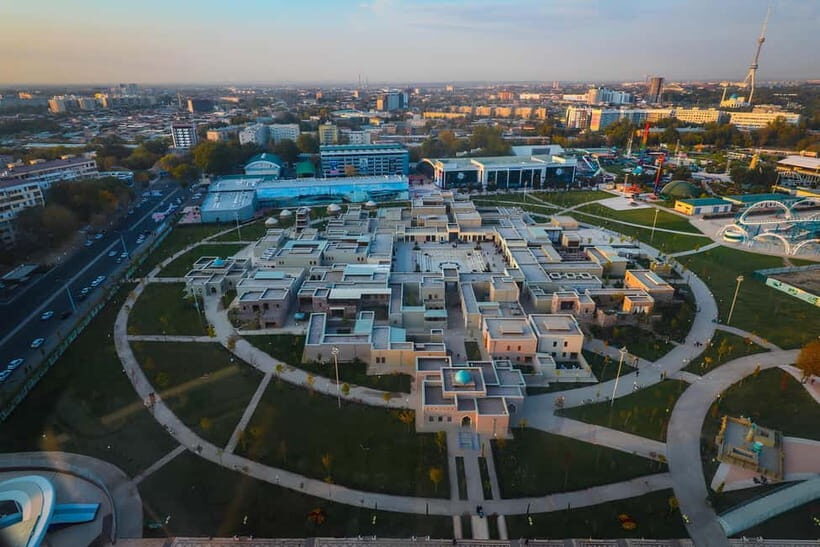
This is one of the most practical parts of the experience. You get time to look at crafts and souvenirs, plus help negotiating so you can get a fairer price.
In plain terms: it’s easier when someone who knows the market stands beside you. Guides can translate what you’re seeing, explain what’s handmade versus what’s mass-produced, and help you steer the conversation.
I recommend treating this like guided choice, not a pressure to buy. Decide what you’re after before you start:
- Do you want something textile-based, like embroidered items?
- Are you chasing ceramics with a pattern style you liked during the tour?
- Or do you want small, travel-friendly souvenirs?
If you do that, bargaining becomes less stressful and more like a negotiation about quality you can see.
The Workshop: How the Pottery Masterclass Actually Runs
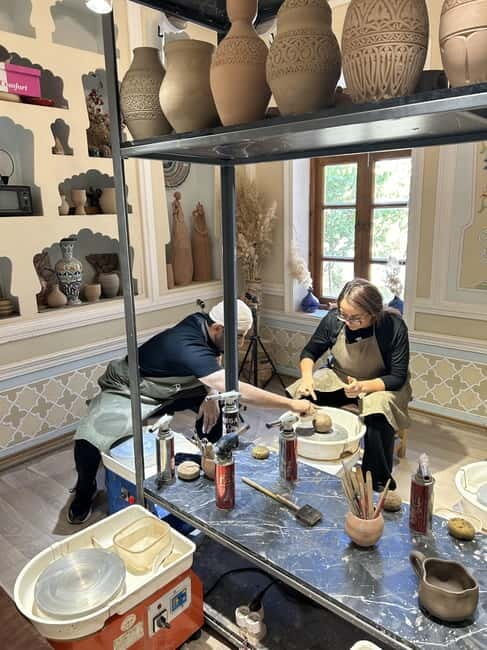
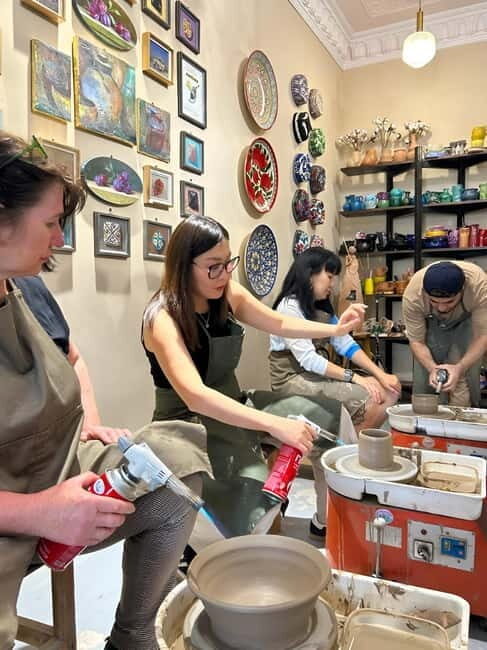
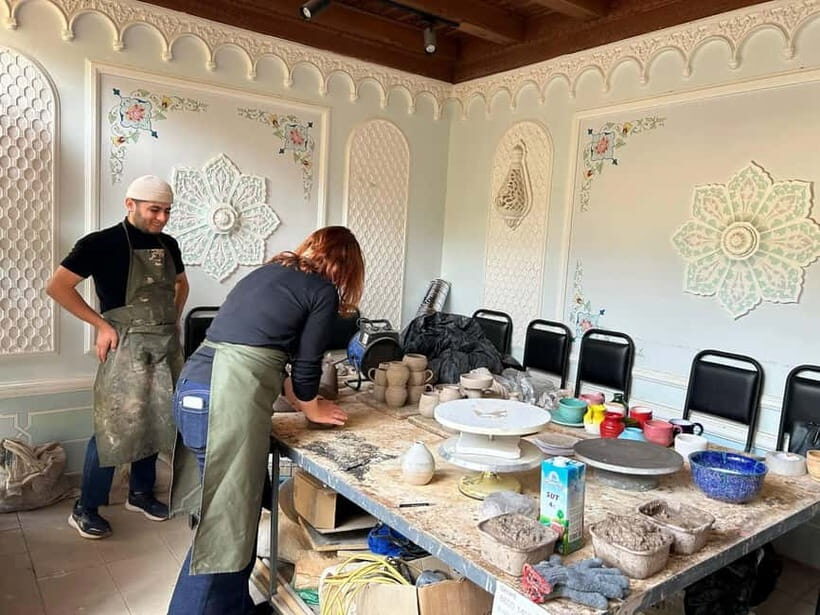
The workshop portion is where the experience turns from learning into doing. You’ll first get an introduction to the art of pottery, then move through the process in stages—guided by master artisans.
The parts of the masterclass go in this sequence:
- Introduction to pottery
- Clay preparation
- Picking your desired piece
- Wheel throwing or molding
- Initial drying
- Shaving and smoothing
- Decoration and patterns
Even if you’ve never made pottery, this structure is helpful. It breaks the craft down into manageable steps. You’re not expected to become a ceramic artist in one afternoon; you’re expected to follow the process and make something you can be proud of.
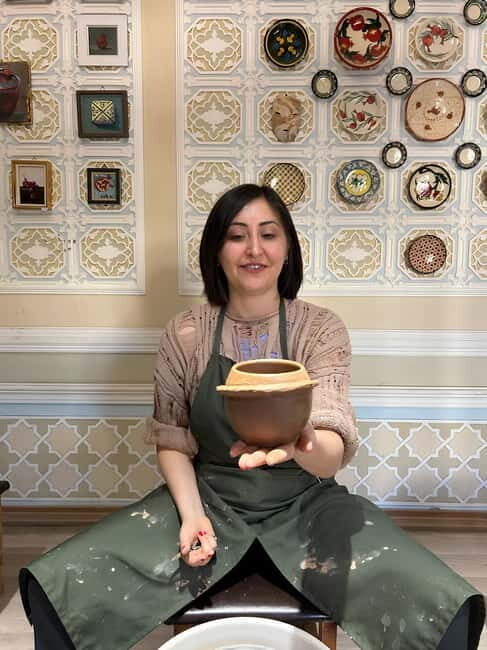
One detail I like from the reviews: the master potter is present and involved, and you get real guidance during the making, not just a quick demo. That support is what makes beginners feel capable.
A few more Tashkent tours and experiences worth a look


Wheel, Mold, Shape, Repeat: Your Piece From Clay to Design
The workshop doesn’t just teach theory—it gets your hands working. You’ll handle clay, choose a piece style, then shape it using wheel throwing or molding depending on the approach and your comfort.
After shaping, the process shifts from hands-on forming to careful finishing:
- initial drying so the form can stabilize,
- shaving and smoothing so your surface looks clean rather than lumpy,
- then decoration with patterns.
This is the stage where your design choices matter most. You’ll get instruction, but you’re not pushed into copying someone else’s work. The whole idea is to produce a final piece that feels like yours.
And yes—you should expect to make mistakes. That’s part of the pottery lesson. The good news: artisans know how to correct and guide without taking over the project. You’ll leave with a sense of what the craft is actually like.
Uzbek Lunch With Plov, Non, and Unlimited Green Tea
After pottery, you sit down. This meal is included and it’s designed to round out the cultural story you started with.
Your lunch/dinner includes:
- Freshly baked non (Uzbek bread)
- Salad choices: Shakarob (tomato and herb salad) and Kuzchi Kayfiyat salad
- Main course: plov (rice with lamb, carrots, and raisins)
- Unlimited green tea and water
In reviews, people often call out the green tea. I’d treat that as a small cue: slow down, drink a few cups, and let your brain shift gears after the workshop.
Also, the setting is described as pleasant—some groups mention a garden-like feel. Even if your specific table looks different, it’s meant to be a comfortable break, not a rushed cafeteria stop.
If you want extra sides, they can be ordered at an additional cost.
Price and Value: What $85 Buys You (and What You’re Not Paying For)
At $85 per person for about 3.5 hours, you’re paying for three things that usually cost extra when bought separately:
1) guided craft exploration,
2) a hands-on pottery session with materials and artisan guidance,
3) an Uzbek lunch with tea.
This is good value if you want more than a photo tour. It’s also good value if you’ve been craving something active rather than just walking through shops.
What you don’t get included: pottery shipment. If you choose to wait for your finished piece, it’s ready in about two weeks, and international shipping is available for an additional fee if you can’t collect it in person.
Also not included: drop-off back to your exact hotel. If your hotel is far, that may affect your day.
So I’d frame it like this: the price is fair for the combination of guide time + artisan time + materials + meal. It becomes a weak deal only if you’re hoping to pick up a finished pottery piece immediately (because you won’t).
Who This Pottery + Culture Tour Is Best For
This works best if you like making things, asking questions, and learning through objects.
You’ll probably enjoy it if:
- you want an early, grounded introduction to Uzbek crafts and traditions in Tashkent,
- you’re curious how Silk Road trade shaped ceramics and textile styles,
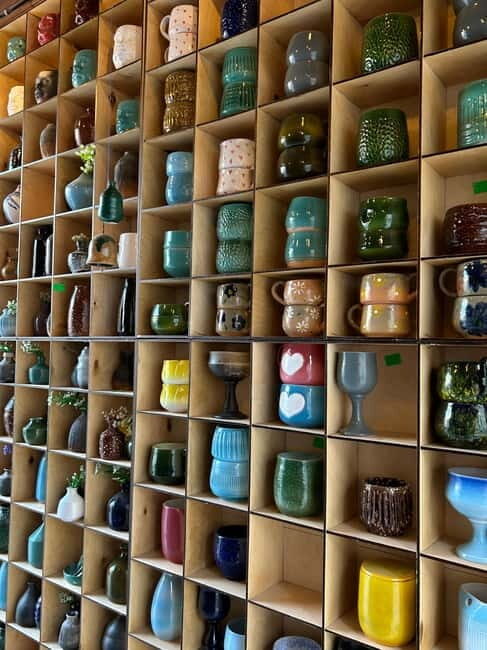
- you want a souvenir that isn’t just mass-produced,
- you like structured “do it with help” classes rather than free-form workshops.
It may not be the right fit if:
- you have back problems or mobility limits, since the experience is not suitable for wheelchair users and involves standing/walking during the cultural part and workshop,
- you need alcohol as part of your travel plan (alcohol isn’t allowed in the activity).
Should You Book This Tashkent Craft and Pottery Masterclass?
If you’re trying to decide between another museum hour and something more hands-on, I’d lean toward this. The strongest part is the pairing: the craft tour gives meaning to what you’re about to do, and the pottery class gives you a real, tangible result. Add the Uzbek lunch, and you get a complete half-day that feels local rather than staged.
Book it if you’re okay with the pottery timeline (finished in ~2 weeks) and you don’t mind that drop-off isn’t included by default. If those points work for you, this is the kind of activity that sticks in your memory because you made something, ate well, and learned how the pieces connect.
FAQ
How long is the Tashkent Uzbek culture, food, crafts, and pottery masterclass?
It runs about 3.5 hours total.
What does the price include?
Transportation to the workshop location, the guided cultural exploration, the traditional Uzbek lunch, the hands-on pottery masterclass, and materials plus guidance from expert artisans.
Do I take my pottery home the same day?
No. Your pottery needs time to dry and be fired in the kiln, and it’s ready in about 2 weeks.
Is pottery shipment available?
Yes, international shipping is available for an additional fee if you can’t collect it in person.
What’s for lunch?
You’ll have non (Uzbek bread), salad options including Shakarob and Kuzchi Kayfiyat salad, and plov (rice with lamb, carrots, and raisins). Green tea and water are unlimited.
Where does the tour start?
Pickup is from a location in Tashkent. Transportation to the workshop is included.
Is hotel drop-off included?
Drop-off is not included, but return to your hotel can be arranged for an additional fee.
What languages is the tour guide available in?
The live guide is available in English, Russian, Polish, and Uzbek.
Is alcohol allowed?
No. Alcohol and drugs are not allowed during the activity.
If you tell me your travel dates and whether you want to collect the pottery or rely on shipping, I can help you decide if this fits best on your Tashkent timeline.