REVIEW · TASHKENT
Tashkent Walking & Food Tour: Highlights + Local Flavors
Book on Viator →Operated by Odil · Bookable on Viator
Tashkent rewards the curious. This tour is a smart, small-group way to connect big monuments with daily life—then finish at Chorsu Bazaar for serious people-watching and food smells. I especially like the local-guide storytelling (Amir Timur, Independence Day symbolism, and what modern Tashkent is trying to be) and the chance to see the metro’s design as more than a commute. One thing to consider: the food part is more tasting and browsing than a sit-down meal, so go in hungry but expect optional purchases.
The pace is friendly and photo-friendly, but it still involves walking through several major city stops in a few hours. If you’re sensitive to crowds or want a slower, deeper museum-style visit, you may need to plan extra time on your own afterward—especially around the religious complex where there’s a lot to notice.
In This Review
- Key highlights to look for before you go
- A Smart First Taste of Tashkent: Timur Square to Chorsu
- What You’re Really Buying for $25: Guide time, not tourist shortcuts
- Walking the Modern Core: Amir Temur Square and Independence Square
- The Tashkent Metro Photo Stop: Alisher Navoi and Kosmonavtlar
- Ensemble Hazrati Imam: Madrasas, Mosque, and the Uthman Quran thread
- Chorsu Bazaar Food Time: Bread-making, spices, and sweet stalls
- Comfort, timing, and what to bring for 3–4 hours
- Who This Tour Fits Best in Uzbekistan
- Should You Book This Tashkent Walking and Food Tour?
- FAQ
- How long is the Tashkent Walking and Food Tour?
- How much does the tour cost?
- What’s the group size?
- Where does the tour start and end?
- What’s included and what’s not?
- Are there entrance fees for the Uthman Quran Museum?
- Can I cancel for a refund?
Key highlights to look for before you go
- Small group size (max 15) keeps questions easy and makes the walk feel personal
- Amir Temur Square + Independence Square gives quick context for modern Uzbekistan
- Art stations on the Metro line (like Alisher Navoi and Kosmonavtlar) turn underground travel into a sightseeing moment
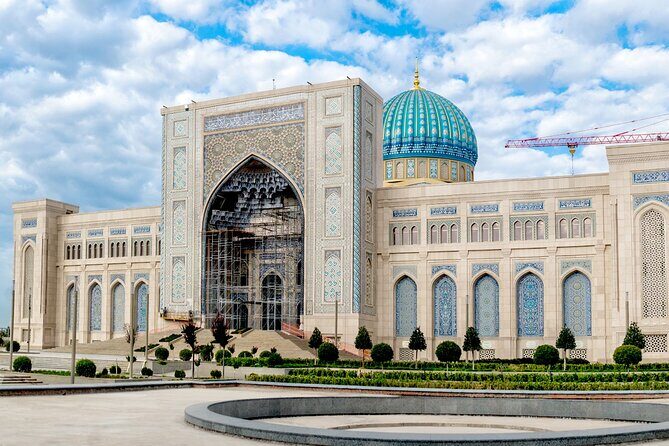
- Ensemble Hazrati Imam area includes the Barak Khan Madrasa, Tillya Sheikh Mosque, and Muyi Muborak Library
- Chorsu Bazaar is the main food hit: spices, dried fruit, sweets, bread-making, and vendor chat
A Smart First Taste of Tashkent: Timur Square to Chorsu
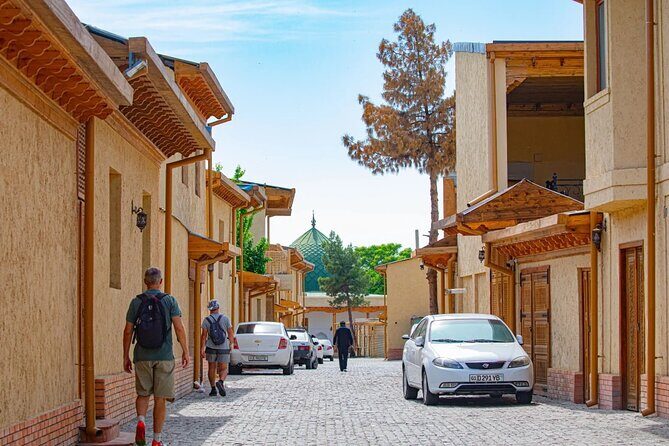
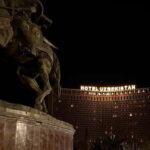
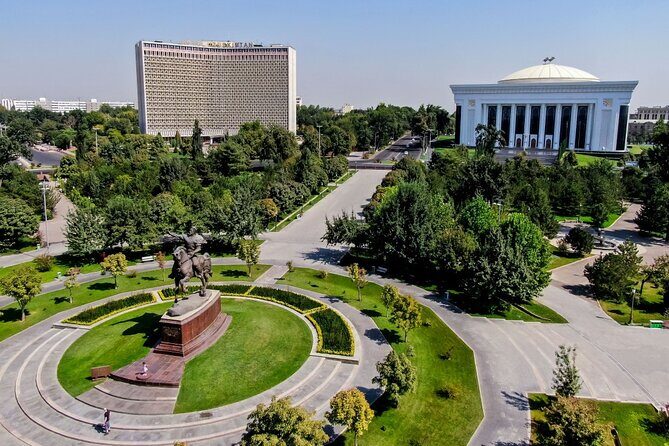
If it’s your first hours in Tashkent, this kind of tour helps you get your bearings fast. You start at Hotel Uzbekistan and head toward the city’s headline sights, but you’re not stuck in a “look, photo, next stop” rhythm. The guide weaves history into what you’re seeing—so the equestrian statue at Amir Temur Square stops being just a photo backdrop and becomes a national symbol. Then Independence Square adds a second layer: the Arch of Independence with stork decorations, the Monument to Independence, and the Eternal Flame.
By the time you reach Chorsu Bazaar, the tour changes tone. The mood gets more everyday: color from stalls, the scent of spices and dried fruits, and the steady rhythm of vendors doing what they do every day. That food-focused finish is exactly why I think this works well for newcomers—you don’t just learn Tashkent, you taste and smell it.
It’s also flexible. You can choose a walking tour, a local food tour, or a combined experience, depending on your energy and interests. That flexibility matters because Tashkent can feel big and spread out if you only see one “type” of attraction.
You can also read our reviews of more walking tours in Tashkent
What You’re Really Buying for $25: Guide time, not tourist shortcuts
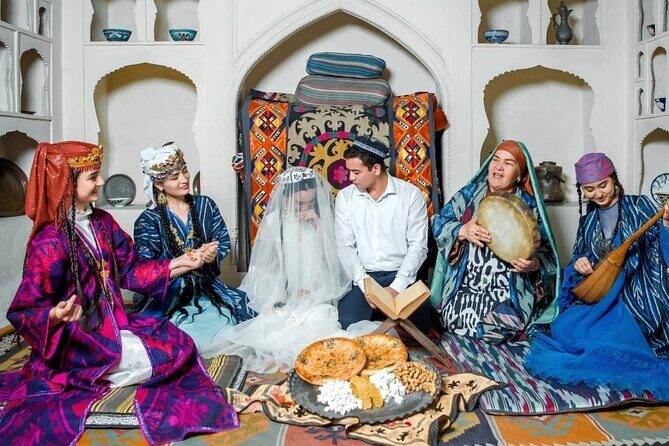
At $25 per person for about 3 to 4 hours, the value comes from one thing: a local guide who connects the dots. The itinerary hits major landmarks, but the tour’s real “product” is interpretation—explaining why Amir Timur matters, why Independence Day is marked the way it is, and how Soviet influence still shows up in Tashkent Metro design even with modernization.
You also get practical support. The tour uses a mobile ticket, and it meets near public transportation. For most people, that reduces friction—no complicated logistics, fewer chances to get lost, and less time figuring out where to stand for the best view.
Two more value signals from the experience design:
- It’s capped at 15 travelers, which keeps it from feeling like a cattle call.
- You have guide-led pacing through multiple areas, including a metro stop, so you’re not just taking pictures—you’re also learning what to look for.
One reality check: the “food” emphasis includes tasting opportunities and bazaar browsing, but the tour doesn’t read like a full banquet. If you want a guaranteed meal with courses and set dishes, you’ll need to plan that separately. Think of this as a guided introduction to Uzbek flavors and market culture.
Walking the Modern Core: Amir Temur Square and Independence Square
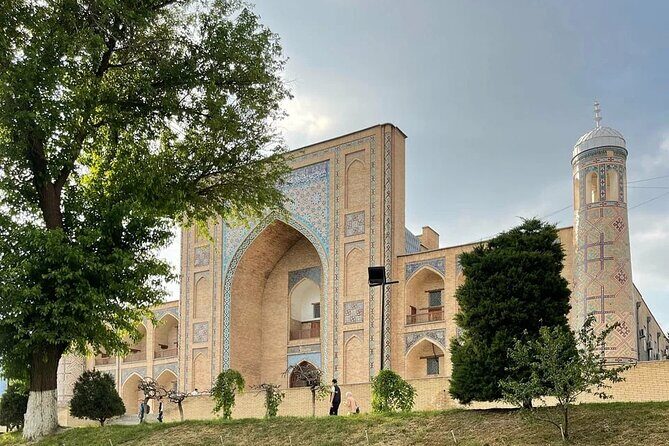
This is the part of the tour that makes everything else easier. Amir Temur Square gives you the big narrative hook: Timur (Tamerlane), his empire, and why he became a national symbol. You’ll have time to take photos with the equestrian statue and spot the grand Hotel Uzbekistan nearby—more than a landmark, it’s part of the modern city’s visual identity.
Then you walk through Independence Square, framed by a clear theme of national identity. The Arch of Independence decorated with storks is one detail that’s easy to miss when you’re walking alone, and the tour helps you notice it. You’ll also see the Monument to Independence of Uzbekistan and the Eternal Flame for fallen soldiers. It’s a short stop by design—around 25–30 minutes—but it gives you enough context to understand why people treat these spaces with care.
There’s also a shaded boulevard segment in between, described as a modern heartbeat with cafés, designer boutiques, and fountains. Even without naming every storefront, this stretch helps you feel how Tashkent balances monumentality with everyday life.
Possible drawback: since these stops are centered on public squares and monuments, some people may want more time for slower wandering. If you’re the type who likes reading inscriptions line-by-line, add an extra hour later in the day.
The Tashkent Metro Photo Stop: Alisher Navoi and Kosmonavtlar
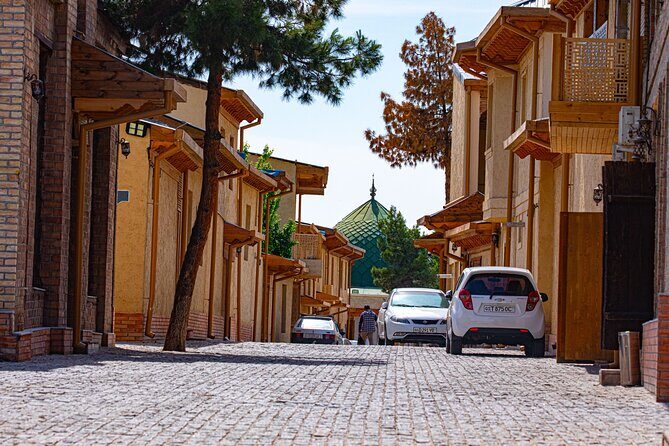
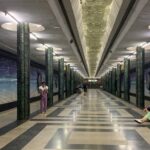
The Metro segment is one of the most memorable parts because it changes how you think about transit. Instead of treating the Metro as just getting from A to B, you get a mini guided tour between artistic stations—examples include Alisher Navoi and Kosmonavtlar.
The guide explains the design story: the role of Soviet influence and the way Tashkent has modernized and refreshed parts of the system. Then you get time to take impressive underground photos. This is where I’d recommend charging your phone early and keeping a light grip on your camera—because once you’re underground, you’ll want both hands free.
Important practical note: Metro entry isn’t included as part of the tour cost. That means you should plan to buy your own ticket. In one case, a guide even used a student pass to help the group get into the Metro while they were still figuring out payment. That’s kind, but don’t count on it. Bring enough small change or a payment method that works on Metro day.
Why it’s worth it: the Metro art is part of Tashkent’s everyday culture. Many visitors only see it as a commute. This tour makes it a quick cultural detour.
Ensemble Hazrati Imam: Madrasas, Mosque, and the Uthman Quran thread
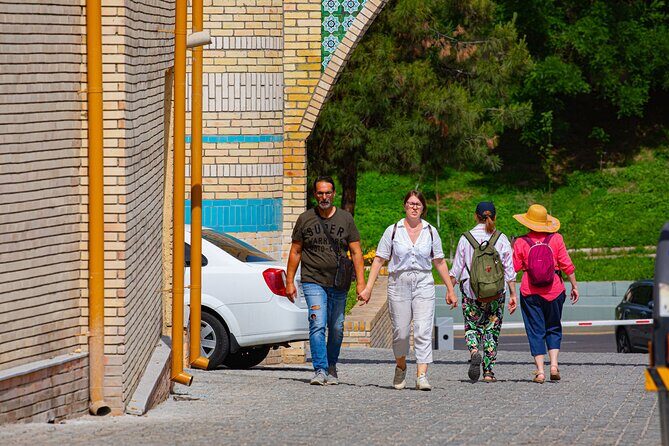
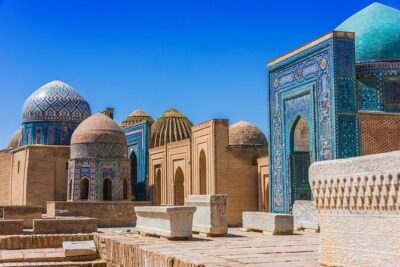
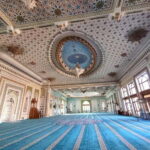
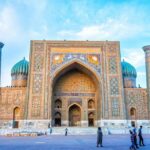
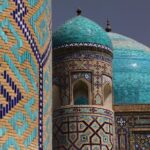
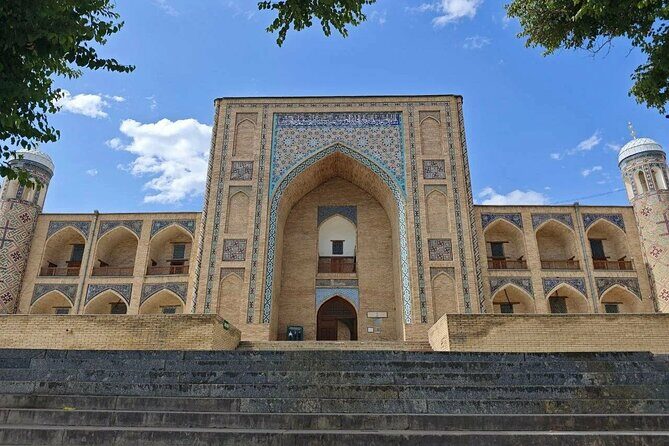
When the tour turns toward the religious complex, the pace feels different—in a good way. You’re guided through the Ensemble Hazrati Imam area, which includes the Barak Khan Madrasa, Tillya Sheikh Mosque, and the Muyi Muborak Library. You may also hear about the Uthman Quran, identified as the world’s oldest known Quran manuscript in the tour context.
This stop is set up as a sequence, not a single photo angle. The guide helps you understand how Islamic learning traditions shaped these places of study, worship, and manuscript preservation. Even if you only understand pieces of the story, you’ll notice the care in the architecture and the sense that this is a working religious and historical site, not a theme park.
A couple of specific points you’ll appreciate:
- The Barak Khan Madrasa is described as a 16th-century theological school with intricate facades.
- The Tillya Sheikh Mosque is framed as a beacon of Islamic tradition and a symbol of historical grandeur in Tashkent.
- The Muyi Muborak Library Museum is the manuscript-focused stop where the Uthman Quran is housed.
About access fees: several elements are marked as free, and the tour notes that access to the Uthman Quran Museum is usually free. Still, conditions can change on-site, so keep your expectations flexible—bring water, dress respectfully, and be ready for security rules if they apply.
One drawback to consider: this is one of the stops where you’ll likely want to slow down and pay attention, but the tour keeps each segment short (for example, the main ensemble time is about 30–40 minutes). If religious sites are a major priority for you, consider adding your own return visit after the tour ends.
You can also read our reviews of more food & drink experiences in Tashkent


Chorsu Bazaar Food Time: Bread-making, spices, and sweet stalls
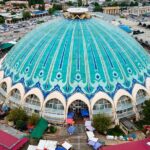
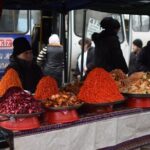
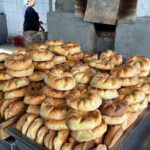
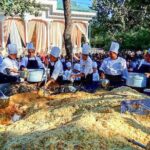
The final section turns into the fun, sensory pay-off: Chorsu Bazaar Tashkent. This is the place for spices, dried fruits, sweets, bread, and crafts. The tour gives you a reason to wander beyond the loudest stall—your guide points out what’s worth noticing and how vendors think about their products.
What makes the bazaar stop work on a food tour:
- You’re shown the ingredients people actually cook and snack on, not just displayed tourist souvenirs.
- You get a chance to watch traditional bread-making, which is one of those activities that feels simple until you see the process up close.
- You can interact with friendly vendors. It’s not staged; it’s market life.
There are also optional tasting moments. The tour description mentions optional local snacks at your choice, so bring a small budget for trial bites if you want more than just smells and photos.
Practical tip: bazaar air can be spice-heavy and warm, so keep your pace comfortable. If you’re carrying a bag, keep it zipped and secure—markets are busy by nature.
If you love food travel, you’ll leave with more than full stomach energy. You’ll understand the logic of the market: what’s sold, how it’s presented, and why people choose one stall over another.
Comfort, timing, and what to bring for 3–4 hours
This tour runs 3 to 4 hours and moves between key areas. The stop times add up quickly: Amir Temur Square (about 20–30 minutes), Independence Square (25–30 minutes), Metro segment (about 20 minutes), the Hazrati Imam complex (around 30–40 minutes with several short internal segments), and Chorsu Bazaar (about 30–40 minutes).
That makes the tour ideal for a first-day orientation. It’s long enough to feel like you did something substantial, but short enough to still enjoy dinner and your own exploring later.
What I recommend packing:
- Comfortable shoes (this is a walking-focused route)
- A light layer for indoor religious areas
- A charged phone for Metro photos
- A bit of cash for bazaar snacks, since optional tasting isn’t set as a free meal
Group dynamics: with a maximum of 15 travelers, you’ll have enough room to keep your pace and ask questions. Still, it’s a group tour—so expect short waits at transitions.
One more helpful detail: it’s a mobile ticket experience, and it’s set up to start and finish back at the meeting point near Hotel Uzbekistan. That means you can plan your other activities without worrying about a complicated end location.
Who This Tour Fits Best in Uzbekistan
This works best if you want a balanced first visit: big landmarks for context, Metro design for contrast, and a market finale for flavor. It’s also a strong match if you like talking with a guide and learning how local spaces function.
In the reviews, guides like Asrorbek and Muhammad get praised for being knowledgeable, clear, and friendly, with Asrorbek specifically highlighted for presenting history in an easy-to-follow way. There’s also a note about flexibility when someone needed a later start time, plus another review where a guide helped keep the Metro entry smooth. In other words, the quality isn’t just scripted talking points—it’s in how the guide handles real-time moments.
It may be less ideal if you:
- Want a strictly food-only experience with a guaranteed full meal
- Prefer slow, museum-level pacing without photo stops
- Are extremely sensitive to walking and religious-site etiquette
Should You Book This Tashkent Walking and Food Tour?
I’d book it if you’re landing in Tashkent and want a guided path that makes the city make sense—especially if you care about architecture, everyday markets, and getting your first photo-worthy Metro moments without stress. The $25 price looks fair for a guided route that covers multiple major areas in one go, with a strong ending at Chorsu Bazaar.
Skip it only if you’re mainly after a long, sit-down Uzbek food feast or you already planned to cover the same sights independently with more time. Otherwise, this tour is a practical shortcut to tasting and understanding Tashkent in a few hours.
FAQ
How long is the Tashkent Walking and Food Tour?
It runs about 3 to 4 hours.
How much does the tour cost?
The price is $25.00 per person.
What’s the group size?
The tour has a maximum of 15 travelers.
Where does the tour start and end?
It starts at Hotel Uzbekistan on Mirzamakhmud Musakhanov Street 45 and ends back at the same meeting point.
What’s included and what’s not?
Included: suggestions and the guide. Not included: entrance fees, and Metro access (Metro ticket is noted as not included).
Are there entrance fees for the Uthman Quran Museum?
The tour notes that access to the Uthman Quran Museum is usually free, but entrance fees are generally not included.
Can I cancel for a refund?
Yes. Free cancellation is available up to 24 hours in advance for a full refund.