REVIEW · TASHKENT
Food tour in Tashkent
Book on Viator →Operated by GOTOUZBEKISTAN · Bookable on Viator
Somsa first, sightseeing after. This Tashkent food tour turns a simple 9:00 am start into a neat sequence of Uzbek comfort food, from Nomdor somsa to big manti dumplings and a proper plov lunch. I like the market-and-restaurant mix, and I like that you’re not just eating in random places. You’re learning why the food matters in day-to-day Uzbek life.
The schedule is tight. You’re looking at about 4 hours total with roughly 40 minutes at each main stop, plus time for pickup and moving between them. One possible drawback: one review called out that the value can feel weighted toward the main meal, so be sure you’re comfortable with a tasting-style pace rather than an all-day feast.
In This Review
- Key things I’d bet you’ll care about
- Price and value: what $99 gets you in Tashkent
- 9:00 am pickup and the small-group rhythm
- Stop 1: Nomdor Somsa Osh Markazi and the joy of juicy pastry
- Stop 2: MANDU – Hadra for big manti dumplings
- Stop 3: Chorsu Bazaar Tashkent for bread, dried fruit, and sweet bites
- Stop 4: Besh qozon plov center lunch and how plov anchors the meal
- The guide factor: stories that make the food stick
- Who this tour fits best (and who might want a different style)
- Should you book this Tashkent food tour?
- FAQ
- What is the duration of the food tour in Tashkent?
- How much does the tour cost?
- What’s included in the price?
- What are the main stops on the itinerary?
- Is pickup available?
- What is the cancellation policy?
Key things I’d bet you’ll care about
- Small group size: capped at 13 people, which usually means less waiting and more chance to ask questions.
- Four clear food stops: somsa, manti, Chorsu Bazaar tasting time, then plov lunch.
- Air-conditioned vehicle + bottled water: a practical win when the day gets warm.
- Local guide stories, not just explanations: you’ll hear about how ingredients and traditions get passed down.
- Tickets handled for you: admission tickets are included at the stops, so you spend less time figuring things out.
- Focused timing: about 40 minutes per stop, so you cover more of the city’s food scene without dragging.
Price and value: what $99 gets you in Tashkent
At $99 per person for about 4 hours, you’re paying for three things: guided context, guided logistics, and a structured food tasting. The value is best if you’re trying to do two jobs at once: eat well and see more than one neighborhood stop.
Here’s what’s included that actually helps your day:
- Lunch at Plove Center (listed as included)
- Air-conditioned vehicle (key for comfort)
- Local guide
- Bottled water
And the itinerary also notes admission tickets are included at each stop, which reduces the usual “nickel-and-dime” feeling.
Your money probably won’t feel like a bargain if you’re expecting a slow, lingering buffet-style tour with lots of free roaming. But it does feel fair when you consider the guide work, the organized stops, and the fact you’ll hit both a market and sit-down food moments in the same outing.
One more value signal: the tour is commonly booked about 33 days in advance on average. That doesn’t mean it will sell out instantly, but it’s a hint to plan ahead if your dates are fixed.
You can also read our reviews of more food & drink experiences in Tashkent
9:00 am pickup and the small-group rhythm
The tour starts at 9:00 am, and pickup is offered. It’s also noted as near public transportation, which helps if you want a backup option and you’re arriving independently.
With a maximum of 13 travelers, the pacing usually works like this: you get in, you move, you eat, you move again. Expect short explanations and prompt transitions. That structure is great for first-timers who want food and orientation without getting overwhelmed.
And yes, the air-conditioned vehicle matters. Even a short ride between food stops can refresh you, and bottled water is one less thing to think about. The tour also uses a mobile ticket, so keep your phone ready at the start time.
Stop 1: Nomdor Somsa Osh Markazi and the joy of juicy pastry
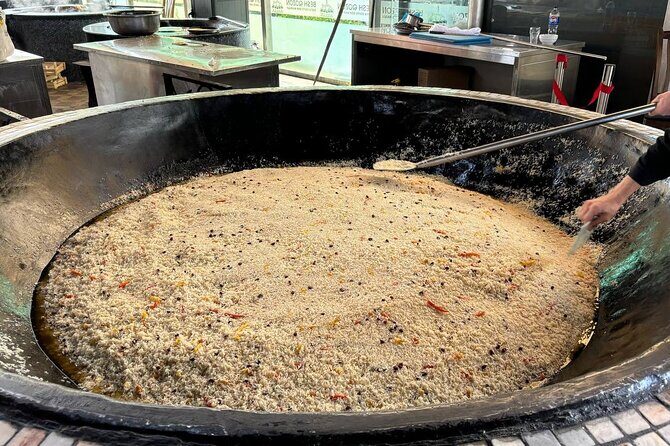
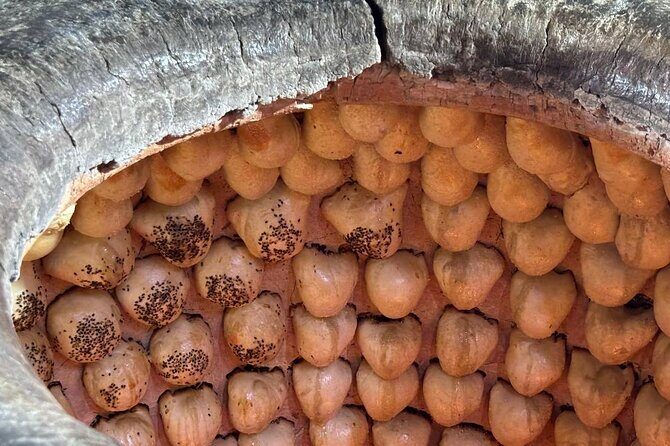
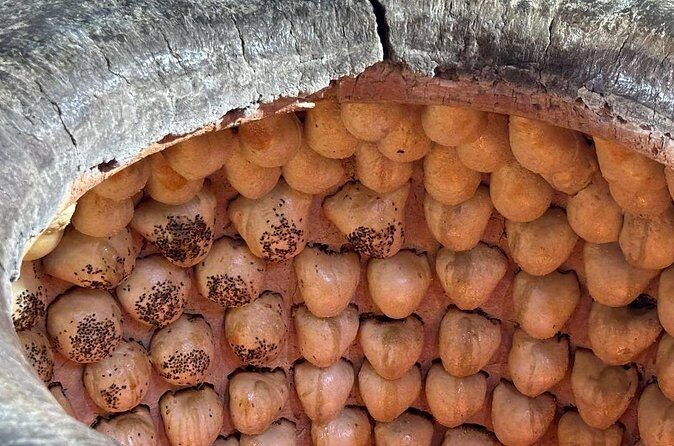
Your first stop is Nomdor Somsa Osh Markazi, where you’ll focus on nomdor somsa. This is a popular style of Uzbek somsa: a savory pastry with a juicy, well-seasoned filling, often made with minced lamb or beef, onions, and spices.
What I like about starting here is that it’s immediately readable. You don’t need to be a food expert to judge a good somsa. You can spot quality by the filling and how the pastry behaves. If it’s done right, you get that satisfying contrast: crisp-ish outside, hot filling inside, with the spices doing their job.
How this stop fits the overall tour:
- It sets the tone for Uzbek comfort food
- It gets you into a rhythm quickly, before the day turns into more moving around
A practical consideration: pastries are best enjoyed while they’re hot. If you tend to prefer taking your time, don’t worry, just plan to eat fairly soon after you’re served.
Stop 2: MANDU – Hadra for big manti dumplings
Next up: MANDU – Hadra for manti. Manti are beloved across Central Asia, and in Uzbekistan you’ll typically see large dumplings filled with minced lamb or beef, onions, and sometimes pumpkin or potato.
What makes manti a smart second stop is the texture shift. Somsa is handheld pastry; manti is all about the dumpling experience. You’re learning two different traditions at once: baked or pastry food first, then dumplings with a heavier, more filling feel.
What to listen for from your guide:
- how the filling is built (meat + onion, plus spices)
- why certain regional add-ins like pumpkin or potato show up
- how these dishes stay relevant through generations
This is also where you’ll likely get the most “food history in plain language” vibe. One review praised the guide for being accommodating and sharing interesting stories about life in Uzbekistan, and that kind of conversational context tends to hit hardest once you’ve eaten something and can react to the flavors.
Stop 3: Chorsu Bazaar Tashkent for bread, dried fruit, and sweet bites
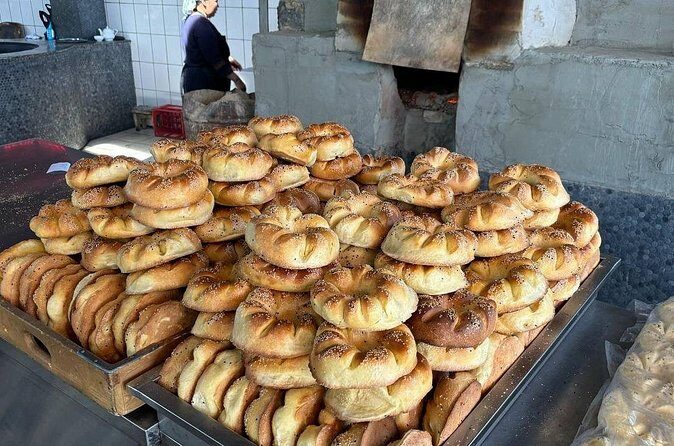
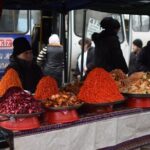
Then you shift from a focused eatery stop to Chorsu Bazaar Tashkent, one of the city’s famous market experiences. This is where the tour becomes about more than just meals. You get a taste of everyday Uzbekistan: spices, produce, vendors calling out, and snacks that feel made for quick sharing.
The tour description highlights what you might encounter here:
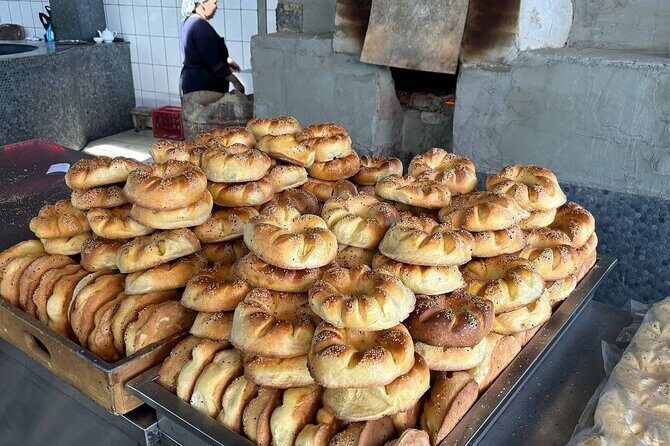
- freshly baked bread
- dried fruits
- traditional snacks
- artisanal sweets
This stop is valuable because a bazaar is where cooking traditions become visible. Flour turns into bread. Dried fruit becomes a pantry staple. Spices become the reason dishes taste like themselves. Even if you don’t buy anything, you’ll learn how Uzbek ingredients move from market to kitchen.
One realistic consideration: markets can be crowded and sensory-heavy. Wear comfortable shoes and don’t plan on studying every stall like you’re shopping for a week. Treat it as a guided sampling and cultural orientation moment.
Also, keep an eye on your timing. Since you only have about 40 minutes here, you’ll get the best experience if you focus on the guide’s suggestions rather than getting pulled in too many directions on your own.
A few more Tashkent tours and experiences worth a look


Stop 4: Besh qozon plov center lunch and how plov anchors the meal
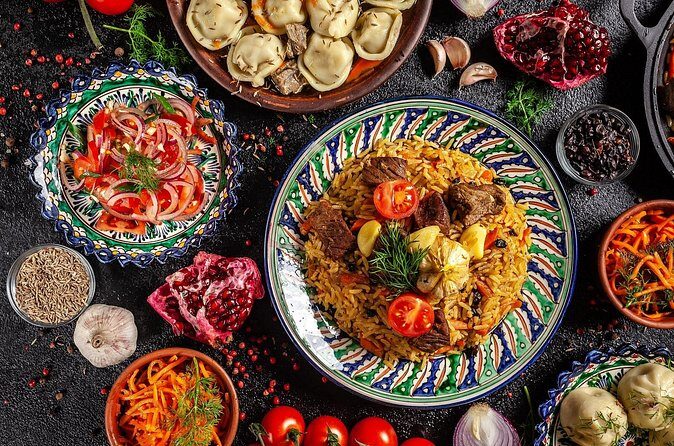
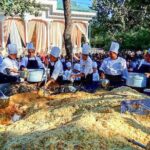
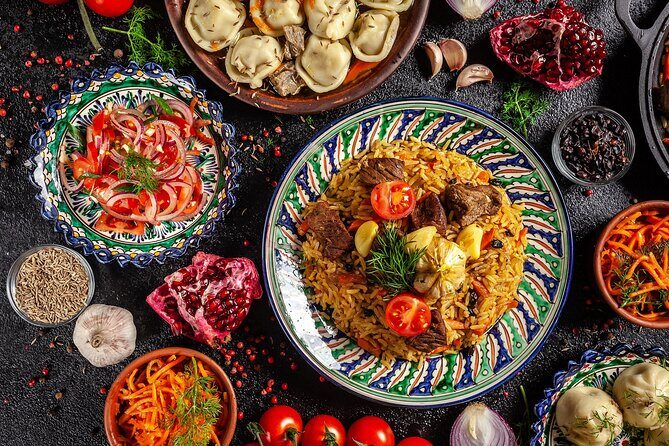
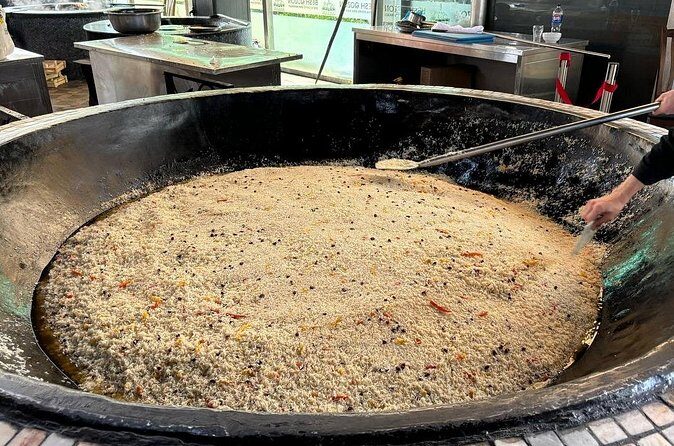
Finally: Besh qozon plov center. Plov is the centerpiece dish in many Uzbek meals, and in a food tour like this it does a job beyond taste. It’s the finale that turns your earlier bites into a full, satisfying day.
Your lunch is listed as included at the Plove Center, and this last stop matches that idea perfectly. After somsa and manti, plov usually feels like the meal that makes the tour land in a practical way: warm, filling, and built for appetite.
Here’s what plov does culturally:
- It’s comfort food you can understand fast
- It shows how rice, meat, onions, and spices come together in a single plate
- It’s the kind of dish people remember, not just taste briefly
This is also where the review feedback matters. One review suggested the tour can feel like the last meal is the main value moment. That makes sense because a plov lunch is the biggest “food payoff” on the itinerary. If you want maximum satisfaction, you’ll likely love that the tour ends here. If you’re hoping for equal-sized tastings at every stop, set your expectations for a more structured progression.
The guide factor: stories that make the food stick
A food tour lives or dies on the guide, and this one seems to have that covered. One review specifically mentioned a guide who was accommodating and shared interesting stories about himself and life in Uzbekistan. Another praised the guide and driver and called out on-time pickup plus visiting markets and restaurants.
Even without a long written lecture, the best guides do two things:
- They explain ingredients in a way you can taste, not just memorize.
- They make traditions feel connected to real daily life.
In this tour, the description says your guide will share ingredient details and the cultural significance of the foods you’re sampling. That’s exactly what you want when you’re moving quickly from stop to stop. You don’t want a history class. You want a simple story you’ll remember while you’re eating.
And since the group is small (up to 13), you should have a decent chance to ask questions instead of being swallowed by a crowd.
Who this tour fits best (and who might want a different style)
This works especially well for:
- First-timers in Tashkent who want to orient through food stops
- Food lovers who like a plan rather than wandering all day
- People who prefer guided market time without having to figure out what to try
- Anyone who appreciates comfort logistics, thanks to the air-conditioned vehicle and bottled water
It may be less ideal for:
- People who want a slow, lingering experience at each venue
- Anyone who expects a huge number of large meals across every stop
- Folks with very specific dietary needs, since the exact menu beyond the listed dishes isn’t spelled out in the provided info
Still, with most travelers able to participate and a manageable duration, it’s a solid match for many styles of visitors—especially those who want to taste major Uzbek staples in a single morning-to-early-afternoon block.
Should you book this Tashkent food tour?
If your goal is to get a guided hit of Uzbek staples—somsa, manti, and a plov lunch—plus a real taste of Chorsu Bazaar, then this is an easy yes. The structure is clear, the stops are logical, and the included essentials (guide, vehicle, bottled water, lunch, and admission tickets) reduce friction.
I’d book it if:
- you’re short on time and want a tight food schedule
- you like learning while you eat
- you’re okay with tasting-style pacing rather than endless refills
I’d think twice if:
- you want large, equal portions at every stop
- you’re the type who hates moving every 40 minutes
- you’re hoping for a broader set of dishes beyond what the listed stops cover
Overall, at $99 for about 4 hours, this is good value when you treat it as a guided sampler with a strong closing lunch. Come hungry, keep your questions ready for the guide, and you’ll leave with a real sense of how Uzbek comfort food shows up both in markets and in restaurants.
FAQ
What is the duration of the food tour in Tashkent?
The tour lasts about 4 hours.
How much does the tour cost?
It costs $99.00 per person.
What’s included in the price?
The price includes lunch at Plove Center, an air-conditioned vehicle, a local guide, and bottled water. Admission tickets are also included at the listed stops.
What are the main stops on the itinerary?
The tour includes Nomdor Somsa Osh Markazi, MANDU – Hadra, Chorsu Bazaar Tashkent, and Besh qozon plov center.
Is pickup available?
Pickup is offered, and the meeting point is noted as near public transportation.
What is the cancellation policy?
Free cancellation is available up to 24 hours in advance for a full refund.