REVIEW · KHIVA
Khiva day tour
Book on Viator →Operated by Silk Road Travellers · Bookable on Viator
Khiva’s old city packs a lot in one morning. This Itchan-Kala tour is built around the UNESCO fortress area, with stops that help you understand how power, religion, and daily life fit together, including Kalta-Minor and the madrasahs. I especially like the clear pacing (you’re not shoved through) and the fact that you get orientation fast in a big walled complex. One thing to plan for: the main admission ticket isn’t included, so you’ll want cash/card ready and time for that step.
You start at Itchan Kala A at 8:00 am, and you circle back to the same meeting point. I also like that the experience includes bottled water and A/C comfortable transportation, which matters in Uzbekistan’s heat. In the reviews, guides like Charos are praised for being punctual and sticking to the itinerary even on hot days, and that’s exactly what you want from a day tour.
In This Review
- Key Things You’ll Notice on This Khiva Day Tour
- Itchan-Kala Gets You Oriented Fast
- Start Time, Pickup, and How the Day Flows
- Stop 1: Itchan-Kala Fortress and the Monument List That Actually Teaches
- Mukhammad Aminkhan Madrasah: Education as Power
- Mukhammad Rahimkhan Madrasah: Spot the Differences
- Kalta-Minor: The One You’ll Remember
- Kunya-Ark: The Government Angle
- Juma Mosque: Worship in an Everyday Setting
- Tash-Khovli Palace: The Life Behind the Walls
- Pakhlavan Makhmud Mausoleum: A Human Story
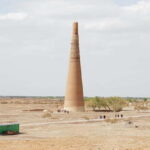
- Minaret of Islam-Khoja: A Vertical Marker for the Whole Route
- Guide Quality and Pacing: The Real Value Add
- Price and Value: What $60 Gets You in Khiva
- What to Bring: Simple Moves That Make the Day Easier
- Should You Book This Khiva Day Tour?
- FAQ
- What does the Khiva day tour include?
- Is the admission ticket included?
- How long is the tour?
- Where does the tour start and end?
- Is pickup available?
- Is this a private tour or a group tour?
- When should I book?
- What is the cancellation policy?
- Is the tour suitable for most travelers?
Key Things You’ll Notice on This Khiva Day Tour
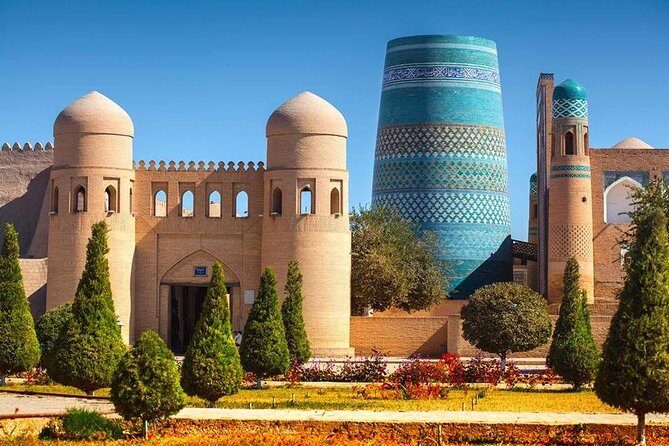
- UNESCO focus in Itchan-Kala: you’re not just sightseeing points on a map, you’re learning the fortress story.
- Two madrasahs with different roles: Mukhammad Aminkhan Madrasah and Mukhammad Rahimkhan Madrasah help explain education and patronage.
- Iconic landmarks in one loop: Kalta-Minor, Juma Mosque, Kunya-Ark, and the minaret of Islam-Khoja are all part of your walking route.
- A guide who adjusts to your pace: the best value is how the guide keeps the tour organized without rushing you.
- Heat-smart comfort: bottled water plus A/C transport is a real win in mid-day sun.
- Private group feel: it’s a private tour/activity, so only your group participates.
Itchan-Kala Gets You Oriented Fast
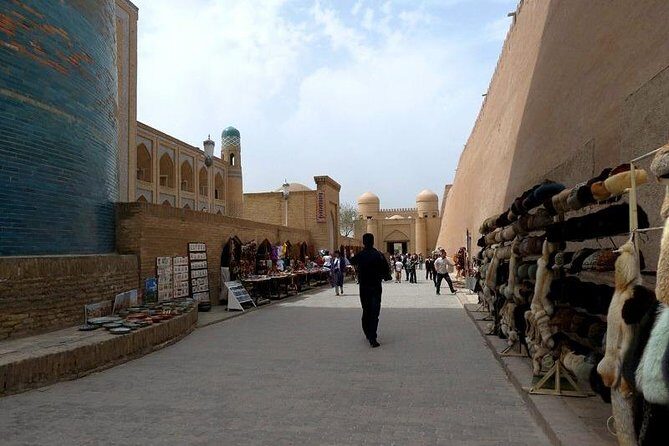
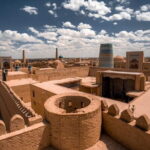
Khiva’s old town is the star, and Itchan-Kala is the reason why. Even if you love wandering, the fortress walls and tight streets can feel like a maze on day one. This tour solves that problem by clustering the big monuments into a sensible route, so you learn what to look for and why it mattered.
The UNESCO status isn’t just a label here. You’ll be moving through the core spaces tied to learning, worship, government, and burial traditions. In a handful of hours, you’ll connect the dots between the architecture and the people who built and used it.
If you’re the type who enjoys context—why a building exists, how it was used, what features to notice—you’ll get extra value. If you just want photos, you can still enjoy it, but you might feel like you’re walking with someone who wants to explain everything. That’s usually a good thing.
You can also read our reviews of more tours and experiences in Khiva.

Start Time, Pickup, and How the Day Flows
The tour kicks off at 8:00 am from Itchan Kala A (Болтаева-41, 220900, Xiva). You end back at the meeting point, which keeps the logistics simple when you still want time later for independent exploring.
Pickup is offered, so if that’s available for your exact booking, it reduces hassle in the morning. You’ll also travel by A/C comfortable transportation, and bottled water is included. That combo sounds small, but in real life it helps you keep your energy for the walking portion.
This is a 5 to 6 hour experience, so plan it as your main Khiva activity. It’s long enough to feel like you did something substantial, but short enough that you can still enjoy the rest of the day at your own pace—especially if you want to revisit favorite courtyards or stop for tea.
Stop 1: Itchan-Kala Fortress and the Monument List That Actually Teaches
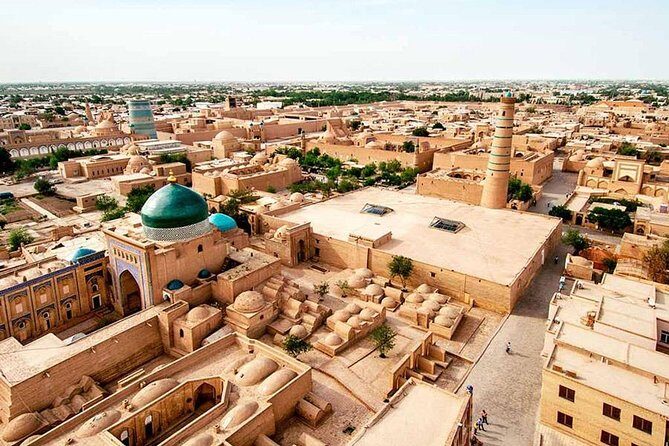
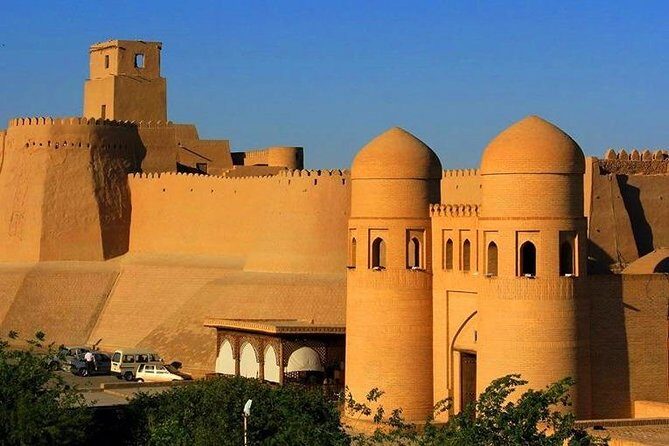
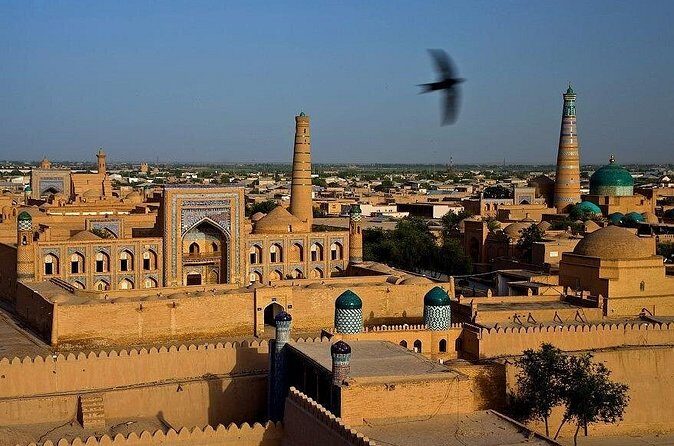
Your first stop is Itchan-Kala itself, the walled UNESCO fortress area that holds the key monuments. The tour isn’t just a list of sights—it’s arranged so each place adds a piece to the bigger puzzle.
You’ll cover:
- Mukhammad Aminkhan Madrasah (1851–1854)
- Mukhammad Rahimkhan Madrasah (1876)
- Kalta-Minor (1855)
- Kunya-Ark (XVII–XIX c)
- Juma Mosque (XVIII c)
- Tash-Khovli Palace (XIX c)
- Pakhlavan Makhmud Mausoleum (1701)
- Minaret of Islam-Khoja (XIX c)
One practical note: admission ticket is not included. That means the guide can’t magically skip that step when you arrive at paid areas. The good news is you’re told up front, so you can budget time and money without surprises.
Mukhammad Aminkhan Madrasah: Education as Power
The Mukhammad Aminkhan Madrasah (1851–1854) is a great starting point because madrasahs were more than classrooms. They were also symbols of status and influence—places where rulers funded education and faith together.
As you look around, you’ll want to pay attention to scale and details that signal function. This stop helps you understand how scholarship and religious authority were connected in Khiva’s heyday. If you’ve been to other Central Asian cities, madrasahs can feel repetitive. Here, the guide’s job is to explain what makes each one distinct, so you don’t end up with a “same building, different name” experience.
A downside to keep in mind: if you’re not into learning architecture details, madrasahs can feel like one more hall. The best tours keep it lively by tying the building to people and purpose, and the comments about guides staying organized and not skipping parts suggest this one does.
Mukhammad Rahimkhan Madrasah: Spot the Differences
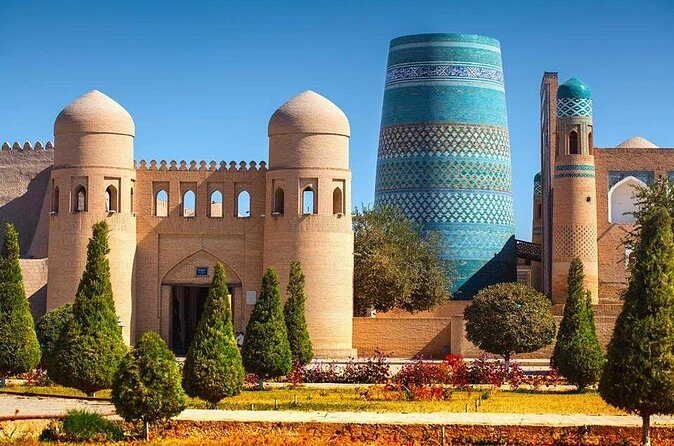
Next comes Mukhammad Rahimkhan Madrasah (1876). This is where the tour earns its keep. Seeing two madrasahs back-to-back gives you a real chance to compare—what changes in design and what stays consistent in the educational and religious spirit.
Even if you only catch a few key points, you’ll leave with a better mental map: you start to recognize what makes a madrasah a madrasah, and you also learn how patronage and time periods can shape what you see.
This is also where a good guide’s pacing matters. The reviews highlight tours that don’t feel rushed, which is exactly what you need when you’re doing multiple closely packed monuments.
Kalta-Minor: The One You’ll Remember
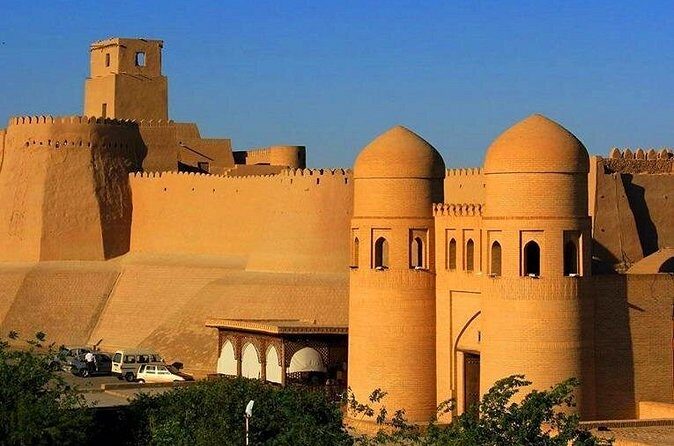
Kalta-Minor (1855) tends to be the monument people picture even before they arrive. It’s the kind of structure that instantly tells you: this town takes architecture seriously.
In a day tour, you want at least one stop that gives you that wow factor, not just “another doorway.” Kalta-Minor delivers that. It’s also a perfect place to pause and take in surrounding buildings so the rest of the route makes more sense.
If it’s very hot, plan to drink water and take a slower pace here. Even with transport and bottled water, the walking inside a fortress can add up fast. Starting at 8:00 am helps, but the sun can still be strong later in the morning.
Kunya-Ark: The Government Angle
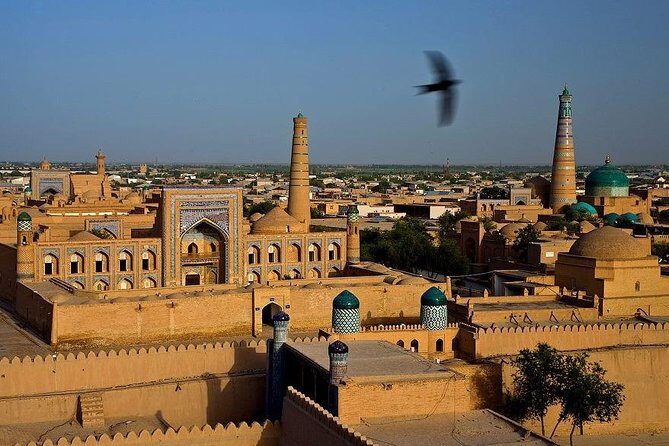
Kunya-Ark (XVII–XIX c) brings the story closer to power and administration. Instead of focusing only on faith, you’ll see the civic side—how rulers and governance operated in the fortress.
This stop is valuable because it balances the religious buildings. Itchanka-la isn’t only mosques and schools. It’s also where leadership lived and made decisions, and that changes how you interpret the layout.
If you like history that connects buildings to real-life roles, Kunya-Ark is the stop where it starts clicking. If you prefer pure visual stops, you might wish you could slow down and watch how the space feels. Either way, you’ll understand more after it.
Juma Mosque: Worship in an Everyday Setting
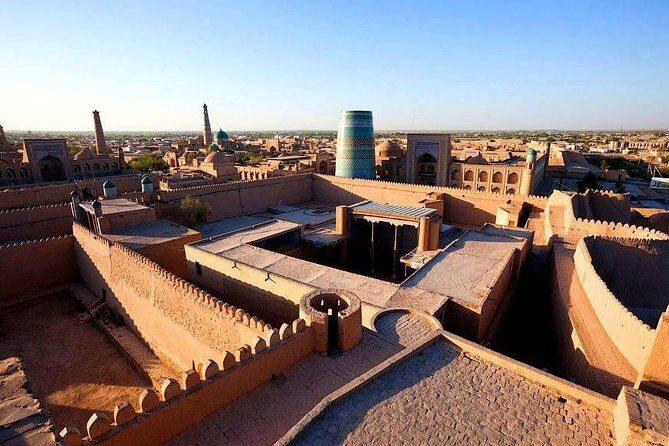
The Juma Mosque (XVIII c) is a key religious landmark. It’s the kind of place that helps you understand how worship wasn’t separated from daily life; it was woven into the center of the community.
What I like about including a mosque in a day tour is that it gives you a human anchor. Even when you’re far from the original era, you can still sense how these spaces were designed for group worship and ritual movement.
One consideration: mosques can have specific visiting norms depending on the day and current rules in place. The tour info doesn’t list dress guidance, so use common sense—cover what you can and be respectful. A tour with a guide usually helps you avoid awkward mistakes.
Tash-Khovli Palace: The Life Behind the Walls
Tash-Khovli Palace (XIX c) shifts the focus toward residence and court life. A palace stop matters because it helps you understand that the fortress wasn’t only a religious learning zone. People lived there, and ruling systems worked there too.
This is also a good moment to look beyond single photos. Notice how the palace relates to the surrounding structures—how movement and access likely worked. When you see it within the full route, you start building a mental map instead of collecting isolated shots.
Pakhlavan Makhmud Mausoleum: A Human Story
Pakhlavan Makhmud Mausoleum (1701) brings in the personal side of the city. Mausoleums aren’t just architectural features; they’re memory and respect turned into stone.
This stop can feel quieter than the biggest monuments, which is why it’s a smart addition. After the big-name sights, you need one place that slows you down and lets the story land.
If you’re the kind of visitor who likes to understand who matters to the local culture, this is the stop that often makes the tour feel more than a checklist. It also breaks the rhythm nicely so you’re not overloaded by only grand buildings back-to-back.
Minaret of Islam-Khoja: A Vertical Marker for the Whole Route
The Minaret of Islam-Khoja (XIX c) gives you a vertical reference point. Minarets help you orient even when you’re walking through tight alleys, because you can use that tall landmark to judge where you are.
This makes the minaret stop especially useful on a day tour. Even if you don’t spend ages in any one place, you can still feel like you’re moving through a coherent plan. The guide’s explanations likely make the architecture feel less random.
When it’s hot, try to pace yourself during your climb-or-view time if there’s a section you can enter. The tour includes bottled water, but you’ll still want to listen to your body.
Guide Quality and Pacing: The Real Value Add
Here’s where this tour’s reputation shines. The standout feedback points are consistent: friendly, well-prepared guiding, and a tour that feels paced instead of rushed.
One specific name that comes up is Charos. The notes about her being on time, not skipping itinerary parts, and handling a very hot day with the same structure are exactly what you want. A good guide does two things at once: they keep the day moving and they make the time feel worthwhile.
Another praised point is the guide’s ability to respond to what you care about. If you’re interested in history and architectural purpose, you’ll likely get plenty. If you’re more photo-focused, you still get context, but it should stay organized. The key is not getting yanked forward every time you stop to look.
Price and Value: What $60 Gets You in Khiva
At $60 per person for about 5 to 6 hours, the real question is what’s included versus what you pay extra. You get:
- bottled water
- a professional guide
- A/C transportation
- pickup offered (if available for your booking)
- a private tour feel for your group
- a mobile ticket
What’s not included:
- all fees and taxes
- personal expenses
- and the admission ticket for the sites you visit
So the value depends on your plans. If you were going to hire a guide anyway, this price can be a strong deal, especially because you’re covering multiple major monuments in one organized loop. If you prefer to go fully on your own, then the added cost may not feel worth it, especially if you’re comfortable reading signs and using maps.
Also, booking trends matter in small cities. This is often booked about 36 days in advance on average, which suggests it’s popular and dates can fill up. If your travel dates are fixed, book earlier rather than later.
What to Bring: Simple Moves That Make the Day Easier
This tour includes bottled water, but you’ll still want to come prepared for a morning that can turn warm. Bring:
- a hat and sunscreen
- comfortable walking shoes (Itchan-Kala is compact but can be uneven)
- a light layer if you get sun-sensitive
- any needed cash/card for the admission ticket and site-related fees
Also, start with the assumption that you’ll want to linger for photos. The tour is designed to cover a lot, but the best part is the understanding you build as you go. If you plan to rush through everything yourself, you may feel disappointed. If you’re open to stopping for short explanations, you’ll get far more out of each monument.
Should You Book This Khiva Day Tour?
If you want a structured first taste of Khiva’s UNESCO fortress core, I think this is a smart choice. The strongest reason to book is the combination of a guided route through major landmarks and feedback about pacing that doesn’t feel like a sprint. It’s also a good fit for people who want history and context without turning the day into a lecture.
You might skip it if you’re the type who prefers total freedom, you’re comfortable navigating the fortress on your own, and you don’t care about explanations. Also, if you hate paying separate admission fees, you’ll want to confirm the ticket situation ahead of time since admission isn’t included.
Overall, this is a practical, cost-conscious way to get your bearings in Itchan-Kala and understand what you’re seeing—without spending the whole day figuring it out.
FAQ
What does the Khiva day tour include?
It includes bottled water, the service of a professional guide, and A/C comfortable transportation.
Is the admission ticket included?
No. The admission ticket is not included.
How long is the tour?
The duration is about 5 to 6 hours.
Where does the tour start and end?
It starts at Itchan Kala A (Болтаева-41, 220900, Xiva) at 8:00 am and ends back at the same meeting point.
Is pickup available?
Yes, pickup is offered.
Is this a private tour or a group tour?
It’s private in the sense that only your group participates.
When should I book?
On average, this is booked about 36 days in advance.
What is the cancellation policy?
Free cancellation is available up to 24 hours in advance for a full refund.
Is the tour suitable for most travelers?
The information says most travelers can participate.