REVIEW · TASHKENT
Food tour in Tashkent
Book on GetYourGuide →Operated by GOTOUZBEKISTAN · Bookable on GetYourGuide
Four hours and your appetite learns fast. This Tashkent food tour is built around Uzbek cuisine staples and the markets that explain where the flavors come from. I like how the itinerary mixes proper sit-down tastings with a trip to Chorsu Bazaar, so you get both food and context. I also like that the guide is often in the name-brand zone when it comes to storytelling, with Ibrahim praised for explaining dishes and adding general knowledge.
One watch-out: the tour experience can depend on the guide’s depth and the exact mix of stops. One review flagged a day that leaned more toward mainstream-style meals, not only the spice and ingredient nerd stuff people usually come for.
In This Review
- Key Highlights You’ll Actually Care About
- Why This 4-Hour Tashkent Food Tour Feels Worth It
- Pickup in Tashkent and How the Tour Keeps Moving
- Early Tastings: Plov, Lagman, Manti, and Shashlik on the Same Route
- Chorsu Bazaar: The Market Stop That Explains the Snacks
- Besh Qozon Pilaf Center: Learning Plov Like a Local
- Lunch Included: What You’re Really Paying For
- How the Guide Makes or Breaks the Day (Including Ibrahim)
- What to Bring and How to Stay Comfortable
- Who This Tour Is Best For
- Should You Book This Tashkent Food Tour?
- FAQ
- How long is the Tashkent food tour?
- What’s included in the tour price?
- What dishes will I taste?
- Do I get a market stop?
- What languages are the guides?
- Is pickup included?
Key Highlights You’ll Actually Care About
- Small group (up to 10), which means more questions and less standing around
- Ibrahim-led storytelling is a real selling point when the guide matches your interests
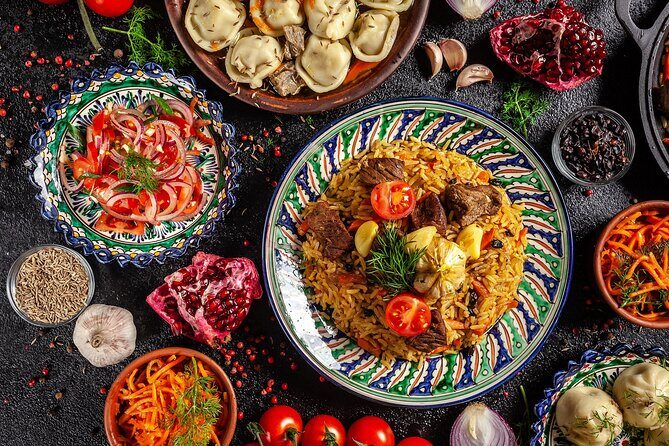
- Classic tastings like plov, lagman, manti, and shashlik (plus bread and sweets)
- Chorsu Bazaar for a photo stop and market-style food browsing
- Besh Qozon Pilaf Center focused on Tashkent’s most iconic dish
- Lunch included, so you’re not doing math mid-tour
Why This 4-Hour Tashkent Food Tour Feels Worth It
If you only have a short window in Tashkent, this kind of food tour does the job quickly. You get a set timeline, a guide, and multiple tastings, instead of trying to piece together a DIY route through markets and restaurants.
At $99 per person for a 4-hour tour with lunch, the value mostly comes from structure. A market visit alone can eat up time, and “food research” tends to cost more when you’re hungry and guessing. Here, you’re paying for guidance and a planned sequence of dishes like plov, lagman, manti, and shashlik—plus the bread-and-sweets moments that make Uzbek eating feel like more than just meals.
The tour is also built for learning, not only eating. You’ll hear the ingredients and cultural meaning behind what you taste, and that turns your memory into something useful after you leave.
You can also read our reviews of more food & drink experiences in Tashkent
Pickup in Tashkent and How the Tour Keeps Moving
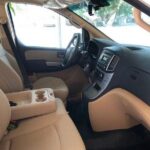
You’ll start with pickup in Tashkent (you provide your pickup location). From there, the tour uses a comfortable vehicle, which matters because food tours can go sideways when walking gets slow or logistics get messy.
The flow is time-boxed, with guided tastings at multiple points and one longer market-style stop. That’s why it works as a fast intro to the city: you’re not stuck waiting for one restaurant to be “the perfect one,” and you’re not bouncing between far-apart areas on your own.
Group size is limited to 10 participants, which helps you stay engaged. Smaller groups usually mean you can ask follow-ups about spices, cooking methods, or what you’re seeing at the counter—especially when you’re trying unfamiliar dishes.
Early Tastings: Plov, Lagman, Manti, and Shashlik on the Same Route
The best part of a short food tour is variety without chaos. Here, you’ll hit at least two guided food tasting segments where you’re guided through Uzbek favorites—exactly the kind of lineup people mention when they talk about the cuisine.
You can expect classic dishes on the menu of your tastings, including:
- Plov (Uzbek pilaf)
- Lagman (noodles with rich flavors)
- Manti (dumplings)
- Shashlik (grilled meat)
What makes this useful for you isn’t just that the dishes are famous. It’s that your guide can connect the dots—what ingredients are doing, why the flavors work together, and how these foods fit into everyday life in Uzbekistan.
If you’re new to Uzbek food, this early chunk helps you learn how to “read” the meal. For example, you’ll get practice distinguishing heavy, rice-forward dishes like plov from noodle-based comfort like lagman, then move into dumpling and grilled meat textures. That order makes it easier to remember what you liked and why.
One practical note: if you have a sensitive stomach, go slow at the first tastings. You’re eating multiple dishes in a row, and even great food can feel like too much if you rush.
Chorsu Bazaar: The Market Stop That Explains the Snacks
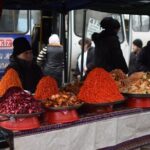
Chorsu Bazaar is where you stop treating Uzbek food as a list of dishes and start seeing it as ingredients, aromas, and shopping habits. This stop includes a guided visit plus a photo stop, and it’s paced as part of the 4-hour program rather than a long detour.
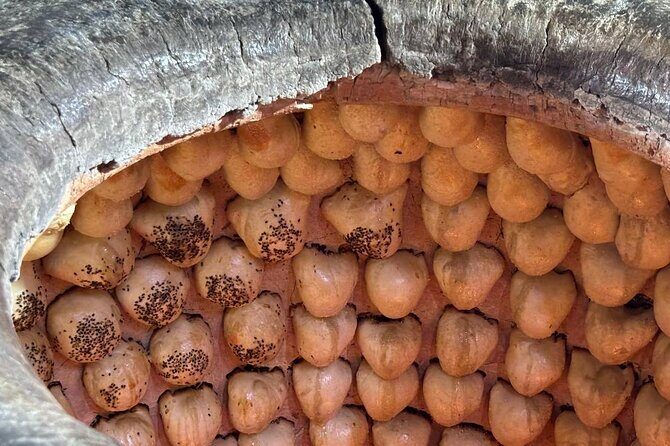
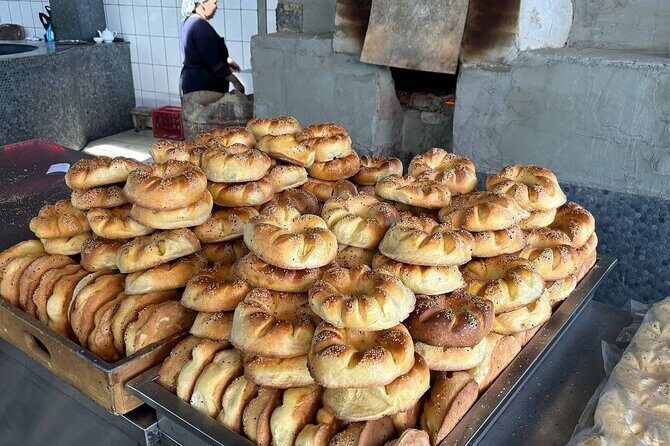
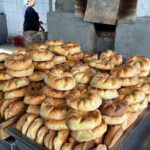
At Chorsu, you’ll run into the sensory stuff you can’t replicate from a restaurant menu: fresh produce, spices, traditional snacks, and the everyday buying routines that shape what gets cooked later. You’ll also get hands-on taste moments—fresh baked bread, dried fruits, and artisanal sweets are specifically part of what’s described for this tour.
For me, this is the value move. Restaurants can be consistent, but markets show you how the city thinks about food. You’ll likely hear stories about where ingredients fit in Uzbek cooking traditions, and that makes the later dishes feel less random when you see them plated.
Potential drawback: markets can be visually intense. If crowds and noise stress you out, give yourself permission to focus on the guide’s prompts and just take a few photos. You don’t need to “consume” the whole bazaar to get something meaningful from it.
Besh Qozon Pilaf Center: Learning Plov Like a Local
Plov is the headline dish in Uzbekistan for a reason. This tour gives it extra attention with a visit to the Besh Qozon Pilaf Center, plus guided tasting time.
Why that matters: plov isn’t just one flavor. It’s a cooking system—rice, meat, and often the way vegetables and seasonings are handled. A dedicated pilaf-focused stop gives you a chance to ask questions you’d otherwise miss, like what makes one version taste different from another.
The best-case scenario is that your guide connects the tasting to the broader story: how plov became a symbol dish, and what ingredients matter most. In one review, Ibrahim was praised for explaining different foods clearly and adding a broader layer of general knowledge. If your guide brings that same approach, the pilaf center becomes more than a meal stop—it becomes a lesson you can carry home.
One consideration: if you’re expecting nonstop “street-only” food, a pilaf center might feel a bit more structured. That’s not automatically bad. It can also mean you get a clearer explanation and a tasting that’s easier to compare.
A few more Tashkent tours and experiences worth a look
Lunch Included: What You’re Really Paying For
Lunch is included, which sounds basic, but it changes how the whole experience feels. You’re not constantly paying extra or hunting for a backup meal while the tour schedule keeps you moving.
Because the tour already includes tastings, you’ll likely get a mix of smaller portions plus a fuller meal moment. That’s usually the sweet spot: you taste broadly, then settle into something more complete so you don’t end up paying with your energy later.
Also, comfort matters. You’ll be out for 4 hours with guided segments and stops that involve walking and standing. Knowing lunch is handled lets you focus on the food, not on logistics.
How the Guide Makes or Breaks the Day (Including Ibrahim)
In food tours, the guide isn’t a background character. They’re the translator between what you see and what it means.
One strong review experience highlighted Ibrahim as an excellent guide—someone who explained foods in a way that made the tastings feel connected, and who also brought general knowledge. Another positive review praised the tour for taking people to more local places where you can try authentic food.
But one less enthusiastic review was blunt: the guide talked a lot, yet the reviewer felt the knowledge of food and spices was limited, and the stop mix leaned more mainstream than expected. That’s the real caution flag: on any food tour, the depth of explanation can vary.
My practical advice: If you care most about spices, ingredients, and cooking methods, ask your guide early where the most detailed spice stories will happen—especially around market stops and dish tastings. If the day focuses more on quick meals with less ingredient talk, adjust your expectations and treat it more like a well-run sampler than a full culinary seminar.
What to Bring and How to Stay Comfortable
This is a straightforward tour, but you’ll enjoy it more if you plan for basic fieldwork. Wear comfortable clothes you can move in, since you’ll spend time in a market environment.
You’re also in a setting where food is a big deal, so skip anything that would cause trouble: alcohol and drugs aren’t allowed. Keep the tour simple—good shoes, a light bag, and a mindset that you’re tasting lots of flavors in a short window.
If you’re photos-first, bring your phone or camera and be ready for crowded angles at the bazaar. The Chorsu stop includes a photo stop, but you’ll still want a quick strategy: take a couple wide shots early, then come back for close-ups once you find your rhythm.
Who This Tour Is Best For
This tour fits you if you want a guided introduction to Uzbek eating without spending days researching where to go. It’s ideal when:
- you’re short on time in Tashkent
- you want to try multiple famous dishes in one outing
- you like markets because you learn faster when you see ingredients up close
- you want lunch handled and a plan that keeps moving
It’s also a good option if you’re traveling in a small group and want space to ask questions. With up to 10 participants, the tour tends to feel more like guided conversation than a lecture.
If you’re a hard-core foodie who expects only street stalls and deep technical cooking talk all day, you might want to confirm the stop style with the provider beforehand. The format is designed to be balanced: market + tastings + lunch, and it may not be 100% street-food-only.
Should You Book This Tashkent Food Tour?
I’d book it if you want a high-efficiency way to learn Uzbek cuisine through real dishes plus a market stop. For the price and 4-hour length, you’re getting a structured route with multiple tastings, lunch, and two anchor experiences: Chorsu Bazaar and the Besh Qozon Pilaf Center.
I’d hesitate only if your top priority is ultra-deep spice breakdown and you’re worried the guide might lean more general than technical. Since reviews point to both strong guidance and some inconsistency, your best move is to check what the guide is emphasizing on your day and aim your questions accordingly.
Overall, this tour is the kind of practical introduction that makes the rest of your time in Uzbekistan easier. After you taste plov, lagman, manti, shashlik, bread, dried fruits, and sweets with context, you’ll know what to look for when you’re eating on your own.
FAQ
How long is the Tashkent food tour?
It lasts 4 hours.
What’s included in the tour price?
Food tasting, a local guide, a comfort vehicle, and lunch are included.
What dishes will I taste?
The tour describes tastings of Uzbek dishes such as plov, lagman, manti, and shashlik, along with bread, dried fruits, and artisanal sweets.
Do I get a market stop?
Yes. The tour includes a guided visit to Chorsu Bazaar, with a photo stop.
What languages are the guides?
The live tour guide speaks English and Russian.
Is pickup included?
Pickup is included in Tashkent. You need to contact and inform the operator of your pickup location.