REVIEW · TASHKENT
3-Day Chimgan Trekking Tour
Book on Viator →Operated by Nuratau Travel · Bookable on Viator
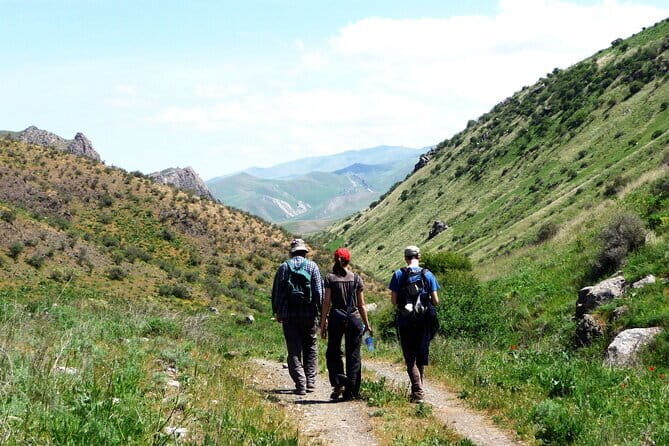
Tian Shan hiking gets real fast. This 3-day Chimgan trek from Tashkent puts you in the mountains with an English-speaking guide, plus day after day of climb-and-descend scenery through the Chimgan area of Uzbekistan. You also get a true camping setup: two-person tents and cooked meals, so you’re not just walking—you’re living the rhythm of the trail.
One thing to weigh: this is for people with moderate physical fitness. It’s not extreme, but you’ll still be on your feet for long stretches, including a high point on the second day.
In This Review
- Key things to know before you go
- From Tashkent at 9:00: the start that sets the tone
- The Day 1 route: Melovoy (1796m) to Takhta-Jaylov saddle and down to Marble River
- Day 2 is the big one: Beldersay valley, Chetkumbel pass, Kubmel pass (2550m), and petroglyphs at 2400m
- Day 3: Nurekata valley descent to the river junction and Shuldak (1050m)
- Camping setup: comfortable tents and the quiet logistics of a guided trek
- Meals on trail: three lunches, two breakfasts, and two dinners
- The guide and group dynamics: English support plus route decisions
- What you’ll carry (and what you don’t): luggage weight and porter animals
- Fitness level: what moderate really means on this trek
- Value for $370: why the price feels reasonable here
- What to pack: the practical list that matches the mountains
- Who should book this Chimgan trek
- Should you book the 3-Day Chimgan Trek?
- FAQ
- How long is the Chimgan trekking tour?
- Where is the meeting point, and what time does it start?
- What’s included in the price?
- Is luggage heavy, or is there porter help?
- What fitness level is needed?
- Are there any admission tickets included?
- What is the cancellation window for a full refund?
Key things to know before you go
- Door-to-door ground transfers help you start and finish without wrestling with local transport.
- Petroglyph time at altitude is built into the trek, with a stop at about 2400m.
- Porter animals move the camp (you carry your own day essentials, with luggage limited to 13kg per person).
- Camping gear and meals are included, so you’re not piecing together what to cook and sleep on.
- Route flexibility means your guide can adjust for safety and weather.
- Police registration is handled for the trekking duration.
From Tashkent at 9:00: the start that sets the tone
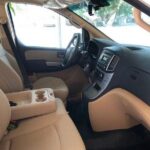
The tour begins at 9:00am at Taraqqiyot ko’chasi 45 in Tashkent. From there, you’re loaded into a car for the transfer to Chimgan, about 98km and roughly 1.5 to 2 hours, depending on conditions.
What I like about this kind of start is how it keeps you focused. Instead of spending your energy figuring out logistics, you get moving early and then transition straight into hiking.
You can also read our reviews of more tours and experiences in Tashkent.
The Day 1 route: Melovoy (1796m) to Takhta-Jaylov saddle and down to Marble River
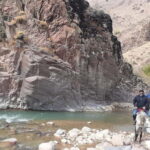
On the first day, you trek from the Melovoy area at 1796m up toward the Takhta-Jaylov saddle at around 2000m. After reaching the saddle, you descend toward the Marble River.
This day works as a “get your legs online” intro. You’re not just wandering at low altitude—you’re already adjusting to mountain air and trail rhythm, which makes Day 2 easier to handle.
Two practical notes. First, the day is listed at about 4 hours, but mountain hiking never feels linear—expect uneven ground and small up-and-down moments even when the main direction is clear. Second, you’ll want your warm layer ready, because you can get cooler temps as you climb even when Tashkent feels mild.
Day 2 is the big one: Beldersay valley, Chetkumbel pass, Kubmel pass (2550m), and petroglyphs at 2400m
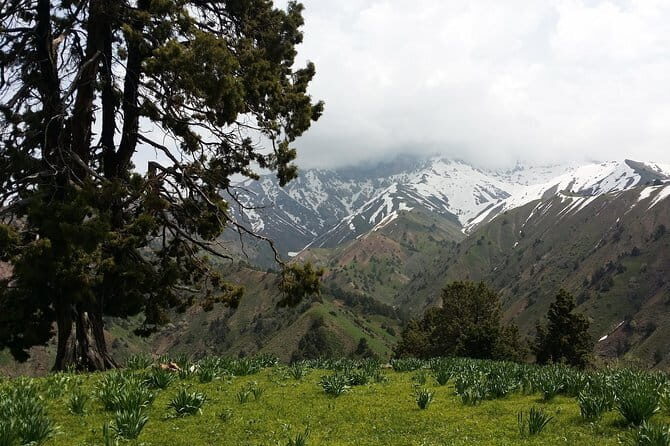
Day 2 starts with an ascent from the Beldersay valley via the Chetkumbel pass at about 1800m, trending toward the Kubmel pass at around 2550m. This is the day where the altitude and the effort stack up.
The highlight here is the petroglyph stop at about 2400m. You’re not only hiking through the Tian Shan—your route includes a Stone Age-era rock art site, which adds a completely different kind of focus than just scenery-chasing.
This is also the best day to pay attention to your pacing. With an 8-hour day, you’ll feel better if you keep a steady effort instead of sprinting the first half. If you tend to overdo it early, this is where you’ll pay for it later—on climbs, save your energy for the longer grind.
Day 3: Nurekata valley descent to the river junction and Shuldak (1050m)
The third day is a descent, which sounds easy on paper until you remember how much mountain gravity asks of your knees. You continue down the Nurekata valley until you reach the junction of the Nurekata and Aksakata rivers. After that, you head toward the village of Shuldak, around 1050m.
The day is listed at about 7 hours. After you reach Shuldak, you meet your driver for the ride back, finishing back at the original Tashkent meeting point.
A descent day is where good footwear matters. Trekking shoes with solid grip help on loose stone and slippery patches, and they’ll save you from that end-of-day ankle fatigue. Bring a trekking pole if you use one—if you don’t, at least go with shoes you trust.
Camping setup: comfortable tents and the quiet logistics of a guided trek
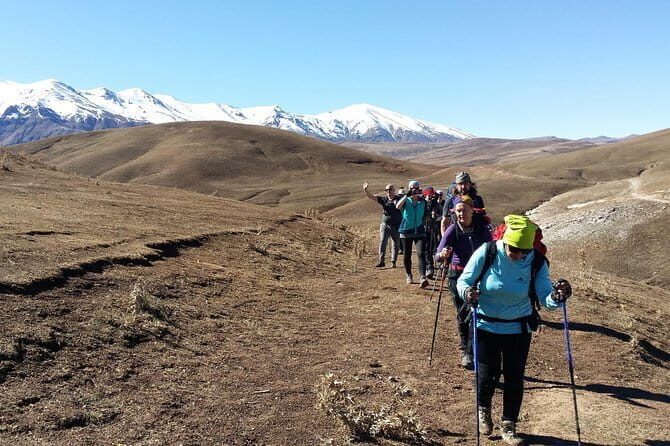
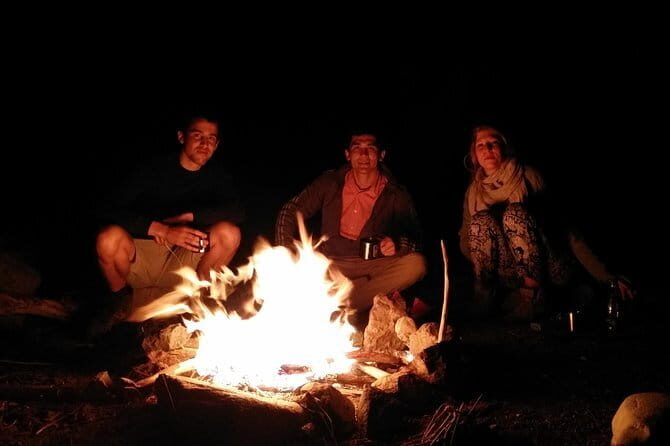
This tour is built around tent camping. You sleep in a two-person tent with camping equipment provided, including sleeping bags and mattresses.
The most “real life” value here is that you’re not managing camp chaos. You get a guide, gas stove, tableware, and the first-aid kit in the group plan. Add to that bottled water, and it’s a lot less stressful than the version of trekking where you’re the one figuring out everything.
One key detail: your group’s food and kitchen/camping equipment are transported by animals. That’s why the luggage limit is set at a maximum of 13kg per person. You’ll still carry your day stuff, but you won’t be dragging heavy loads the whole way.
A few more Tashkent tours and experiences worth a look
Meals on trail: three lunches, two breakfasts, and two dinners
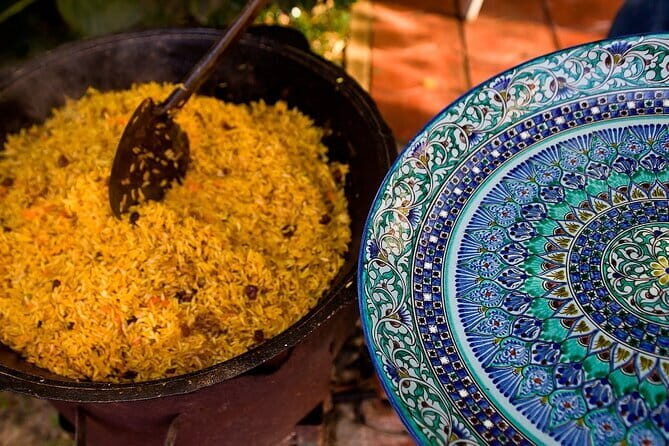
You get three freshly prepared meals per day while trekking, and the package lists specific meals included: lunch (3), dinner (2), and breakfast (2). The menu isn’t described in detail, but you can count on real, cooked food rather than snack-only hiking.
There’s also a small operational note that matters: the guide may act as cook for smaller groups under 5 people. That means you should treat this like a shared effort. If your group is small, you might end up with a more personal feel to the food and timing.
Also, because you’re in tents and on a schedule, you’ll eat when the trek rhythm says. That’s good for energy and easier than trying to snack on your own every time hunger hits.
The guide and group dynamics: English support plus route decisions
An English-speaking mountain guide leads the trek and also acts as a company representative on the program. The route can change if the guide spots safety issues or bad weather, which is exactly what you want in mountains—plans that adapt rather than stubbornly forcing the same line.
What I’d watch for, as a practical matter, is your attitude toward those adjustments. Even if the route shifts, the goal stays the same: you’ll still get the multi-day hiking experience, tent camping, and the key highpoint/petroglyph elements.
From the reviews, the guide support is a major reason people feel good about the trip, especially when someone is new to mountain hiking.
What you’ll carry (and what you don’t): luggage weight and porter animals
The tour uses horses/donkeys with handlers to move luggage. That’s a big deal for comfort and safety, because it keeps the hike focused on your breathing and legs instead of your pack weight.
Still, you’re not traveling with unlimited space. The maximum allowed luggage weight is 13kg per person. Pack smart: think essentials you’ll use daily—warm layer, rain protection if you have it, headwear, sunglasses, sunblock, and a flashlight for camp evenings.
If you’ve never hiked with a hard weight limit, this will feel refreshing. It prevents that common mistake of overpacking “just in case.”
Fitness level: what moderate really means on this trek
The tour is described as suitable for moderate fitness levels. In plain terms, that means long days on your feet plus altitude effects, but not a technical climb.
Day 2 is the reality check: the route targets higher elevations, reaching around 2550m at the Kubmel pass, and you’ll hit the petroglyph stop at about 2400m. Even if you don’t feel dramatic altitude symptoms, you’ll likely notice your breathing working harder.
My advice: bring patience for the climb days. Use a steady pace, take short breaks, and don’t compare yourself to people who are moving fast. Mountain hiking rewards consistency.
Value for $370: why the price feels reasonable here
At $370 per person, this isn’t a cheap weekend. But it’s also not paying just for a trail walk.
You’re getting transport from Tashkent to Chimgan and back, an English-speaking guide, camping gear (tents, sleeping bags, mattresses), gas stove and tableware, bottled water, and a first-aid kit. The package also includes horses/donkeys with handlers for luggage movement, plus police registration for the duration of trekking.
When you price those items separately, you start to see the value. The tour is essentially bundling the hardest parts of trekking logistics—camp, cooking, transport, and on-trail support—into one package price.
Two additional value signals: group discounts are mentioned, and the tour uses mobile tickets, which can make the whole experience feel smoother from booking to day one.
What to pack: the practical list that matches the mountains
Your personal equipment recommendations are clear, and you’ll do better if you follow them. Start with trekking shoes, not casual sneakers. Then add warm clothing for spring and autumn seasons, plus a head-dress like a cap or panama cap.
Don’t forget basics that matter more at altitude and in sun: sunglasses, sunblock cream, and a flashlight. Weather can shift, and even if it doesn’t rain, night in the mountains can feel colder than you expect.
Also, use a backpack sized for your day needs, because your larger items are meant to be transported via porter animals. Keep your pack comfortable so you’re not fighting your gear while you’re fighting the climb.
Who should book this Chimgan trek
This tour is a good match if you want to escape Tashkent and hike in the Tian Shan with support. It’s especially appealing if you like the idea of tent camping but don’t want to plan meals, camp logistics, or route safety yourself.
It’s also worth considering if you’ve only done forest hiking. The experience is described as challenging at times, with people finding it different from flatter trails—and that’s exactly the point. If you want your first mountain trek to feel achievable with a guide, this format tends to work well.
If you already have high-end mountaineering goals, this likely won’t satisfy that craving. This is mid-altitude hiking with a culture-and-nature route, not technical climbing.
Should you book the 3-Day Chimgan Trek?
Yes, if you want a guided mid-altitude hiking trip where the important stuff is handled for you: transfers, tent setup, meals, luggage transport, and English support. The combination of climb days plus a petroglyph stop at altitude adds a layer that makes the trek feel more than just exercise.
Book with confidence if you’re comfortable with a moderate fitness challenge and you pack for mountain conditions. You’ll get the best experience when you plan for long hiking hours, pace yourself on the higher elevations, and let the guide’s route flexibility do its job.
FAQ
How long is the Chimgan trekking tour?
It runs for 3 days (approx.).
Where is the meeting point, and what time does it start?
The meeting point is Taraqqiyot ko’chasi 45, Tashkent, and the start time is 9:00am.
What’s included in the price?
Included are camping equipment (2-person tents, sleeping bags, mattresses), transport between Tashkent and Chimgan and back, an English-speaking mountain guide, gas stove and tableware, horses/donkeys with handlers for luggage, police registration for the trekking duration, a first-aid kit, bottled water, and meals (breakfast, lunch, dinner as listed).
Is luggage heavy, or is there porter help?
Luggage is transported by horses/donkeys with handlers. The maximum allowed luggage weight is 13kg per person.
What fitness level is needed?
The trek is described as suitable for moderate fitness levels, so you should be ready for long hiking days and some elevation.
Are there any admission tickets included?
The itinerary items for the trek stops indicate Admission Ticket Included.
What is the cancellation window for a full refund?
Free cancellation is available up to 24 hours in advance for a full refund.