Fergana feels like Uzbekistan beyond postcards. This private day trip from Tashkent takes you into the Fergana Region with a craft-first route, so you’re not just looking at monuments; you’re watching traditions in action. I especially like the Rishtan ceramic work and the Margilan silk production stops, because both feel hands-on and still rooted in how local artisans actually live and work.
The one thing to plan for is the effort. The drive is long (about 300 km), the day is packed, and the experience can stretch beyond the listed timing depending on conditions and pacing. Also, while the tour offers an English/Russian/French live guide, coverage can vary—one booking noted a language mismatch—so it’s worth confirming your guide language when you reserve.
In This Review
- Key Highlights You’ll Care About
- Getting From Tashkent to the Fergana Valley: Comfort and Real Timing
- Kamchik Pass: The Mountain Stretch That Sets the Tone
- Kokand’s Khan Power: Khudayar-Khan Palace and Mosque Sights
- Rishtan Ceramic Center: Watch Pottery Before It Becomes Souvenirs
- Margilan and Yodgorlik: Silk That’s Still Manual
- The Local Bazaar Stop: A Chance to Shop Without the Pressure
- Price and Value: What $235 Per Group Really Buys
- Guide Language and Group Pace: The Difference Between a Great Day and a Frustrated One
- Who Should Book This Fergana One-Day Tour
- Should You Book? A Simple Decision Checklist
- FAQ
- How long is the Fergana One Day Tour from Tashkent?
- How much does the tour cost?
- What route does the tour follow?
- What are the main stops and highlights?
- Do I need to pay for entrance tickets?
- Is a guide included, and what languages are offered?
- Do I get pickup from my hotel or station?
- Is the tour wheelchair accessible?
Key Highlights You’ll Care About
- Kamchik Pass mountain views with a strategic route between the Golden Valley and Tashkent
- Kokand’s Khudayar-Khan palace complex including the Jami mosque and khans’ tomb area
- Rishtan ceramics center where you can see production at a master’s house
- Margilan silk at Yodgorlik with manual silk production at a major Central Asian producer
- Private-group comfort with A/C vehicle, hotel pickup, and an itinerary that runs door-to-door
- A full, long day with a schedule that rewards early starts and flexible expectations
Getting From Tashkent to the Fergana Valley: Comfort and Real Timing
This tour is built for one goal: get you out of Tashkent and into the Fergana Valley fast, then keep you moving through the region’s most distinctive stops. You start with pickup from your hotel, airport, or railway station, and you’ll want to be ready right at the pickup time (the driver asks you to wait about 5 minutes in the lobby).
The route covers roughly 300 km and the transit portion is described as about 4.5 hours, but that’s only part of the story. You also have climbs and sightseeing stops, plus time at workshops and factories. One booking notes the day felt longer than expected, so I’d treat the published duration (8 hours) as a baseline and plan for the fact that a packed craft day can run long.
On comfort, the listing is clear: you get an A/C vehicle, and multiple accounts praise the car as comfortable and the driver as professional and safe. That matters on this kind of day trip because you’ll spend a lot of time seated, and the Kamchik Pass drive is the kind of route where good driving helps your whole day feel easier.
A few more Tashkent tours and experiences worth a look
Kamchik Pass: The Mountain Stretch That Sets the Tone
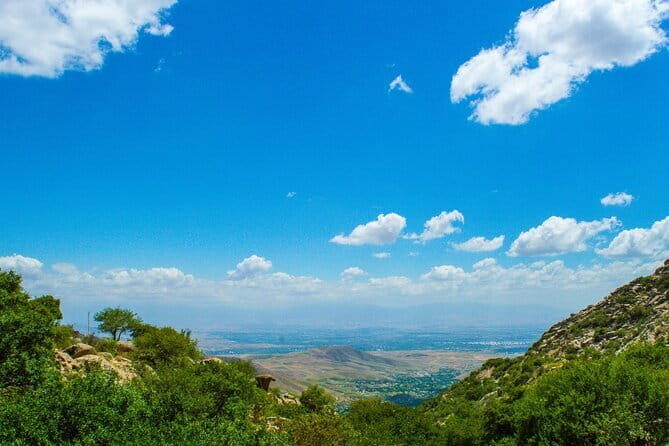
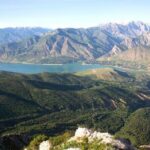
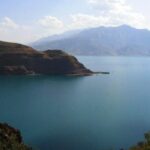
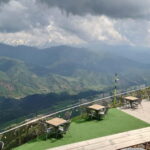
Kamchik Pass is the first big “you’re really leaving the city” moment. It’s described as the only transition route between the Golden Valley and the capital, which is why it’s strategically important. In plain terms: this is the road that makes the Fergana Valley feel separate, even when you’re still in Uzbekistan.
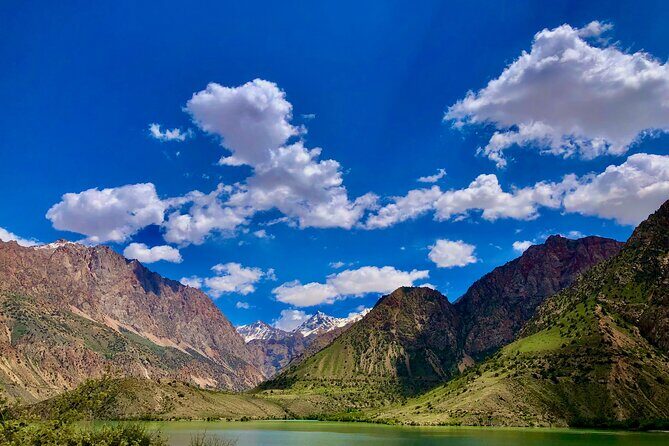
You’ll climb up to about 2,000 meters from a high point of 2,268 meters above sea level. The reward is the view across the mountains of the Western Tian Shan. Even if you’re not a mountains person, this stop changes your body’s pace. Your eyes reset, the air feels different, and suddenly the craft stops later in the day don’t feel random. They feel like part of a region with its own geography and rhythm.
A practical note: because you’re at altitude and on a long drive, temperature can shift. Keep a light layer handy and plan for a bit of standing around during photo moments.
Kokand’s Khan Power: Khudayar-Khan Palace and Mosque Sights
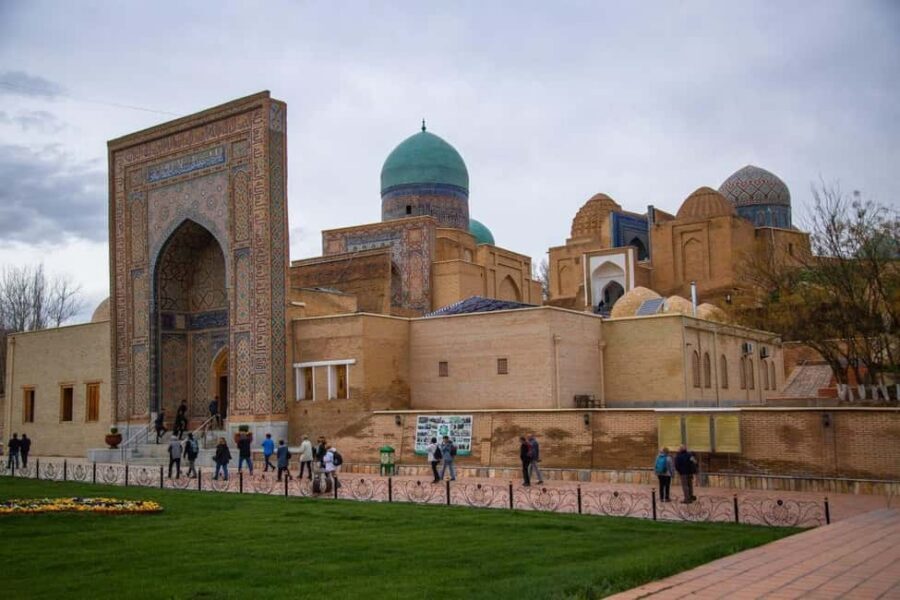
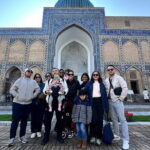
Kokand is often remembered as a historic stop, but what you’re aiming for here is the tangible power of the Khans—especially through Khudayarkhan Palace. The palace is described as the residence of the last Khans, and it’s the anchor point of the Kokand portion of the day.
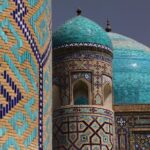
What you’ll likely notice first is the surface work: one account highlights the exterior as richly decorated with blue tiles. That blue detail is exactly what you want from Kokand because it gives you a strong visual identity before you even start looking closely at interiors.
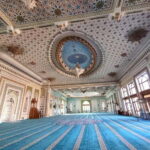
From there, you move through the complex and religious architecture. The listed sights include:
- Jami mosque
- Dakhmai shahan necropolis, described as the mausoleum of the Khans
A guide-led day changes what you get out of these spaces. One booking calls out a very clear, step-by-step explanation from a guide named Abdullah, which meant nothing felt like a blur of stops. Another guide, Asqarov, is mentioned as answering questions easily and sharing local tips, including recommendations for sweets. If you care about understanding what you’re seeing (and not just collecting photos), a guide who can read the room and explain calmly is a big deal.
Possible drawback here: the tour notes that a guide from Kokand may not be included. So if Kokand-specific interpretation is a must for you, confirm what’s covered before you go. The places are impressive even without extra commentary, but you’ll get more out of them with the right language support.
Rishtan Ceramic Center: Watch Pottery Before It Becomes Souvenirs
Rishtan is the ceramics stop, and the way it’s framed is what makes it valuable. The tour describes Rishtan as a center of the ceramic industry in Uzbekistan, and specifically highlights that Fergana ceramics are among the most authentic local schools and still keep the tradition alive.
You’re not just passing through. The program includes a stop at a master’s house/workshop, where you can learn about the production process. This is the part of the day I’d prioritize if you want authentic craft rather than a store-only experience. Seeing how ceramics are made helps you understand what you’re buying later (shape, glaze style, and the reason certain patterns look the way they do).
Rishtan ceramics also make a nice contrast to Kokand. Kokand gives you monumental architecture and tile artistry. Rishtan brings that aesthetic down to hand work and daily technique. When the day feels packed, this is a relief: you’ll be able to focus on a single craft and actually watch steps happen.
Practical tip: if you’re buying ceramics, remember entrances and tickets aren’t listed as included. The workshop itself is part of the route, but you should budget for any on-site entry fees or sales you choose to make.
Margilan and Yodgorlik: Silk That’s Still Manual
Margilan is the silk heart of Central Asia, and this tour picks one of the most recognizable names on the silk scene: the factory Yodgorlik. The experience here is not just a background story. You’re meant to get acquainted with the process of manual silk production, and that’s where the day becomes more than sightseeing.
Silk-making has a slow, exact character. Even if you don’t catch every detail, watching how work is done by hand makes the craft feel real. One account praises the silk production stop specifically, calling out the joy of seeing how silk is produced in a factory setting in Margilan.
This is also where the tour’s “not spoiled by total tourism” vibe tends to feel more believable. Factories and workshops are part of local work life, not only entertainment for visitors. You get a stronger sense of how skills carry through generations, because the tour describes the artisans as inheriting skills from their ancestors over centuries.
Timing note: silk workshops and craft stops can take longer than you expect, especially when you have a chance to ask questions. If you’re sensitive to late-day fatigue, it helps to keep your questions simple and ready—What are the steps? What makes this silk different? What should I look for if I buy something?
The Local Bazaar Stop: A Chance to Shop Without the Pressure
After Margilan’s craft work, the itinerary includes time at a local bazaar. This is often the most “you are on your own” part of the day, so treat it as a chance to look around and get a feel for everyday goods.
What I like about having bazaar time on this kind of tour is that it balances the day’s big-ticket crafts. Ceramics and silk are special. The bazaar reminds you that this region produces normal life goods too—spices, produce, snacks, and everyday items.
Because entrance tickets are not included, and you’re likely spending money on craft purchases, you’ll do best by setting a small budget before you start walking. In markets, it’s easy to get swept up. Also, if your guide is chatty (and some guides are), ask for local sweet or snack ideas, like the kind mentioned by Asqarov.
Price and Value: What $235 Per Group Really Buys
The price is listed at $235 per group up to 2, and the value depends on how you compare it to the alternatives. This isn’t just a ticket for sights. You get:
- an A/C vehicle
- pickup included from your accommodation or transport hub
- all fees and taxes (as stated)
- a private group format
- an English/Russian/French live tour guide (with a note that Kokand guide coverage may differ)
- skip the ticket line
That bundle is the main reason this can be good value. Getting transport for a long one-day run across the Fergana Valley isn’t cheap if you do it piece by piece. And private guiding is what turns the day from a bus tour into a “please explain what I’m looking at” day—when your guide’s language matches your needs.
Where the budget can surprise you is entrances and personal expenses. Entrance tickets are explicitly not included. So if you want to see everything on-site without skipping, set aside extra cash. Also, the day is long enough that you may want to buy water or snacks on the go, even if you bring your own.
One more value factor: the tour’s craft stops can help you buy better souvenirs. If you understand the process, you tend to choose with more confidence, not just by design appeal.
Guide Language and Group Pace: The Difference Between a Great Day and a Frustrated One
This is the part you should take seriously before booking any one-day Fergana itinerary. The tour offers a live guide in English, Russian, and French, but one verified booking notes the guide could not speak English. Another booking says a guide was expected but wasn’t there.
So here’s the practical way to think about it:
- If you book in English, ask the provider to confirm English-speaking coverage.
- If Kokand interpretation is important, double-check whether the “guide from Kokand” item affects you.
- Keep your expectations realistic about time. One account reports a very long day (they mention 16 hours), and even without exaggeration, this route is full.
On the positive side, there are clear examples of strong guiding. Abdullah is specifically mentioned as pleasant and thorough with each stop, and Asqarov is mentioned as responsive with local tips. That’s exactly what you want for a day like this: a guide who can keep the story coherent while also letting you move at a pace that doesn’t feel rushed.
Who Should Book This Fergana One-Day Tour
This tour makes the most sense if you:
- have limited time and want a Fergana Valley sampler in one go
- love crafts and want to see ceramics and silk processes, not only finished objects
- prefer private-group comfort with pickup and A/C transport
- can handle a long drive and a packed schedule
It may be less ideal if you:
- hate long car days or get cranky when timelines slip
- need guaranteed, specific language coverage with no uncertainty
- dislike tours that feel “too much” for one day
Wheelchair accessibility is noted, which is a plus for travelers who need that consideration. Still, because the day includes multiple sightseeing stops, you should think about walking demands and time spent moving between sites.
Should You Book? A Simple Decision Checklist
I’d book this tour if you want the Fergana Valley to feel real through working crafts and strong regional stops. The combination of Kamchik Pass, Kokand’s khan-era architecture, Rishtan’s ceramic production, and Margilan’s manual silk process gives you a day with variety but a consistent theme: skills and place.
Don’t book it if you only want relaxed sightseeing and lots of downtime. This day is built to move. And if language or guide coverage is a dealbreaker for you, confirm those details before you pay.
If you check those boxes, you’ll likely come away feeling like you saw more than standard highlights. You’ll understand how the region’s crafts connect to where people live and work.
FAQ
How long is the Fergana One Day Tour from Tashkent?
The tour duration is listed as 8 hours.
How much does the tour cost?
It’s priced at $235 per group, up to 2 people.
What route does the tour follow?
The route is Tashkent – Kamchik Pass – Kokand – Rishtan – Margilan – Tashkent, covering about 300 km (around 4.30 hours of driving, with stops).
What are the main stops and highlights?
Key highlights include Kamchik Pass, Golden Valley, Kokand sights (Khudayarkhan Palace, Jami mosque, Dakhmai shahan necropolis), Rishtan ceramic center, and Margilan silk center at Yodgorlik, plus a local bazaar.
Do I need to pay for entrance tickets?
Entrance tickets are not included.
Is a guide included, and what languages are offered?
A live tour guide is available in English, Russian, and French. However, guide coverage from Kokand is listed as not included, so it’s worth confirming what your option includes.
Do I get pickup from my hotel or station?
Yes. Pickup is included from your hotel, airport, or railway station. You should wait in the lobby about 5 minutes before pickup.
Is the tour wheelchair accessible?
Yes, the tour is listed as wheelchair accessible.