REVIEW · NAVOI
Adventure to Desert Kyzyl Kum and Yurt Camp
Book on GetYourGuide →Operated by Orient Travel Uzb · Bookable on GetYourGuide
Winter-proofing, desert stars, and real travel time.
This two-day adventure pairs desert yurt sleep with daytime history around Nurata and a nature day at Aydarkul Lake. I like that the trip is built around contrasts: ruins and old irrigation on day one, then fishermen and lake time on day two. One thing to factor in is comfort level. Depending on the season (especially late autumn), yurts can feel cold and the camp setup is simple.
I also appreciate the flexibility. You can choose pickup from Samarkand or Bukhara, and you’ll be dropped back in the same city. The other consideration is that this is effectively a transport-and-spotlight experience, not a full guide-led lecture—so if you want detailed explanations in English, you should plan accordingly.
In This Review
- Key Things to Know Before You Go
- A Desert Yurt Night in the Kyzyl Kum
- Day 1: Nurata Stops Before Yanghi-Gazgan
- Camp Dinner and the Night Sky Reality Check
- Day 2: Aydarkul Lake Hike, Camel Ride, and Picnic Lunch
- Transport, Timing, and the Private Group Feel
- Meals, Camp Comfort, and What to Pack
- Value at $230: What You Get (and What You Pay Extra For)
- The Guide Factor: Driver-Led vs True Commentary
- Who This Trip Fits Best (and Who Should Skip It)
- Should You Book Adventure to Desert Kyzyl Kum and Yurt Camp?
- FAQ
- Where does pickup and drop-off happen?
- How long is the trip?
- What’s included in the price?
- Is a guide included?
- Is a camel ride included?
- Is the Aydarkul picnic always included?
Key Things to Know Before You Go
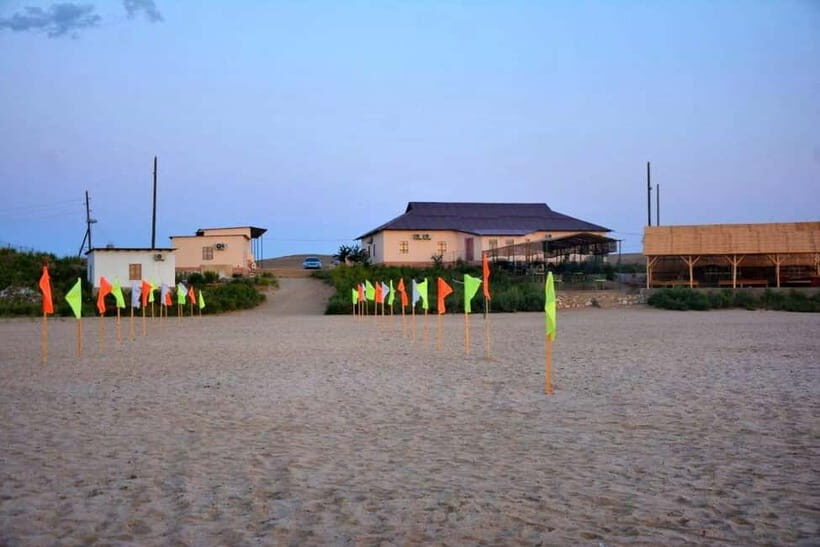
- Overnight yurt in the Kyzyl Kum: a genuine change of pace from hotel travel, with starry night skies as the payoff
- Nurata culture stops included: you visit Alexander-era ruins and an ancient irrigation system, plus Nurata city ticketing is covered
- Aydarkul Lake day includes hike time and picnic: you meet fishermen, eat outdoors, and you may even swim
- Camel ride is optional and short: it’s a quick add-on, not a long safari
- Comfort is basic, not resort-level: bring layers and plan for limited facilities at the camp
A Desert Yurt Night in the Kyzyl Kum
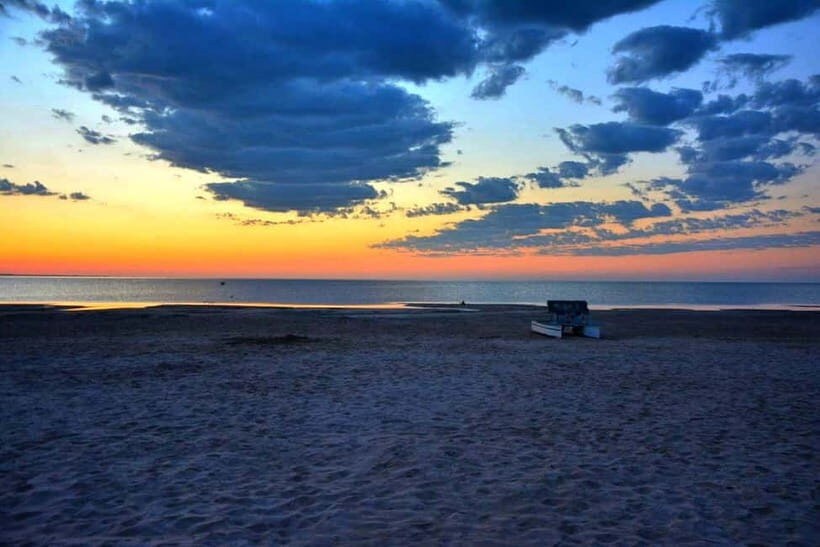
If you want your Uzbekistan trip to include more than monuments in neat rows, this is built for that. One night in a Kyzyl Kum yurt camp means you’re trading polished rooms for wide-open dark skies. The point isn’t luxury. The point is atmosphere: desert air, campfire time, and a sky you can actually read.
This trip also uses the yurt night as the “anchor” of the schedule. Day one is about getting you to the Nurata area and then out toward the camp area at Yanghi-Gazgan. Day two is about waking up, eating breakfast, and shifting from desert quiet to water and fishing life at Aydarkul Lake. You’re not stuck repeating the same kind of scenery.
Now the practical side: yurts are cozy in a simple way, but they’re not hotel insulated walls. One guest even flagged severe cold in November conditions and mentioned basic utility issues (no water and no electricity in the evening). Another guest asked for a fan and a simple convenience like a proper bath setup. Translation: pack for temperature swings and expect a rugged camp.
You can also read our reviews of more tours and experiences in Navoi.
Day 1: Nurata Stops Before Yanghi-Gazgan
Day one starts with the drive east from Samarkand toward Nurata, the old oasis city in the region. Nurata is where you shift from “traveling” to “looking around.” You’ll visit Alexander the Great’s fortress ruins, plus sites tied to the area’s Islamic heritage and water history.
Here’s what makes these stops worth your time:
- Alexander-era fortress ruins give context to why this region mattered long before modern roads.
- The Cahshma Mosque stop ties into the spiritual landscape of Nurata.
- The ancient irrigation system is the real standout for practical-minded travelers. It explains how people made arid land livable—and that theme echoes again later when you’re walking near water at Aydarkul Lake.
Transport is included, and Nurata city entrance tickets are part of the package. One additional note: entry/admission for Chashma isn’t listed as included, so if you’re hoping your money covers every door fee, you may need to pay that locally. It’s usually not a deal-breaker, but it’s one of those “check before you assume” items.
After the visits, you continue toward Yanghi-Gazgan and then onto the yurt camp. This is where the schedule becomes more open-ended. The camp itself tends to be the main show: dinner, campfire time, and the kind of night where your phone camera suddenly looks more confident than you are.
Camp Dinner and the Night Sky Reality Check
Dinner is included (with breakfast and lunches on day two). Food is described as enjoyable, and the camp itself gets solid marks for cleanliness and hospitality in many accounts. One guest singled out how nice the camp was, and another praised the guide/driver experience that helped the evening feel smooth.
Still, I recommend you treat this as a “sleep outdoors with walls” situation. One person wished for ventilation inside the yurt. That tells you two things: temperature can be uneven, and camp comfort isn’t fully standardized. If you’re sensitive to cold, late fall and winter can be rough. The best insurance is to pack layers and be ready to hunker down.
If you’re traveling with a strict bedtime routine, know that camp timing can vary. Some reports mention that the program didn’t feel tightly structured at the camp in the afternoon-to-evening window, with long stretches that were basically free time. That doesn’t ruin the trip if you’re there for desert calm, but it does matter if you want a packed, guided day at every minute.
Day 2: Aydarkul Lake Hike, Camel Ride, and Picnic Lunch
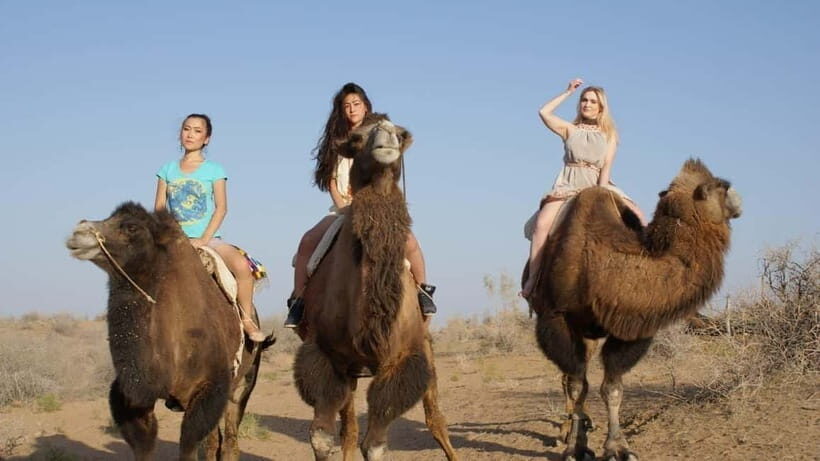
Breakfast comes first, and then you may get a camel ride option. It’s not marketed as the main event, and at least one guest felt it was very short (around ten minutes). So if you’re picturing hours on horseback, calibrate your expectations.
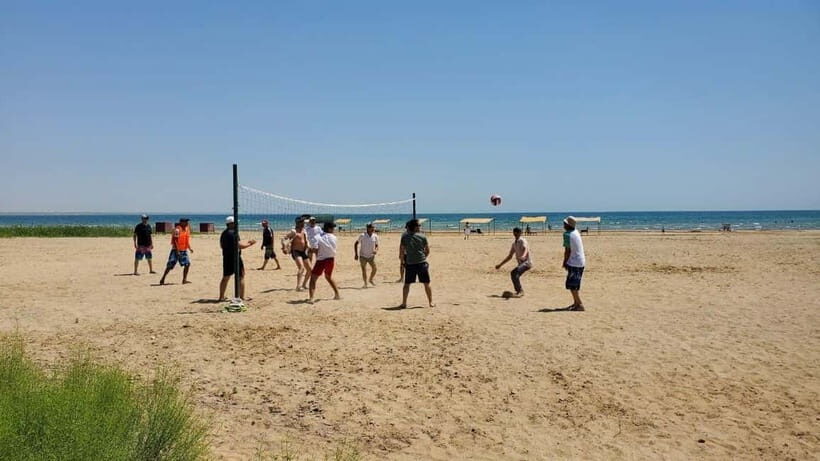
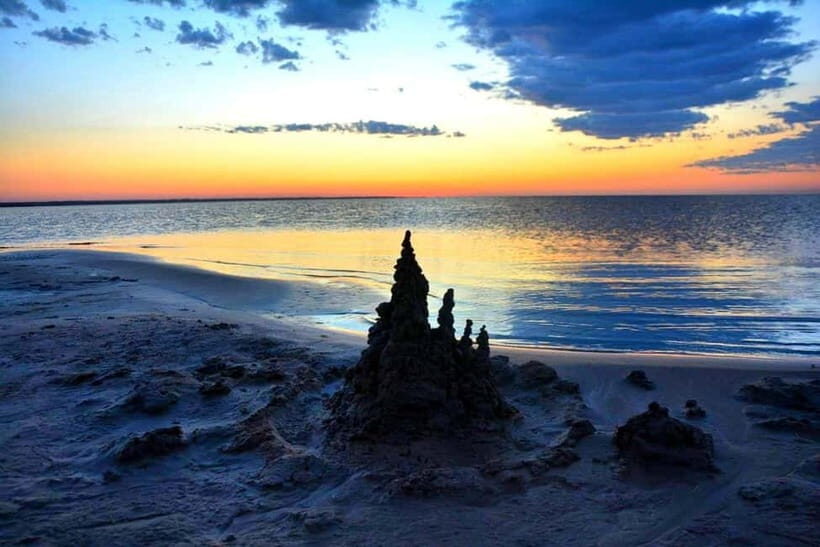
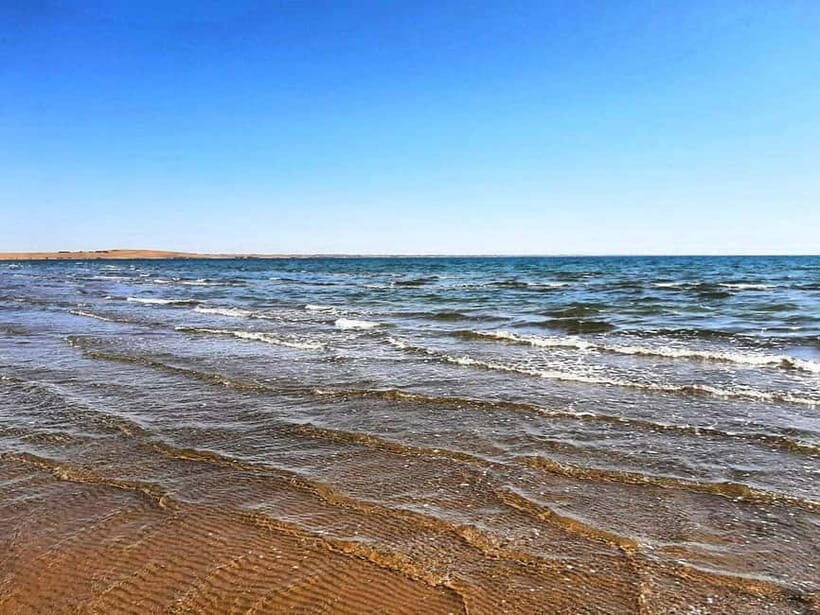
Then it’s north to Aydarkul Lake. This is the day where the trip changes texture. You’ll hike to meet fishermen, and the experience is more about being present around the water than checking off a list of monuments. You’ll have a picnic lunch, and you might even have time to swim depending on conditions.
Two practical notes you’ll actually care about:
- In November and December, the picnic lunch at Aydar Lake isn’t included because the restaurant is closed. You can still go and see the lake, but don’t assume the picnic part always happens in winter months.
- Even if swimming is possible, bring swim basics carefully. The trip doesn’t list rental equipment or towels, so you’ll want to be prepared.
After lake time, you head back toward civilization via Khartang village. This is where you visit the complex connected with Ismail Al-Boukhari, a major scholar known for collecting hadith (sayings attributed to the Prophet Muhammad). This stop adds a “why this matters” layer that balances the morning’s water-and-wildlife feel with the region’s intellectual and religious legacy.
You’ll arrive back in Samarkand or Bukhara (same city chosen for your pickup and drop-off).
Transport, Timing, and the Private Group Feel
This trip is listed as a private group, and pickup is included from your hotel. That matters because desert trips live or die by logistics. You’re spending full travel hours in the van, and having someone pick you up door-to-door reduces the friction.
That said, it’s still driver-led travel rather than full guide-led touring. The experience provider includes transport and entry tickets for certain parts, but a guide is not included. In real life, that means the “story” you get may depend on the person behind the wheel.
Some drivers are praised for being professional and kind, including Xamza (praised for professionalism) and Hasan (praised for kindness). But other accounts describe a lack of English, which can limit explanations during stops. If you’re traveling with minimal Russian and English, plan to rely on your own reading and simple questions at the sites.
Timing also seems variable. One person described brief, almost stop-and-go segments at Nurata and later at the lake. Another found the day flow smooth. My advice: treat this as a trip where transportation is the backbone, and the quality of the stops can depend on how your driver communicates.
Meals, Camp Comfort, and What to Pack
Meals included are: lunch (twice), dinner, and breakfast. That’s one of the best parts of a desert outing. You’re not hunting for food after long drives, and you can focus on the day’s pacing.
Still, camp comfort is where you should prepare. Based on feedback, yurts can be cold, and basic utilities may not be reliable. Since you’re not paying for a resort, you’re paying for a real environment shift—and that means you should bring:
- Warm layers for night in the desert
- Something to manage wet/cold lake moments if you plan to swim
- Any essentials for simple camp living (small towel, basic toiletries)
- Your passport, since that’s what’s requested as a bring item
Also, don’t assume ventilation. One traveler asked for a fan inside the yurt, which suggests airflow and temperature control aren’t consistent. If you run hot, you’ll still want a strategy for sleeping comfortably.
Value at $230: What You Get (and What You Pay Extra For)
At $230 per person for 2 days, you’re paying for three big ingredients:
- Door-to-door transport between Samarkand/Bukhara through Nurata and out toward the yurt camp
- Overnight yurt stay in the Kyzyl Kum desert area
- Meals and certain entrance items (Nurata city ticketing is covered)
In other words, the price isn’t just for a bed. It’s for a whole “remote-feeling” experience without you having to stitch it together yourself.
What can affect your sense of value is what’s not included:
- A guide (so explanatory depth may vary)
- Alcoholic beverages (standard for many tours)
- Entry/admission for Chashma (not included)
- Tips for the driver
- Depending on season, the Aydarkul picnic lunch can be affected in November and December
If you’re the type who wants tight commentary at every stop and fully translated explanations, you might feel the cost more sharply. If you’re happy with driver-led driving plus freedom to enjoy the sights yourself, the structure is reasonable for the region.
The Guide Factor: Driver-Led vs True Commentary
This is a common tension in desert tours: you get movement and access, but you may not get the kind of interpretation you expect for the price.
Here’s the practical takeaway. Even when the driver is friendly, English ability can be limited. At least one guest described a very difficult experience because the driver didn’t speak English, despite being punctual and kind. Another guest praised drivers by name—again suggesting variation.
So, if language matters to you:
- Decide whether you need narration to enjoy ruins and sacred sites
- Bring a bit of context reading for Alexander-era ruins and Ismail Al-Boukhari before you go
- Ask questions early and don’t wait until you’re already standing in front of the site
And if language isn’t your priority, the day still works because the visual experiences do a lot of the heavy lifting: ruins, irrigation structures, desert night, fishermen at the lake, and open sky.
Who This Trip Fits Best (and Who Should Skip It)
This tour fits best if you want:
- A 2-day desert reset with real sleeping outdoors (yurt style)
- A mix of nature and historical stops (Nurata sites plus Aydarkul Lake)
- A private-transport setup without you planning logistics
It’s less ideal if you:
- Need constant on-site English interpretation
- Expect resort comfort in colder months
- Want long, structured activities at the camp every afternoon
If you’re traveling solo, the private setup can feel especially good because you’re not squeezed into a big group schedule. If you’re traveling with family or someone who’s sensitive to cold at night, plan your packing and consider season carefully.
Should You Book Adventure to Desert Kyzyl Kum and Yurt Camp?
If you like the idea of trading a hotel bed for a yurt night, and you’re excited by the combination of Nurata ruins and Aydarkul Lake time, this trip is a solid pick. The $230 price makes sense when you value transport + meals + access to remote-feeling experiences.
I’d only hesitate if you’re booking for comfort-first travel or you strongly need an English-speaking guide. In that case, either choose a different format or prepare to handle the “story” part yourself with basic reading and a flexible attitude.
If you go, go prepared: warm layers, patience for desert timing, and an open mind. The night sky and the water day are the kinds of memories that make the dust worth it.
FAQ
Where does pickup and drop-off happen?
You can be picked up from your hotel in either Samarkand or Bukhara, and you’ll be dropped back in the same city you choose.
How long is the trip?
The experience runs for 2 days.
What’s included in the price?
It includes one night in a yurt, meals (1 breakfast, 1 dinner, 2 lunches), and transport covering Samarkand → Nurata → Yurt Camp → Bukhara (with Samarkand/Bukhara depending on your chosen start city). It also includes entrance tickets to Nurata city.
Is a guide included?
No. A guide is not included.
Is a camel ride included?
You get the chance to take a camel ride after breakfast on day two, but it isn’t listed as a separate included item with the same clarity as meals and the yurt stay.
Is the Aydarkul picnic always included?
No. In November and December, the picnic at Aydar Lake isn’t included because the restaurant is closed. You can still visit and see the lake.