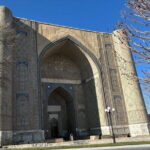
A one-day detour with serious Timurid style. This private trip from Samarkand to Shakhrisabz is a focused way to see Timurid architecture up close, with a certified guide and round-trip comfort. Two spots I really like for first-timers: the UNESCO-listed Ak-Saray Palace ruins and the chance to learn the names, dates, and meanings behind the tilework while you’re standing right there.
The main thing to watch is value. The tour price covers the driver and guide, but entry fees and meals are not included, and the time in Shakhrisabz can feel short if you were hoping for a long, slow visit.
In This Review
- Key things to know before you go
- How the day trip from Samarkand really fits your schedule
- Shakhrisabz in one sweep: what you can realistically cover
- Kok Gumbaz Mosque: the 1434 landmark to orient yourself
- Hazrati Imam Complex: the historical and cultural “why” stop
- Dorut Tilavat Complex: reading tilework like a language
- Ak-Saray Palace ruins and Timur’s legacy (UNESCO centerpiece)
- Lunch break: sampling local fare without adding pressure
- Price and value: paying for the ride, the guide, and the timing
- Guide quality and languages: how names like Zafar, Alim, and Malika matter
- Who should book this private Shakhrisabz day trip
- Should you book it? My take
- FAQ
- How long is the Samarkand to Shakhrisabz day trip?
- Where do I get picked up and dropped off in Samarkand?
- Are meals and entry fees included in the price?
- Which sites are included in Shakhrisabz?
- What languages can the live guide speak?
- What is the cancellation policy?
Key things to know before you go
- Private group, certified guide: you get a real guide experience rather than a crowded rush.
- Four major monument stops: Kok Gumbaz Mosque, Hazrati Imam Complex, Dorut Tilavat Complex, and Ak-Saray Palace.
- UNESCO Ak-Saray: the ruined palace is the emotional and visual centerpiece of the day.
- A lot of convenience for $93: you’re paying for round-trip transport plus a live guide, not just admission sites.
- Expect separate costs: meals and entry tickets are extra, so your final total depends on what you choose.
- Flexible logistics in Samarkand: pickup and drop-off can be at Gur-i Amir or Registan.
How the day trip from Samarkand really fits your schedule
This is built as a full-day ride, not a quick hop. You’ll start with pickup in Samarkand from one of two places: the Amir Temur Mausoleum Gur-i Amir Complex or Registan. Then you head out to Shakhrisabz in a comfortable vehicle with a professional driver.
On the road, you pass cotton fields and rugged terrain, which is part of the point. The journey gives you a sense of what Central Asia looks like outside the city center, and it breaks up the day so the monuments don’t feel like they’re stacked back-to-back in a blur.
Timing-wise, one recent run started around 9:00 and returned around 15:30–16:00. That means you usually still have energy to continue exploring Samarkand after you get back—useful if you’re trying to squeeze in more than one day trip.
At the end of the day, you’re dropped back in Samarkand at either Registan or the Gur-i Amir Complex. That’s helpful because it reduces the hassle of trying to get across town after a long day.
You can also read our reviews of more guided tours in Samarkand
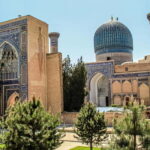
Shakhrisabz in one sweep: what you can realistically cover
Shakhrisabz (also spelled Shahrisabz) is compact. The itinerary is designed around a handful of landmark complexes and monuments, so you’re not trying to see everything in town. You’re seeing the big visual statements that explain why this place matters in the Timurid story.
A key detail: some structures you see are restored or rebuilt. That doesn’t make the visit less worthwhile—it just changes what you’re looking at. Treat it like this: you’re seeing both the original design language and the modern effort to preserve it. The result can still be spectacular, especially when you focus on patterns, proportions, and the way the buildings work together.
Because it’s a one-day format, you’ll move. You’ll likely spend most of your time at the named stops, then have a lunch break where you can sample local food (but lunch cost isn’t included). If you’re the type who likes to linger for an hour in a single courtyard, you might feel you’re seeing the highlights rather than living inside the place.
Kok Gumbaz Mosque: the 1434 landmark to orient yourself
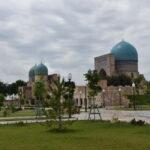
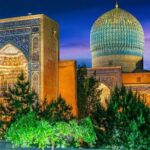
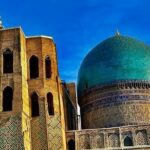
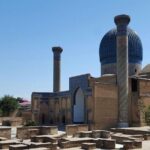
Kok Gumbaz Mosque is one of those names that should matter right away. It dates back to 1434, so it’s not just a random stop—it’s a marker for the era you’re visiting.
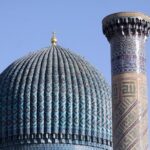
When you’re there, don’t rush past the mosque because it’s famous. Instead, pause and pay attention to the architecture as a system: domes, surfaces, and the way the building mass sits in its setting. A guided visit helps here because you’re not guessing what you’re looking at. The guide can connect the design choices to the period and the cultural context, which turns photos into something more than proof you visited.
If you want the best experience, use this first major stop as your mental baseline for the day. Once you’ve seen Kok Gumbaz, the next complexes will feel easier to read.
Hazrati Imam Complex: the historical and cultural “why” stop
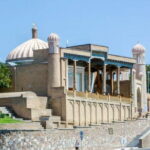
After Kok Gumbaz, the Hazrati Imam Complex shifts the focus from pure visual impact to cultural and historical meaning. It’s described as a significant historical and cultural site, and that matters because it changes the pace of the tour.
In practice, this is where you start collecting the story threads that make the architecture land. You’ll learn about why these places are associated with major figures and how the complexes functioned beyond being just pretty buildings.
This stop also tends to work well for questions. Ask your guide what role complexes like this played for everyday life. Even if you’re only there for a short window, the explanation helps you understand why the next location’s details aren’t random decoration.
Dorut Tilavat Complex: reading tilework like a language
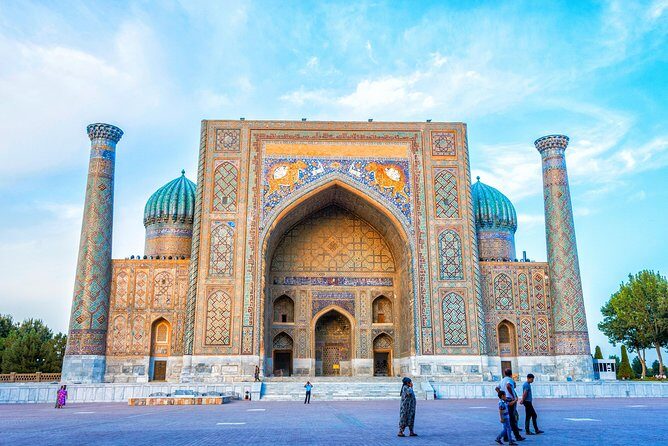
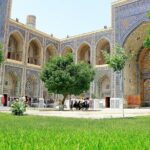
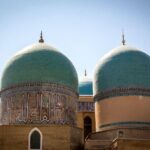
Next comes Dorut Tilavat Complex, and this is where the day gets hands-on for your eyes. You’ll admire intricate tilework and geometric patterns that are associated with Timurid architecture.
Here’s the practical tip: don’t try to capture everything in a single photo. Instead, pick one area of patterning and watch how it repeats, changes scale, and frames shapes. Geometric designs can feel “busy” if you’re just rushing for the perfect shot. A guide helps because they can point out what to look for and explain why the patterning matters, not just that it’s beautiful.
This is also the best moment to slow down for a few minutes, even if your schedule is moving. Tilework rewards patience. When you give it time, the detail stops being decoration and starts becoming structure.
You can also read our reviews of more private tours in Samarkand
Ak-Saray Palace ruins and Timur’s legacy (UNESCO centerpiece)
The star of the show is Ak-Saray Palace, a UNESCO World Heritage Site and a symbol of Timur’s lasting legacy in Shakhrisabz.
At the palace, you’re not just looking at buildings. You’re looking at what’s left after time—and how that “left behind” still carries weight. Even if the palace is in ruins, the location is powerful. You’ll take in sweeping views of the surrounding area while you explore, and that changes the way you experience the site. It feels like a place meant for power, visibility, and ceremony.
This is also where the guide’s job gets most important. You’re learning about Timur, one of the most influential figures in Central Asian history. If the story connects the architecture to the person and the era, the ruins stop being a sad pile and start being readable history.
One practical note: palace ruins often mean open space. Bring sun protection and comfortable shoes. Even in a private tour, you’ll be walking more than you expect once you start moving between viewpoints and monument areas.
Lunch break: sampling local fare without adding pressure
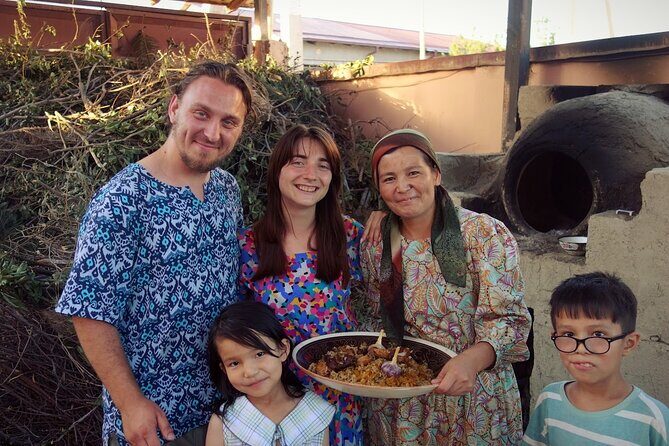
During the day, you’ll have the chance to sample local food at lunch. The tour description is clear: meals are not included, so you should budget for lunch separately.
I like this setup for two reasons. First, it gives you flexibility. Second, you’re not forced into a tourist menu that’s unrelated to the area. If you’re the type who wants to eat what locals actually eat, you can ask your guide where to go or what to try within the time you have.
Don’t treat lunch like a big sit-down restaurant day. In a one-day format, think of it as fueling up so you can enjoy the rest of the sites without getting sluggish.
Price and value: paying for the ride, the guide, and the timing
The price is $93 per person for a one-day private day trip with round-trip transportation, a driver, and a certified guide. That’s a fair base way to think about value: you’re not just paying for “seeing places,” you’re paying for convenience and interpretation.
The catch is also clearly stated: entry fees aren’t included. So your real total depends on ticket costs at the sites you visit. Some people felt the price was too high mainly because they felt they were paying for the transfer rather than more time inside the monuments, and because entrance fees added to the cost. Others were happy because the guide experience and the comfort made the day flow.
So here’s how I’d judge it if I were planning:
- If you want a low-stress day with a guide to explain the complexes, this price can make sense.
- If you hate paying separate ticket fees or you’re hoping for longer time on site, you might feel the squeeze.
One traveler example gave context: the overall trip ran about 6–7 hours, and their time on-site was closer to 1–2 hours. That’s typical of a one-day format. If your priorities are deep, slow exploration, you may want a longer stay in Shakhrisabz rather than maximizing efficiency.
Guide quality and languages: how names like Zafar, Alim, and Malika matter
You’ll have a live guide available in many languages: Arabic, English, German, Italian, Japanese, Korean, Persian, Russian, Spanish, Traditional Chinese, and French.
What makes a guide matter on a trip like this is simple: these sites work best when you can connect name + era + purpose. The difference between a quick walkthrough and a meaningful visit often comes down to how good the guide is at explaining details without turning it into a lecture.
From past experiences attached to this kind of tour, certain guides have stood out: Zafar has been praised for exceptional knowledge, Alim has been praised for making the trip fantastic, and Malika has been praised for explaining the attractions in Italian and answering questions beyond the monuments. Bob has also been mentioned, though some notes said the information stayed pretty basic on at least one occasion.
So here’s a practical move: before you move on to the next stop, ask one real question. It could be about the person (Timur), the function of a complex, or how to interpret the patterns on the buildings. A good guide will take that and build a better visit for you.
Who should book this private Shakhrisabz day trip
I’d book this if:
- You’re visiting Samarkand and want Timurid architecture in a single day.
- You don’t want to manage transport across regions on your own.
- You value a guide to translate what you’re looking at, not just a list of monument names.
I might skip it (or adjust expectations) if:
- You’re very price-sensitive once entry tickets get added.
- You prefer spending more time at one site instead of moving between four complexes.
- You want a deep, long-form experience in Shakhrisabz rather than a highlight loop.
If you’re a couple, a solo traveler, or a small group who wants structure and comfort, private is the right format. It reduces waiting and keeps the day from turning into a logistics puzzle.
Should you book it? My take
If you want a guided, low-hassle day out of Samarkand, this is an efficient plan. The combination of Kok Gumbaz (1434), Hazrati Imam, Dorut Tilavat’s tilework, and Ak-Saray Palace gives you a strong “Timur and Timurid design” arc in one sitting.
My booking advice comes down to one thing: budget for the extras. Since meals and entry fees are not included, check your likely ticket costs in advance so you’re not surprised at checkout day. If you’re okay with that and you want a guide-driven experience, this day trip can be a smart use of time.
FAQ
How long is the Samarkand to Shakhrisabz day trip?
It’s listed as a 1-day experience.
Where do I get picked up and dropped off in Samarkand?
Pickup options are the Amir Temur Mausoleum Gur-i Amir Complex or Registan. Drop-off options are also Registan or the Amir Temur Mausoleum Gur-i Amir Complex.
Are meals and entry fees included in the price?
No. Meals and entry fees are not included.
Which sites are included in Shakhrisabz?
You’ll visit the Kok Gumbaz Mosque, the Hazrati Imam Complex, the Dorut Tilavat Complex, and the Ak-Saray Palace.
What languages can the live guide speak?
The guide is listed as available in Arabic, English, German, Italian, Japanese, Korean, Persian, Russian, Spanish, Traditional Chinese, and French.
What is the cancellation policy?
Free cancellation is offered up to 24 hours in advance for a full refund.