REVIEW · SAMARKAND
Samarkand: city tour
Book on GetYourGuide →Operated by Jahongir travel · Bookable on GetYourGuide
Samarkand’s tiles hit you before the story starts. This tour strings together the city’s headline landmarks—especially Registan Square—with time-saving small-group guiding that keeps the pace human. I like the focus on the big visuals (three madrasahs, domes, and decorated interiors) and I also like that the guide brings context without turning it into a lecture.
One watch-out: entrance tickets and meals aren’t included, and the tour isn’t set up for wheelchair users. If you’re budgeting tightly or need accessibility accommodations, plan ahead.
The loop runs back to Registan Square, and it’s short enough to feel efficient without feeling rushed. You’ll cover major sites in about 3 to 4 hours, with real attention from guides who know how to make details stick—Amin’s wit is a good example, and Umid’s smooth meet-and-ride coordination is another.
In This Review
- Key highlights I’d prioritize
- Registan Square: the three-madrasahs you’ll never forget
- Ulugh Beg, Sher-Dor, Tilya-Kori: what to notice on the facades
- Bibi-Khanym Mosque: Timur’s tribute with turquoise domes
- Shahi-Zinda: UNESCO mausoleums and the joy of small alleys
- Gur-Emir Mausoleum: the ending that feels built for awe
- Small-group format and guided logistics that keep it easy
- Price and value: what $85 really buys you
- Practical tips before you go: comfort, language, and the right expectations
- Who this Samarkand city tour suits best
- Should you book this Samarkand city tour?
- FAQ
- How much does the Samarkand city tour cost?
- What’s included in the $85?
- Are entrance tickets included?
- Are meals included?
- How long is the tour?
- Where does the tour start and end?
- What languages are offered?
- Who should not join, and are there rules to follow?
- Can I pay later and cancel if plans change?
Key highlights I’d prioritize
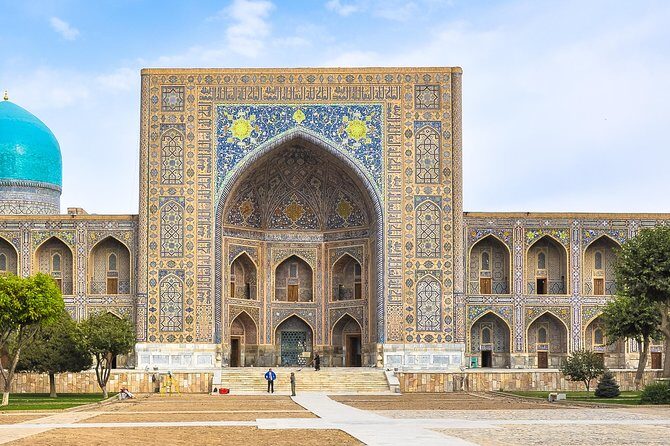
- Registan Square: the three-madrasah showpiece, explained in plain terms
- Small-group pacing: more questions, less waiting around
- Shahi-Zinda tilework alleyways: mausoleums you walk through, not just look at
- Bibi-Khanym Mosque: Timur’s 15th-century grand statement in turquoise and mosaic
- Gur-Emir Mausoleum dome: a final-stop that feels like the story’s climax
Registan Square: the three-madrasahs you’ll never forget
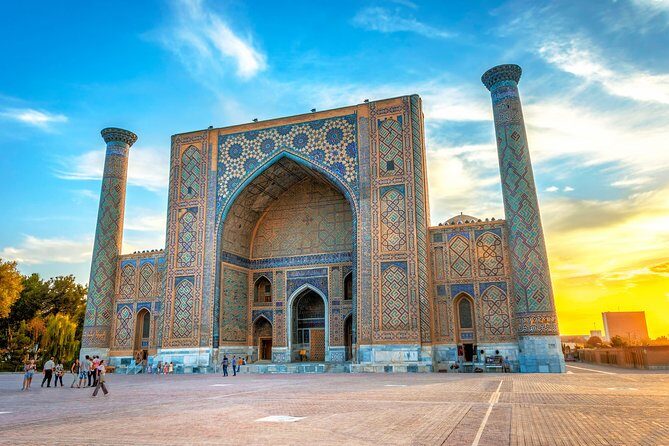
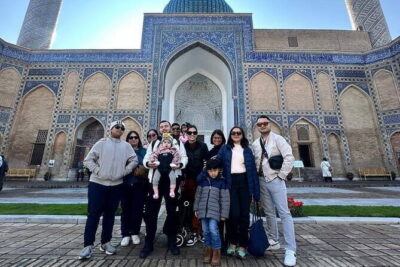
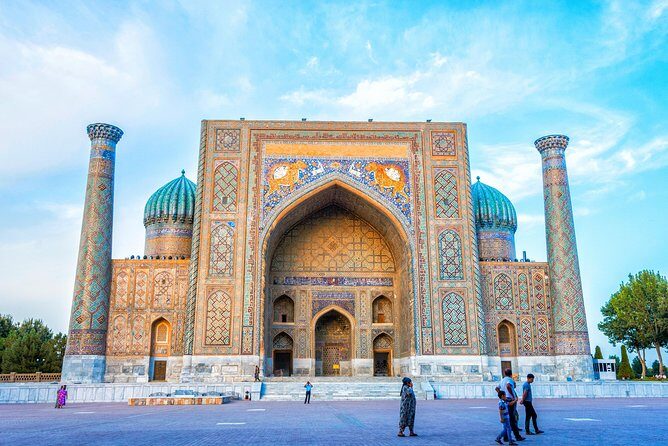
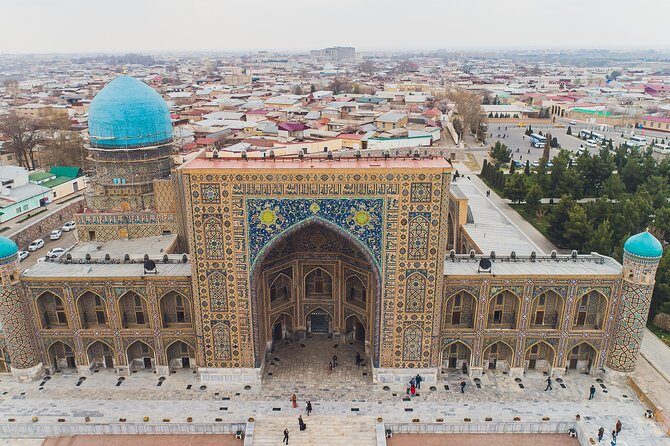
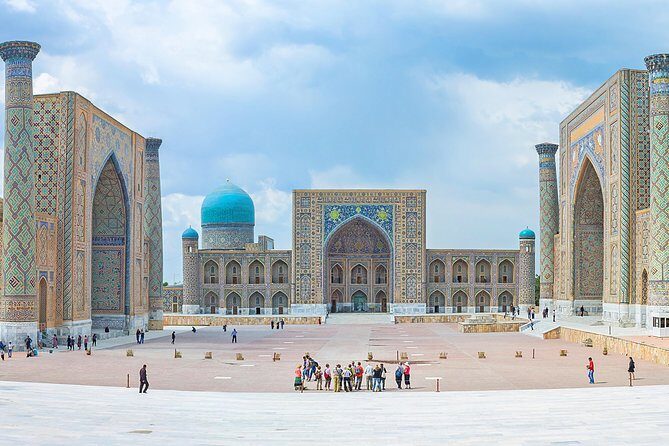
Registan Square is Samarkand’s visual center, and the tour starts there for a reason. When you first look at the three madrasahs—Ulugh Beg Madrasah, Sher-Dor Madrasah, and Tilya-Kori Madrasah—the whole place starts to make sense as an education hub, not just a photo spot.
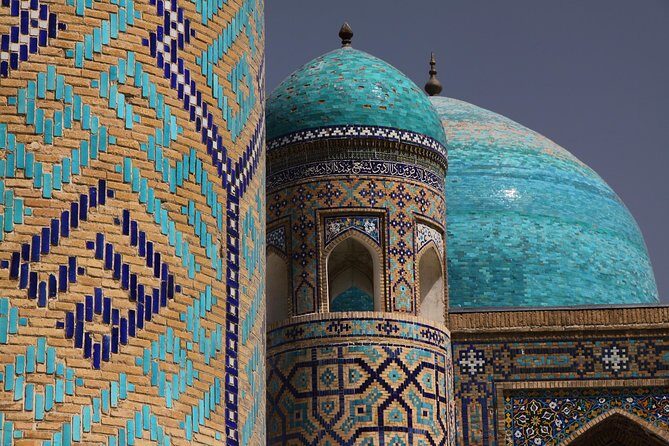
I love how the guide points out the tilework details and how the buildings relate to each other. You’ll hear what scholars studied there and how the design supports that “city of learning” vibe—then you’ll see it in the architecture right in front of you. The domes and intricate surfaces can feel overwhelming on your own; with guidance, they feel organized.
A practical note: even in a short tour, you’ll want your camera ready because the square gives you multiple angles quickly. If you’re sensitive to crowds or noise, it helps to know you’re entering the heart of the action, so plan for movement and stop-and-look moments rather than trying to stand still for everything.
You can also read our reviews of more city tours in Samarkand
Ulugh Beg, Sher-Dor, Tilya-Kori: what to notice on the facades
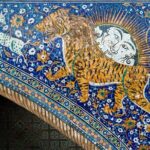
This is where the guiding really pays off. The Ulugh Beg Madrasah is known for its standout artistry, and your guide helps you connect what you’re seeing to why it mattered. Sher-Dor and Tilya-Kori add their own design character, so you’re not just watching three similar buildings—you’re comparing three different statements.
One thing I like: the explanations are tied to construction and the people connected to the sites, instead of only describing surfaces. That makes the tilework feel less like decoration and more like communication—messages meant to last.
If you want to get the most out of this stop, keep your eyes moving: scan the full facade first, then come back to details your guide flags. It’s the fastest way to avoid missing the good bits while your brain is still trying to orient you.
Bibi-Khanym Mosque: Timur’s tribute with turquoise domes
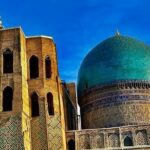
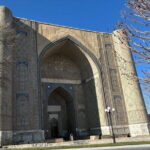
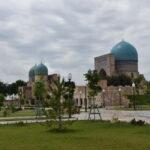
Next comes the Bibi-Khanym Mosque, built by Timur in the 15th century to honor his wife. From the outside, it reads as grand and ambitious; from the inside and in the surrounding views, you understand how it was meant to project power and devotion at the same time.
I like that the tour doesn’t treat it like a standalone stop. The guide connects the mosque to the broader arc of Samarkand’s influence—how leaders used architecture to shape memory, identity, and faith. And the visuals are strong: turquoise domes and intricate mosaics give you plenty to focus on while the stories roll by.
A consideration: because this stop is about scale and decoration, you may find yourself pausing for photos more than you planned. If your schedule is tight, wear comfortable shoes and keep your pace steady so you don’t get stuck in a long photo loop.
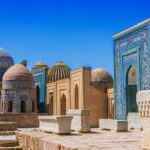
Shahi-Zinda: UNESCO mausoleums and the joy of small alleys
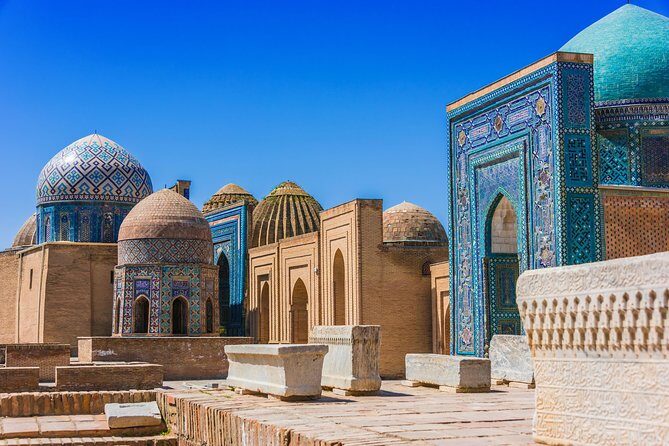
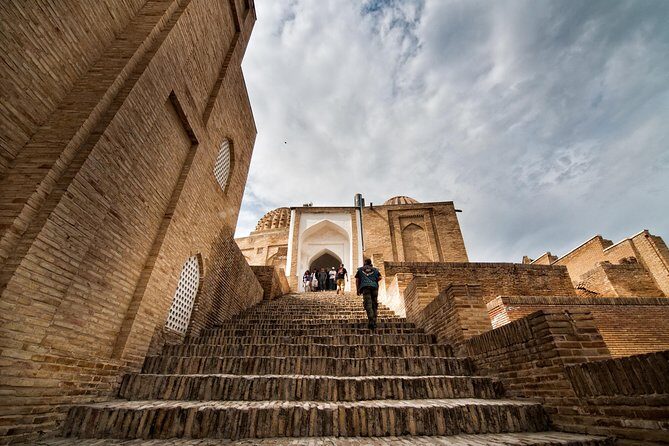
Shahi-Zinda is a UNESCO World Heritage site, and the feel changes the moment you start walking the narrow alleyways. Instead of one open square, you get a corridor-like experience where each turn reveals another decorated tomb area.
Here’s what I’d expect you to like: the tour guides you through the “readable chaos.” You’ll see vibrant-looking (colorful) tilework, then hear what each mausoleum’s setting and ornamentation contributes to the overall story. It’s not just a viewing—your feet move, and the architecture follows.
The atmosphere can be lively, and that’s part of the point of visiting a place like this. Still, if you’re easily overwhelmed by tight spaces, go slow, keep a bit of space behind your guide, and don’t worry about capturing every angle. Focus on the moments your guide highlights.
Gur-Emir Mausoleum: the ending that feels built for awe
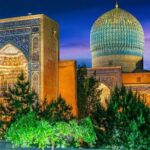
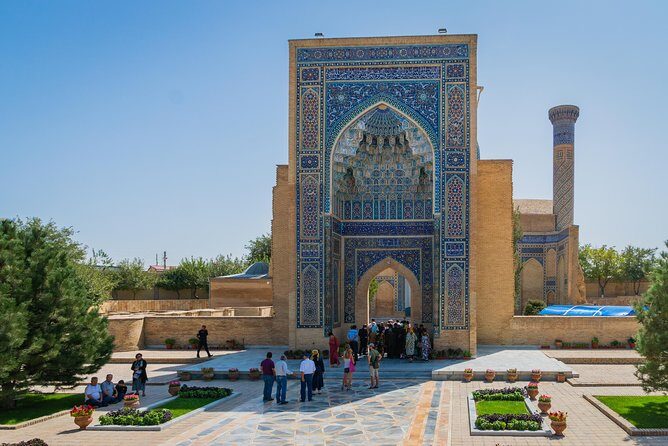
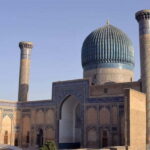
The final stop is Gur-Emir Mausoleum, the resting place of Timur and his descendants. This is the kind of site that feels like closure, because the design and the dome are meant to inspire awe—not just respect.
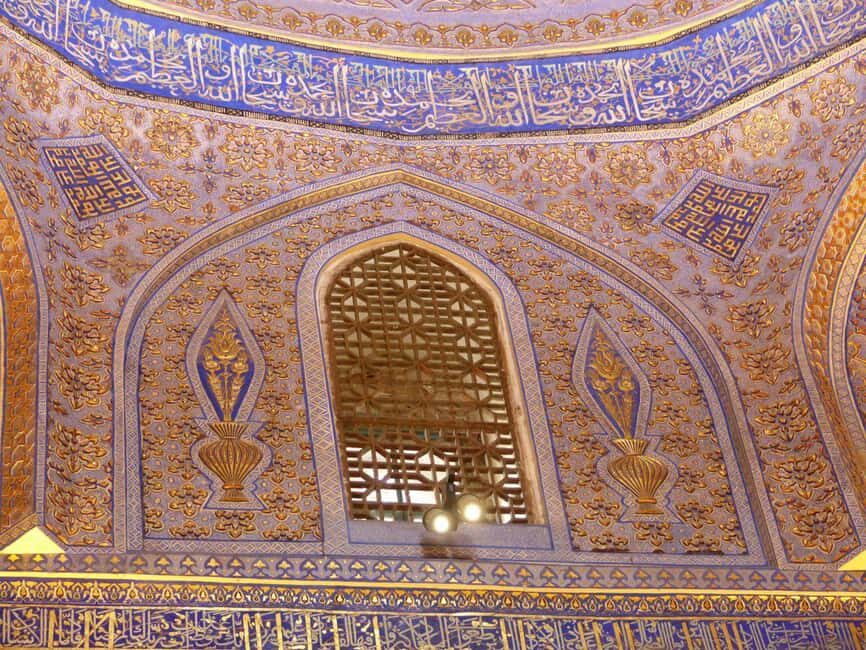
Inside, you’ll see exquisite tilework and take in the grandeur of the dome, which has influenced how people talk about Samarkand’s artistry for centuries. I like that the guide frames it as more than “a big tomb.” You learn why the place matters and how its architecture supports the role it played in holding a legacy.
If you’re planning photos, give yourself a few extra seconds near key viewpoints where the dome is visible. In a short tour, those small pockets of time matter. Also, keep your focus on your surroundings as much as your screen—this is one of those stops where you’ll remember the room, not just the picture.
Small-group format and guided logistics that keep it easy
This tour runs with an intimate small group, which changes everything about comfort and flow. You’re not stuck behind a crowd, and you can ask questions when something clicks—like why a certain pattern appears or how a building’s layout links to its purpose.
There’s also real value in transportation to the included landmarks. Samarkand’s main sights are spread out enough that getting from one to the next can eat time when you’re figuring it out alone. With rides arranged as part of the tour, you spend your energy on the sights instead of the routes.
Timing-wise, one guide-managed experience clocked at about 3 and a half hours for three key historical stops. That’s the sweet spot for people who want structure but still like to breathe between sites.
From a people-and-pacing standpoint, the style matters. Amin’s mix of facts and humor is exactly what makes tough architectural details feel easier, and Umid’s ability to meet people quickly and organize a driver fast is the kind of practical service that keeps the day from turning into waiting around.
Price and value: what $85 really buys you
At $85 per person, this isn’t a bargain-by-the-minute deal, and it’s not priced like a luxury private guide either. The value comes from three things that are included: expert guided tour services, transportation to all included landmarks, and the intimate small-group setup.
What you should also factor in: entrance tickets and meals are not included. That means your real total depends on what you pay at each site, plus what you eat afterward. If you’re the type who wants to wander off for lunch immediately, plan to do that on your own after the tour ends back at Registan Square.
In practical terms, $85 makes sense if you want:
- a guided explanation for multiple big monuments in one run
- less time dealing with logistics
- a guide who can connect architecture to meaning
It may feel less efficient if you only care about one or two of these landmarks. In that case, you might prefer a cheaper option that focuses on just the single area you’re most excited about.
Practical tips before you go: comfort, language, and the right expectations
The tour is offered in English and Russian, so you can match your comfort level to your guide. If you’re choosing based on language, pick the one you’ll understand best when the guide starts explaining how the buildings were used and constructed.
You’ll also want to come prepared for active sightseeing. The tour isn’t suitable for wheelchair users, and it’s not set up for very young babies (under 1 year) or people over 95 years. If you fall into any of those categories, you’ll likely be happier with another format that allows more flexibility.
For day-to-day comfort, wear shoes that handle walking and uneven surfaces, since you’ll move from open spaces into tighter alleyways at Shahi-Zinda and back into larger monumental areas at Registan Square. Bring a light layer if weather changes, and keep water handy if you know you get thirsty while sightseeing—meals aren’t included, so hydration becomes your job.
Finally, note the rules: pets aren’t allowed, and alcohol and drugs (and explosive substances) aren’t allowed. That’s normal for most serious sightseeing tours, but it’s good to know so you can plan accordingly.
Who this Samarkand city tour suits best
This tour fits you if you want a guided route that covers the city’s major monument hits in a sensible order. It’s a strong choice for first-timers who need help connecting what they’re seeing—madrasahs, mosque domes, mausoleums—to why those places mattered.
It also works well if you like structure but still want room for questions. Small-group guiding tends to favor people who enjoy conversation, not people who prefer total silence and self-paced wandering.
If you’re traveling with limited time in Samarkand, the loop is efficient: Registan Square, then Bibi-Khanym Mosque, then Shahi-Zinda, and finally Gur-Emir Mausoleum, with the day ending where it started. That’s helpful when you want to keep the rest of your day open for markets or independent exploration.
Should you book this Samarkand city tour?
I’d book it if you want to get past the “I saw it” stage and into the “I understand what I’m looking at” stage. The architecture here is stunning, but it’s also packed with details, and a good guide helps you spot what actually matters.
Don’t book it if you’re looking for a fully self-guided experience, or if entrance tickets and meal planning are a deal-breaker for your budget. Also skip it if you need wheelchair accessibility, since it’s not suitable for wheelchair users.
If you’re comfortable with a short, structured tour, this is a solid way to spend a half-day in Samarkand without missing the biggest monuments.
FAQ
How much does the Samarkand city tour cost?
The tour price is $85 per person.
What’s included in the $85?
It includes expert guided tour services and transportation to the included landmarks, plus an intimate small-group experience.
Are entrance tickets included?
No. Entrance tickets to the attractions are not included.
Are meals included?
No. Meals are not included.
How long is the tour?
The tour is designed as a short city loop. One experience was described as covering three sites in about 3 and a half hours.
Where does the tour start and end?
It starts at Registan Square and ends back at Registan Square.
What languages are offered?
The tour is available in English and Russian.
Who should not join, and are there rules to follow?
It’s not suitable for wheelchair users, babies under 1 year, and people over 95 years. Pets are not allowed, alcohol and drugs are not allowed, and explosive substances are not allowed.
Can I pay later and cancel if plans change?
Yes, there is a reserve & pay later option where you pay nothing today. You can cancel up to 24 hours in advance for a full refund.