REVIEW · TASHKENT
Legends and Crafts: Suzani Masterclass & Cultural Immersion
Book on GetYourGuide →Operated by Craft&Culture · Bookable on GetYourGuide
A needle, a story, and a lunch break.
This Tashkent experience turns Suzani embroidery into a lesson on symbols, craft, and everyday Uzbek beliefs. I also like how you get a guided walk at Navruz Park before you touch the textiles, so the making part lands better.
My only caution: you will be making a small, guided project, not a full custom masterpiece, so set expectations accordingly if you want maximum crafting time.
In This Review
- Key things to know before you go
- Suzanis are more than pretty patterns in Tashkent
- Navruz Park: where craft legends start making sense
- Silk Road stories you can spot in the crafts
- The jewelry and metalwork section: protection, luck, and design
- Suzani masterclass: your embroidery, your symbolism
- Why the take-home souvenir matters more than a receipt
- The Uzbek meal: plov with a story (and green tea)
- Who this is best for (and who might skip it)
- Languages, group size, and how this stays personal
- Practical details that affect your day
- Is $90 a good deal for this craft + lunch combo?
- Should you book Legends and Crafts: Suzani Masterclass & Cultural Immersion?
- FAQ
- How long is the Legends and Crafts Suzani experience?
- What does the tour cost?
- Is it a private group?
- Do you get hotel pickup in Tashkent?
- What languages are available for the live guide?
- What meal is included?
- Do you take your Suzani embroidery home?
- Can I cancel and get a refund?
Key things to know before you go
- Private group with pickup from Tashkent for a smoother start and less time figuring things out.
- Navruz Park (about 1 hour) with a guide who connects crafts to legends and Silk Road influence.
- One-on-one style help in the masterclass so beginners can still finish a take-home piece.
- Symbol meaning is part of the lesson, including protective traditions behind Suzani patterns.
- Uzbek meal included with plov plus salads and unlimited green tea, served as a cultural wrap-up.
Suzanis are more than pretty patterns in Tashkent
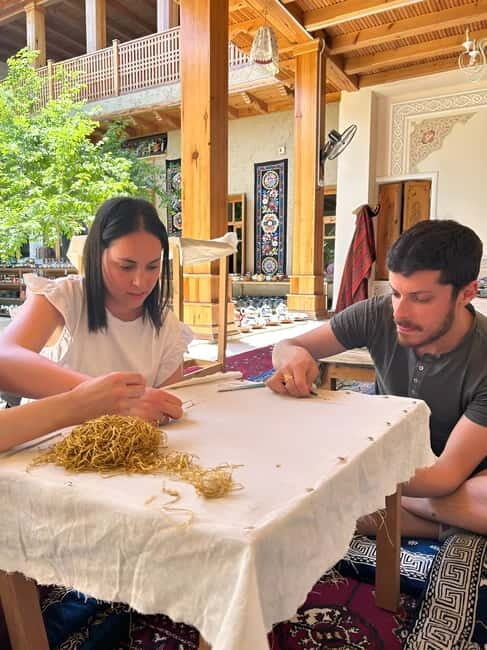
If you’ve seen embroidered textiles in Uzbekistan, you’ll notice one thing fast: they aren’t just decorative. They’re built from meaning—symbols, local stories, and beliefs that were meant to protect, bring luck, or mark important moments.
That’s why this experience feels different from a standard craft shop stop. You don’t just look at examples. You get the story behind the stitches, and then you make one small piece yourself. The result is practical and personal: you leave with something you can actually hold, not just photos.
The price—$90 per person for about 3 to 3.5 hours including the meal and materials—also makes sense for a private, guided format. You’re paying for time with an expert guide plus artisan support during the embroidery, and for lunch that’s included rather than tacked on later.
You can also read our reviews of more tours and experiences in Tashkent.

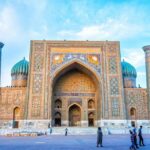
Navruz Park: where craft legends start making sense
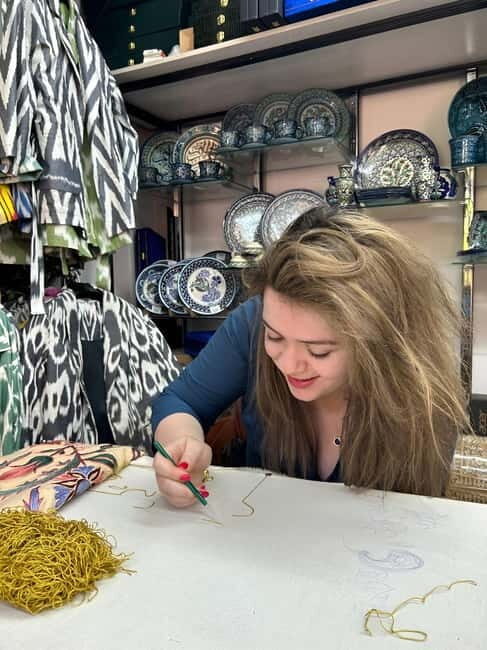
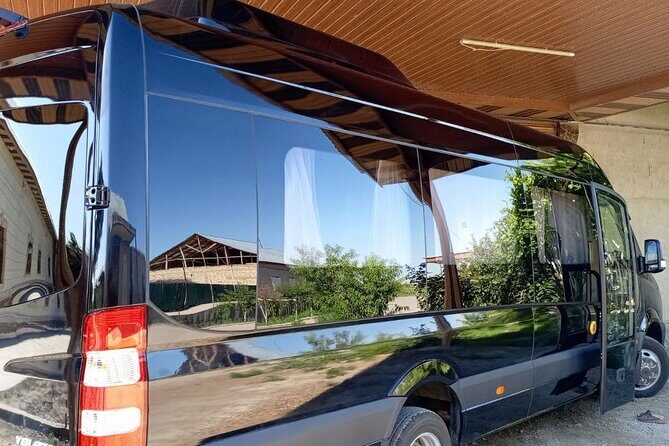
Your day usually begins with hotel pickup in Tashkent. The driver will meet you in the lobby and hold a sign with your last name, and you’re asked to wait about 5 minutes before pickup. If you’re trying to maximize your first day in Tashkent, this timing is a smart move.
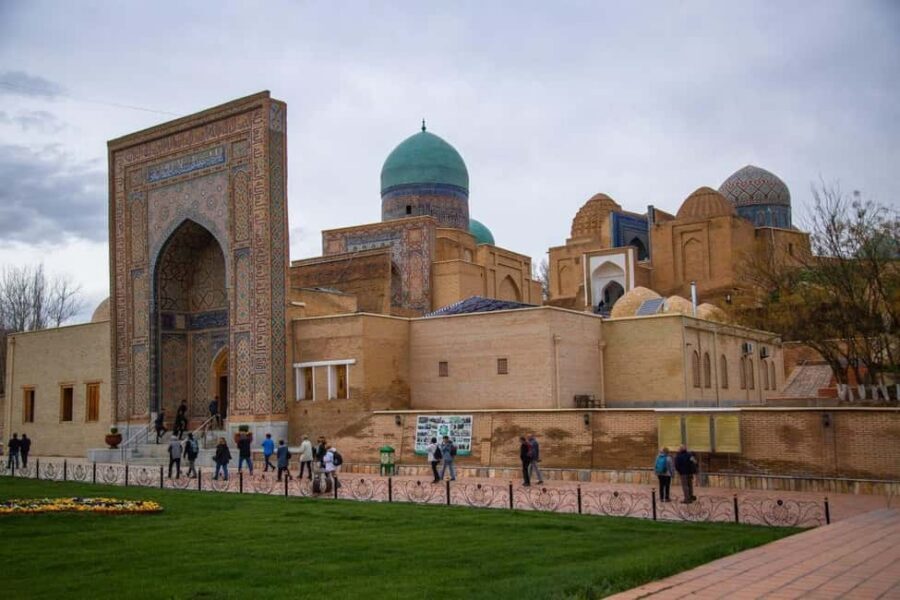
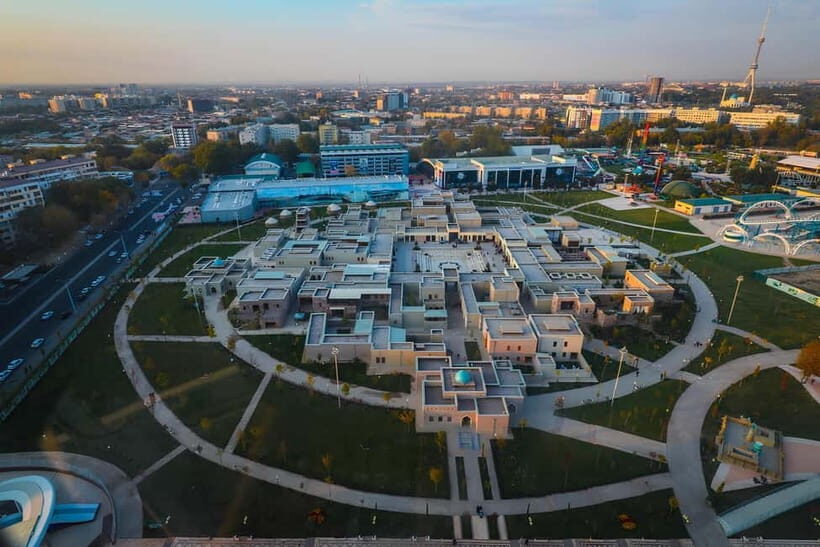
From there, you’ll head to Navruz Park for a guided walk of about 1 hour. This isn’t a lecture. It’s more like a guided set of “look again” moments: how Uzbek crafts link to identity, beliefs, and survival skills passed through generations.
What I’d watch for here:
- Silk Road influence on textiles and craft value, including why certain materials were treated like something more than commodities.
- Legends tied to everyday objects—things people used, wore, or displayed for protection and good fortune.
- A focus on how crafts carry meaning, even when they later change under modern pressures.
The guide also points out how Uzbekistan became a key stop on the Silk Road, connecting Asia and Europe. That mattered because trade didn’t just move goods. It moved techniques, designs, and ideas about what to value.
You’ll also get a look at textiles and dolls tied to regional identity. You’ll see styles ranging from ikat to embroidery, and you’ll visit an Uzbek doll shop where each doll represents regions and connects to local legends and superstitions. Even if you don’t buy anything, you’ll start to recognize how regional stories shape what people make.
Silk Road stories you can spot in the crafts
This stop gives you context you’ll keep using while you shop (or just wander around Tashkent later). When you understand the Silk Road link, craft markets stop feeling random.
For example, you’ll hear why certain craft goods were valuable enough to be treated as special. Textiles and ceramics weren’t just “nice items.” They were connected to ideas like blessings and good fortune. That’s a cultural logic you’ll notice again and again, from embroidery layouts to protective patterns in metalwork and jewelry.
You’ll also get a note on globalization’s influence on Uzbek craft. The key idea is simple: artisans balance preserving heritage with modern adaptations, while still trying to keep the old legends alive. That’s not just interesting background—it helps you interpret what you’ll see in shops, including why some pieces look traditional while others feel updated.
The jewelry and metalwork section: protection, luck, and design
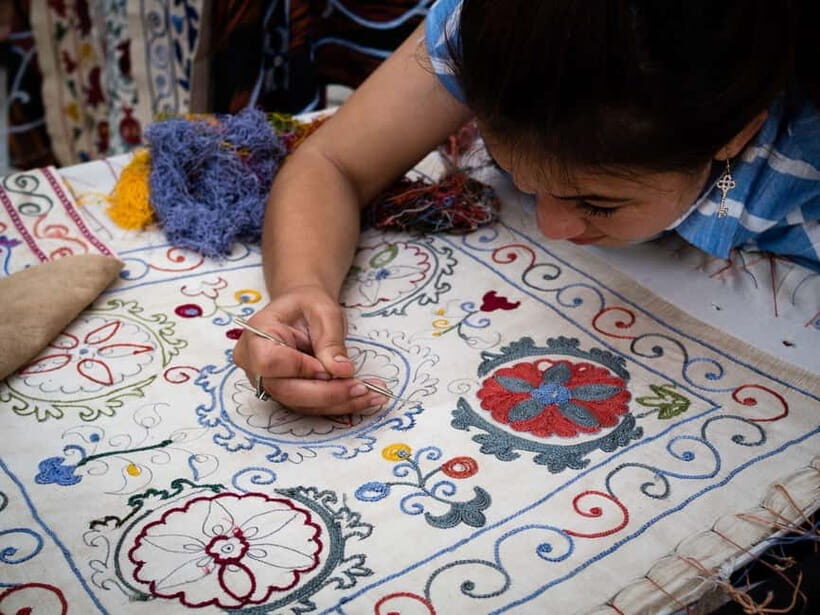
At the park, you’ll shift from textiles to things people wear or keep close. The guide introduces Uzbek jewelry and metalwork, with designs explained through beliefs about protection and good luck.
Even if you’re not a jewelry shopper, this part is worth your attention. It trains your eye. You start noticing how motifs repeat, how certain shapes and patterns are treated as meaningful, and how design choices are rarely random.
Think of it like cultural “grammar.” Once you learn a few recurring rules, you can read a craft object more confidently. You might not understand every symbol, but you’ll understand why the craft maker chose them.
Suzani masterclass: your embroidery, your symbolism
Now for the hands-on part. The masterclass runs about 1 to 1.5 hours, guided by artisans and your English-speaking guide (and often another local language option like Polish or Russian, depending on the group).
First, you’ll get the basics for working the piece. You’ll learn basic stitches and how to follow the design the right way. You’re not expected to be a lifelong embroiderer. You’ll be guided through the process step by step, and the goal is a finished, take-home Suzani.
The big cultural idea you’ll be taught alongside the craft:
Suzani embroidery is rooted in symbolism and is tied to legends meant to ward off evil spirits. That framing changes how you see every line and repeat pattern. It’s not just decoration; it’s protective storytelling made visible through thread.
What you can realistically expect to make
You’ll work on a small project. That’s intentional—so you can actually complete it during your time slot, instead of leaving with only half a design. The best mindset is to treat it like a meaningful souvenir you made, not like a commission job.
If you’re worried about skill level: don’t. The experience is built around patient instruction. Even when people laugh about their first attempts at stitching, they still walk out with a piece they can be proud of.
Why the take-home souvenir matters more than a receipt
Most craft tours sell the idea of buying. This one gives you a different outcome: you take home something you made with your hands.
That matters in two ways:
- It becomes a memory you can use, not just display. You’ll remember the symbolism lesson when you look at your own stitches months later.
- It makes shopping smarter. You’ll have a better sense of what embroidery work takes, and why quality varies. That alone helps you avoid impulse buys when you’re tired or overwhelmed in a market.
And because the materials and guidance are included, you’re not left doing math mid-tour. You can focus on the craft itself.
The Uzbek meal: plov with a story (and green tea)
After crafting, you’ll move into the food portion for about 45 minutes, sometimes stretching closer to an hour depending on pacing.
You’ll have a traditional Uzbek meal in a calm setting in a garden-style restaurant. It’s not an afterthought. The meal is designed as an extension of the cultural journey, with dishes described and connected to their own stories.
Included menu highlights:
- Non: freshly baked Uzbek bread
- Salads: Shakarob (tomato and herbs) and Kuzchi Kayfiyat Salad
- Main: variety of Uzbek plov (rice with lamb, carrots, and raisins)
- Drinks: unlimited green tea and water
If you’ve eaten a lot of plov already, this tour can still work. The guide’s context around dishes can help you taste differences more consciously, and it’s a relaxing reset after hand work.
Bonus practical point: if you time this early in your trip, you’ll be better prepared for what to order later. You’ll know the basic structure of a meal and what kinds of flavors Uzbekistan typically offers.
Who this is best for (and who might skip it)
This is ideal if you want Tashkent culture through hands-on work, not just museum walking. It’s also a strong fit if you care about symbolism and want to understand what you’re seeing in craft shops rather than guessing.
I’d especially recommend it for:
- First-time visitors who want a structured intro to Uzbek crafts and traditions
- People who like making things with guidance, even if they’re beginners
- Anyone planning to shop for textiles and wants a sense of what quality takes
You might consider skipping if:
- You hate structured activities and want only free time
- You’re looking for a long, advanced embroidery session. This is designed to finish something small within the schedule.
Languages, group size, and how this stays personal
The experience is a private group, which changes everything. You get more attention from the guide and artisans, and you’re less likely to feel like you’re waiting your turn while others take over the conversation.
English is available, along with Polish, Russian, and Uzbek. That matters because craft symbolism isn’t just facts. It’s explanations, context, and small cultural cues. When you understand the guide clearly, the whole tour becomes easier to remember.
The guides I’ve seen highlighted for this kind of session include Yusuf and local partners such as Julia/Yulia. If English is your preference, you’ll be in good hands when the guide is comfortable explaining traditions and answering questions as you go.
Practical details that affect your day
The total time is 3 to 3.5 hours, and you can check availability for starting times.
Pickup is included from your hotel in Tashkent, but the listing style also allows pickup to be optional. Either way, you’ll want to be ready in the lobby about 5 minutes before your scheduled pickup.
What to bring is simple:
- Comfortable clothes for craft work
- A light layer if the indoor workshop area feels cool
- Your curiosity. The guide will share plenty of background, and you’ll want to ask questions as symbols come up
Is $90 a good deal for this craft + lunch combo?
For a private tour in Tashkent, $90 for a 3 to 3.5 hour block can be a solid value when these elements are included:
- Pickup and guided time at Navruz Park
- A hands-on Suzani session with artisan support
- Materials and a take-home embroidery souvenir
- A full traditional meal course with bread, salad, plov, and unlimited green tea
In other words, you’re paying for expertise and for the output you take home. If your goal is only shopping or only a photo stop, you could find cheaper options. If your goal is understanding and making, the included lunch and materials make it easier to justify.
Should you book Legends and Crafts: Suzani Masterclass & Cultural Immersion?
Book it if you want a first-week Tashkent activity that connects craft to culture in a way you can remember. The Suzani masterclass is the core reason to go, and the park stop beforehand makes the symbolism feel real instead of abstract. Add in a guided Uzbek meal with plov and tea, and you’ve got a full half-day that’s actually useful.
Skip it only if you hate hands-on learning or you’re hunting for something longer and more advanced. Otherwise, this is the kind of experience that leaves you with both knowledge and a physical reminder—thread and all.
FAQ
How long is the Legends and Crafts Suzani experience?
The experience lasts about 3 to 3.5 hours, including the guided park time, the workshop, and your traditional meal.
What does the tour cost?
The price is $90 per person.
Is it a private group?
Yes, it’s listed as a private group.
Do you get hotel pickup in Tashkent?
Hotel pickup is included, and after booking you’ll message the local guide on WhatsApp. You’re asked to wait about 5 minutes before pickup in the hotel lobby, and the driver holds a sign with your last name.
What languages are available for the live guide?
The guide is available in English, Polish, Russian, and Uzbek.
What meal is included?
You get a traditional Uzbek meal including non (bread), Shakarob salad and Kuzchi Kayfiyat salad, a variety of Uzbek palov (rice with lamb, carrots, and raisins), plus unlimited green tea and water.
Do you take your Suzani embroidery home?
Yes. The masterclass includes materials, guidance from expert artisans, and you take your embroidered piece home as a souvenir.
Can I cancel and get a refund?
Yes. You can cancel up to 24 hours in advance for a full refund.